Fort Ricasoli
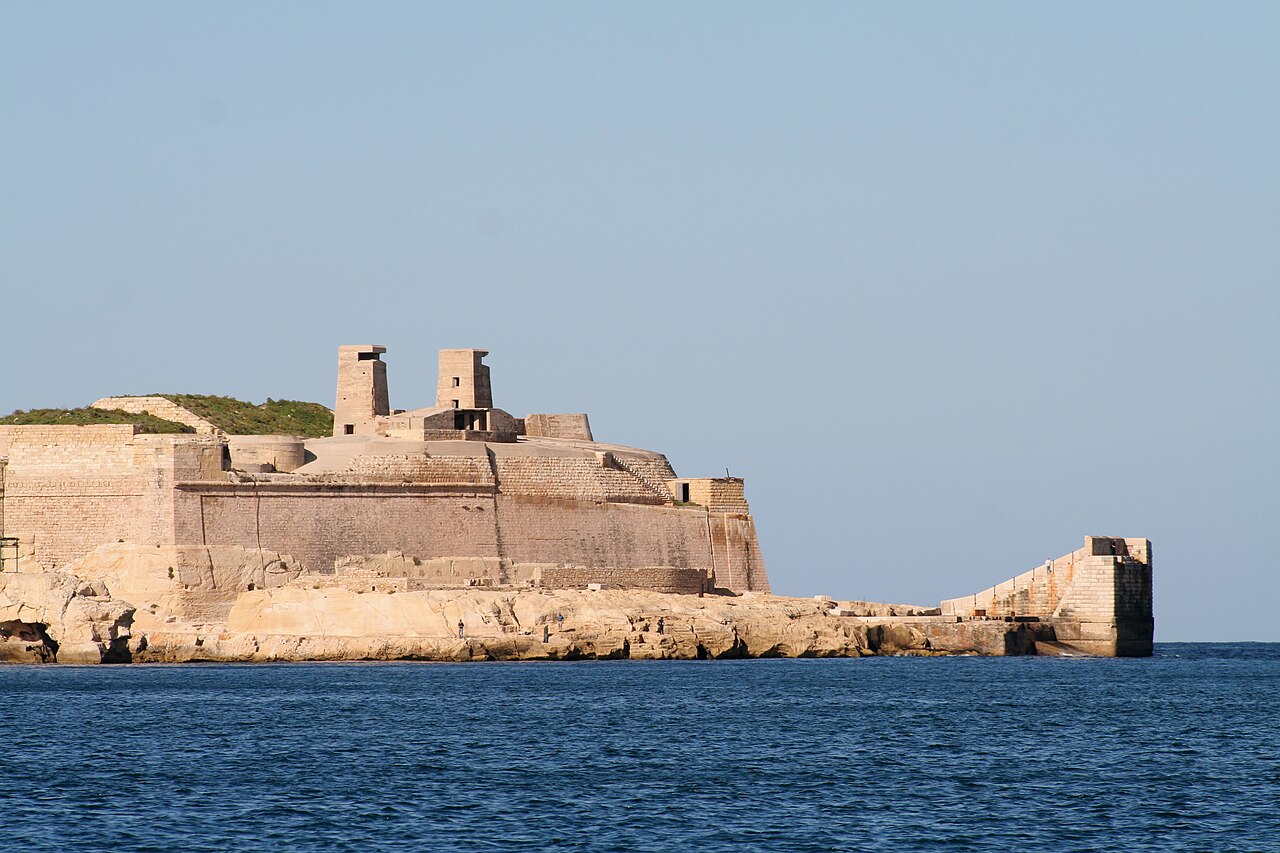
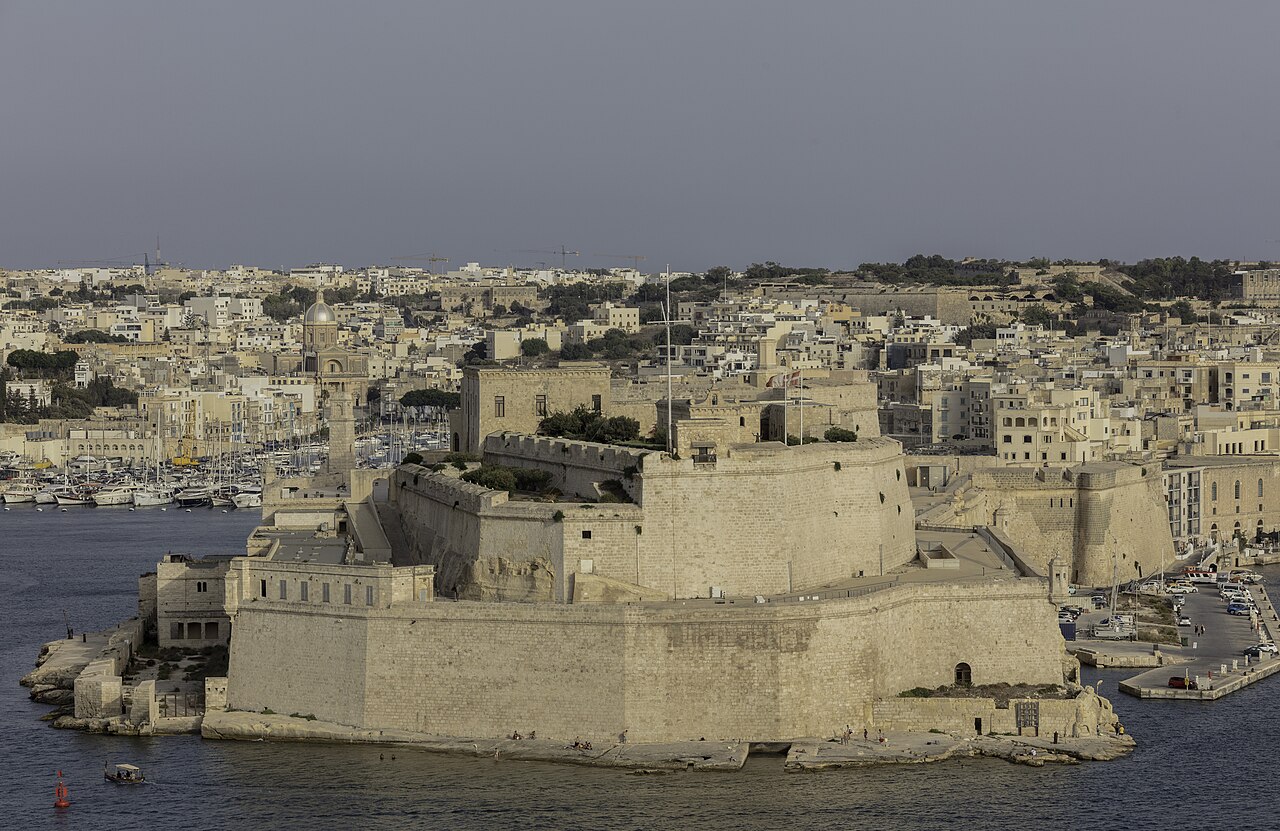
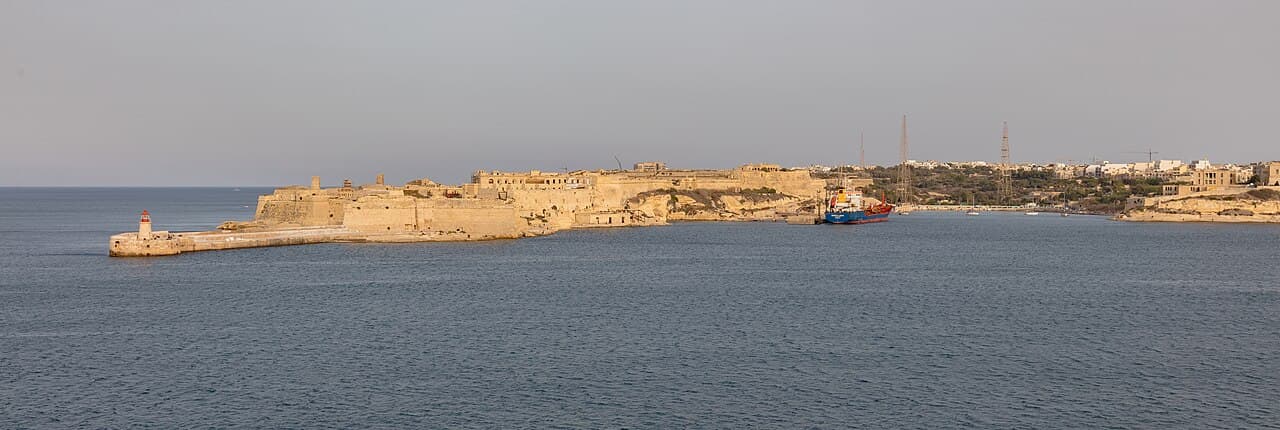
Fort Ricasoli is a prominent 17th-century bastioned fort located in Kalkara, Malta, strategically positioned at Gallows' Point on the north shore of Rinella Bay. Constructed by the Order of Saint John between 1670 and 1698, it commands the entrance to the Grand Harbour alongside Fort Saint Elmo. As the largest fortification in Malta, it played a crucial role in the island's coastal defense system and remains a significant example of Renaissance military architecture.
Architectural design and strategic importance
The fort's design reflects the principles of bastioned fortifications typical of the Renaissance period, featuring thick limestone walls, angular bastions, and a complex system of defensive ditches and ramparts. Its location on a promontory allowed for commanding views and overlapping fields of fire over the sea approaches, essential for controlling access to the Grand Harbour, one of the Mediterranean's most important natural harbors.
Fort Ricasoli's layout includes multiple bastions, curtain walls, and a large central parade ground. The fortification is surrounded by a dry moat and includes various functional buildings such as barracks, magazines, and a chapel. The robust construction used local limestone, which was both durable and abundant on the island.
Historical role and military engagements
Throughout its history, Fort Ricasoli was involved in several key military events. During the French invasion of Malta in 1798, the fort was a focal point of defense. Following the Maltese insurrection against French rule, it came under British control, reflecting Malta's changing political landscape in the 18th and 19th centuries.
In 1807, the fort was the site of the Froberg mutiny, a notable military uprising involving troops stationed there. Later, in the 19th century, the fort was repurposed as a military hospital, adapting its facilities to meet medical needs during peacetime.
During World War II, Fort Ricasoli again served a military function but suffered damage from aerial bombardments, which partially destroyed sections of the fort. These events marked the beginning of its gradual decline as a frontline military installation.
Post-military use and current condition
After being decommissioned in the 1960s, Fort Ricasoli was used for various industrial purposes, including as a tank cleaning facility. Despite its dilapidated state, much of the fort's structure remains intact, though it is classified as ruins due to neglect and partial destruction.
The fort has also become a popular filming location, providing a dramatic backdrop for movies and television productions. Recognizing its cultural and historical value, Fort Ricasoli has been on the tentative list of UNESCO World Heritage Sites since 1998, as part of the Knights' Fortifications around the Harbours of Malta.
Plans for restoration were approved in June 2019, aiming to preserve the fort's architectural heritage and enhance its accessibility for educational and tourism purposes. The restoration efforts seek to stabilize the remaining structures and highlight the fort's significant role in Malta's military history.
Architectural features worth noting
Among the fort's notable architectural elements are its massive bastions, which include the St. Dominic Bastion and St. Helen Bastion, designed to withstand heavy artillery fire. The fort's curtain walls connect these bastions, creating a formidable defensive perimeter.
The entrance is marked by a grand gatehouse, fortified with defensive features such as a drawbridge and machicolations. Inside, the fort contains remnants of barracks, storerooms, and a chapel, reflecting its multifunctional military use.
Cultural significance and heritage protection
Fort Ricasoli's inclusion on the UNESCO tentative list underscores its importance as part of Malta's extensive network of fortifications built by the Knights of St. John. These fortifications collectively illustrate the evolution of military architecture in response to advances in artillery and siege warfare during the Renaissance and beyond.
Today, the fort is a subject of ongoing conservation efforts and public interest, highlighting the need to preserve Malta's rich historical landscape. Its status as a filming location also helps raise awareness and appreciation for Malta's cultural heritage.
Frequently asked questions (FAQ)
- How do I visit Fort Ricasoli?
- Fort Ricasoli is located in Kalkara, Malta, and can be visited by arranging tours through local heritage organizations. Due to its condition as ruins, access may be limited for safety reasons. Check ahead for guided tours and visiting hours.
- What is the historical significance of Fort Ricasoli?
- Fort Ricasoli is the largest bastioned fort in Malta, built by the Order of Saint John in the 17th century to defend the Grand Harbour. It played key roles during the French invasion, British rule, and World War II.
- When was Fort Ricasoli built?
- Construction of Fort Ricasoli began in 1670 and was completed in 1698, reflecting Renaissance military architectural styles.
- Can I explore the architectural features of Fort Ricasoli?
- Visitors can observe the massive bastions, curtain walls, and gatehouse, although some areas may be unsafe due to the fort's ruined condition. Guided tours often highlight these features and their defensive purposes.
- Is Fort Ricasoli accessible for people with mobility issues?
- Due to its rugged terrain and ruins status, Fort Ricasoli has limited accessibility for people with mobility impairments. Visitors should prepare for uneven surfaces and limited facilities.
- Why is Fort Ricasoli on the UNESCO tentative list?
- Fort Ricasoli is part of the Knights' Fortifications around the Harbours of Malta, showcasing Renaissance military architecture and the strategic defense system of the Order of Saint John.
Photo gallery

Information
Current owner
Government of Malta
Loading map...
Visitor reviews
No reviews yet. Been here? Write the first review and help other travelers!
Write the first reviewVisited this castle? Share your experience
Your review helps other travelers and adds first-hand knowledge to our encyclopedia.