Fort Saint Michael
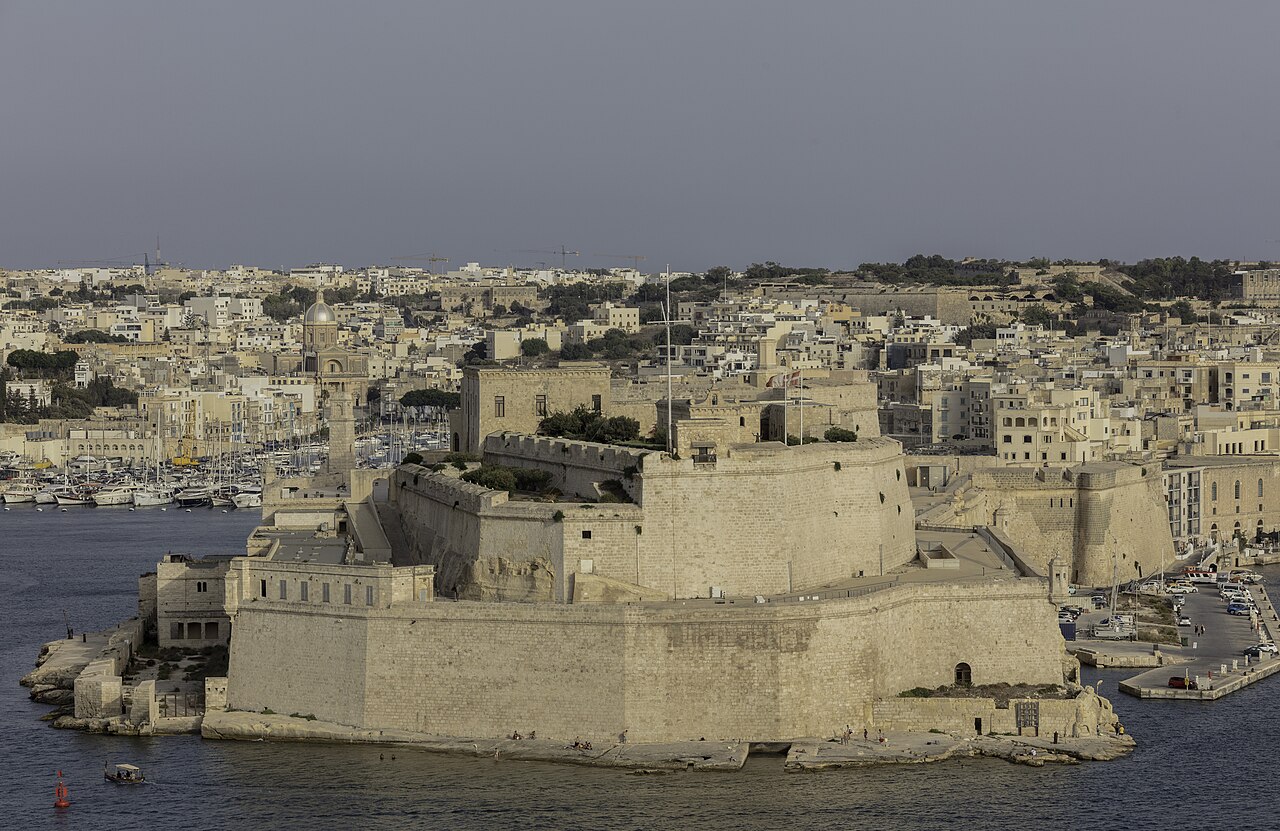
Fort Saint Michael (Maltese: Forti San Mikiel) was a strategically important fortification located on the land front of the city of Senglea, Malta. Constructed initially in 1552, this fort played a pivotal role during the Great Siege of Malta in 1565, serving as a critical defensive position against the Ottoman forces. Its location on the landward side of Senglea made it a frontline bastion protecting the city and the neighboring Grand Harbour area.
Historical significance and military role
Fort Saint Michael was part of a network of fortifications built by the Order of Saint John to defend Malta from Ottoman incursions. The fort's original construction was a response to increasing threats in the mid-16th century, reflecting the Renaissance military architecture principles emphasizing bastioned fortifications designed to withstand artillery fire. During the 1565 siege, the fort was a key stronghold that withstood prolonged assaults, contributing significantly to the eventual Christian victory.
Architectural evolution and reconstruction
Following the siege, the fort was extensively rebuilt and enhanced, transforming it into what became known as the Saint Michael Cavalier (Maltese: Kavallier ta' San Mikiel). Completed in 1581, the cavalier was a raised artillery platform designed to provide overlapping fields of fire over the surrounding fortifications and the land front. This reconstruction reflected advances in fortification design during the Renaissance period, incorporating thicker walls and angular bastions to better resist cannon fire.
The cavalier's elevated position allowed defenders to place heavy artillery pieces to cover approaches to Senglea and support adjacent forts and batteries. Its design included robust stone masonry, embrasures for cannons, and defensive features typical of Renaissance bastioned forts.
Decline and current state
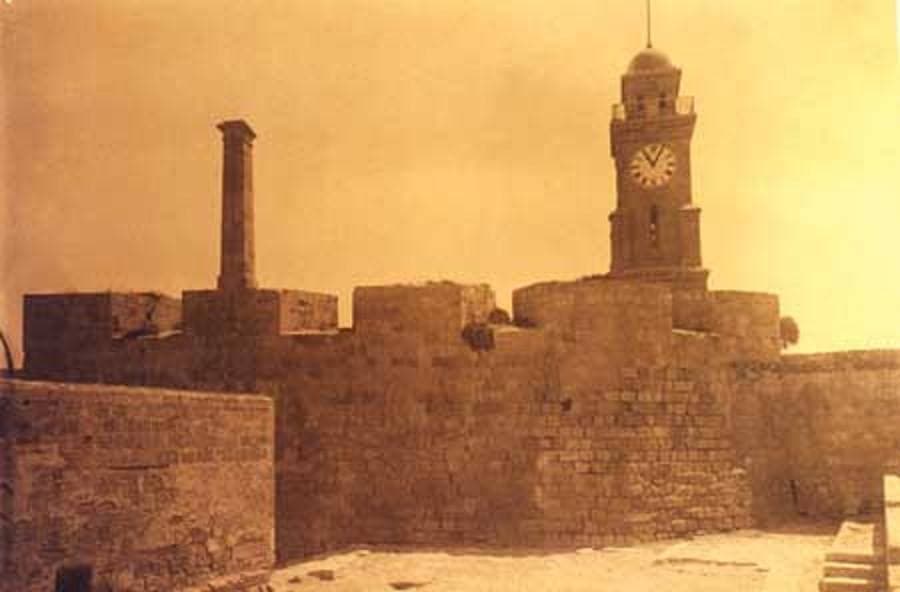
In the centuries following its military use, Fort Saint Michael gradually lost its strategic importance. By the 20th century, parts of the cavalier were demolished, and only a portion of its base remains today. The site is classified as archaeological ruins, with limited visible remains that attest to its former scale and significance.
Despite its ruinous condition, Fort Saint Michael remains an important cultural heritage site, illustrating the military history of Malta and the evolution of fortification architecture during the Renaissance. Its location in Senglea offers insight into the defensive network that protected the Maltese islands during one of their most turbulent historical periods.
Fort Saint Michael within the context of Maltese fortifications
Fort Saint Michael was part of a larger system of fortresses and defensive works constructed by the Order of Saint John across Malta. This network included other prominent forts such as Fort Saint Elmo and Fort Saint Angelo, all designed to control access to the Grand Harbour and defend against naval and land attacks.
The fort's design and reconstruction after the siege reflect the shift in military engineering towards concentric fortifications and the use of elevated artillery platforms like cavaliers to maximize defensive capabilities. These innovations were crucial in enabling the Maltese defenders to repel the vastly larger Ottoman forces during the Great Siege.
Visiting and preservation efforts
Today, Fort Saint Michael is recognized as a site of historical importance, though its physical remains are limited. Preservation efforts focus on archaeological study and maintaining the ruins as a testament to Malta's rich military heritage. Visitors to Senglea can view the remnants of the fort, which contribute to understanding the island's fortified landscape and the legacy of the Knights of St. John.
Frequently asked questions (FAQ)
- When was Fort Saint Michael built and what was its purpose?
- Fort Saint Michael was originally built in 1552 to defend the land front of Senglea, Malta, playing a key role in the Great Siege of 1565 as part of the island's defensive network.
- What architectural style characterizes Fort Saint Michael?
- Fort Saint Michael exemplifies Renaissance military architecture, featuring bastioned fortifications and a raised artillery platform known as a cavalier, rebuilt after the 1565 siege.
- Can visitors access Fort Saint Michael today?
- The fort is now in ruins with only parts of its base remaining. Visitors can view the archaeological site in Senglea, though there are no extensive structures to explore.
- Why was Fort Saint Michael important during the Great Siege of Malta?
- Its strategic location on the land front of Senglea made it a critical defensive position that helped repel Ottoman forces during the 1565 siege.
- What remains of Fort Saint Michael today?
- Only a portion of the base of the Saint Michael Cavalier survives, as much of the fort was demolished in the 20th century, leaving archaeological ruins.
Photo gallery

Photo by Unknown authorUnknown author•Public domain
Information
Current owner
Government of Malta
Loading map...
Visitor reviews
No reviews yet. Been here? Write the first review and help other travelers!
Write the first reviewVisited this castle? Share your experience
Your review helps other travelers and adds first-hand knowledge to our encyclopedia.