
Tunisia
Historical background and medieval period
Tunisia’s rich castle heritage reflects its strategic location at the crossroads of Mediterranean civilizations. Over centuries, the region witnessed numerous empires and cultures, each contributing to the development of fortifications. The medieval period, in particular, saw significant advances in castle construction as rulers sought to protect trade routes, cities, and territories from external threats.
The early Islamic dynasties, such as the Aghlabids and later the Hafsids, played a crucial role in shaping Tunisia’s fortifications. Their castles and fortresses were not only military installations but also symbols of political power and cultural identity. The medieval era in Tunisia spans roughly from the 8th to the 16th centuries, a time when the region experienced continuous interactions with European Crusaders, Andalusian refugees, and Ottoman forces, all influencing the architectural and defensive features of local castles.
Continue reading below — scroll for the full article.
Best castles to visit in Tunisia
Our editors' picks and the castles visitors save most, ranked. See all 12 castles
- 1
- 2
- 3
- 4
- 5
- 6
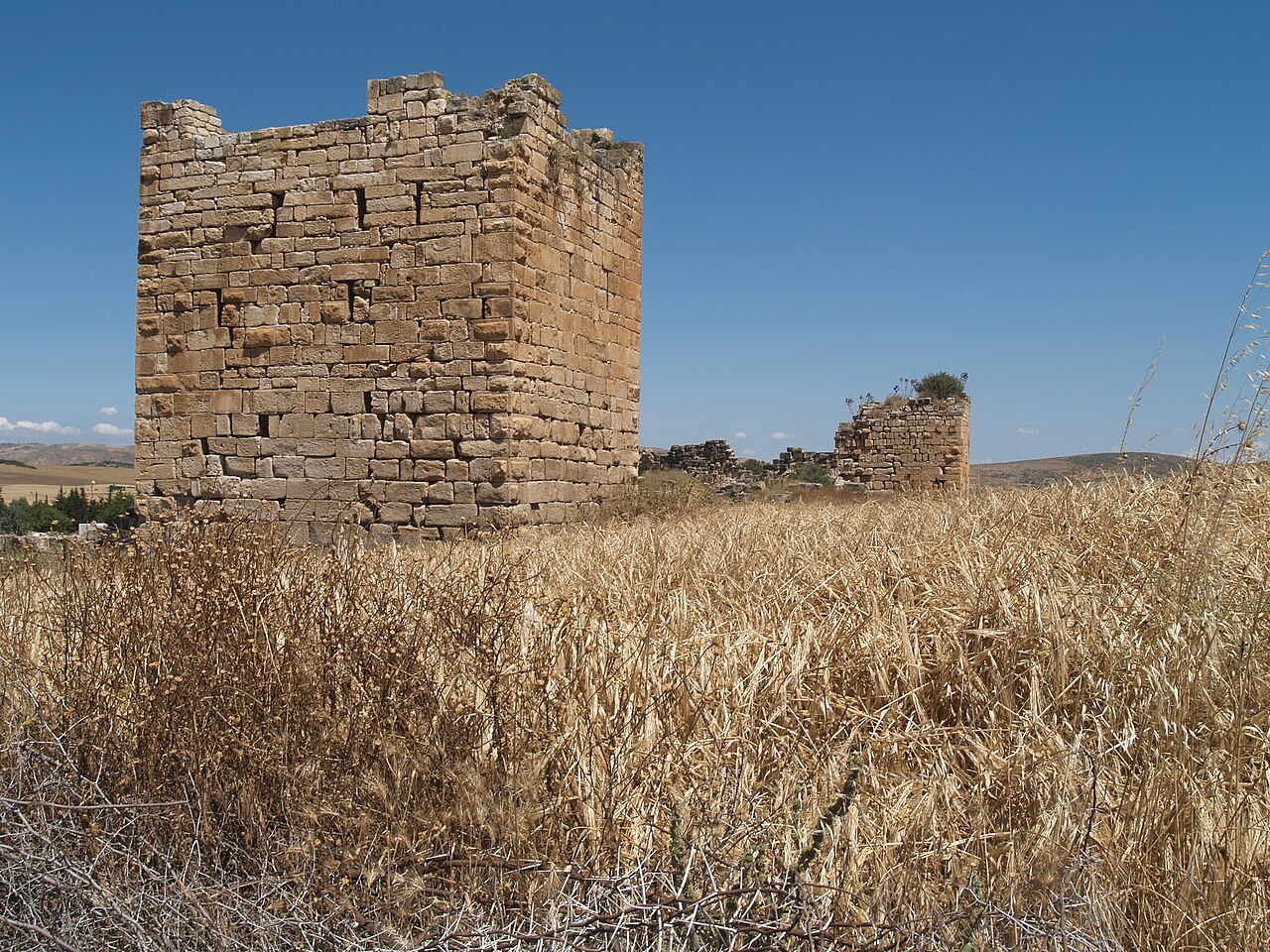
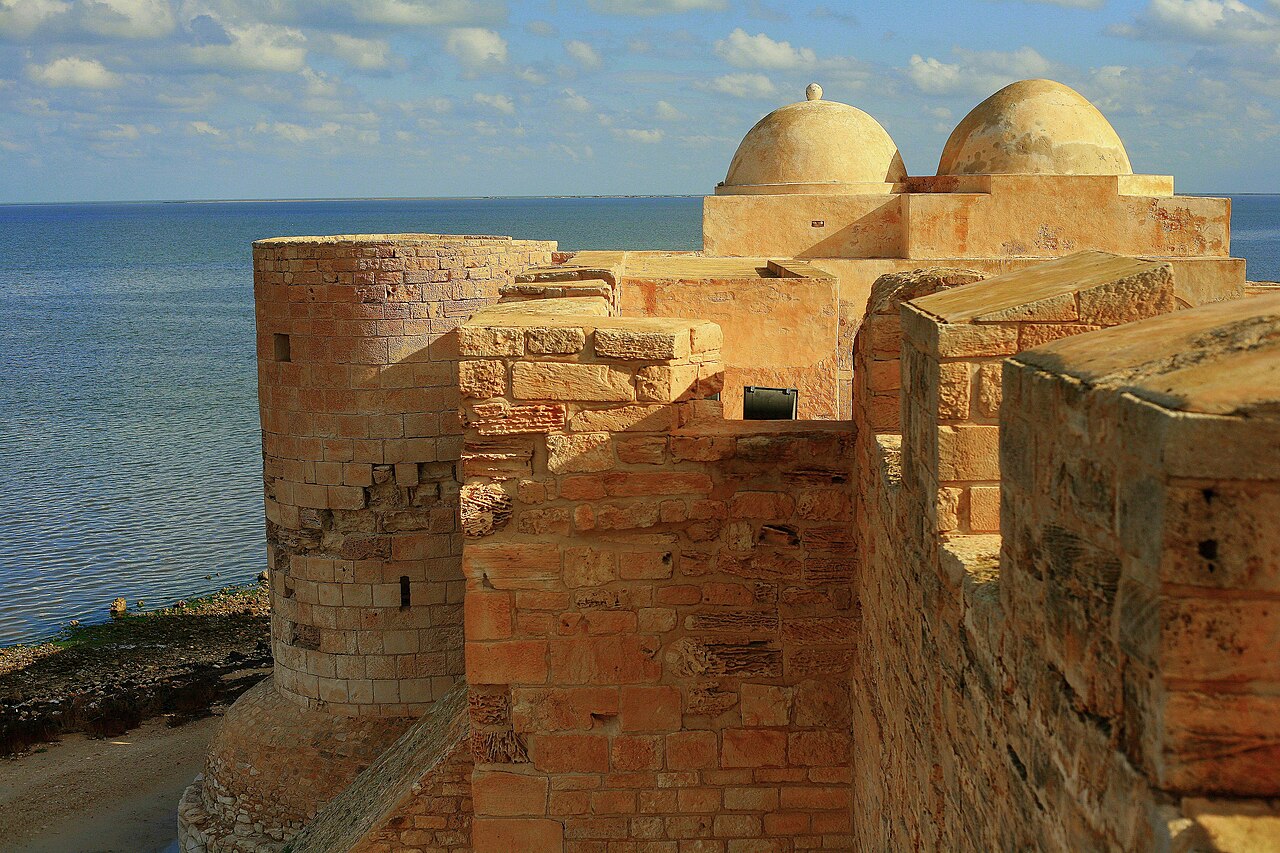
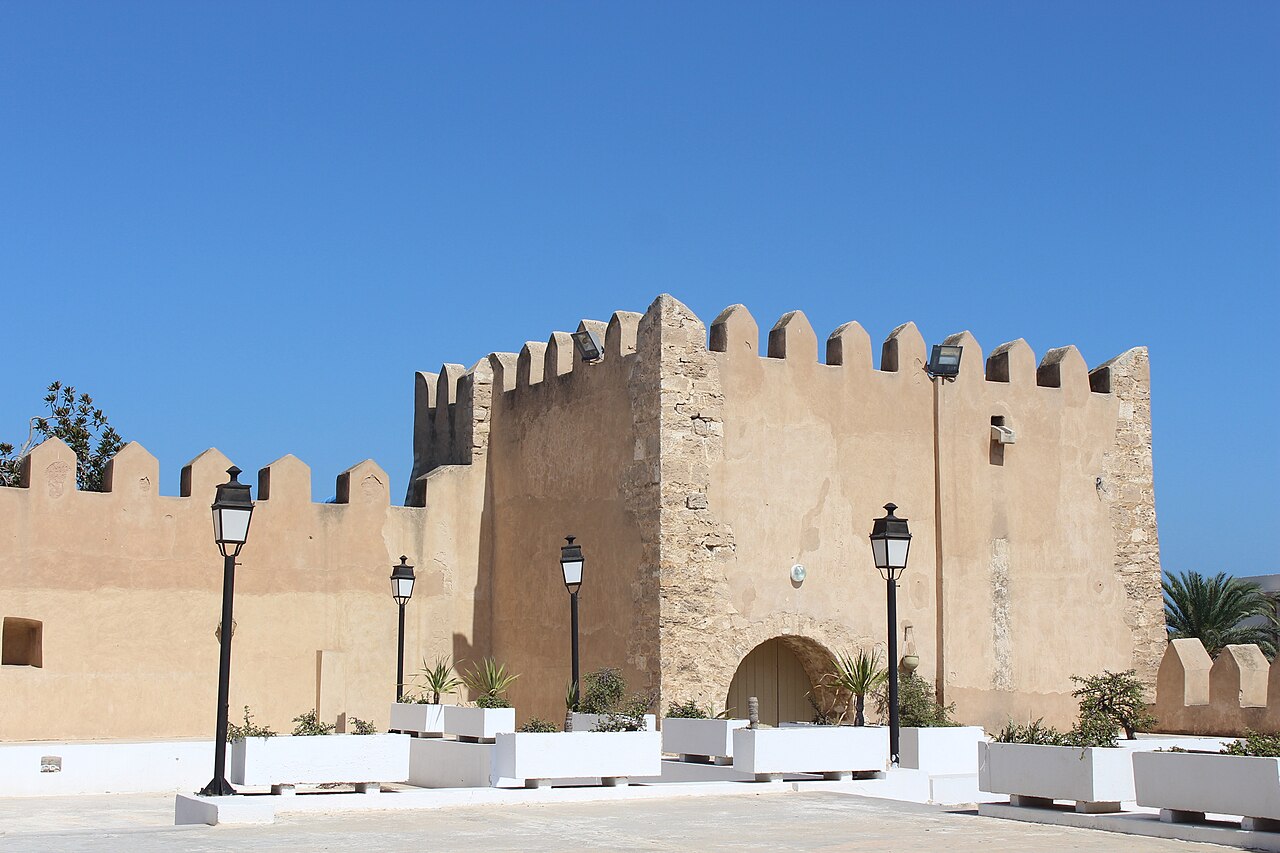
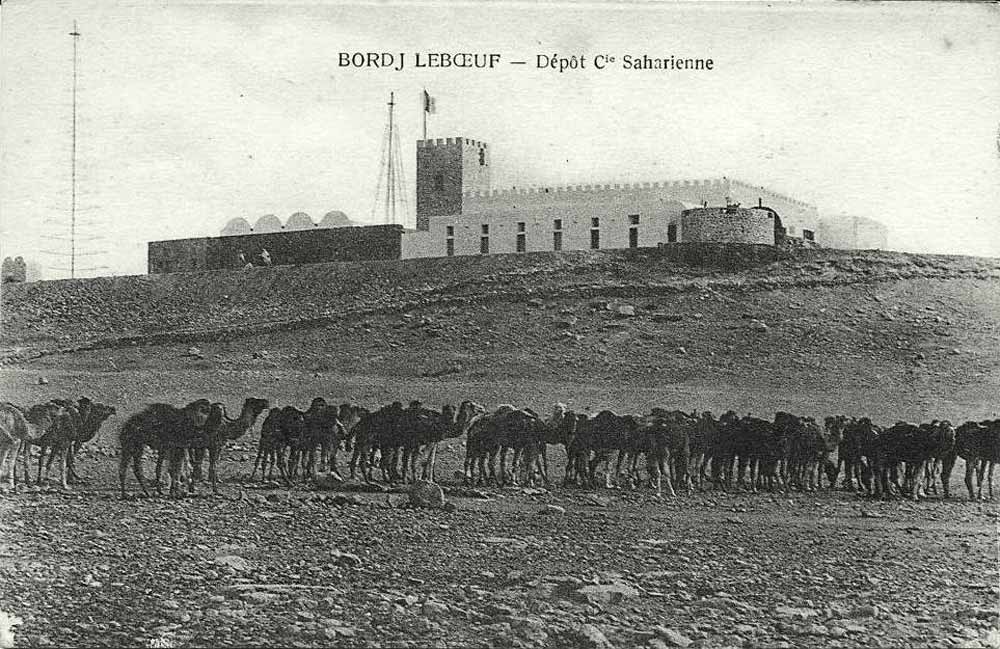
Types of fortifications in Tunisia
Tunisia boasts a diverse range of fortifications, including castles, fortresses, city walls, and watchtowers. These structures served various military and administrative purposes throughout history.
Castles and fortresses
Castles in Tunisia often functioned as both residences for rulers and defensive strongholds. The Kasbahs, a distinctive type of fortress, were common in many cities and served as military bases and administrative centers. For example, the Kasbah of Tunis is a notable fortress complex that protected the capital city and housed governing officials.
Fortresses such as the Ribat of Sousse and the Ribat of Monastir illustrate the religious and military duality of certain fortifications. These ribats were fortified monasteries built by Muslim warriors to defend the coastline against invasions and to serve as places of worship and refuge.
Defensive walls and city fortifications
Many Tunisian cities were surrounded by extensive defensive walls, often reinforced with towers and gates. The medinas of Tunis, Kairouan, and Sfax still retain remnants of their ancient walls, reflecting the importance of urban defense in medieval times. These walls were designed to withstand sieges and protect inhabitants from raids and invasions.
Watchtowers and coastal defenses
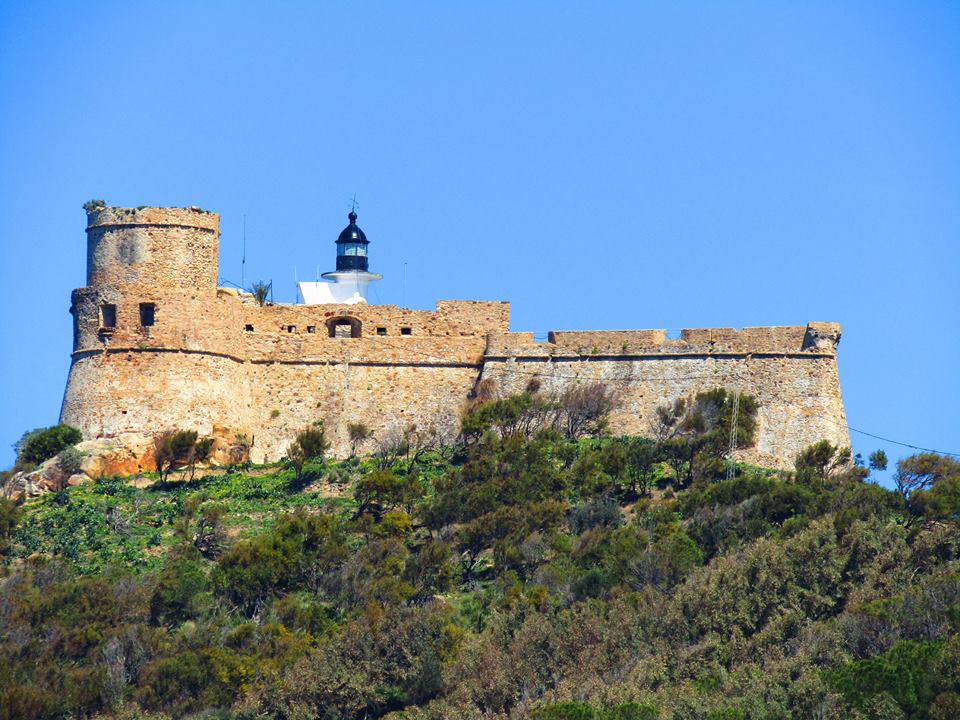
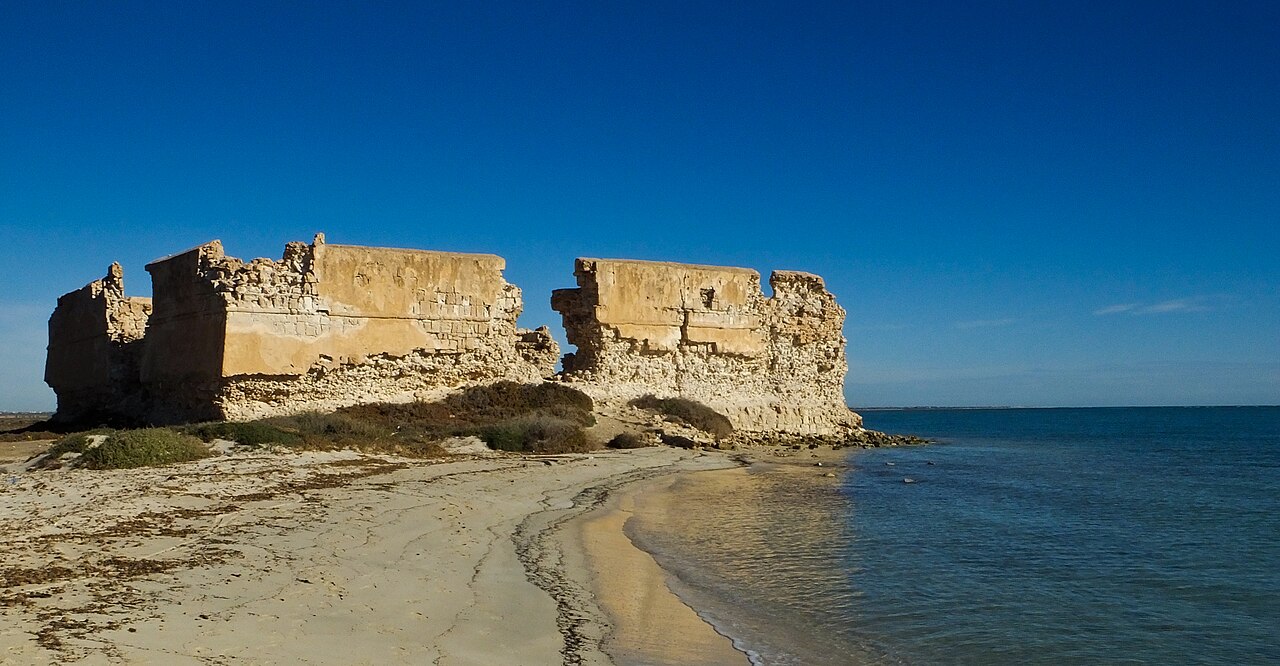
Given Tunisia’s lengthy coastline, numerous watchtowers were constructed to monitor maritime activities and provide early warnings against pirate attacks or naval invasions. Coastal fortifications worked in tandem with inland castles to create a defensive network across the region.
Architectural styles and influences
The architecture of Tunisian castles and fortifications is a testament to the region’s diverse cultural influences. Islamic, Berber, Andalusian, and Ottoman styles converge in the design and construction techniques of these structures.
Islamic and berber elements
Islamic architecture heavily influenced the design of fortifications, particularly in the use of decorative motifs, horseshoe arches, and geometric patterns. The integration of religious elements, such as prayer rooms within ribats, highlights the spiritual dimension of these structures.
Berber traditions also shaped the construction methods, especially in the use of local materials like stone and adobe. The ribats of Sousse and Monastir exemplify this blend, combining robust defensive features with elegant architectural details.
Andalusian and mediterranean influence
The arrival of Andalusian refugees after the Reconquista introduced new architectural ideas into Tunisia. The use of intricate tilework, courtyards, and ornamental plasterwork began to appear in some castles and palatial fortresses. Mediterranean styles, including influences from Italian and Spanish fortifications, also contributed to the evolution of Tunisian castle architecture, especially in coastal defenses.
Ottoman modifications
During the Ottoman period, many existing fortresses were renovated or expanded to accommodate new military technologies like cannons. Ottoman architectural elements, such as domed structures and elaborate entrance gates, were incorporated into Tunisian castles, creating a unique fusion of styles visible in places like the Kasbah of Tunis.
Regional variations in castle heritage
Tunisia’s varied geography and historical development led to notable regional differences in castle construction and style.
Northern tunisia
The northern regions, including the capital Tunis and surrounding areas, feature some of the most prominent kasbahs and urban fortifications. The Kasbah of Tunis exemplifies the elaborate city fortress with complex defensive walls and administrative buildings.
Central coastal region
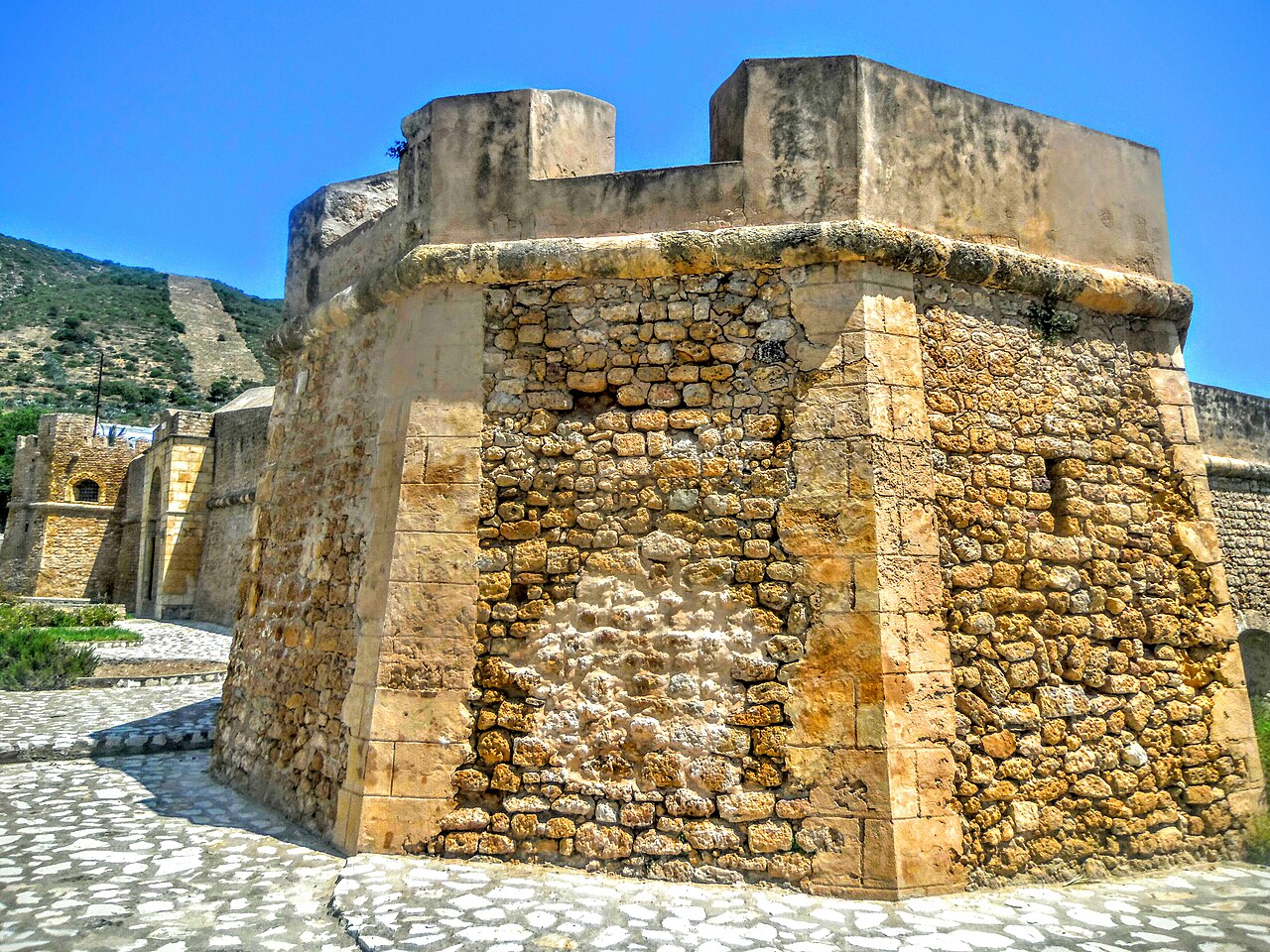
The central coastal area is renowned for its ribats, such as those in Sousse and Monastir. These structures are characterized by their dual religious and military function, strategic coastal locations, and distinctive architectural design with square towers and crenellated walls.
Southern tunisia
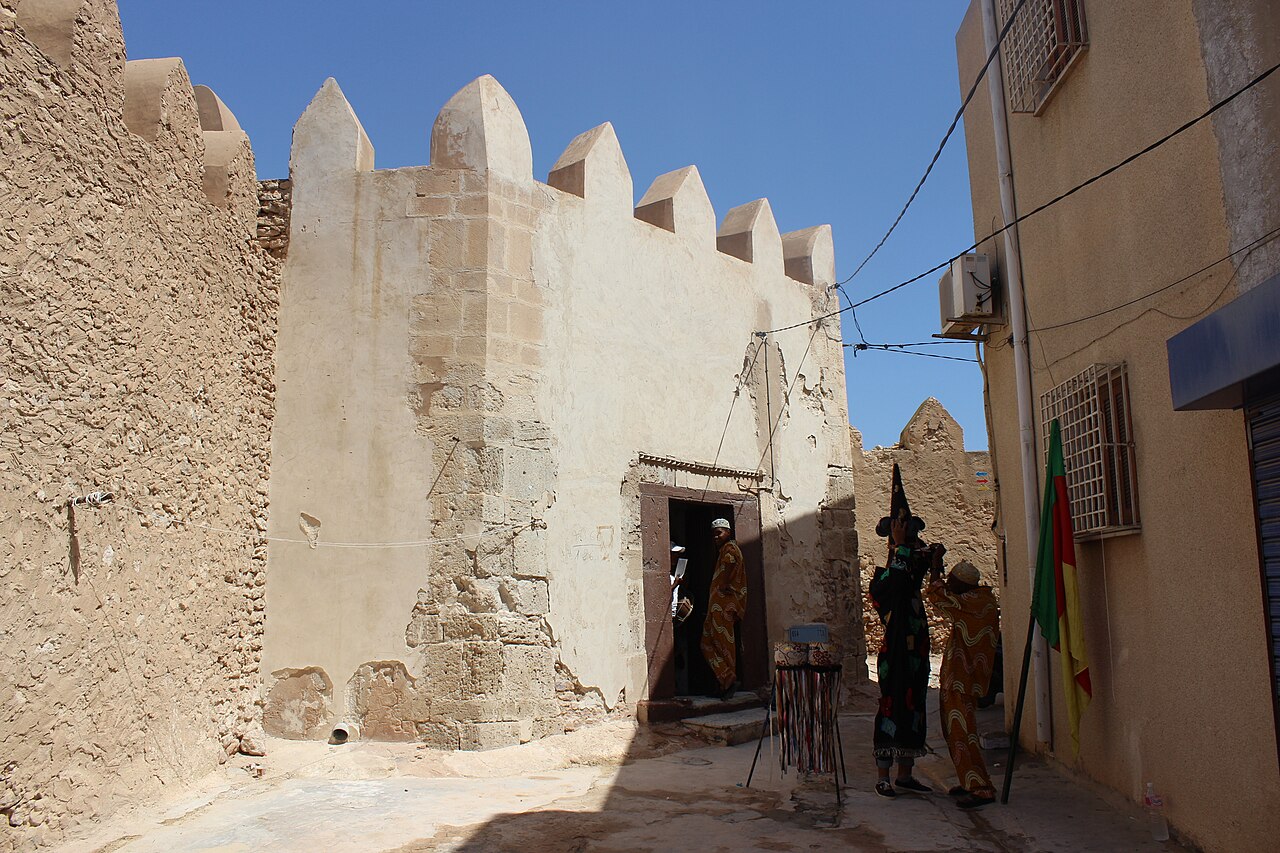
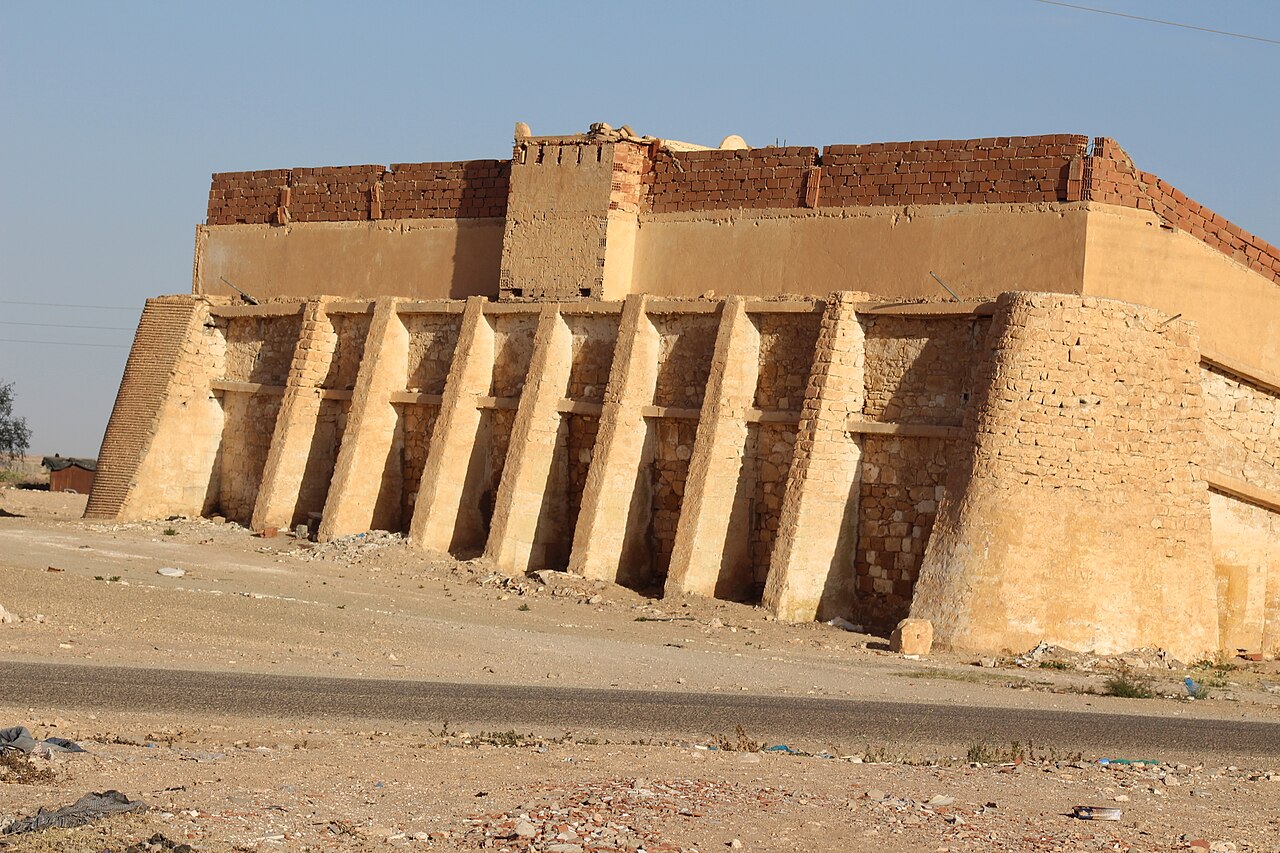
In the south, fortifications tend to be simpler but robust, often reflecting Berber traditions and adapted to desert conditions. These include fortified ksars (fortified villages) that served as refuges for local communities in more arid regions.
Notable periods of castle construction
Castle construction in Tunisia saw several key periods, each shaped by political and military circumstances.
The early islamic period (8th–11th centuries)
This era marked the establishment of the first major fortifications by the Aghlabids, including the earliest ribats. The focus was on securing the coastline and consolidating Islamic rule.
The hafsid dynasty (13th–16th centuries)
The Hafsid period was a golden age for castle building and urban fortifications. Many kasbahs and city walls were constructed or enhanced during this time, reflecting the dynasty’s desire to protect their realm and assert power.
The ottoman period (16th–19th centuries)
The arrival of Ottoman rule brought military modernization. Fortresses were upgraded to withstand artillery, and new architectural elements were introduced. The Kasbah of Tunis underwent significant Ottoman-era expansions, illustrating this trend.
Preservation and current state
Many of Tunisia’s castles and fortifications remain well-preserved, though their condition varies depending on location and historical significance. Some ribats and kasbahs have been restored and maintained as cultural monuments, while others face challenges from urban development and environmental factors.
Government initiatives and international cooperation have helped protect key sites such as the Ribat of Monastir, which is a popular destination for heritage tourism and archaeological study. Preservation efforts focus on maintaining structural integrity while allowing public access to these historic landmarks.
Castle tourism and accessibility
Tunisia’s castles and fortifications are important attractions for both domestic and international tourists. Sites like the Ribat of Sousse and the Kasbah of Tunis are accessible and include visitor facilities to enhance the experience.
Guided tours often highlight the architectural features and historical context of these castles, providing insight into Tunisia’s medieval heritage. Coastal fortresses especially draw visitors interested in the interplay between military history and Mediterranean culture.
Accessibility varies, with major sites well-connected by road and public transport, while some smaller or remote fortifications require more effort to reach. Nevertheless, castle tourism contributes significantly to the preservation and appreciation of Tunisia's historical heritage.
Cultural significance and heritage
Tunisia’s castles and fortifications represent more than military history; they embody the cultural identity and historical continuity of the region. These structures are symbols of resilience, governance, and artistic achievement across centuries.
They also serve as educational resources, enabling current and future generations to understand Tunisia’s complex past. The integration of castles into local traditions, festivals, and collective memory reinforces their role as living heritage.
Moreover, Tunisia’s fortifications connect it with broader Mediterranean and Islamic histories, highlighting the country’s unique position at the intersection of several cultural and historical currents.
Castles in Tunisia
Discover 12 magnificent castles across the country
Castle Locations in Tunisia
Explore all castle locations on an interactive map
Loading castle locations...