Borj Masouda
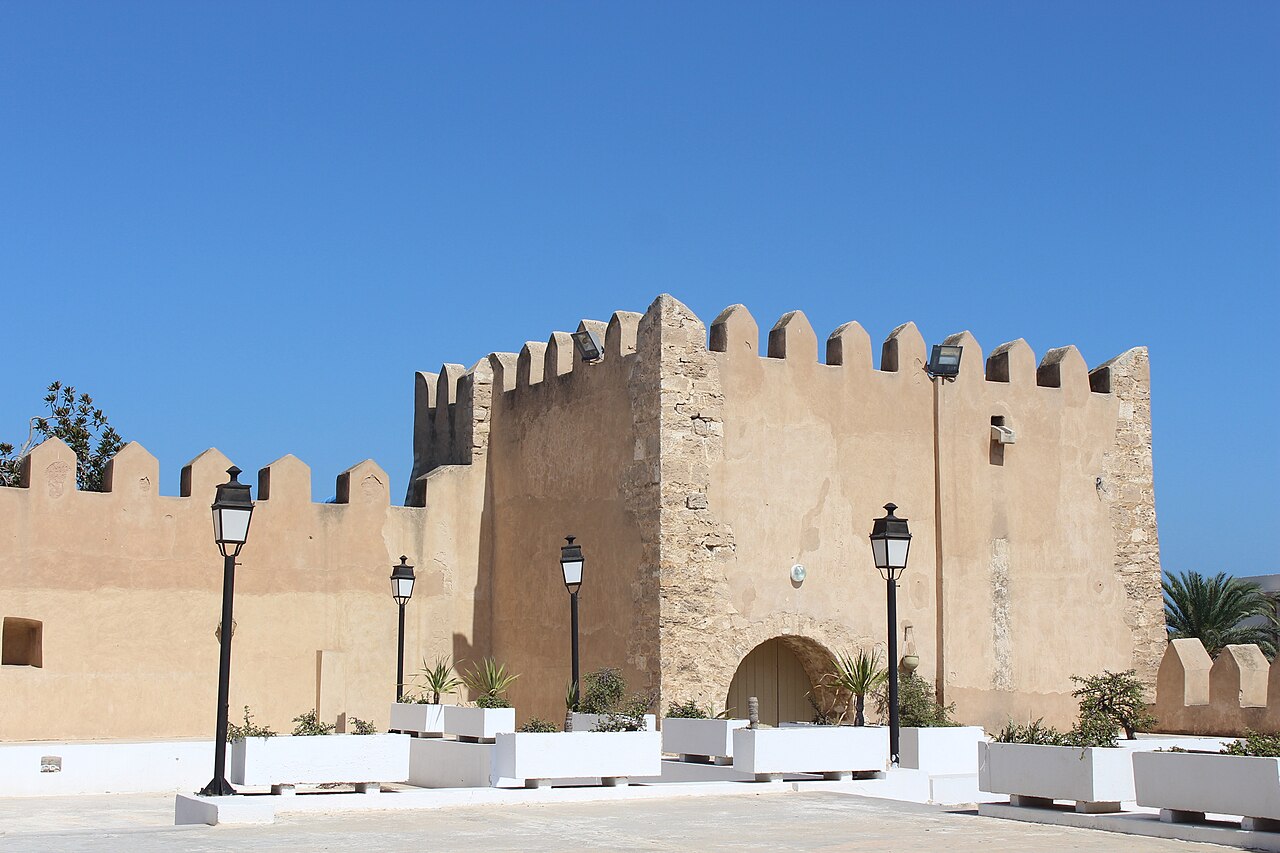
Borj Masouda, also known as Borj Lella Masouda Essamra, is a significant bastioned fortress located within the medina of Sfax, Tunisia. It is recognized as one of the four main fortifications that historically protected the city. The fortress's name, which translates to "Masouda Tower," reflects its defensive purpose as well as its cultural importance in the region.
Historical context and significance
The medina of Sfax, founded in the 9th century, developed as a vital trading and military center on the eastern coast of Tunisia. Borj Masouda was constructed as part of the city’s defensive system to safeguard against invasions and pirate raids, which were common threats in the Mediterranean region. The fortress played a crucial role in the city's military strategy, helping to control access to the medina and protect its inhabitants.
While the exact date of construction of Borj Masouda is not precisely documented, it is generally attributed to the period of the Hafsid dynasty (13th to 16th centuries), which was known for strengthening fortifications across Tunisia. The fortress reflects the military architectural trends of the late medieval period in North Africa, adapted to the local environment and defensive needs.
Architectural features
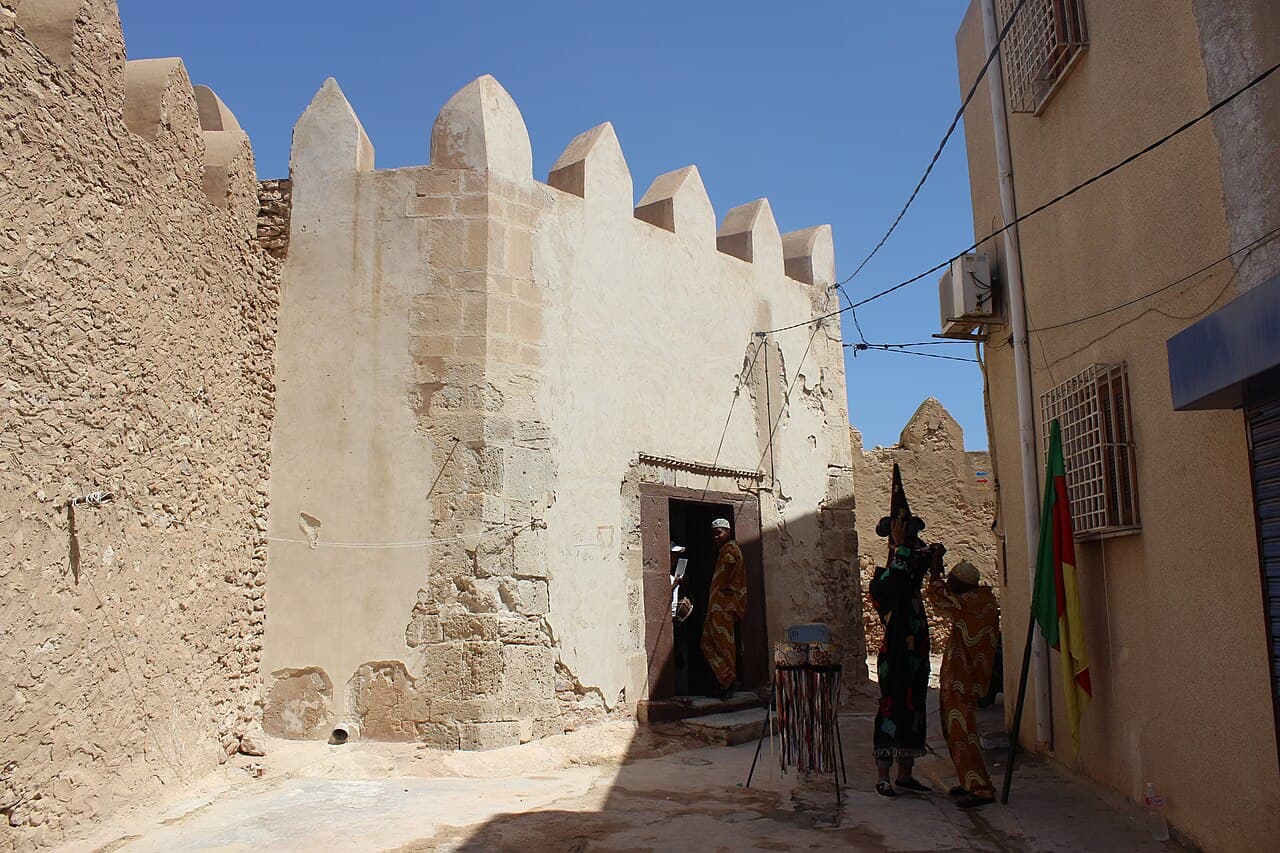
Borj Masouda exemplifies the characteristics of a bastioned fortress, a style that incorporates angular bastions projecting outward from the main walls. This design allowed defenders to cover adjacent walls with crossfire, eliminating blind spots and enhancing the fortress's defensive capabilities against artillery and siege tactics.
The fortress is constructed primarily from local stone and features thick walls designed to withstand bombardment. Its bastions are robust and angular, typical of military architecture developed in response to the introduction of gunpowder weaponry. The structure includes narrow windows and embrasures for archers and later for firearms.
Inside the fortress, there would have been spaces allocated for garrison quarters, storage of arms and provisions, and possibly a small chapel or prayer area, reflecting the multifunctional nature of such military installations. The layout is compact, optimized for defense and rapid troop movement.
Role within the medina of Sfax
As one of the four main fortifications, Borj Masouda worked in concert with other towers and walls to create a comprehensive defensive network around the medina. The medina itself is a UNESCO World Heritage candidate, notable for its well-preserved urban fabric and fortifications.
The fortress helped regulate entry points into the city, serving both military and administrative functions. Its presence was a deterrent to potential attackers and a symbol of the city's resilience and strategic importance in the region.
Current condition and preservation
Today, Borj Masouda remains a notable historical monument within Sfax. The fortress is partially preserved, with some sections restored or maintained to highlight its architectural and historical value. It stands as a testament to the city's medieval military heritage and attracts visitors interested in Tunisia's fortification history.
Efforts have been made to conserve the structure, although challenges remain due to urban development pressures and environmental factors. The fortress is accessible to the public, often included in guided tours of the medina, allowing visitors to appreciate its defensive design and historical context.
Architectural and cultural legacy
Borj Masouda embodies the adaptation of medieval military architecture to the specific needs of a North African coastal city. Its bastioned design reflects the evolution of fortifications in response to changing warfare technology, particularly the use of gunpowder and artillery.
The fortress is also a cultural landmark, connected to the local heritage and identity of Sfax. It represents the city's historical role as a fortified trading hub and its strategic importance in the Mediterranean world.
Visitors to Borj Masouda gain insight not only into military architecture but also into the broader historical narrative of Sfax and Tunisia. The fortress remains a powerful symbol of the city's endurance and historical significance.
Frequently asked questions (FAQ)
- What is the historical significance of Borj Masouda?
- Borj Masouda is one of the four main fortifications of the medina of Sfax, built to protect the city from invasions and pirate raids during the late medieval period.
- Can visitors tour Borj Masouda?
- Yes, Borj Masouda is accessible to the public and often included in guided tours of the medina of Sfax, allowing visitors to explore its defensive architecture.
- What architectural style characterizes Borj Masouda?
- Borj Masouda is a bastioned fortress featuring angular bastions designed to improve defense against artillery, typical of late medieval military architecture in North Africa.
- Where is Borj Masouda located?
- Borj Masouda is located within the medina of Sfax, a historic city on the eastern coast of Tunisia.
- What is the current condition of Borj Masouda?
- The fortress is partially preserved, with some restoration efforts to maintain its historical and architectural significance.
Photo gallery

Information
Loading map...
Visitor reviews
No reviews yet. Been here? Write the first review and help other travelers!
Write the first reviewVisited this castle? Share your experience
Your review helps other travelers and adds first-hand knowledge to our encyclopedia.