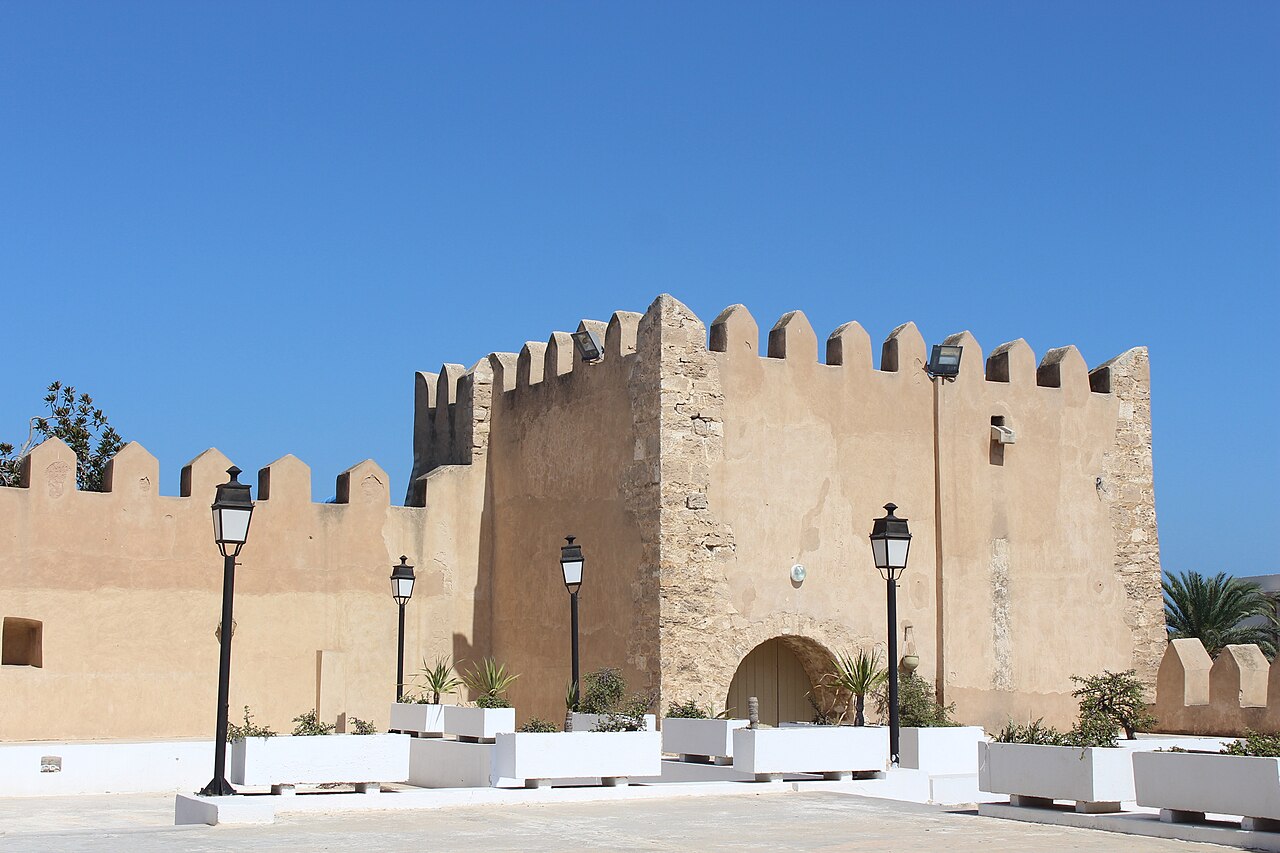
Bordj El Hassar is a significant example of a bastioned fortress located in Tunisia. This fortress exemplifies the military architectural advances that were prominent in the region, particularly during the era when fortifications evolved to counter artillery and cannon fire. The design of Bordj El Hassar reflects the principles of bastion fortifications, which include angular bastions projecting outward from the main walls, allowing defenders to cover adjacent walls with defensive fire.
Historical context and strategic importance
The fortress was constructed during a period when coastal and inland fortifications in North Africa were essential for controlling trade routes and defending against invasions. Tunisia's location along the Mediterranean made it a crossroads for various empires and powers, including the Ottoman Empire and European colonial forces. Bordj El Hassar’s placement was strategic, intended to oversee and protect key approaches and to serve as a military stronghold in the region.
Architectural features of Bordj El Hassar
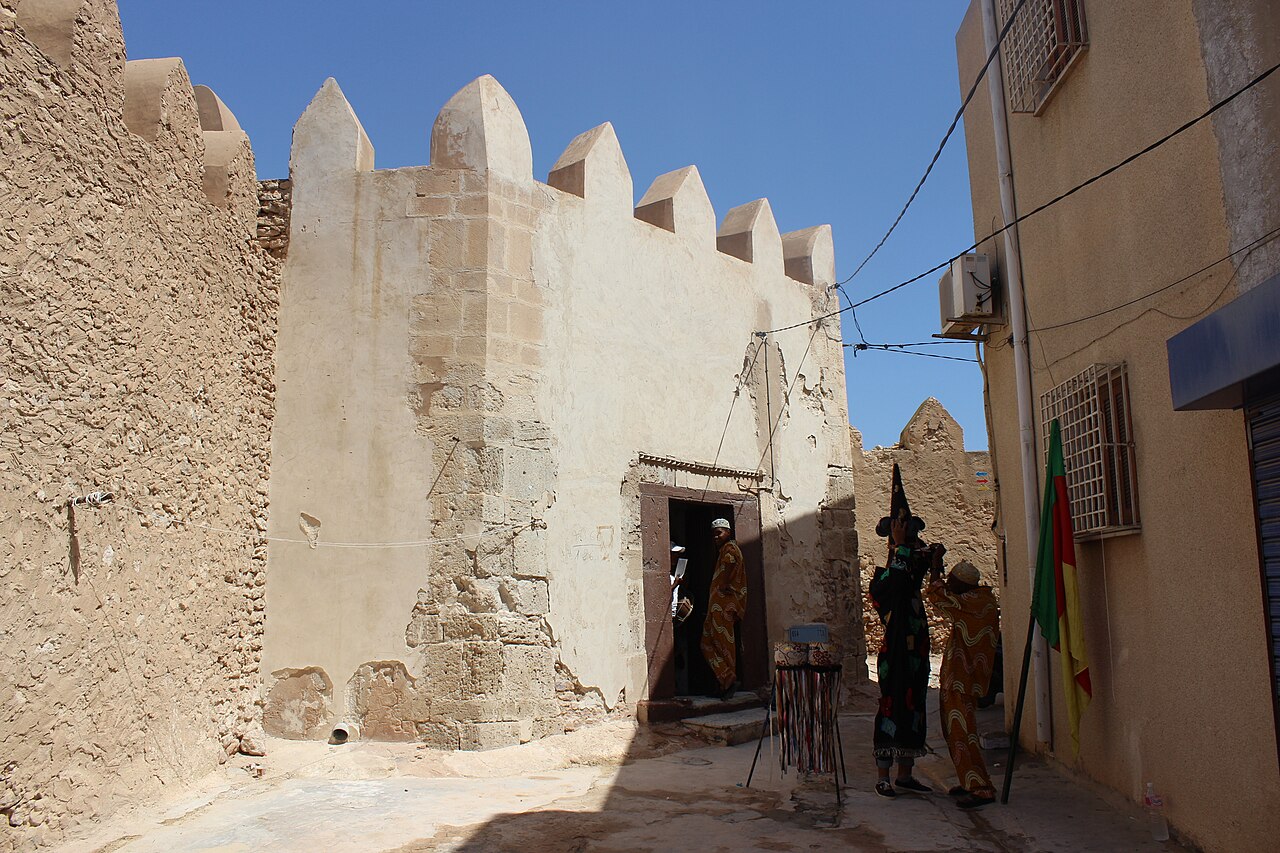
The fortress is characterized by its bastioned walls, which are designed to withstand and repel artillery attacks. These bastions are typically angular and protrude from the curtain walls, providing overlapping fields of fire. The walls themselves are thick and robust, constructed from local stone and masonry materials suited to resist bombardment.
Inside the fortress, there would have been various functional spaces such as casemates for housing troops and storing ammunition, command posts, and possibly cisterns for water storage, essential for withstanding sieges. The layout would have been planned to facilitate defense and the rapid movement of soldiers and supplies.
Defensive systems and artillery placements
Bordj El Hassar’s bastions were designed to accommodate heavy artillery pieces, which were crucial for both offensive and defensive operations. The positioning of these artillery platforms enabled defenders to cover all angles of approach, minimizing blind spots and enhancing the fortress’s defensive capabilities.
Role in regional history
Throughout its history, Bordj El Hassar played a role in the military and political struggles in Tunisia. Its presence helped secure territories and maintain control over important routes. While specific battles or sieges involving the fortress are less documented, its architectural style and fortification type link it to the broader history of Mediterranean military architecture during the early modern period.
Current condition and cultural significance
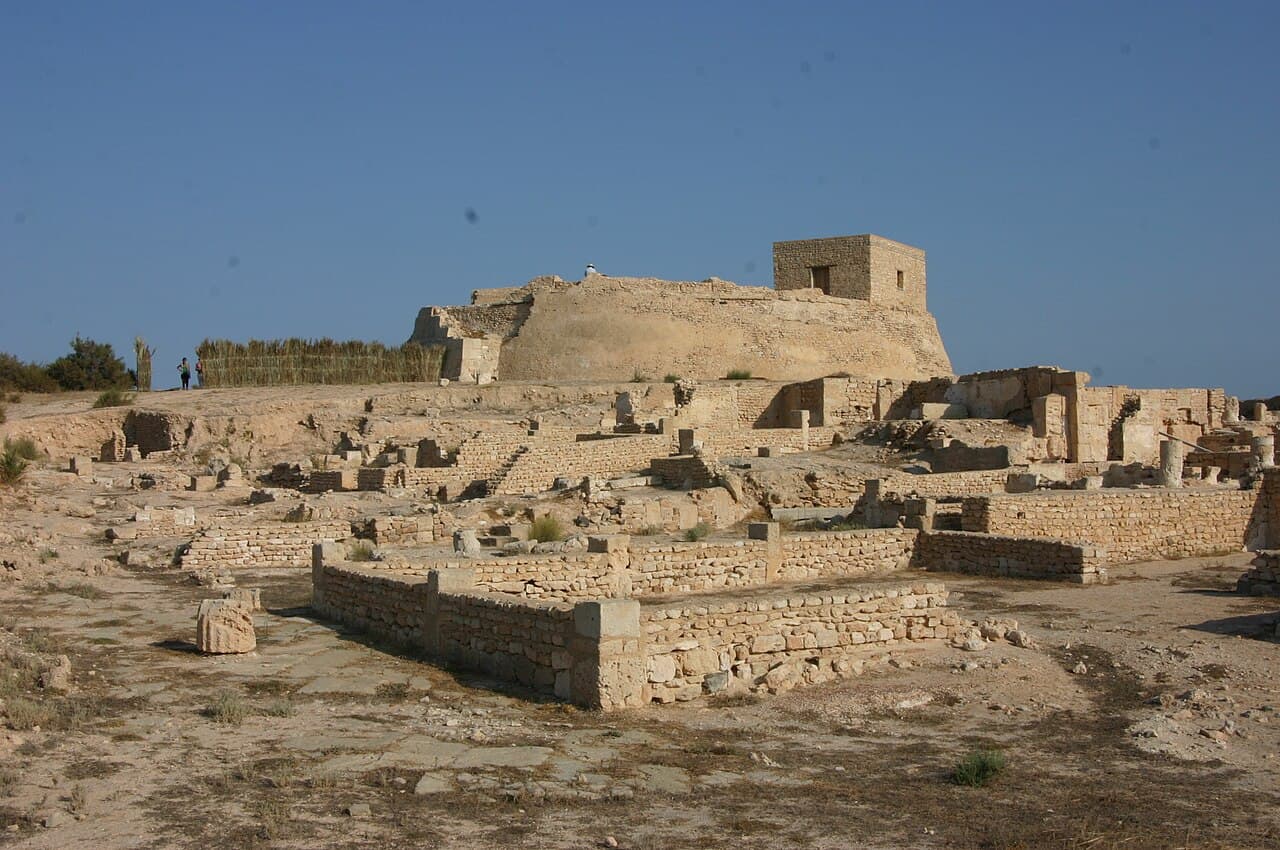
Today, Bordj El Hassar stands as a testament to the military engineering techniques employed in Tunisia. The fortress’s condition may vary, but it remains an important cultural and historical site, reflecting the region’s strategic military past. Preservation efforts, if any, focus on maintaining the structural integrity of the bastions and walls to allow for continued study and appreciation.
Visiting and accessibility
Visitors interested in military architecture and North African history find Bordj El Hassar an intriguing site. While it may not be as widely known as some other fortresses, it offers insights into the defensive strategies used in Tunisia. Access and facilities might be limited, so visitors should prepare accordingly.
Frequently asked questions (FAQ)
- What is Bordj El Hassar?
- Bordj El Hassar is a bastioned fortress located in Tunisia, known for its military architectural design that includes angular bastions for defense.
- What architectural style does Bordj El Hassar represent?
- The fortress exemplifies bastioned fortification design, characterized by thick walls and angular bastions to resist artillery attacks.
- Can I visit Bordj El Hassar?
- Yes, visitors interested in historical military architecture can visit Bordj El Hassar, though facilities and access may be limited.
- Why was Bastioned fortress design important?
- Bastioned fortress design allowed defenders to cover all approaches with overlapping fields of fire, improving defense against artillery and sieges.
Photo gallery

Photo by No machine-readable author provided. Elcèd77 assumed (based on copyright claims).•CC BY-SA 3.0
Information
Loading map...
Visitor reviews
No reviews yet. Been here? Write the first review and help other travelers!
Write the first reviewVisited this castle? Share your experience
Your review helps other travelers and adds first-hand knowledge to our encyclopedia.