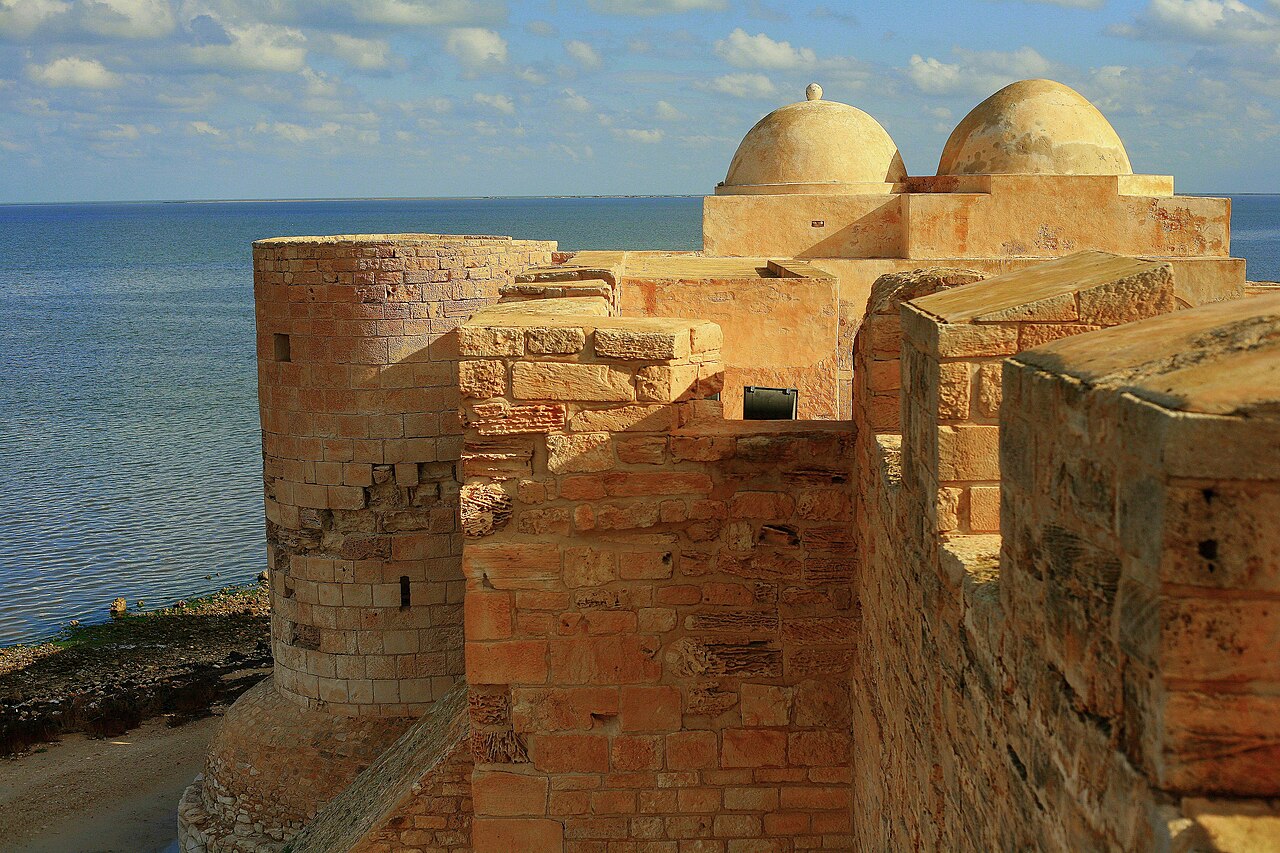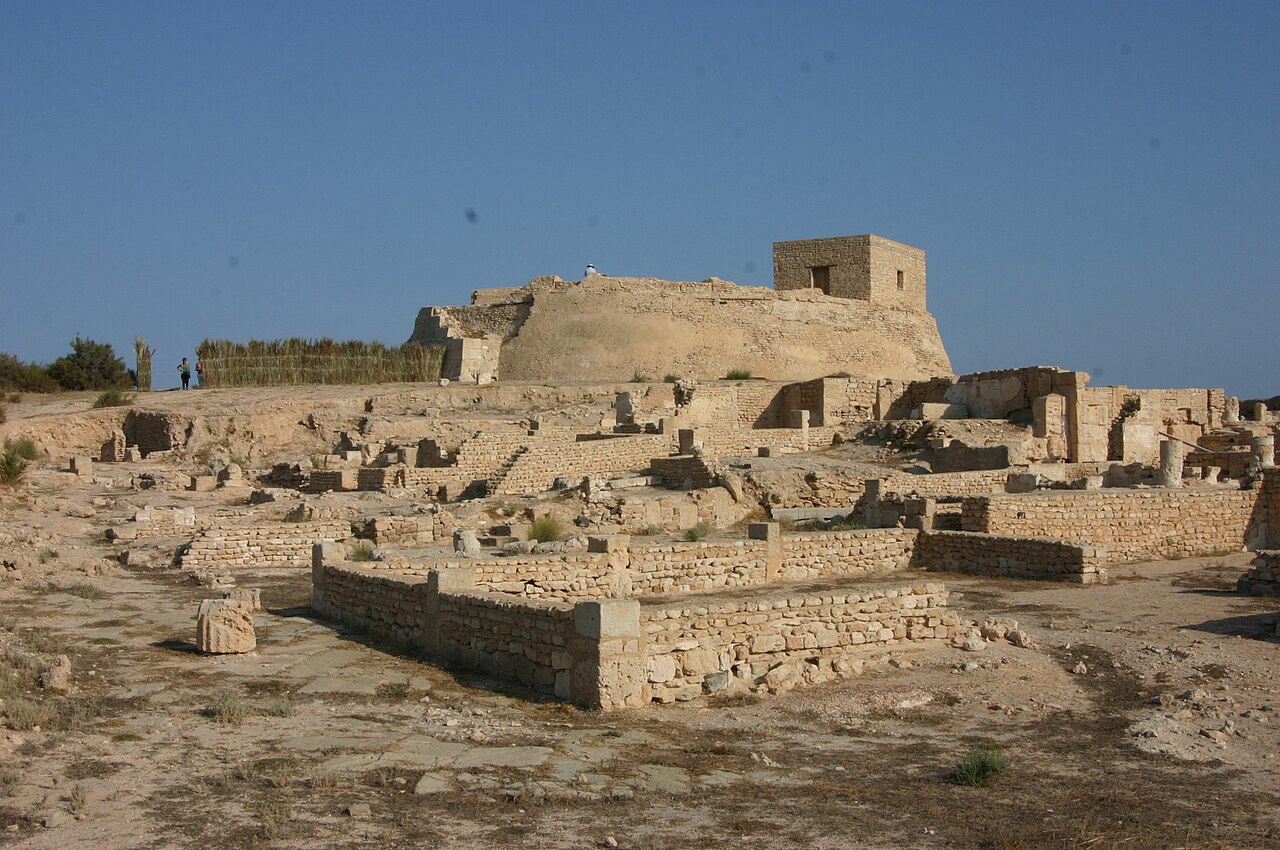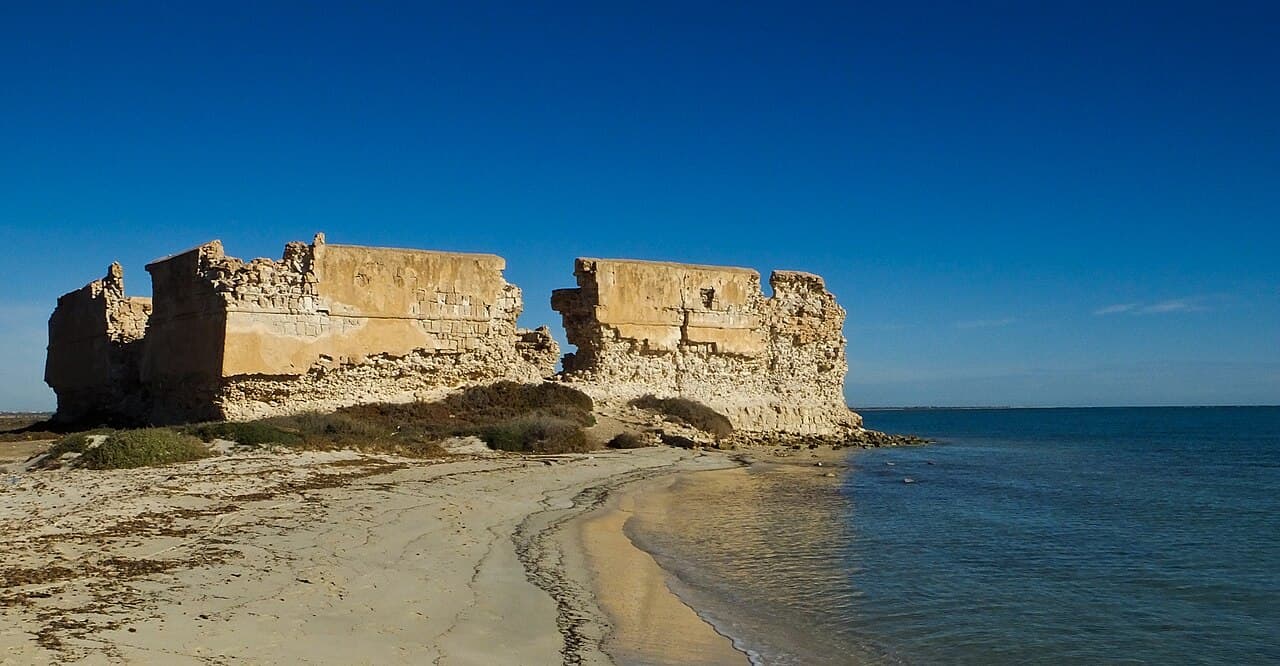
Borj El Kastil is a prominent bastioned fortress located in Tunisia, representing a significant example of military architecture in the region. Although the exact city of its location remains unspecified, the fortress stands as a testament to the strategic defensive constructions that were prevalent in North Africa during periods of conflict and territorial control.
Historical context and strategic importance
The fortress was likely constructed during a period when coastal and inland fortifications were essential for controlling trade routes and protecting territories from invasions. In Tunisia, bastioned fortresses were typically built between the 16th and 18th centuries, coinciding with the era of Ottoman influence and European colonial interests in the Mediterranean basin. These fortresses were designed to withstand artillery attacks and served as military strongholds to secure key locations.
Architectural features of Borj El Kastil
Borj El Kastil exemplifies the bastioned fortress type, characterized by angular bastions projecting from the main walls to provide overlapping fields of fire. This design was a response to the evolution of gunpowder artillery and aimed to eliminate blind spots around the fortress walls.
The fortress likely includes thick stone walls, bastions at the corners, and possibly a surrounding ditch or moat to hinder enemy approach. The bastions would have been equipped with cannon emplacements, allowing defenders to cover the approaches effectively.
Typical bastioned fortresses also feature a central courtyard, barracks, storage rooms, and command quarters within their walls. While specific details about Borj El Kastil's internal layout are scarce, it would have conformed to these general principles to serve its defensive role.
Military and cultural significance
As a bastioned fortress, Borj El Kastil played a critical role in the defense system of Tunisia, especially during periods of external threats from European powers and internal conflicts. Its construction reflects the adaptation of European military architectural principles in North African contexts, blending local materials and techniques with the demands of modern warfare of its time.
The fortress not only served military purposes but also acted as a symbol of authority and control over the surrounding region. Its imposing structure would have been a deterrent against potential aggressors and a base for projecting power.
Current condition and preservation
The current physical condition of Borj El Kastil is not extensively documented, but bastioned fortresses in Tunisia often exist in various states ranging from well-preserved to ruins. Preservation efforts depend on local authorities and historical interest. Given the strategic and architectural value of such fortifications, Borj El Kastil may be subject to conservation initiatives to maintain its structural integrity and historical legacy.
Visiting Borj El Kastil
Visitors interested in military architecture and Tunisian history may find Borj El Kastil a valuable site to explore. Access details, opening hours, and ticketing information are not widely published, suggesting limited tourism infrastructure. Prospective visitors should seek local guidance or contact Tunisian heritage organizations for updated information.
Architectural comparison
Borj El Kastil shares characteristics with other Mediterranean bastioned fortresses, such as those found in Malta, Sicily, and along the North African coast. The adaptation of the bastioned design in Tunisia reflects the cross-cultural exchange of military technologies and the strategic importance of the region during the early modern period.
Legacy and historical research
Ongoing archaeological and historical research may shed more light on Borj El Kastil's origins, construction phases, and role in regional history. Its study contributes to understanding the evolution of fortification architecture and the geopolitical dynamics of Tunisia.
Frequently asked questions (FAQ)
- What is Borj El Kastil?
- Borj El Kastil is a bastioned fortress located in Tunisia, known for its military architectural design and historical role in regional defense.
- When was Borj El Kastil likely built?
- While the exact construction date is unknown, Borj El Kastil was likely built between the 16th and 18th centuries during the period of Ottoman influence in Tunisia.
- What architectural features define a bastioned fortress like Borj El Kastil?
- Bastioned fortresses feature angular bastions projecting from the walls to provide overlapping fields of fire, thick stone walls, and defensive structures designed to resist artillery attacks.
- Can visitors tour Borj El Kastil?
- Information on visiting Borj El Kastil is limited, and there may be no established tourism infrastructure. Visitors should seek local advice or contact heritage organizations for access details.
- Why were bastioned fortresses important in Tunisia?
- Bastioned fortresses were crucial for defending key locations against European colonial powers and other threats, reflecting advances in military architecture during the early modern period.
Photo gallery

Information
Loading map...
Visitor reviews
No reviews yet. Been here? Write the first review and help other travelers!
Write the first reviewVisited this castle? Share your experience
Your review helps other travelers and adds first-hand knowledge to our encyclopedia.