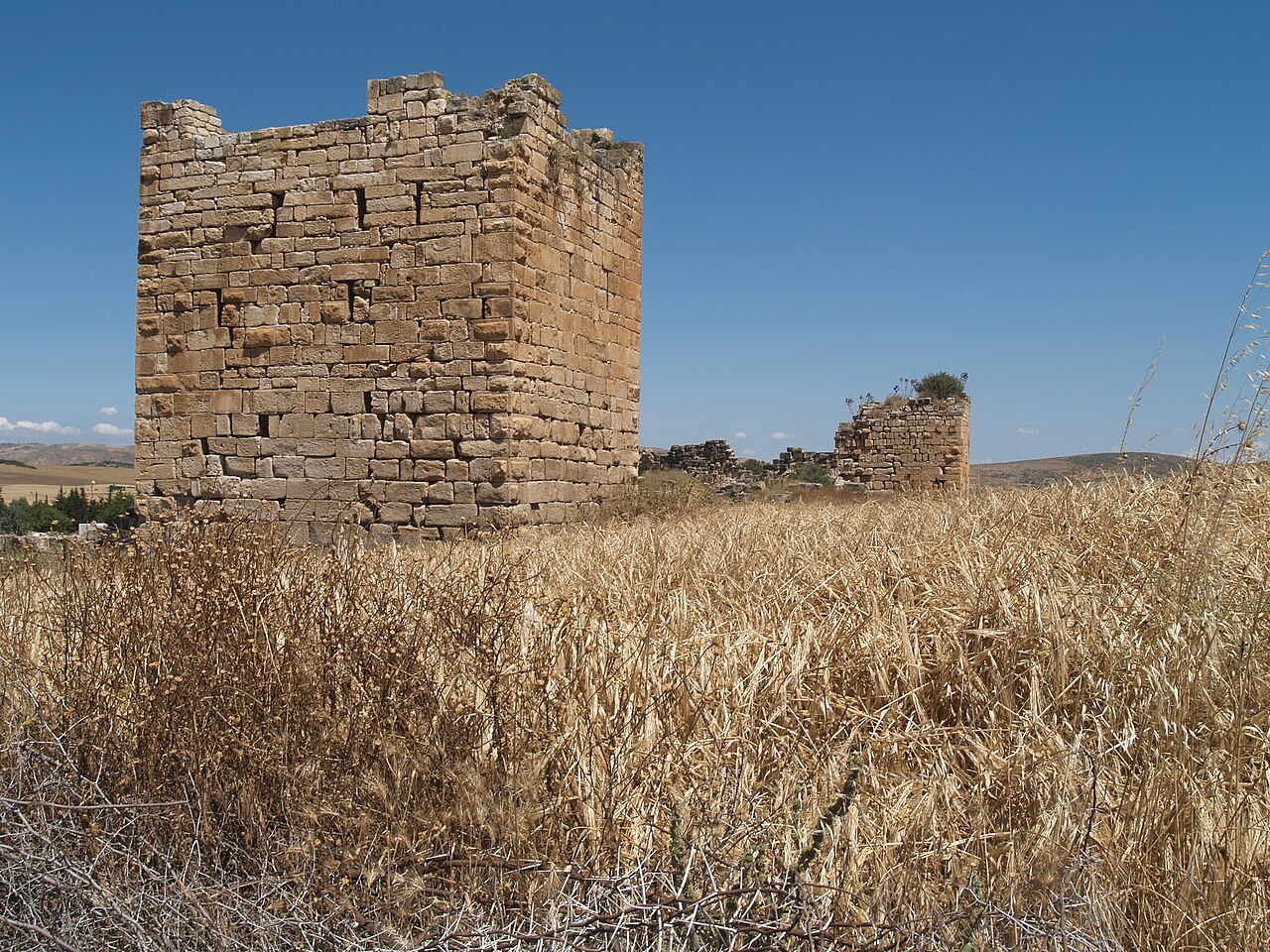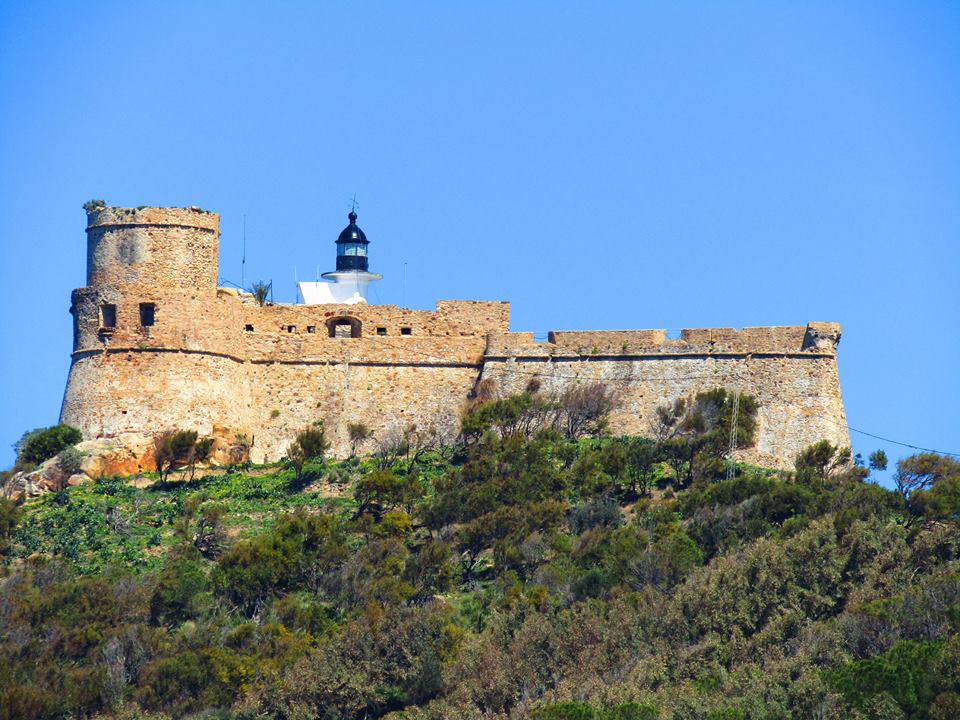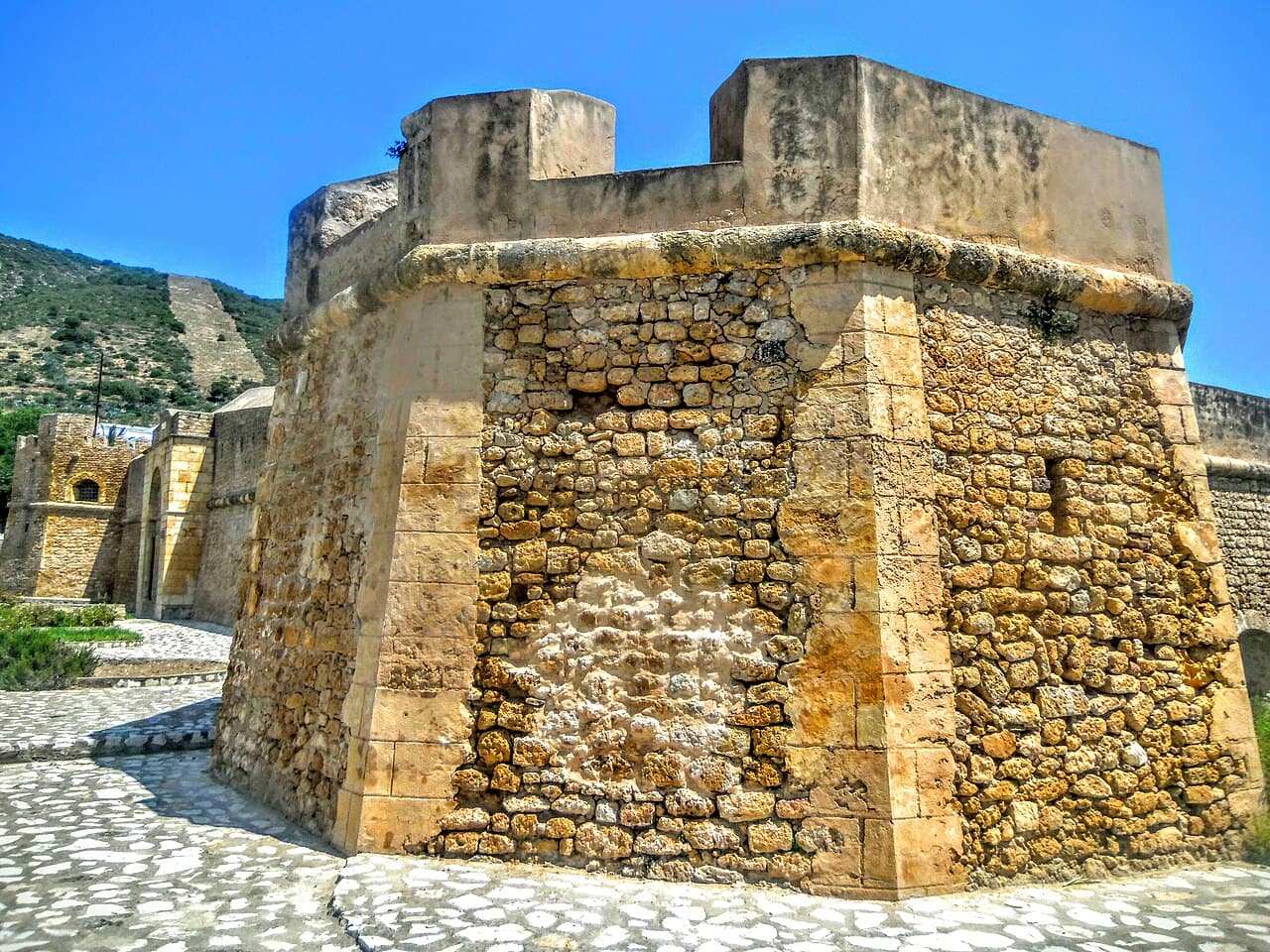
Sidi Ali El Mekki Fort is a historic bastioned fortress located in Tunisia, representing a significant example of military architecture from the period of its construction. While the exact city location is not specified, this fort is recognized for its strategic design and defensive features typical of bastioned fortresses.
Architectural design and structure
The fort is characterized by its bastioned layout, a style developed to enhance defense against artillery attacks. This design includes angular bastions projecting outward from the main walls, allowing defenders to cover adjacent walls with crossfire and reducing blind spots. The walls are typically thick and robust, constructed to withstand cannon fire and sieges.
The fort likely includes curtain walls connecting the bastions, along with a ditch or moat surrounding the perimeter to impede attackers. The entrance would have been fortified with gates and possibly a drawbridge, enhancing security. Inside, the fort may have housed casemates for troops, storage rooms for ammunition and supplies, and living quarters.
Historical context and significance
The bastioned fortress style was prominent from the 16th century onward, reflecting advances in military technology and the need to defend coastal and inland positions against increasingly powerful artillery. Tunisia's strategic location in the Mediterranean made such forts critical for controlling trade routes and defending against naval threats.
Sidi Ali El Mekki Fort would have played a role in regional defense, possibly during periods of Ottoman influence or later colonial conflicts. Its construction reflects the adaptation of European military architectural principles in North Africa, blending local needs with international defensive strategies.
Preservation and current status
The current condition of Sidi Ali El Mekki Fort is not thoroughly documented, but bastioned fortresses in Tunisia often survive as well-preserved or partially restored sites. These forts serve as cultural heritage landmarks, attracting visitors interested in military history and architecture.
Efforts to maintain such structures typically focus on preserving the distinctive bastions, walls, and internal chambers, ensuring their historical integrity while accommodating tourism and educational activities.
Visiting and cultural importance
Though specific visitor information for Sidi Ali El Mekki Fort is unavailable, bastioned fortresses in Tunisia generally offer insights into the region's military past and architectural evolution. Visitors can explore the fort's defensive features and appreciate its role in the broader history of Mediterranean fortifications.
The fort contributes to Tunisia's rich tapestry of historical sites, reflecting the complex interactions between local and foreign powers over centuries.
Frequently asked questions (FAQ)
- What is the architectural style of Sidi Ali El Mekki Fort?
- Sidi Ali El Mekki Fort is designed as a bastioned fortress, a style developed to improve defense against artillery with angular bastions and thick walls.
- When was Sidi Ali El Mekki Fort likely constructed?
- While the exact date is unknown, bastioned fortresses were common from the 16th century onward, reflecting advancements in military technology.
- Can I visit Sidi Ali El Mekki Fort?
- Specific visiting information is not widely available, but such forts in Tunisia are often accessible to tourists interested in military history and architecture.
- Why were bastioned fortresses important in Tunisia?
- Due to Tunisia's strategic Mediterranean location, bastioned fortresses were crucial for defending trade routes and coastal areas against naval and land attacks.
- What features can I expect to see at Sidi Ali El Mekki Fort?
- Visitors can expect to see angular bastions, thick curtain walls, possible moats, fortified gates, and internal chambers such as casemates and storage rooms.
Photo gallery

Information
Loading map...
Visitor reviews
No reviews yet. Been here? Write the first review and help other travelers!
Write the first reviewVisited this castle? Share your experience
Your review helps other travelers and adds first-hand knowledge to our encyclopedia.