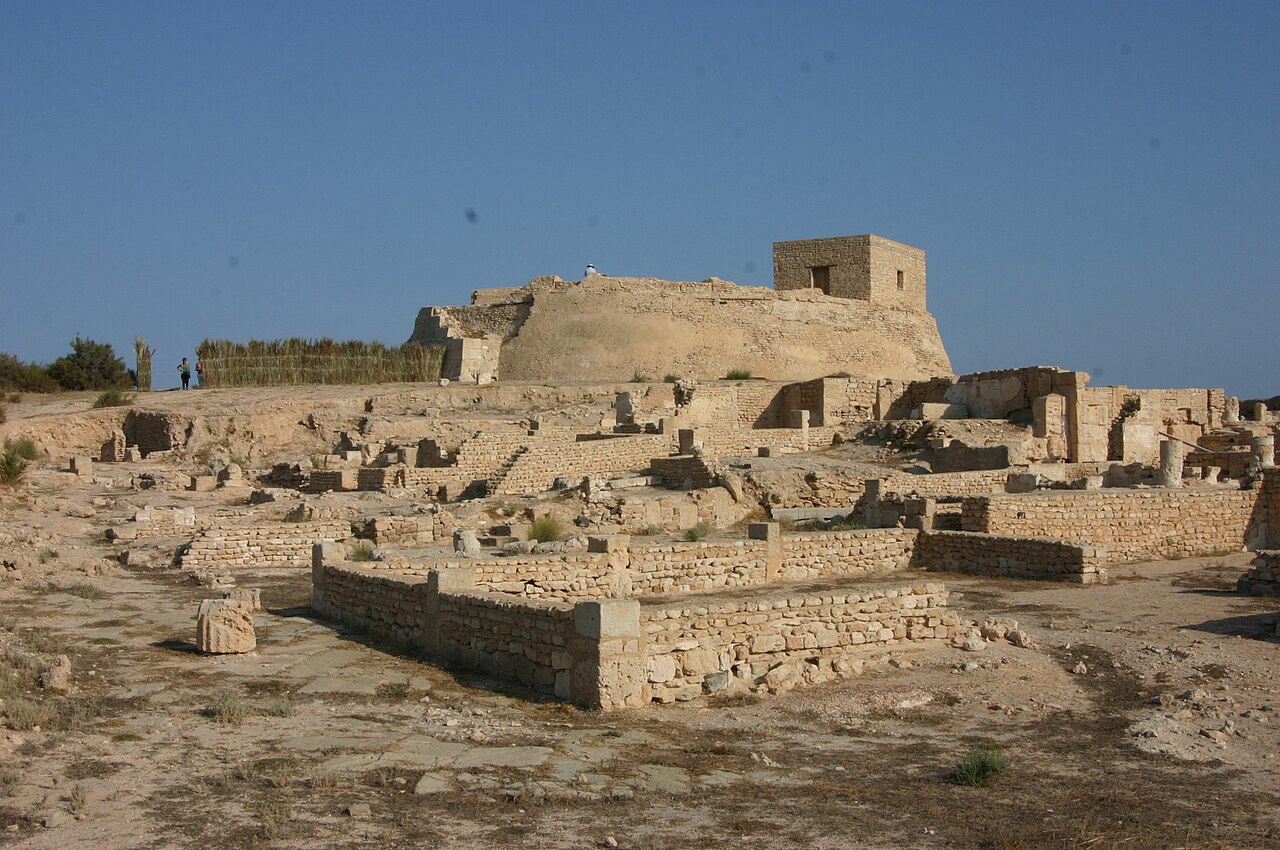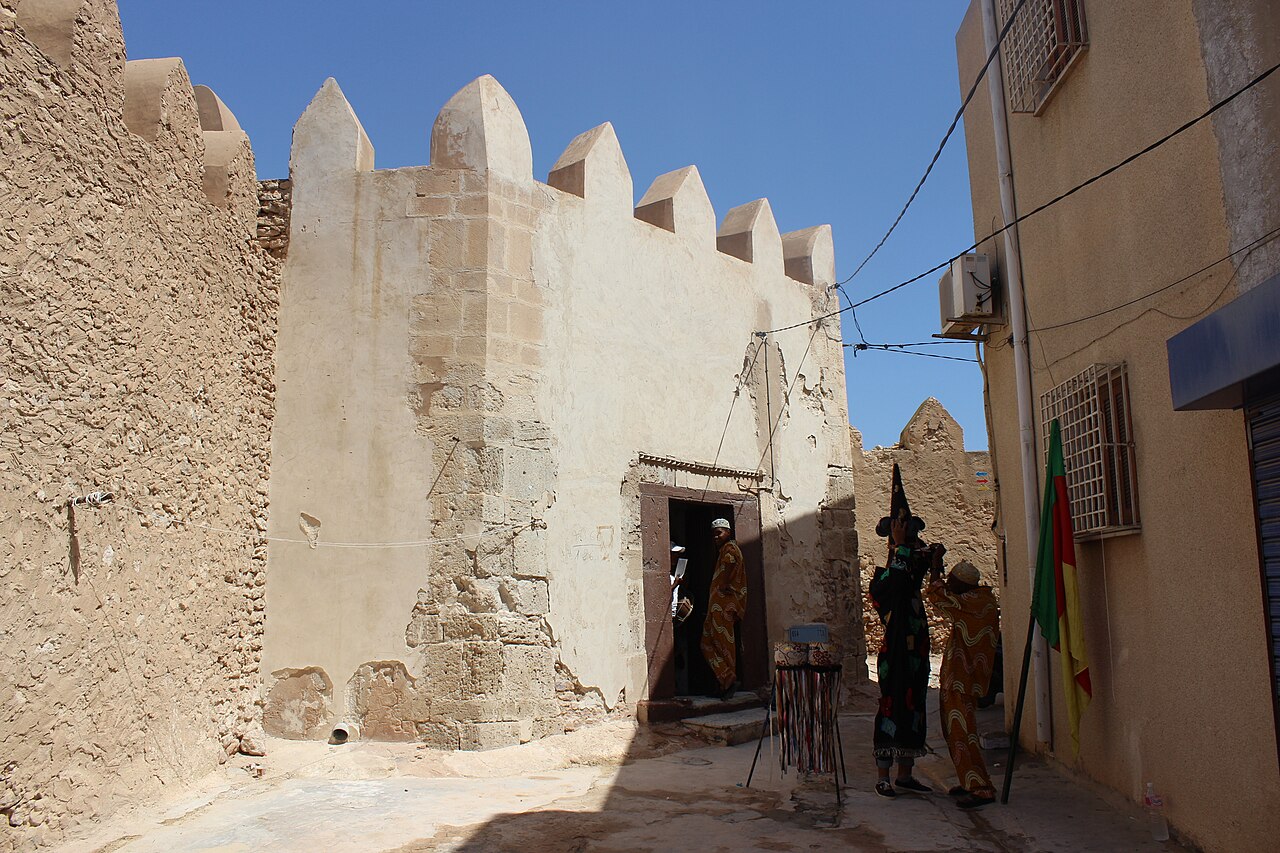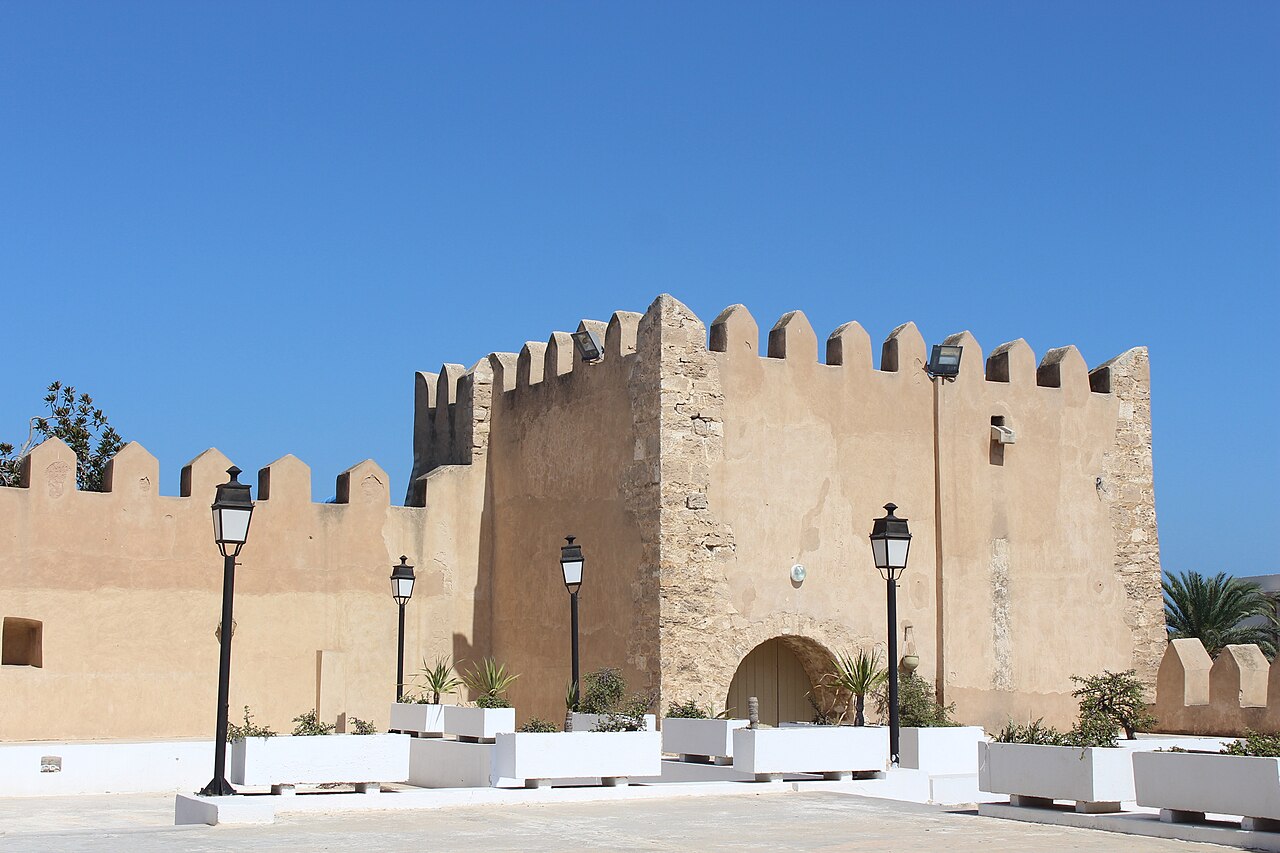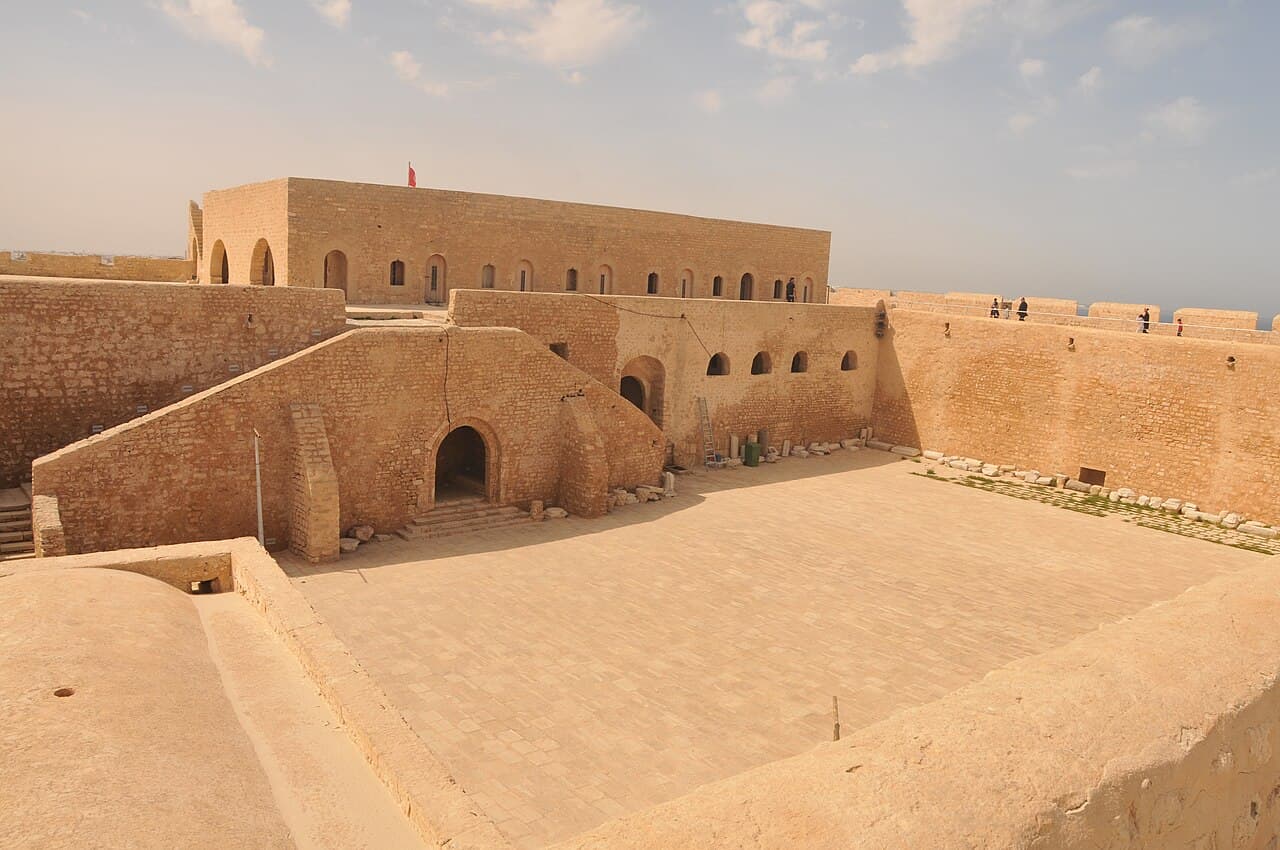
Bordj el Kebir is a prominent 16th-century bastioned fortress located in Tunisia, representing a significant example of Renaissance military architecture in North Africa. Constructed during a period when coastal defenses were crucial for controlling maritime routes and protecting against naval threats, this fortress played a strategic role in regional defense.
Historical context and strategic importance
During the Renaissance period, the Mediterranean basin was a contested arena involving various powers, including the Ottoman Empire, European states, and North African entities. The construction of Bordj el Kebir in the 16th century coincided with increased military tensions and the need for robust coastal fortifications to defend against corsairs and rival fleets.
The fortress was part of a network of bastioned fortifications designed to withstand artillery sieges and provide overlapping fields of fire. Its location in Tunisia was critical for monitoring and controlling maritime traffic along the North African coast.
Architectural features and design
Bordj el Kebir exemplifies the bastioned fortress style, characterized by angular bastions projecting from the curtain walls. These bastions allowed defenders to cover adjacent walls with cannon fire, eliminating blind spots and enhancing defensive capabilities against siege artillery.
The fortress's walls were constructed with thick masonry to absorb and deflect cannonballs. The design reflects the influence of European military engineering principles introduced during the Renaissance, adapted to local conditions and materials.
Typical features include ramparts, moats, and gun embrasures strategically placed for optimal defense. The layout likely includes a central courtyard and internal buildings for garrison accommodation, storage, and command functions.
Role in regional defense and historical events
Throughout its active use, Bordj el Kebir served as a key defensive stronghold against naval incursions and pirate raids. Its bastions provided effective artillery platforms to repel attackers, securing the surrounding coastline and nearby settlements.
The fortress may have witnessed several sieges or military engagements reflective of the turbulent political landscape of the Mediterranean during the Renaissance. Its endurance over centuries underscores its robust construction and strategic design.
Current condition and cultural significance
Today, Bordj el Kebir remains a valuable cultural and historical monument in Tunisia. While the precise condition may vary, bastioned fortresses of this era often survive as partially preserved or restored structures, offering insight into Renaissance military architecture and coastal defense systems.
The fortress contributes to Tunisia's rich heritage of fortifications and serves as an educational site for visitors interested in military history and architecture.
Visiting Bordj el Kebir
Visitors to Bordj el Kebir can explore the fortress's imposing walls, bastions, and internal spaces that reflect its defensive purpose. The site provides a tangible connection to the Renaissance era's military strategies and architectural innovations.
Its location in Tunisia makes it accessible for those interested in exploring the country's historical fortifications and understanding the broader context of Mediterranean maritime defense.
Frequently asked questions (FAQ)
- What is the historical significance of Bordj el Kebir?
- Bordj el Kebir is a historic fortress located in Tunisia, built in the 16th century by the Ottoman Empire. It served as a strategic military outpost to protect the coastline and played a crucial role in maritime defense against European powers.
- When was Bordj el Kebir built?
- Bordj el Kebir was constructed in the year 1574 during the reign of the Ottoman Sultan Suleiman the Magnificent. Its architecture reflects the military engineering techniques of the time and has been preserved as a testament to Tunisia's rich history.
- Can I visit Bordj el Kebir?
- Yes, Bordj el Kebir is open to visitors who wish to explore its historical and architectural significance. Visitors can enjoy guided tours that provide insights into the fortress's history and its role in regional defense.
- What are the opening hours for Bordj el Kebir?
- Bordj el Kebir is typically open to the public from 9 AM to 5 PM, but hours may vary seasonally. It’s advisable to check ahead for any changes in schedule before planning your visit.
- Is Bordj el Kebir accessible for visitors with mobility challenges?
- While Bordj el Kebir is a historical site with some uneven terrain and stairs, efforts have been made to improve accessibility for visitors with mobility challenges. It is recommended to contact the site in advance to inquire about specific accommodations.
- What is the best time to visit Bordj el Kebir?
- The best time to visit Bordj el Kebir is during the spring (March to May) and fall (September to November) when the weather is mild and pleasant. These seasons allow for enjoyable exploration without the extreme heat of summer.
- Are there any nearby attractions to visit along with Bordj el Kebir?
- Yes, visitors to Bordj el Kebir can also explore nearby attractions such as the ancient city of Carthage and the picturesque village of Sidi Bou Said. These locations offer a rich cultural experience alongside the historical significance of the castle.
- What are the ticket prices for Bordj el Kebir?
- Ticket prices for Bordj el Kebir are generally affordable, with discounts available for students and groups. It is best to check the official site or local tourist information for the most current pricing details.
Photo gallery

Information
Loading map...
Visitor reviews
No reviews yet. Been here? Write the first review and help other travelers!
Write the first reviewVisited this castle? Share your experience
Your review helps other travelers and adds first-hand knowledge to our encyclopedia.