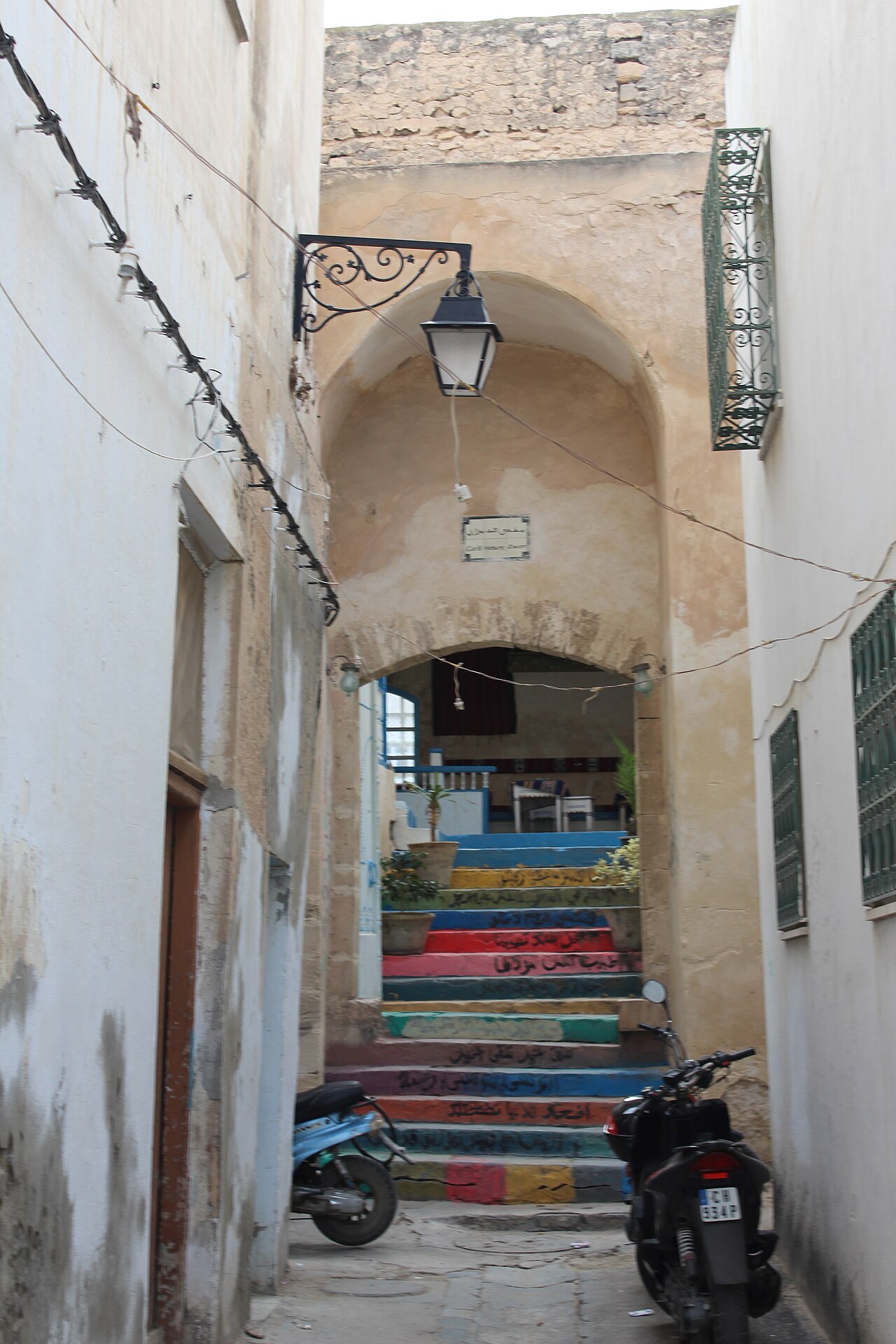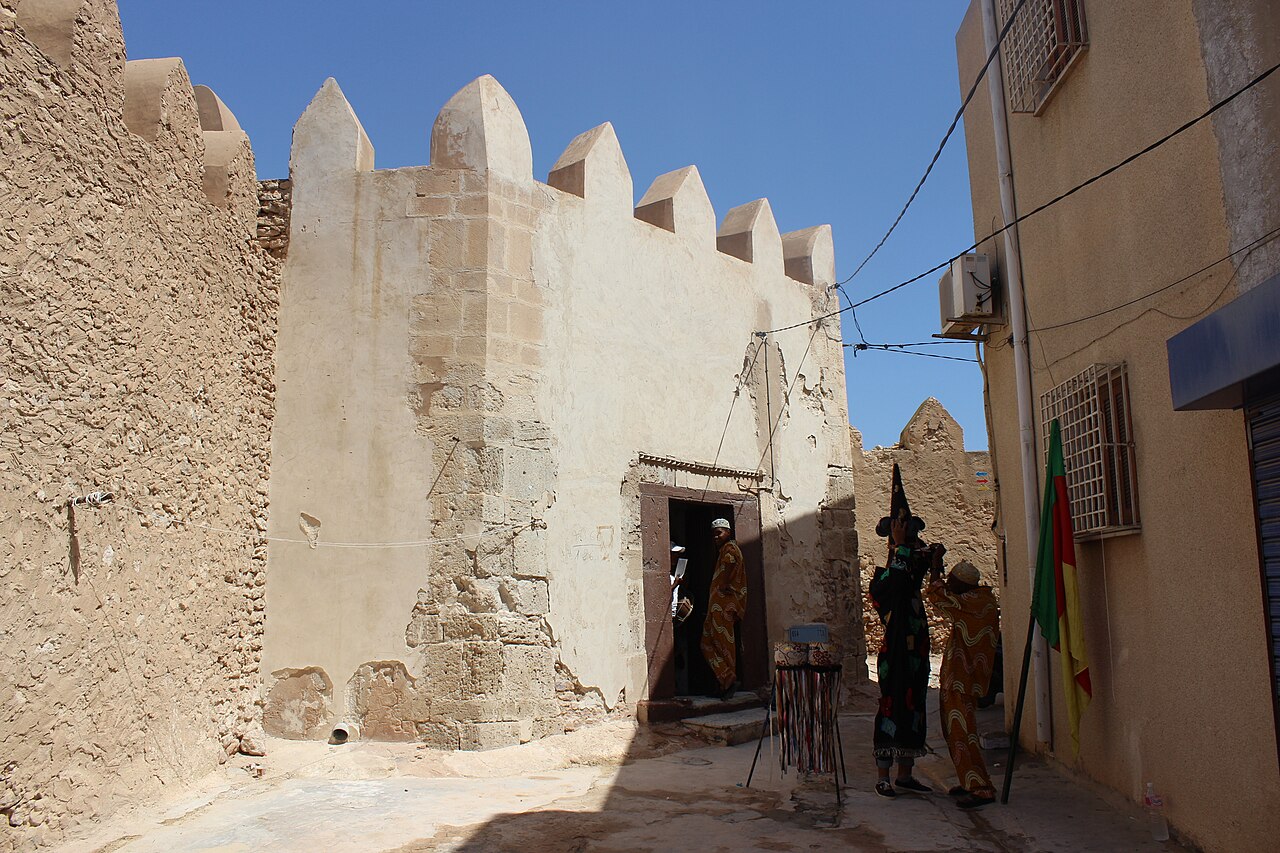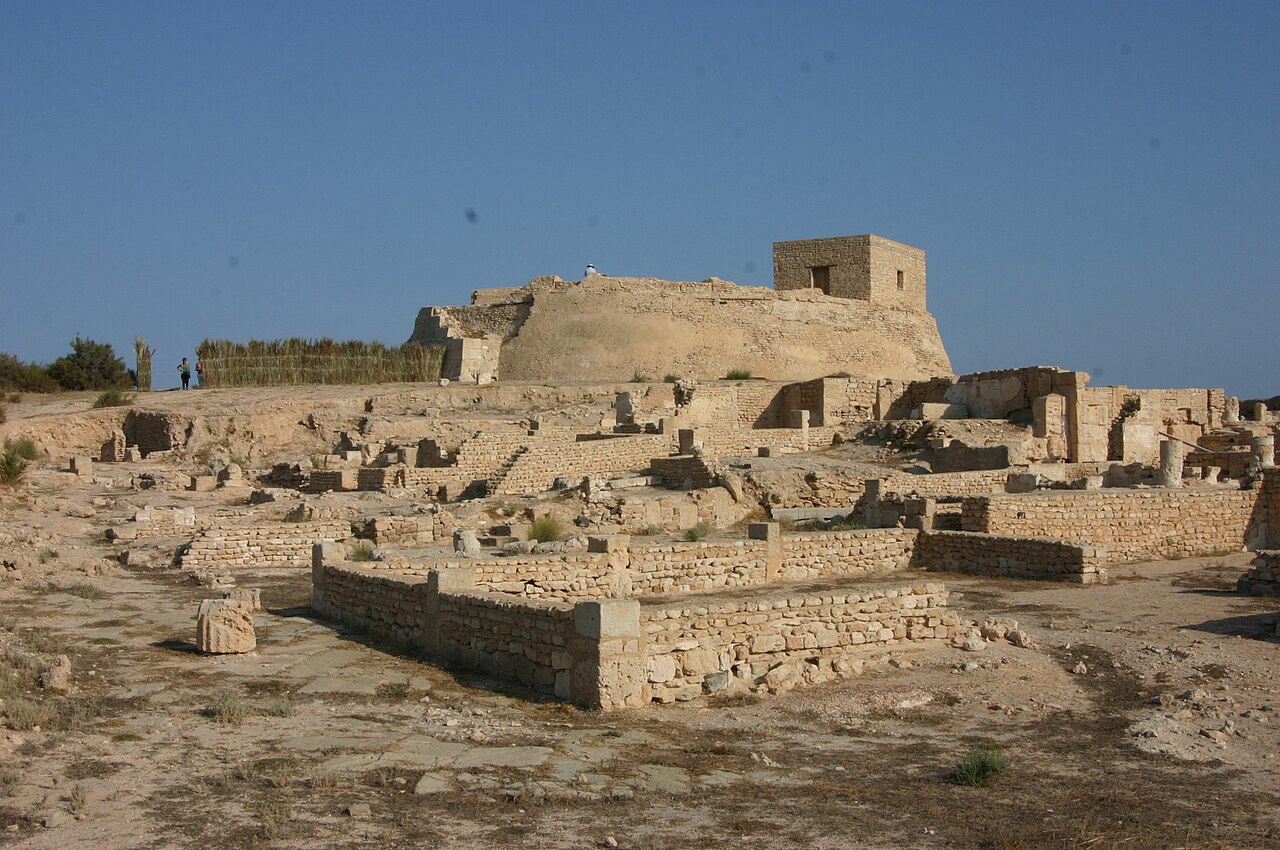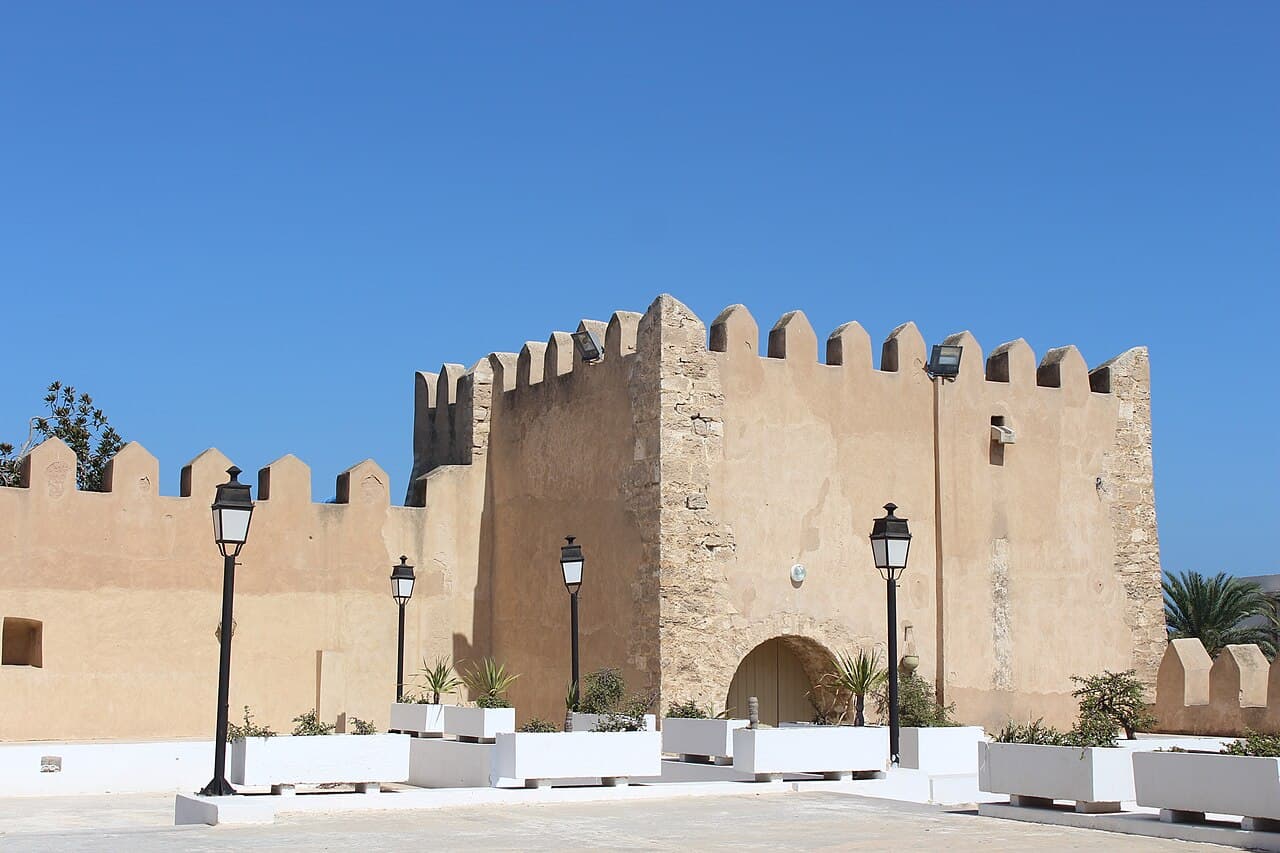
Borj Ennar (Arabic: برج النار), meaning "Tower of Fire," is a prominent bastioned fortress located in the historic medina of Sfax, Tunisia. This fortress is an integral part of the city's defensive system and has played a crucial role in protecting Sfax from various attacks throughout its history. The medina itself, a UNESCO-listed area, is surrounded by thick walls and several forts, with Borj Ennar standing out for its strategic position and robust architecture.
The strategic importance of Borj Ennar
Situated at a key point on the medina walls, Borj Ennar was designed to serve as a defensive stronghold against invaders. Its name, "Tower of Fire," likely refers to its use as a watchtower where fires or signals were lit to warn the city of approaching enemies. The fortress's location allowed it to oversee the surrounding areas and the approaches to the city, providing early warnings and a defensive advantage.
Architectural features and design
Borj Ennar exemplifies the characteristics of a bastioned fortress, a style that emerged to counter artillery advancements. The fortress features thick walls and angled bastions designed to deflect cannon fire and provide overlapping fields of fire for defenders. Its construction utilizes local stone and traditional masonry techniques common in North African fortifications.
The fortress includes several towers and bastions that form a polygonal shape, allowing defenders to cover all approaches effectively. The walls are punctuated by narrow embrasures for firing weapons while providing protection. Inside, there would have been quarters for soldiers, storage for arms and supplies, and possibly cisterns for water storage, although specific interior details are less documented.
Historical context and significance
Borj Ennar dates back to the period when Sfax was fortified extensively to defend against both sea and land threats. The medina and its fortifications were developed primarily during the medieval Islamic period, with modifications and reinforcements made during the Ottoman era. These fortifications reflect the military architecture trends of the time, blending local building traditions with influences from Mediterranean military engineering.
The fortress has witnessed numerous conflicts and sieges, particularly during the Ottoman period and later colonial times. Its preservation offers insight into the defensive strategies employed in Tunisian coastal cities and the broader Maghreb region.
Current condition and cultural heritage
Today, Borj Ennar remains a well-preserved example of a bastioned fortress within the medina of Sfax. It is part of the city's cultural heritage and attracts visitors interested in military architecture and Tunisian history. The fortress contributes to the overall historical ambiance of the medina, which remains a vibrant urban area with markets, mosques, and traditional houses.
Efforts to maintain and restore Borj Ennar ensure that its structural integrity and historical value are preserved. It stands as a testament to the rich defensive legacy of Sfax and Tunisia's architectural heritage.
Frequently asked questions (FAQ)
- What is Borj Ennar and where is it located?
- Borj Ennar is a bastioned fortress located in the medina of Sfax, Tunisia, serving as part of the city's historic defenses.
- When was Borj Ennar built?
- Borj Ennar was constructed during the medieval Islamic period with later modifications during the Ottoman era, though exact dates are not well documented.
- What architectural features characterize Borj Ennar?
- Borj Ennar features thick walls, angled bastions, towers, and embrasures designed to withstand artillery and provide strategic defense.
- Is Borj Ennar open to visitors?
- Borj Ennar is part of the medina of Sfax, which is accessible to visitors; however, specific visiting hours for the fortress may vary and should be checked locally.
- Why is Borj Ennar historically significant?
- Borj Ennar played a key role in the defense of Sfax during various historical periods, illustrating the military architecture and strategic planning of the region.
Photo gallery

Information
Loading map...
Visitor reviews
No reviews yet. Been here? Write the first review and help other travelers!
Write the first reviewVisited this castle? Share your experience
Your review helps other travelers and adds first-hand knowledge to our encyclopedia.