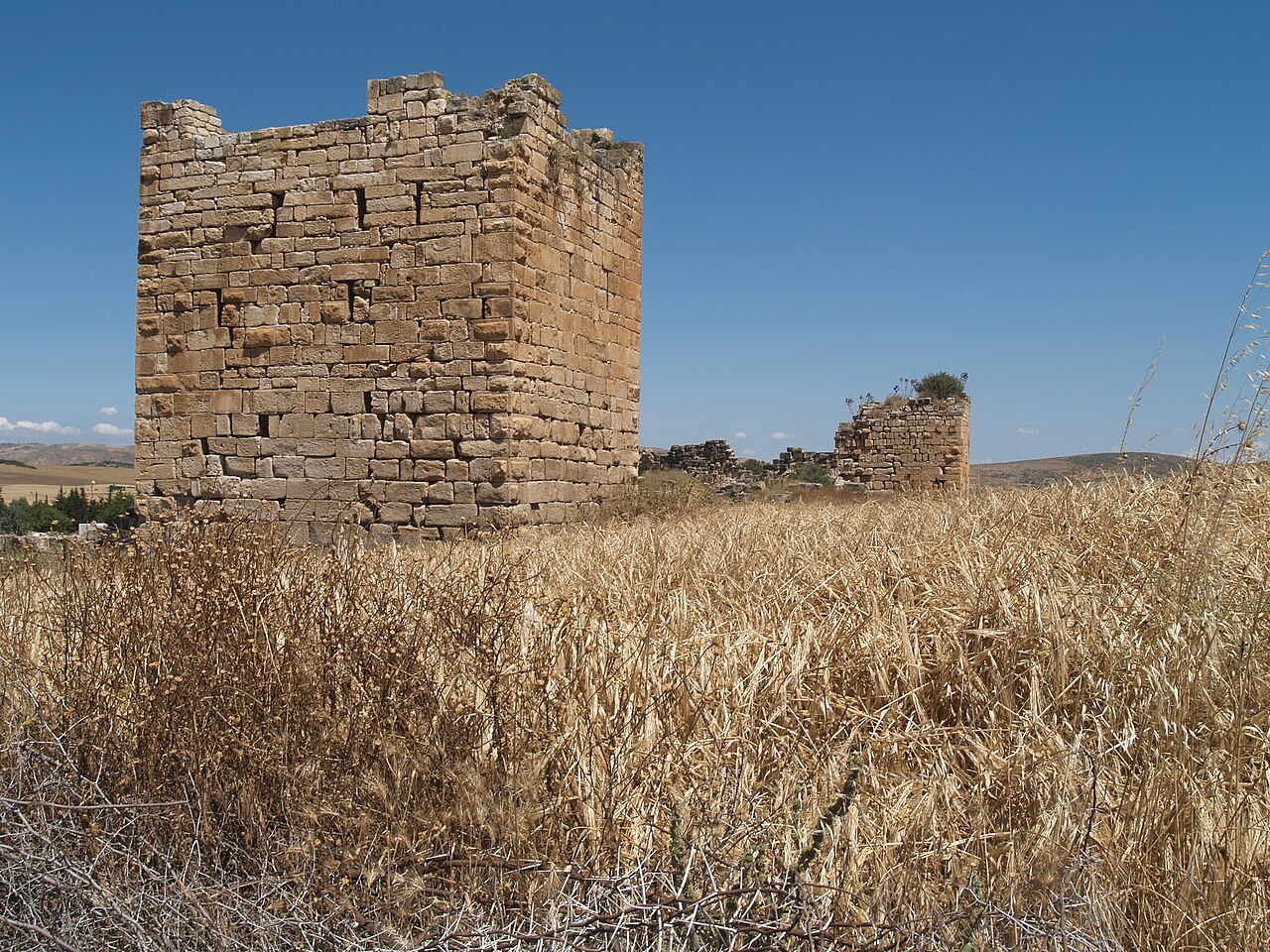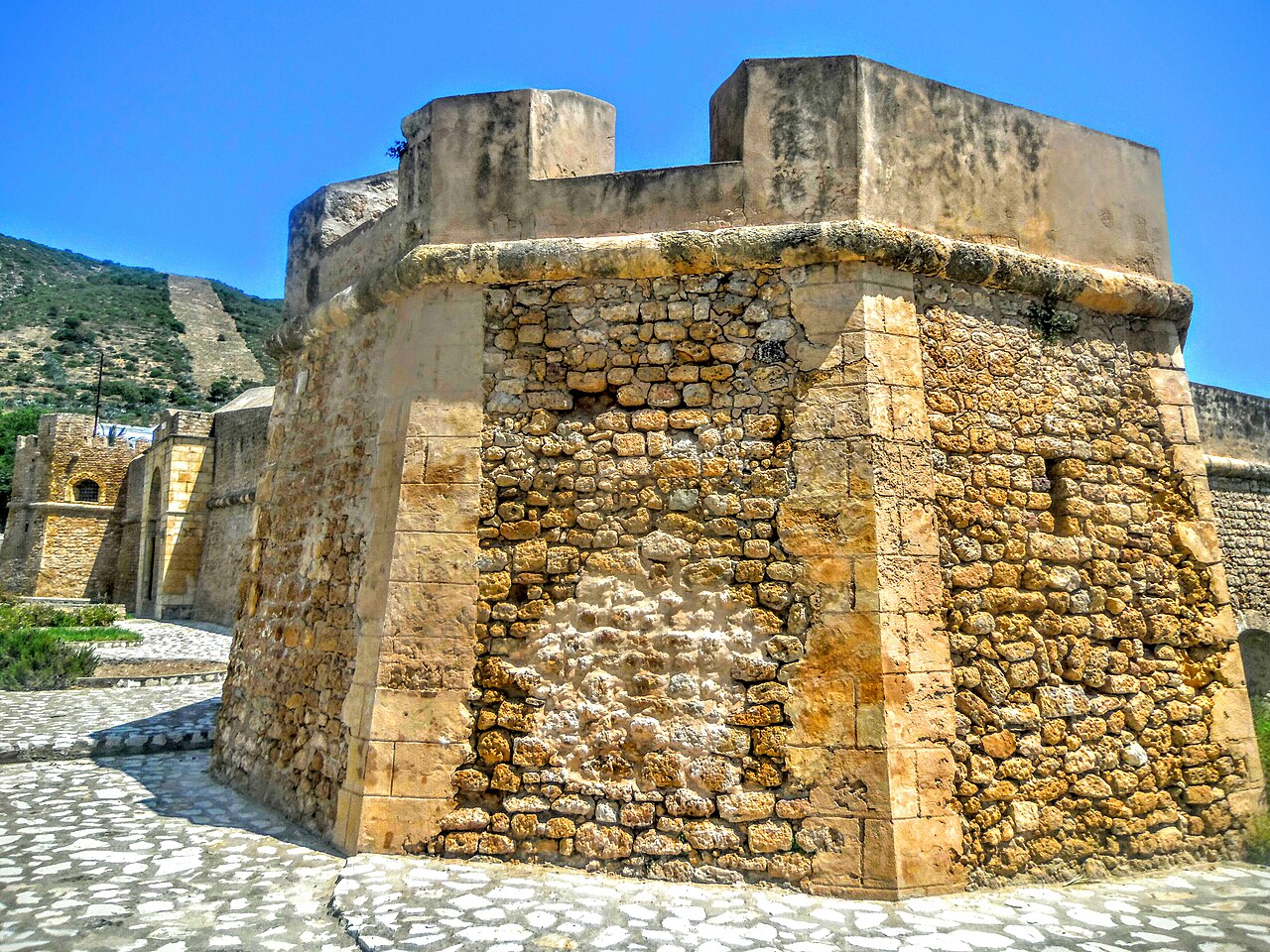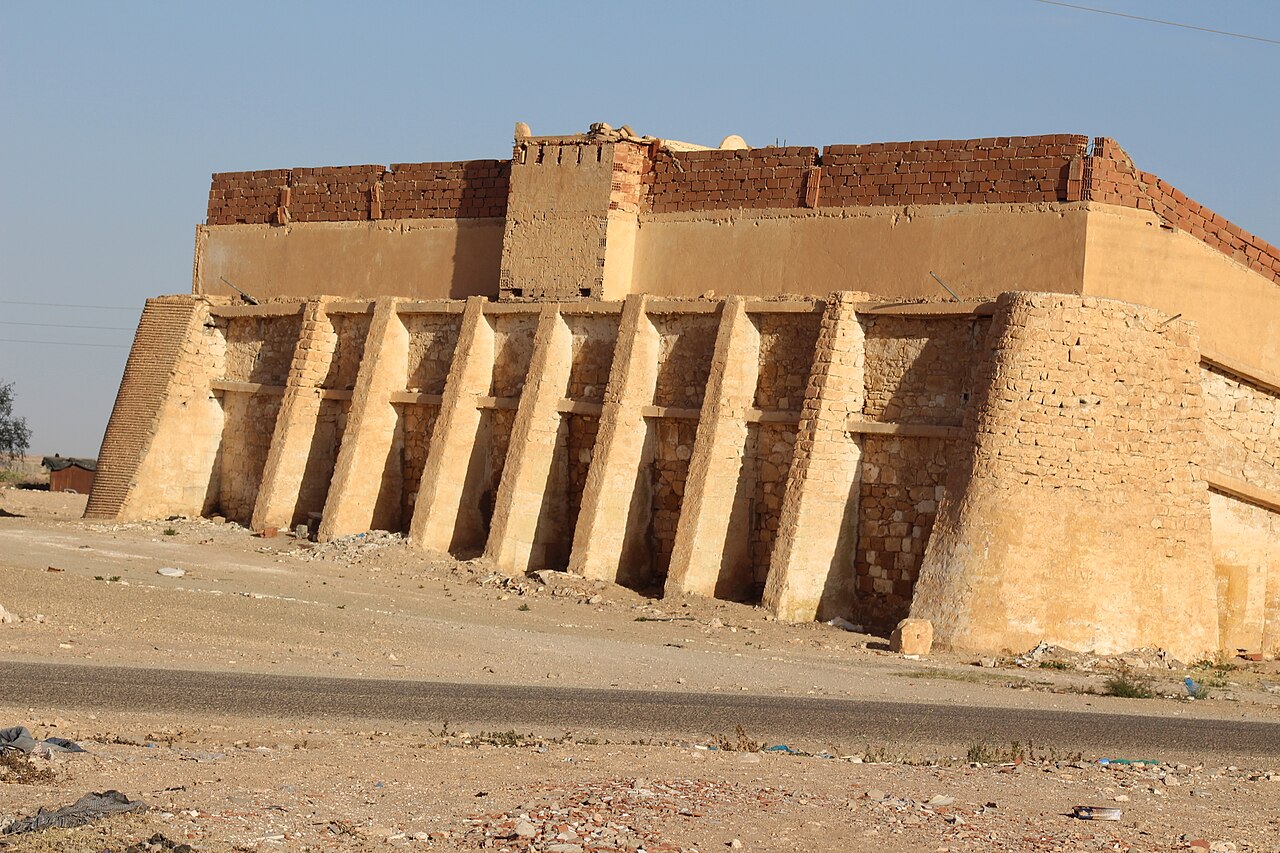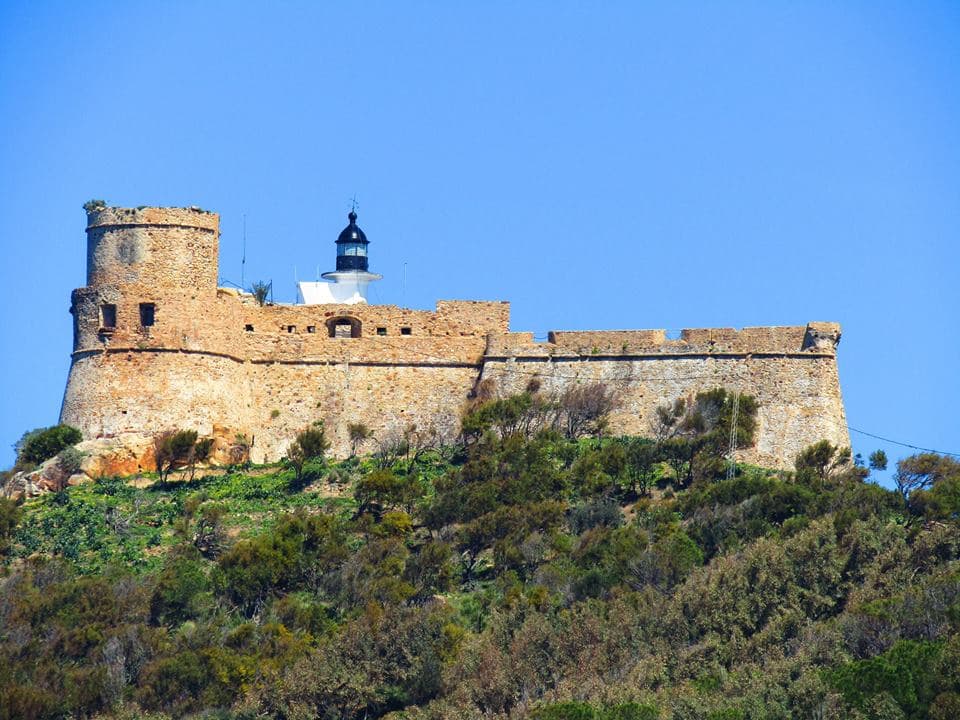
Tabarka Fort is a significant example of Renaissance bastioned fortress architecture located on the coast of Tunisia. Constructed in the 16th century, this fortification was built to protect the strategic Mediterranean port town of Tabarka, an important hub for maritime trade and military control during the Renaissance period.
Historical context and strategic importance
The fort was erected during a time of intense competition among Mediterranean powers, including the Ottoman Empire and various European states, for control over key coastal regions. Tabarka's location on the northwest coast of Tunisia made it a valuable asset for controlling sea routes and safeguarding against pirate raids and foreign invasions.
Initially, the site served as a defensive position under various rulers, but the current structure dates primarily to the Renaissance era when fortifications were adapted to resist artillery fire. The design reflects the military innovations of the period, emphasizing low, thick walls and angled bastions to deflect cannonballs and improve defensive coverage.
Architectural features and design
Bastioned fortress layout
Tabarka Fort exemplifies the bastioned fortress style that became prominent in the Renaissance. Its layout includes angular bastions at the corners, which provide overlapping fields of fire and eliminate blind spots along the walls. This design was a response to the development of gunpowder artillery, requiring new defensive concepts beyond medieval high-walled castles.
The fortress walls are constructed from local stone, featuring robust masonry that has withstood centuries of exposure to coastal weather. The bastions are connected by curtain walls, enclosing a central courtyard and internal buildings that historically housed garrisons, storage facilities, and command posts.
Defensive elements
Key defensive components include thick ramparts, moats or dry ditches in some sections, and fortified gates designed to control access. The fort's position near the sea also allowed it to serve as a watchpoint against naval threats, with vantage points for signal fires or cannon placements.
Role in regional history
Throughout its history, Tabarka Fort played a role in the conflicts between European powers and the Ottoman Empire, as well as in local resistance to piracy. It was part of a network of coastal defenses that helped secure Tunisian ports and maintain regional stability during turbulent periods.
Although the fort has seen periods of decline and partial ruin, its core structure remains well preserved, offering insight into Renaissance military architecture adapted to North African coastal conditions.
Current status and cultural significance
Today, Tabarka Fort stands as a well-preserved historical monument and a testament to the Renaissance military engineering in Tunisia. It attracts visitors interested in military history, architecture, and Mediterranean heritage.
The fort's coastal setting enhances its appeal, providing panoramic views of the Mediterranean Sea and the surrounding landscape. Preservation efforts have focused on maintaining the structural integrity of the bastions and walls, ensuring that this cultural landmark remains accessible for educational and tourism purposes.
Visiting Tabarka Fort
Visitors to Tabarka Fort can explore the extensive ramparts and bastions, walk through the central courtyard, and observe the architectural details that reflect 16th-century military design. The site offers a unique opportunity to experience a blend of European Renaissance fortification principles adapted to a North African context.
Nearby, the town of Tabarka provides additional attractions, including beaches, coral reefs, and cultural festivals, making the fort part of a broader touristic experience in Tunisia.
Frequently asked questions (FAQ)
- How do I get to Tabarka Fort?
- Tabarka Fort is located in the coastal town of Tabarka, Tunisia. You can reach it by car or public transport from major cities like Tunis or Bizerte. The fort is situated near the beach, making it a scenic destination for visitors.
- What is the historical significance of Tabarka Fort?
- Tabarka Fort, built in the 16th century by the Spanish, played a crucial role in protecting the region from pirates and invasions. It reflects the rich maritime history of Tunisia and showcases the architectural style of the period. Today, it stands as a testament to the region's strategic importance in the Mediterranean.
- When was Tabarka Fort constructed?
- Tabarka Fort was constructed in 1540, during the time of Spanish influence in the area. Its construction aimed to strengthen the defenses of the port and protect trade routes. Over the centuries, it has undergone various renovations, preserving its historical essence.
- Can I visit Tabarka Fort year-round?
- Yes, Tabarka Fort is open to visitors throughout the year. However, the best time to visit is during the spring and fall when the weather is pleasant and ideal for exploring. Summer can be quite hot, so plan accordingly if you choose to visit during this season.
- Why is the architecture of Tabarka Fort significant?
- The architecture of Tabarka Fort showcases a blend of military design and local building techniques, typical of 16th-century fortifications. Its robust walls and strategic layout are designed to withstand attacks, reflecting the fort's defensive purpose. Visitors can appreciate both its historical context and its unique architectural features.
- Is it possible to access Tabarka Fort for individuals with mobility issues?
- The fort's terrain may present challenges for individuals with mobility issues, as it includes uneven pathways and steps. However, some areas may be accessible, and it is advisable to check with local guides for information on accessibility options. Planning your visit in advance can help ensure a more comfortable experience.
- What are the opening hours of Tabarka Fort?
- Tabarka Fort typically opens its doors to visitors from 9 AM to 5 PM, but hours may vary depending on the season. It is advisable to check the local schedule before your visit to ensure you have the latest information. Guided tours may also be available during certain hours.
- Are there any nearby attractions to visit after exploring Tabarka Fort?
- Yes, after visiting Tabarka Fort, you can explore the beautiful beaches of Tabarka or visit the nearby Coral Museum, which highlights the region's history of coral fishing. Additionally, the scenic Tabarka Marina offers a variety of dining and shopping options for visitors. These attractions provide a full day of enjoyable experiences in the area.
- What are the ticket prices for visiting Tabarka Fort?
- Entry to Tabarka Fort is usually very affordable, with ticket prices ranging from a few dinars for adults to reduced rates for children and students. Special discounts may apply for groups or tour packages. It's best to check at the entrance or online for any updates on pricing.
Photo gallery

Information
Loading map...
Visitor reviews
No reviews yet. Been here? Write the first review and help other travelers!
Write the first reviewVisited this castle? Share your experience
Your review helps other travelers and adds first-hand knowledge to our encyclopedia.