Borj El Kebir
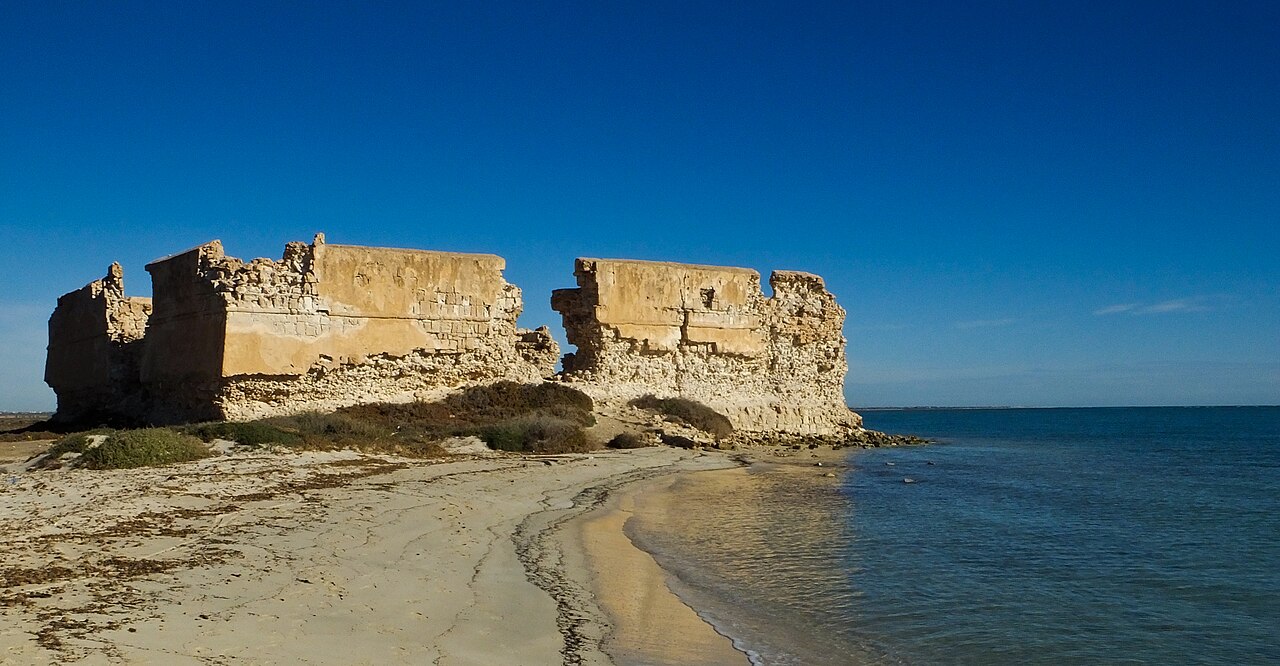
Borj El Kebir, also known as Borj El Ghazi Mustapha, is a significant 14th-century bastioned fortress located in Houmt El Souk on the island of Djerba, Tunisia. It stands as the largest and best-preserved castle on the island, attracting numerous visitors interested in its historical and architectural value.
Historical context and construction
The castle was constructed in the 14th century during the late medieval period, a time when the island of Djerba was strategically important for controlling maritime routes in the Mediterranean. Borj El Kebir was built to serve as a defensive stronghold against potential invasions and pirate raids, reflecting the military architecture of its era.
Its alternative name, Borj El Ghazi Mustapha, refers to a notable figure associated with the castle's history, likely a leader or commander who played a role in its defense or administration.
Architectural features
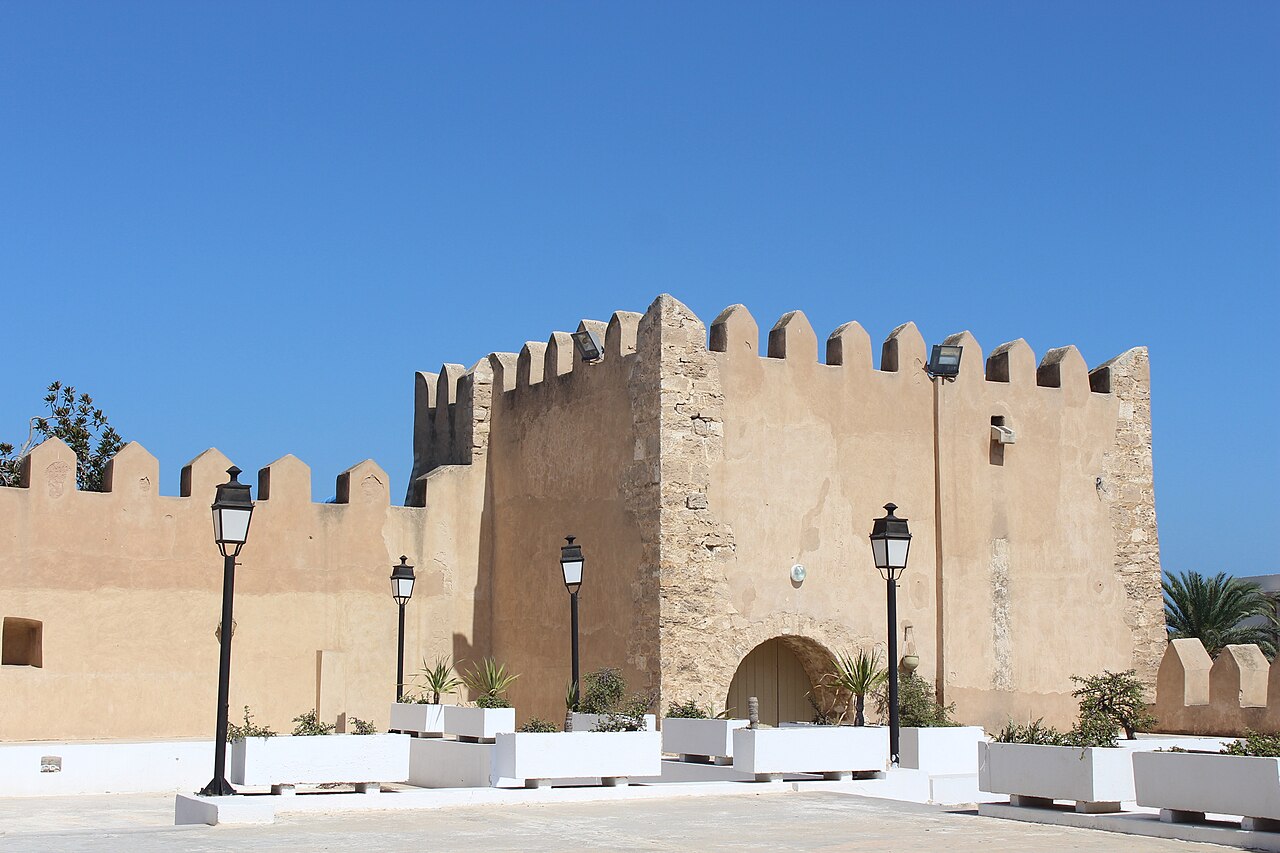
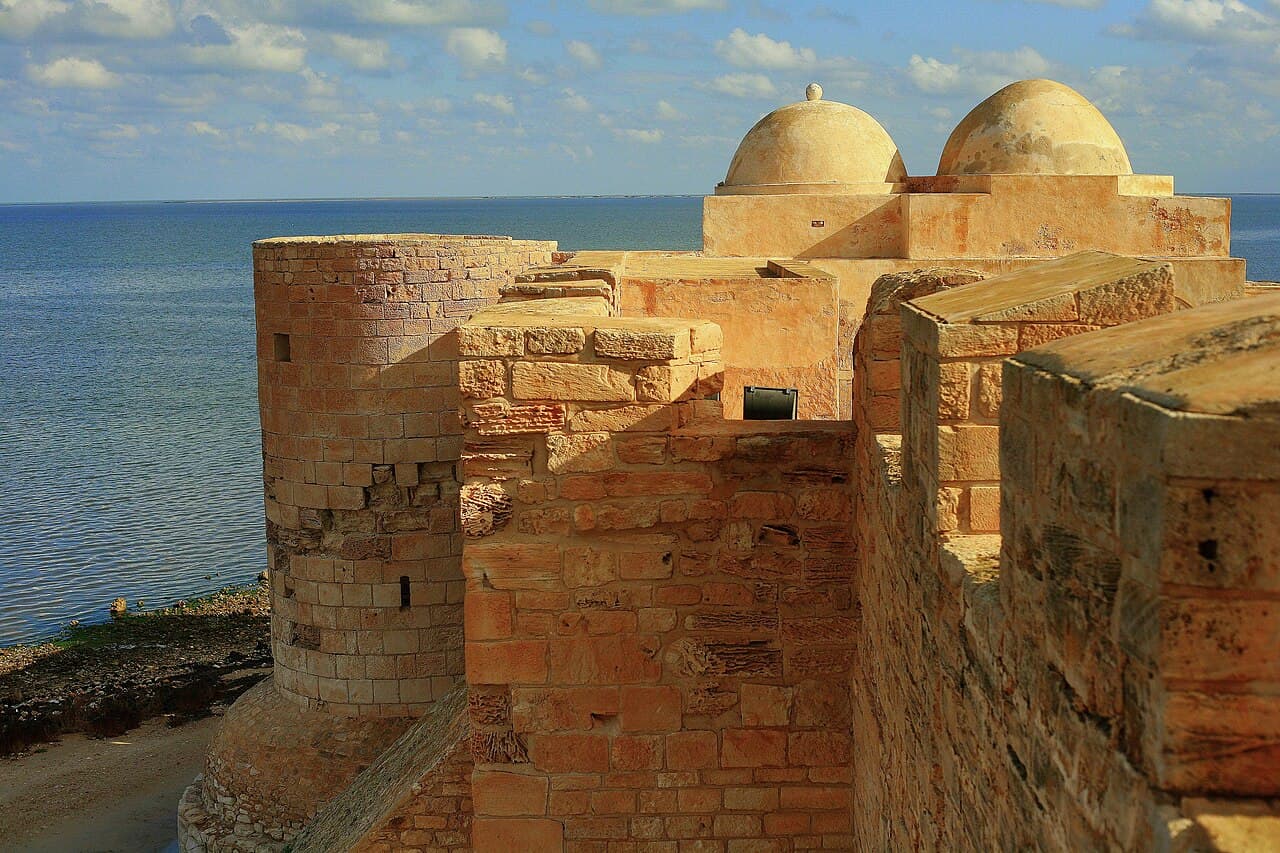
The fortress exemplifies a bastioned fortress design, characterized by its angular bastions that project outward from the main walls to provide overlapping fields of fire, a defensive innovation that became prominent in the late medieval and early modern periods. This design allowed defenders to cover the surrounding approaches effectively and resist artillery attacks.
Borj El Kebir's walls are robust and thick, constructed from local stone materials, and feature crenellations and narrow embrasures for archers and later firearms. The castle includes several towers and bastions that enhance its defensive capabilities, as well as a main gate fortified with heavy doors and possibly a drawbridge or other defensive mechanisms.
Inside the fortress, there are various chambers and courtyards that would have served military and administrative functions. These include storage rooms for weapons and supplies, barracks for soldiers, and possibly a small mosque or prayer area reflecting the Islamic culture of the region.
Strategic importance and historical role
Situated on Djerba, an island off the coast of Tunisia, Borj El Kebir played a crucial role in the defense of the island and the surrounding maritime routes. Its position allowed surveillance over the sea approaches and quick response to threats from pirates or invading forces.
Throughout its history, the fortress witnessed various military engagements and changes in control, reflecting the turbulent history of the Mediterranean region. Its preservation offers valuable insights into the defensive strategies and architectural techniques of the late medieval period in North Africa.
Preservation and current status
Today, Borj El Kebir remains well preserved compared to other fortifications in the region. It is a prominent tourist attraction in Houmt El Souk and is considered one of the most important historical monuments on Djerba island.
The castle's preservation allows visitors to explore its extensive fortifications, towers, and internal structures, providing a tangible connection to the island's medieval past. Efforts to maintain and protect the site have helped retain its structural integrity and historical authenticity.
Visiting Borj El Kebir
Visitors to Borj El Kebir can experience the fortress's imposing architecture and learn about its historical significance through guided tours and informational displays. The castle's location in Houmt El Souk makes it accessible to tourists exploring Djerba's cultural heritage.
The site offers panoramic views of the surrounding sea and town, enhancing its appeal as a destination for history enthusiasts and travelers interested in medieval military architecture.
Frequently asked questions (FAQ)
- What is the historical significance of Borj El Kebir?
- Borj El Kebir is a historic fortress that dates back to the 16th century, built by the Ottomans to protect the island of Djerba from invaders. It showcases the military architecture of the time and reflects the strategic importance of the region during the Ottoman Empire.
- When was Borj El Kebir built?
- Borj El Kebir was constructed in the late 16th century, specifically around 1575. This period marked a significant phase in the expansion of Ottoman influence in North Africa.
- What are the opening hours for Borj El Kebir?
- Borj El Kebir is open to visitors daily from 9:00 AM to 5:00 PM. It is advisable to check for any seasonal changes in opening hours before planning your visit.
- Can I visit Borj El Kebir with a guided tour?
- Yes, guided tours are available for Borj El Kebir, providing visitors with valuable insights into its history and architecture. These tours often include other nearby attractions, enhancing your overall experience.
- Is Borj El Kebir accessible for people with disabilities?
- While efforts have been made to improve accessibility, some areas of Borj El Kebir may present challenges for visitors with mobility issues due to uneven terrain and historic architecture. It is recommended to contact the site prior to your visit for specific accessibility information.
- What is the best time to visit Borj El Kebir?
- The best time to visit Borj El Kebir is during the spring (March to May) and fall (September to November) when the weather is mild and pleasant. These seasons offer a comfortable experience for exploring the castle and its surroundings.
- Are there any nearby attractions to Borj El Kebir?
- Yes, nearby attractions include the picturesque town of Houmt El Souk, known for its vibrant markets and local crafts. Additionally, visitors can explore the beautiful beaches of Djerba and other historical sites on the island.
- How much do tickets for Borj El Kebir cost?
- Ticket prices for Borj El Kebir are generally affordable, with a minimal entry fee for adults. Discounts may be available for students and children, making it accessible for families and budget travelers.
Photo gallery

Information
Loading map...
Visitor reviews
No reviews yet. Been here? Write the first review and help other travelers!
Write the first reviewVisited this castle? Share your experience
Your review helps other travelers and adds first-hand knowledge to our encyclopedia.