Borj Ressas — Tunisia castle

Borj Ressas

Borj Ressas fortress in Tunisia

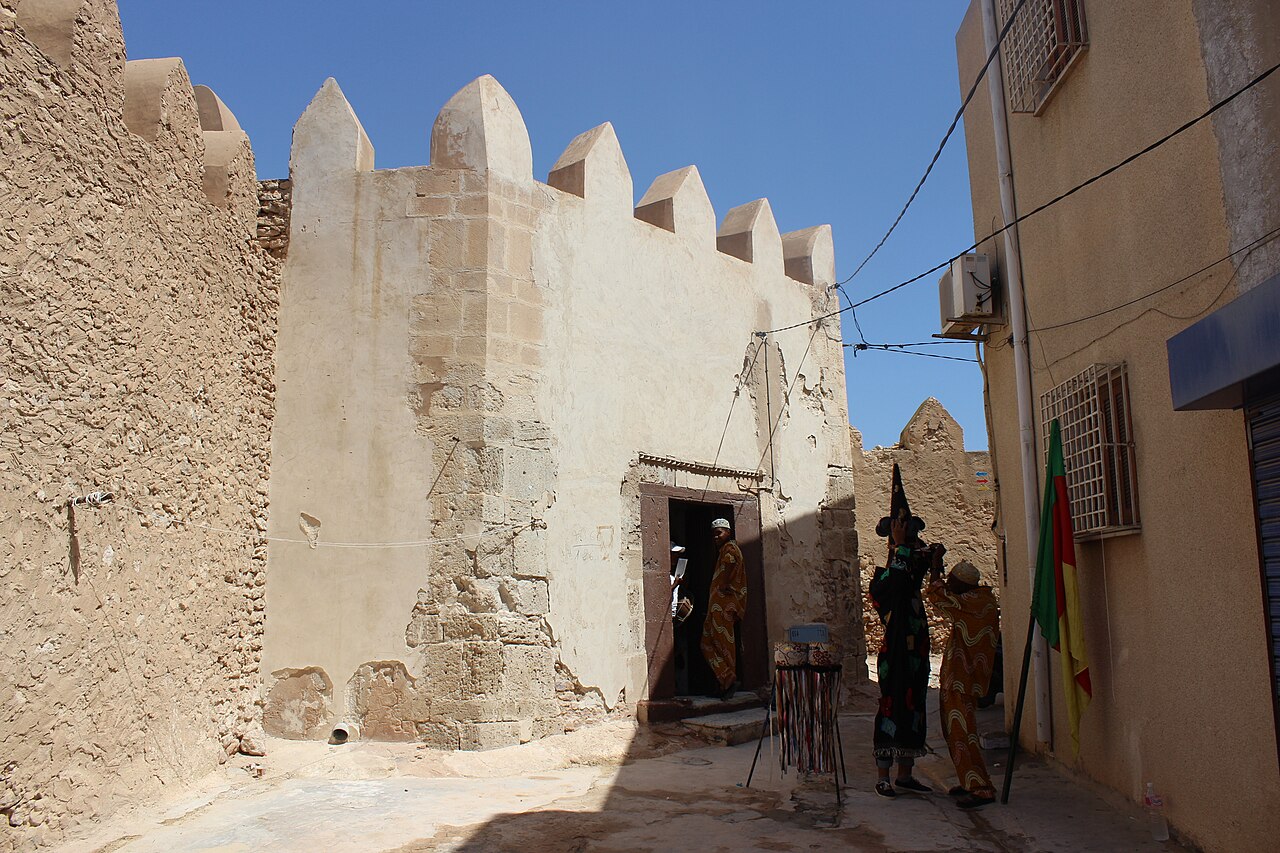
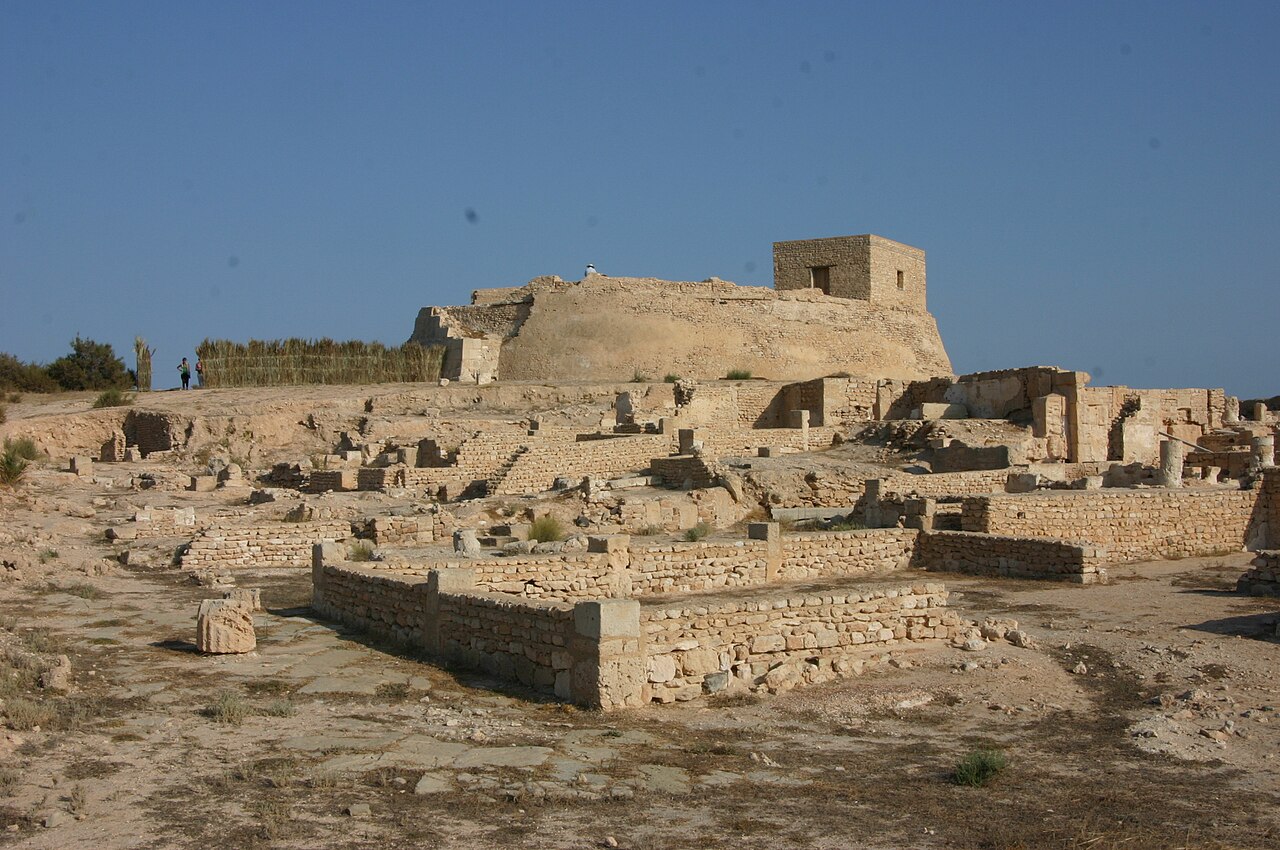
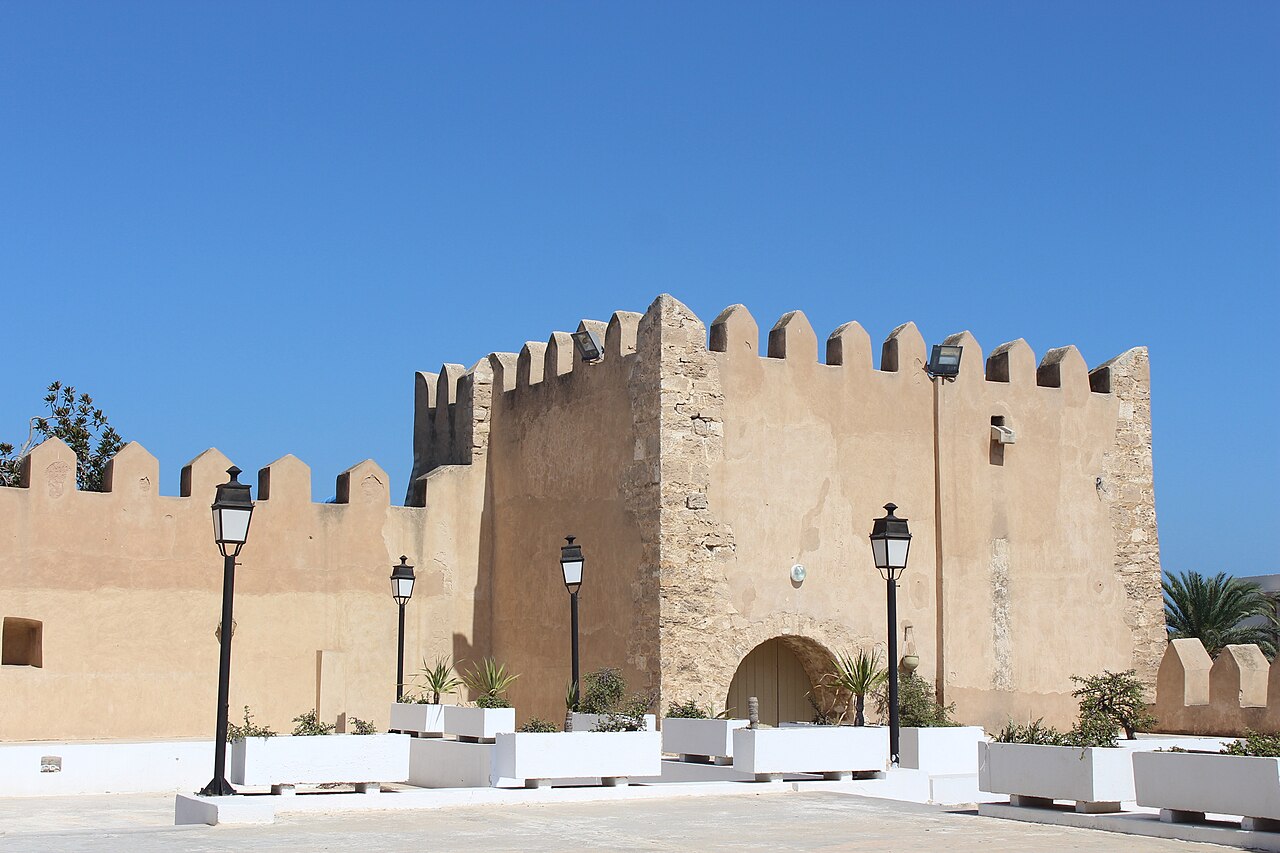
Borj Ressas is a prominent bastioned fortress located in Tunisia, exemplifying the military architectural style designed for enhanced defense during the early modern period. This fortress is characterized by its robust angular bastions that project outward from the main walls, allowing defenders to cover adjacent walls with crossfire, a hallmark of bastioned fortifications developed in response to the advent of gunpowder artillery.

Historical context and strategic importance

Constructed during a period when coastal and inland fortifications were crucial for controlling trade routes and defending territories, Borj Ressas served as a military stronghold to protect the surrounding region from invasions and raids. Tunisia's strategic location along the Mediterranean made such fortresses vital for controlling maritime access and safeguarding local populations.

Architectural features of Borj Ressas

Bastioned design

The fortress employs a bastioned design, which was a significant evolution in fortification architecture from the late medieval period into the early modern era. The bastions are designed to eliminate blind spots and provide overlapping fields of fire, making it difficult for attackers to approach the walls without exposure to defensive fire.

Construction materials and techniques

Typical of fortresses in Tunisia, Borj Ressas was constructed using locally sourced stone and mortar, materials that offered durability against both siege weaponry and the region's climate. The walls are thick and angled to better deflect cannonballs, reflecting the adaptation to gunpowder weaponry.

Defensive elements

The fortress includes key defensive elements such as ramparts, curtain walls, and moats or ditches, designed to slow and expose attackers. The entrance would have been fortified with a gatehouse, possibly equipped with a drawbridge or heavy doors for added security.

Role in regional history

While specific historical events linked to Borj Ressas may be less documented, bastioned fortresses in Tunisia played essential roles during periods of conflict involving Ottoman forces, European colonial powers, and local rulers. These fortifications were part of broader defensive networks that helped maintain control over key territories.

Preservation and current status

The current condition of Borj Ressas is not extensively documented, but bastioned fortresses in the region vary from well-preserved to partially ruined states. Such sites are valuable for understanding the military architecture and history of Tunisia and often attract interest from historians and tourists alike.

Visiting Borj Ressas

Visitors interested in military history and architecture may find Borj Ressas a noteworthy site, though accessibility and visitor facilities depend on its preservation status and management. Exploring the fortress offers insights into the defensive strategies employed in North Africa during the early modern period.

Frequently asked questions (FAQ)

What is the architectural style of Borj Ressas?
Borj Ressas is a bastioned fortress designed with angular bastions typical of early modern military architecture, emphasizing defense against artillery.
When was Borj Ressas built?
The exact construction date of Borj Ressas is not well documented, but bastioned fortresses in Tunisia generally date from the early modern period, between the 16th and 18th centuries.
Can I visit Borj Ressas?
Visiting Borj Ressas depends on its current preservation and management. It is advisable to check locally for access information and visitor facilities before planning a trip.
Why are bastioned fortresses important?
Bastioned fortresses like Borj Ressas were crucial for defense during the era of gunpowder artillery, providing overlapping fields of fire and stronger protection against sieges.
Where is Borj Ressas located?
Borj Ressas is located in Tunisia, though the specific city or town is not clearly documented.

Photo gallery

Borj Ressas
Click to view

Photo by Houssem Abida•CC BY-SA 4.0

1 photo • Click any image to view in full screen

Information

Bastioned Fortress

Loading map...

Visitor reviews

No reviews yet. Been here? Write the first review and help other travelers!

Write the first review

Visited this castle? Share your experience

Your review helps other travelers and adds first-hand knowledge to our encyclopedia.
Write a review

(5/5)

0/2000 characters

Your review will be visible after admin approval

Nearby castles

0.3 km
Borj Ennar — Tunisia castle

Borj Ennar

Sfax, Tunisia

Borj Ennar (Arabic: برج النار), meaning "Tower of Fire," is a prominent bastioned fortress located in the historic medina of Sfax, Tunisia. This fortress is an integral part of the city's defensive system and has played a crucial role in protecting Sfax from various attacks throughout its history. The medina itself, a UNESCO-listed area, is surrounded by thick walls and several forts, with Borj Ennar standing out for its strategic position and robust architecture. The strategic importance of Borj Ennar Situated at a key point on the medina walls, Borj Ennar was designed to serve as a defensive stronghold against invaders. Its name, "Tower of Fire," likely refers to its use as a watchtower where fires or signals were lit to warn the city of approaching enemies. The fortress's location allowed it to oversee the surrounding areas and the approaches to the city, providing early warnings and a defensive advantage. Architectural features and design Borj Ennar exemplifies the characteristics of a bastioned fortress, a style that emerged to counter artillery advancements. The fortress features thick walls and angled bastions designed to deflect cannon fire and provide overlapping fields of fire for defenders. Its construction utilizes local stone and traditional masonry techniques common in North African fortifications. The fortress includes several towers and bastions that form a polygonal shape, allowing defenders to cover all approaches effectively. The walls are punctuated by narrow embrasures for firing weapons while providing protection. Inside, there would have been quarters for soldiers, storage for arms and supplies, and possibly cisterns for water storage, although specific interior details are less documented. Historical context and significance Borj Ennar dates back to the period when Sfax was fortified extensively to defend against both sea and land threats. The medina and its fortifications were developed primarily during the medieval Islamic period, with modifications and reinforcements made during the Ottoman era. These fortifications reflect the military architecture trends of the time, blending local building traditions with influences from Mediterranean military engineering. The fortress has witnessed numerous conflicts and sieges, particularly during the Ottoman period and later colonial times. Its preservation offers insight into the defensive strategies employed in Tunisian coastal cities and the broader Maghreb region. Current condition and cultural heritage Today, Borj Ennar remains a well-preserved example of a bastioned fortress within the medina of Sfax. It is part of the city's cultural heritage and attracts visitors interested in military architecture and Tunisian history. The fortress contributes to the overall historical ambiance of the medina, which remains a vibrant urban area with markets, mosques, and traditional houses. Efforts to maintain and restore Borj Ennar ensure that its structural integrity and historical value are preserved. It stands as a testament to the rich defensive legacy of Sfax and Tunisia's architectural heritage.

Details
0.5 km
Borj Masouda — Tunisia castle

Borj Masouda

Sfax, Tunisia

Borj Masouda, also known as Borj Lella Masouda Essamra, is a significant bastioned fortress located within the medina of Sfax, Tunisia. It is recognized as one of the four main fortifications that historically protected the city. The fortress's name, which translates to "Masouda Tower," reflects its defensive purpose as well as its cultural importance in the region. Historical context and significance The medina of Sfax, founded in the 9th century, developed as a vital trading and military center on the eastern coast of Tunisia. Borj Masouda was constructed as part of the city’s defensive system to safeguard against invasions and pirate raids, which were common threats in the Mediterranean region. The fortress played a crucial role in the city's military strategy, helping to control access to the medina and protect its inhabitants. While the exact date of construction of Borj Masouda is not precisely documented, it is generally attributed to the period of the Hafsid dynasty (13th to 16th centuries), which was known for strengthening fortifications across Tunisia. The fortress reflects the military architectural trends of the late medieval period in North Africa, adapted to the local environment and defensive needs. Architectural features Borj Masouda exemplifies the characteristics of a bastioned fortress, a style that incorporates angular bastions projecting outward from the main walls. This design allowed defenders to cover adjacent walls with crossfire, eliminating blind spots and enhancing the fortress's defensive capabilities against artillery and siege tactics. The fortress is constructed primarily from local stone and features thick walls designed to withstand bombardment. Its bastions are robust and angular, typical of military architecture developed in response to the introduction of gunpowder weaponry. The structure includes narrow windows and embrasures for archers and later for firearms. Inside the fortress, there would have been spaces allocated for garrison quarters, storage of arms and provisions, and possibly a small chapel or prayer area, reflecting the multifunctional nature of such military installations. The layout is compact, optimized for defense and rapid troop movement. Role within the medina of Sfax As one of the four main fortifications, Borj Masouda worked in concert with other towers and walls to create a comprehensive defensive network around the medina. The medina itself is a UNESCO World Heritage candidate, notable for its well-preserved urban fabric and fortifications. The fortress helped regulate entry points into the city, serving both military and administrative functions. Its presence was a deterrent to potential attackers and a symbol of the city's resilience and strategic importance in the region. Current condition and preservation Today, Borj Masouda remains a notable historical monument within Sfax. The fortress is partially preserved, with some sections restored or maintained to highlight its architectural and historical value. It stands as a testament to the city's medieval military heritage and attracts visitors interested in Tunisia's fortification history. Efforts have been made to conserve the structure, although challenges remain due to urban development pressures and environmental factors. The fortress is accessible to the public, often included in guided tours of the medina, allowing visitors to appreciate its defensive design and historical context. Architectural and cultural legacy Borj Masouda embodies the adaptation of medieval military architecture to the specific needs of a North African coastal city. Its bastioned design reflects the evolution of fortifications in response to changing warfare technology, particularly the use of gunpowder and artillery. The fortress is also a cultural landmark, connected to the local heritage and identity of Sfax. It represents the city's historical role as a fortified trading hub and its strategic importance in the Mediterranean world. Visitors to Borj Masouda gain insight not only into military architecture but also into the broader historical narrative of Sfax and Tunisia. The fortress remains a powerful symbol of the city's endurance and historical significance.

Late Medieval (14th–15th c.)
Details
35.8 km
Bordj El Hassar — Tunisia castle

Bordj El Hassar

, Tunisia

Bordj El Hassar is a significant example of a bastioned fortress located in Tunisia. This fortress exemplifies the military architectural advances that were prominent in the region, particularly during the era when fortifications evolved to counter artillery and cannon fire. The design of Bordj El Hassar reflects the principles of bastion fortifications, which include angular bastions projecting outward from the main walls, allowing defenders to cover adjacent walls with defensive fire. Historical context and strategic importance The fortress was constructed during a period when coastal and inland fortifications in North Africa were essential for controlling trade routes and defending against invasions. Tunisia's location along the Mediterranean made it a crossroads for various empires and powers, including the Ottoman Empire and European colonial forces. Bordj El Hassar’s placement was strategic, intended to oversee and protect key approaches and to serve as a military stronghold in the region. Architectural features of Bordj El Hassar The fortress is characterized by its bastioned walls, which are designed to withstand and repel artillery attacks. These bastions are typically angular and protrude from the curtain walls, providing overlapping fields of fire. The walls themselves are thick and robust, constructed from local stone and masonry materials suited to resist bombardment. Inside the fortress, there would have been various functional spaces such as casemates for housing troops and storing ammunition, command posts, and possibly cisterns for water storage, essential for withstanding sieges. The layout would have been planned to facilitate defense and the rapid movement of soldiers and supplies. Defensive systems and artillery placements Bordj El Hassar’s bastions were designed to accommodate heavy artillery pieces, which were crucial for both offensive and defensive operations. The positioning of these artillery platforms enabled defenders to cover all angles of approach, minimizing blind spots and enhancing the fortress’s defensive capabilities. Role in regional history Throughout its history, Bordj El Hassar played a role in the military and political struggles in Tunisia. Its presence helped secure territories and maintain control over important routes. While specific battles or sieges involving the fortress are less documented, its architectural style and fortification type link it to the broader history of Mediterranean military architecture during the early modern period. Current condition and cultural significance Today, Bordj El Hassar stands as a testament to the military engineering techniques employed in Tunisia. The fortress’s condition may vary, but it remains an important cultural and historical site, reflecting the region’s strategic military past. Preservation efforts, if any, focus on maintaining the structural integrity of the bastions and walls to allow for continued study and appreciation. Visiting and accessibility Visitors interested in military architecture and North African history find Bordj El Hassar an intriguing site. While it may not be as widely known as some other fortresses, it offers insights into the defensive strategies used in Tunisia. Access and facilities might be limited, so visitors should prepare accordingly.

Details