
Germany
Historical background and medieval period
Germany's castle heritage is deeply intertwined with its complex medieval history. During the Middle Ages, the Holy Roman Empire encompassed a vast and fragmented territory that included many principalities, duchies, and free cities. This political fragmentation fostered the widespread construction of castles and fortifications, which served as symbols of power, administrative centers, and military strongholds.
From the 10th to the 15th century, numerous castles were built across the German lands, reflecting the shifting dynamics of feudal authority and territorial defense. The medieval period witnessed the rise of influential noble families who commissioned impressive castles both for protection and representation. Many of these structures were strategically located along key trade routes, rivers, and borders, underscoring their importance in regional control.
Continue reading below — scroll for the full article.
Castles in Germany
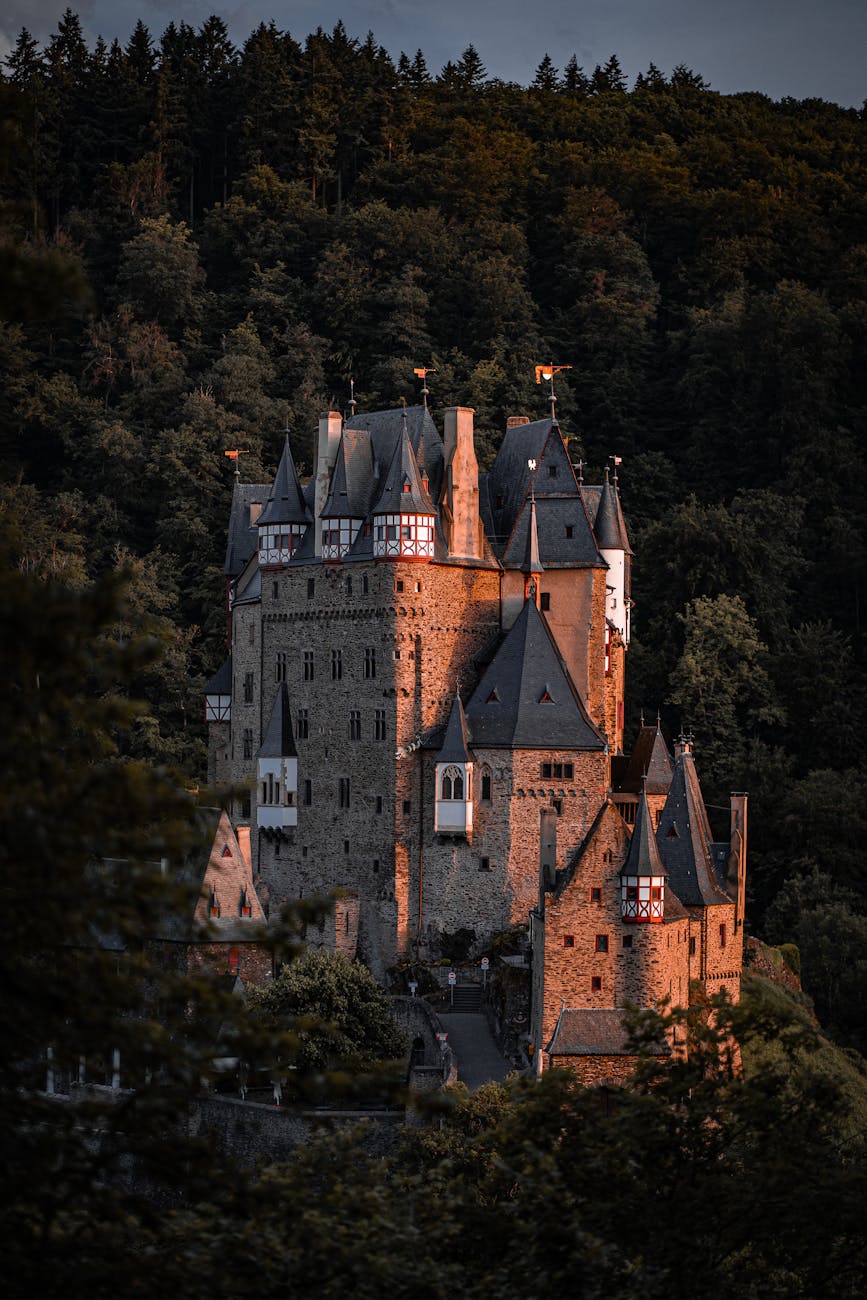
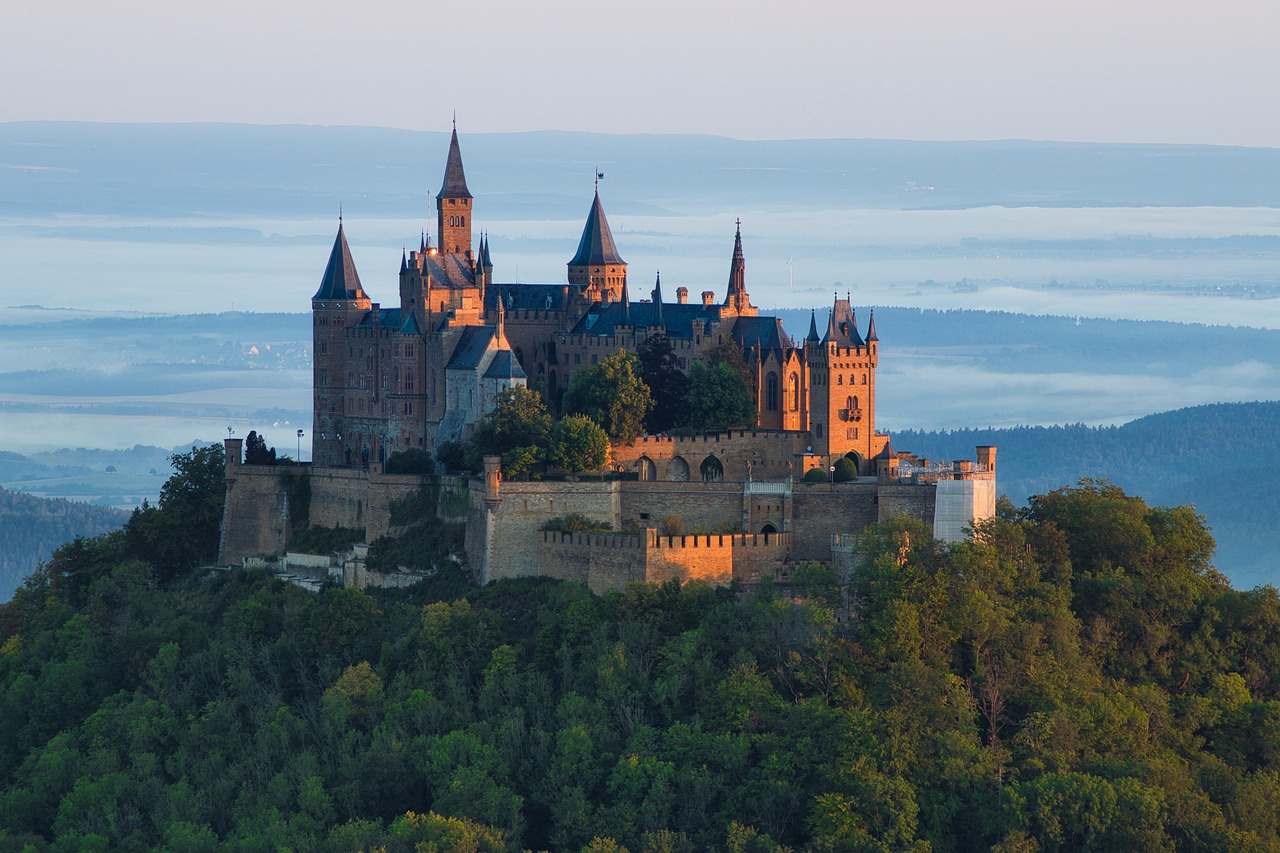
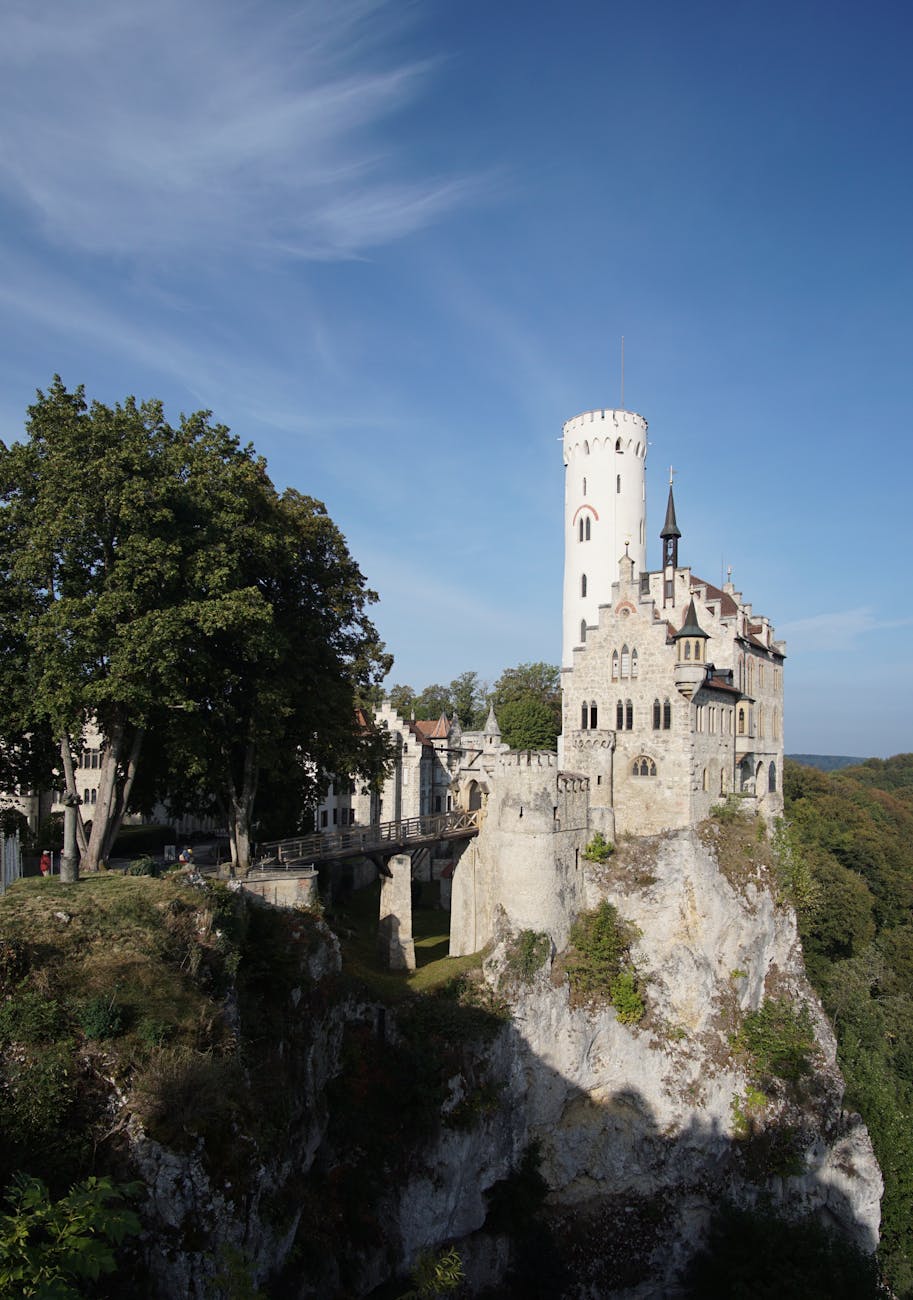
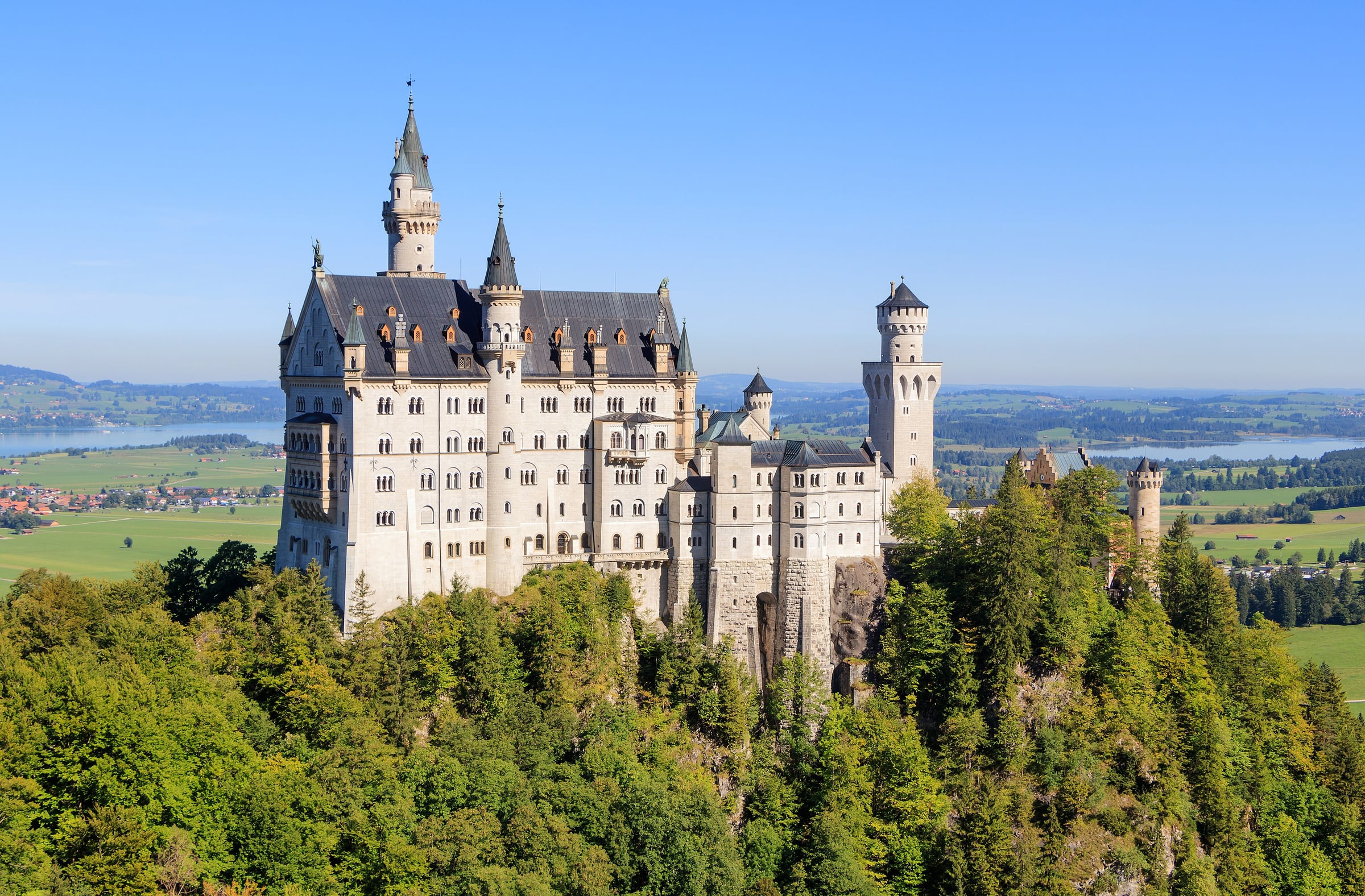
Discover 249 magnificent castles across the country






Types of fortifications in Germany
Germany's fortification heritage encompasses a wide variety of defensive structures beyond traditional castles. These include hilltop castles, water castles, fortresses, and extensive city walls. Each type served distinct purposes depending on geography, military needs, and regional customs.
Hilltop castles
Hilltop castles, or Höhenburgen, are perhaps the most characteristic medieval fortifications in Germany. Built on elevated terrain, these castles provided commanding views of the surrounding landscape, enabling early detection of approaching enemies. Examples like the imposing Wartburg Castle in Thuringia showcase this strategic placement combined with architectural sophistication.
Water castles
Water castles, or Wasserburgen, are surrounded by moats or natural bodies of water, enhancing their defensive capabilities. These fortifications are particularly common in the North German plains where water access was abundant. The picturesque Schloss Moyland in North Rhine-Westphalia exemplifies the water castle tradition, blending defense with aesthetic appeal.
Fortresses and defensive walls
Beyond castles, Germany features numerous fortresses that were often expanded or modernized well into the early modern period. The town of Rothenburg ob der Tauber is renowned for its well-preserved medieval city walls, which formed an integral part of urban defense systems. Fortresses such as the Festung Königstein in Saxony illustrate the evolution of military architecture adapting to artillery advancements.
Architectural styles and influences
The architectural styles of German castles reveal a rich tapestry of influences spanning several centuries. Early Romanesque features gave way to Gothic innovations, followed by Renaissance and Baroque modifications in many structures.
Roman and romanesque foundations
Some of the oldest German castles retain Romanesque elements characterized by thick walls, rounded arches, and robust towers. Wartburg Castle, for instance, preserves Romanesque features that reflect the fortress-building techniques of the 11th and 12th centuries.
Gothic developments
The Gothic period introduced pointed arches, ribbed vaults, and increased verticality. Many castles underwent expansions during this era to include elaborate chapels and residential quarters. Marksburg Castle on the Rhine River is a prime example, notable for its well-preserved medieval Gothic architecture and military functions.
Renaissance and baroque influences
With the Renaissance came a shift toward more comfortable living spaces and aesthetic embellishments. Some castles were transformed into palatial residences featuring ornate facades and gardens. Heidelberg Castle, while primarily Renaissance in style, also incorporates Gothic ruins, illustrating the layered architectural history of German fortifications.
Regional variations in castle heritage
Germany's varied geography and historical regions have contributed to distinct regional characteristics in castle construction and style.
Bavaria and southern germany
In Bavaria, castles often display a mix of medieval fortification and later romanticized architecture. Neuschwanstein Castle, though a 19th-century creation, embodies the historic romanticism inspired by medieval designs prevalent in the region. Traditional southern castles also frequently occupy rugged hilltops reflecting the Alpine terrain.
Rhineland and the middle rhine valley
The Middle Rhine Valley is renowned for its concentration of castles overlooking the river, built primarily during the high medieval period to control trade routes. Castles such as Marksburg and Pfalzgrafenstein island castle highlight the strategic use of riverine locations for both defense and toll collection.
North german plains
The flat terrain of northern Germany favored water castles and moated fortresses. The availability of natural water bodies influenced the construction of elaborate moats and defensive ditches, as seen in castles like Schloss Glücksburg in Schleswig-Holstein.
Notable periods of castle construction
Several distinct periods marked significant phases of castle building within Germany, each reflecting changing social and military needs.
High medieval expansion (11th–13th centuries)
This period saw the initial proliferation of stone castles replacing earlier wooden structures. The consolidation of feudal power led to the construction of many hilltop castles designed for both defense and lordship assertion. Wartburg Castle is a notable product of this era.
Late medieval fortification (14th–15th centuries)
As siege warfare evolved, castles incorporated more sophisticated defensive features such as thicker walls, bastions, and improved gatehouses. Many castles were expanded or reinforced during this time to withstand artillery. Rothenburg ob der Tauber’s fortifications date largely from this period, maintaining their medieval character today.
Early modern modernization (16th–17th centuries)
The introduction of gunpowder and cannons prompted the redesign of many fortresses into star forts and bastioned structures. While some castles lost their military relevance, others like Festung Königstein were transformed into formidable fortresses adapted to new warfare technologies.
Preservation and current state
Germany has invested significantly in the preservation of its castle heritage. Many castles have been restored, maintained, or stabilized to prevent further decay. Public and private initiatives work in tandem to protect these historical monuments.
Some castles remain in partial ruin, serving as evocative reminders of the past, while others function as museums, event venues, or hotels. Wartburg Castle and Heidelberg Castle, for example, attract millions of visitors annually and are carefully preserved to balance historical integrity with public access.
Numerous castles are protected under national heritage laws, ensuring conservation efforts adhere to strict guidelines. Despite challenges such as environmental exposure and funding constraints, Germany’s castle heritage remains among the best-preserved in Europe.
Castle tourism and accessibility
Castle tourism plays a vital role in Germany’s cultural and economic landscape. Many castles are accessible to the public, offering guided tours, exhibitions, and cultural events that highlight their historical significance.
Regions like the Rhine Valley and Bavaria have developed extensive tourist infrastructure to support castle visits. Neuschwanstein Castle, one of the world’s most photographed castles, exemplifies how heritage sites can attract global audiences. Additionally, hiking trails and scenic routes connect multiple castles, encouraging exploration of Germany’s fortification landscape.
Accessibility varies, with some castles equipped for visitors with reduced mobility, while others maintain their rugged medieval character with limited facilities. Visitor centers, museums, and interactive displays enhance the educational experience, deepening public appreciation of Germany’s castle heritage.
Cultural significance and heritage
Castles in Germany embody more than architectural feats; they represent the country’s layered history, cultural identity, and artistic achievement. These fortifications are tangible links to the medieval past, reflecting the social hierarchies, military conflicts, and regional diversity of earlier eras.
Cultural events such as medieval festivals, concerts, and reenactments often take place within castle grounds, fostering community engagement and heritage awareness. Literature and art have also drawn inspiration from Germany’s castles, weaving them into the national imagination.
Internationally, German castles contribute to the broader understanding of European medieval history and castle architecture. Their preservation and promotion underscore the value placed on cultural heritage as a bridge between past and present.
Castle Locations in Germany
Explore all castle locations on an interactive map
Loading castle locations...