Picture yourself standing at midnight in front of an old castle gate. Wind howls between the towers, and somewhere a hinge creaks, even though nobody touched it. Sounds like cheap horror movie filler? Maybe. But guards, tour guides, and residents of several European estates have insisted for generations that this isn't some cinematic gimmick — it's just their everyday reality. I'll admit, the first time I heard the story of Edinburgh's "headless piper," I laughed out loud. That changed once I read how many people, completely unaware of the legend, independently reported the exact same experience in the exact same spot. Suddenly it wasn't so funny anymore.
Below are seven castles where history and legend blur together so thoroughly that it's hard to tell them apart. No fluff — just facts, names, dates, and (where we happen to get lucky) actual scientific research that tried to explain it all. Do ghosts exist? I have no idea. But these stories stick with you either way.
1. Bran Castle – in Dracula's shadow
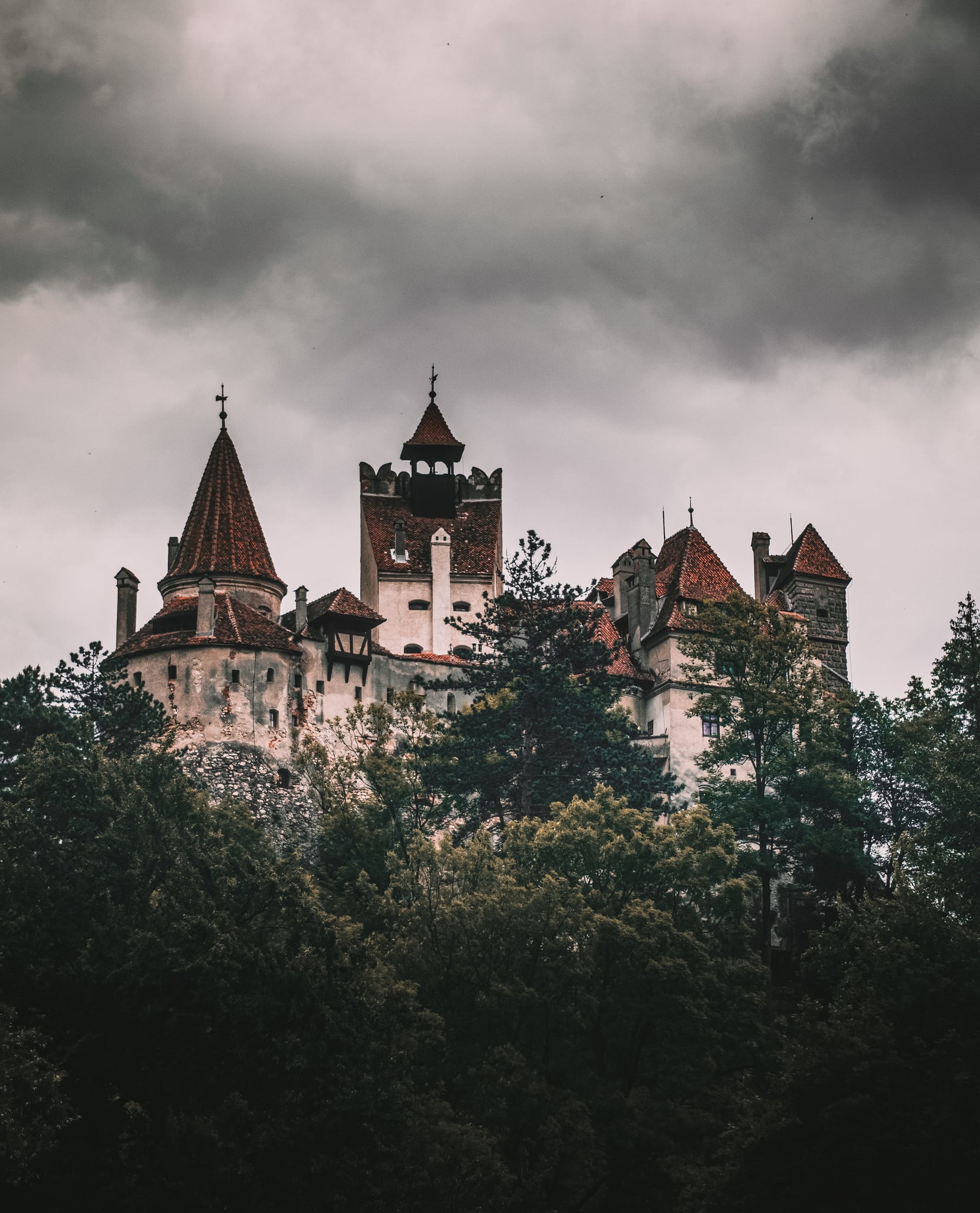
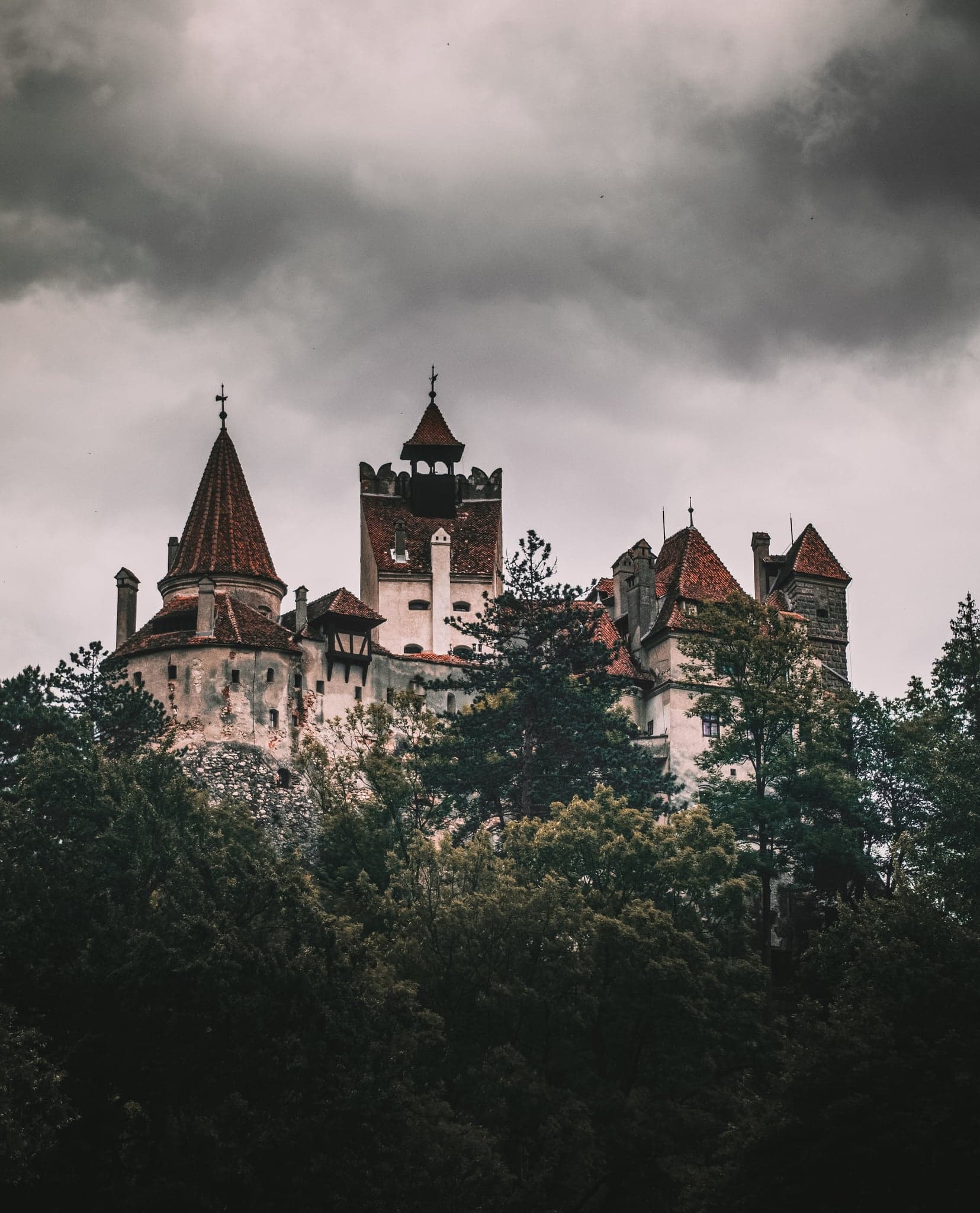
You can't start a list of haunted castles without mentioning Bran Castle in Romania, forever tied to the legendary Count Dracula. The historical link between Vlad the Impaler and this particular building is shaky at best, but that hasn't stopped these walls from becoming pop culture's go-to symbol of vampiric horror. Perched on a rocky hill in Transylvania, the castle looks ripped straight out of a gothic novel — sharp turrets, narrow windows, and twisting, dark corridors that hit hard even in daylight, let alone after dark.
Locals have talked for generations about unexplainable phenomena — sudden temperature drops in specific rooms, shadows slipping across the walls, and that nagging feeling that someone is always watching. Some visitors claim they've heard whispers in a language they couldn't place. A skeptic would say: suggestion, atmosphere, tricks of the light. Maybe. But even I, writing about this place from behind a desk, feel a faint chill.
The castle remembers more than we could ever imagine — and maybe that's exactly why we keep coming back.
The Dracula legend, popularized by Bram Stoker's novel, turned Bran into a magnet for horror fans worldwide — even though Stoker himself never set foot in Romania and based his description purely on maps and travelers' accounts. Sometimes imagination beats historical fact by a landslide.
2. Edinburgh Castle – the eternal guardian of Scottish ghosts
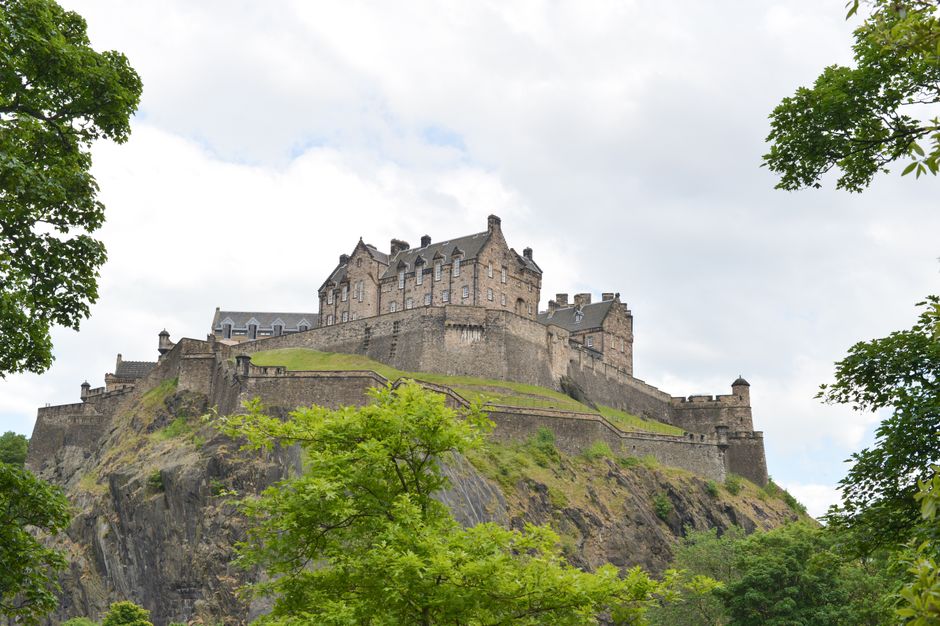
When it comes to documented ghost sightings, Edinburgh Castle in Scotland breaks records. It's been besieged more than 26 times throughout its history — more than any other site in Britain. This monumental fortress, looming over the city, witnessed centuries of sieges, executions, and torture, so it's hardly shocking that it's considered one of the most haunted places in Europe.
One of the most frequently mentioned legends is the "headless piper" — the ghost of a young musician said to have vanished in the underground tunnels running from the castle toward the Royal Mile. As the story goes, he was sent to map the passages while playing his bagpipes so guards above could track his progress by sound. Halfway down, the music suddenly stopped, and the boy was never found. To this day, some claim they can hear the faint echo of bagpipes drifting up from underground, especially on quiet, misty evenings.
Now for the hard facts, because this is one castle where science actually got curious. In April 2001, as part of the Edinburgh International Science Festival, psychologist Dr. Richard Wiseman of the University of Hertfordshire led one of the largest paranormal investigations ever conducted. Over 10 days, 240 volunteers — pre-screened to make sure they had no knowledge of the castle's ghost stories — were led in small groups through the castle's vaults and underground chambers, equipped with thermal cameras and magnetic field sensors. The result? 51% of participants reported experiences they couldn't explain — sudden temperature drops, the sensation of being touched, shadowy figures — and these clustered overwhelmingly in the rooms long rumored to be haunted, despite the volunteers having no idea which rooms those were. Wiseman himself, a self-declared skeptic, later admitted the pattern was "quite intriguing." Coincidence? Possibly. But over two hundred strangers landing on the same spots isn't something you shrug off the next morning.
3. Tower of London – where history and horror go hand in hand
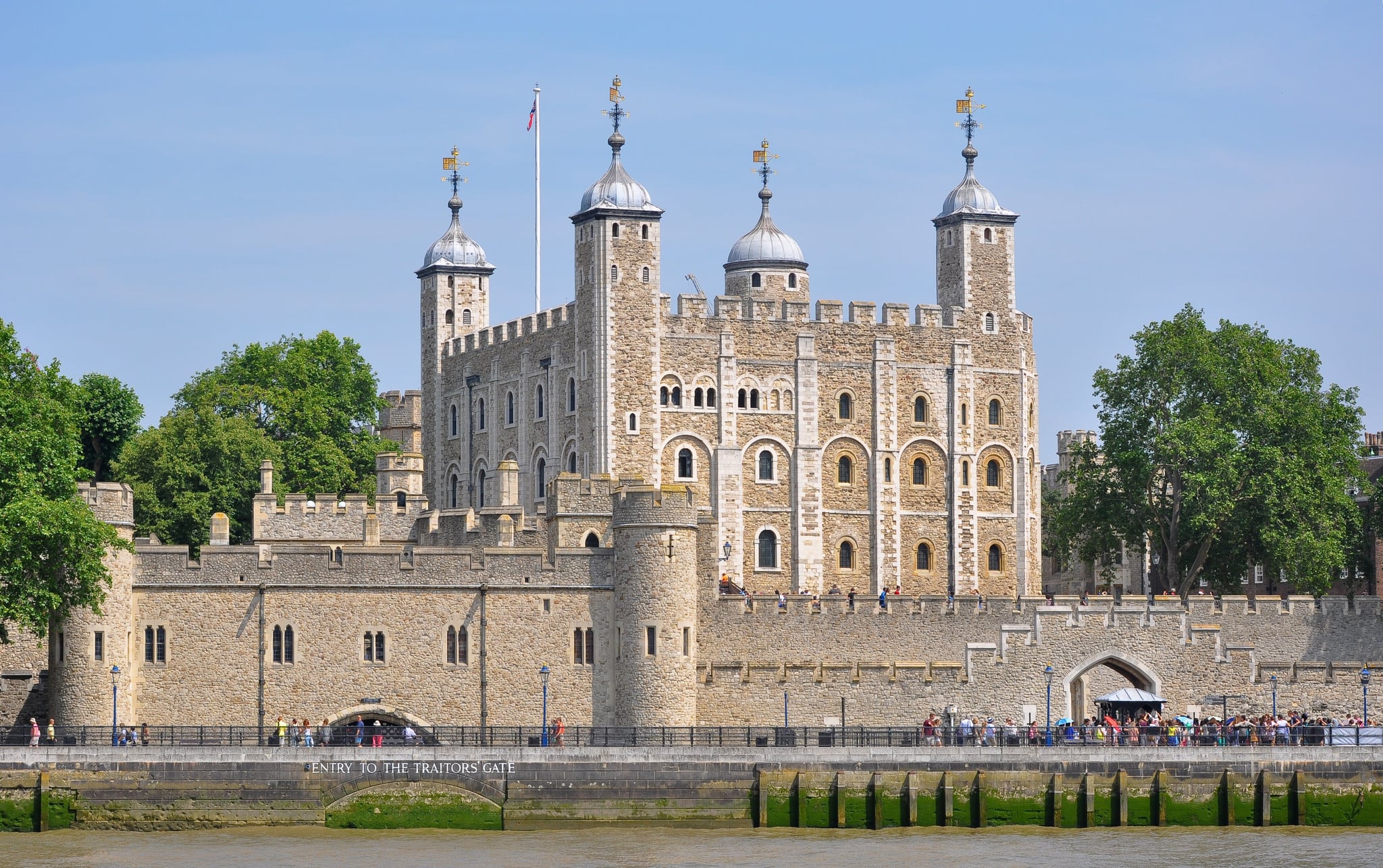
Few places carry as much symbolic weight in British ghost lore as the Tower of London. This fortress, which served at various points as a prison, an execution site, and the royal treasury all at once, holds so much tragedy that the ghost stories surrounding it almost feel inevitable. It was here that Anne Boleyn, Henry VIII's second wife, was beheaded on charges of treason later proven false.
Tower guards still claim to have seen Anne Boleyn's headless figure walking the courtyard, sometimes carrying her own severed head under her arm. Sounds like something out of a B-movie, right? And yet these accounts have been passed down, guard to guard, for centuries. Another equally chilling tale involves two young princes — sons of Edward IV — who vanished under mysterious circumstances in 1483. Their ghosts, dressed in white nightgowns, are said to still wander the chambers hand in hand, as if searching for a way out.
Then there's the story of Margaret Pole, Countess of Salisbury, whose execution in 1541 was reportedly brutal and chaotic — the executioner supposedly needed several strikes to finish the job. Some say her screams and the sounds of a struggle can still be heard around the anniversary of her death. Whether or not you believe in ghosts, the sheer weight of tragedy stacked into one relatively small site is hard to shake off.
4. Chillingham Castle – England's most haunted fortress
Chillingham Castle in Northumberland has a reputation that unsettles even seasoned ghost hunters. It's often billed as "the most haunted castle in England," and that title didn't come out of nowhere. For centuries it served as a stronghold, a prison, and a torture chamber, which — unsurprisingly — left it with a hefty collection of dark legends.
A big chunk of the castle's grim reputation comes down to John Sage — an infamously ruthless executioner who "worked" the dungeon for years during brutal border conflicts. Many rooms in the castle still carry a heavy, almost tangible weight because of him. The best-known resident ghost is the so-called "Blue Boy," a child's spirit whose screams were reportedly heard in one bedroom for years — until renovation work uncovered a child's remains bricked into the wall, along with a scrap of blue fabric. Once the remains were properly buried, the screaming apparently stopped for good. Guess what happened when someone tried to dismiss the story as folklore? Visitors still report sudden cold spots and a heavy sense of unease in that exact same room, as if the echo of that tragedy never quite finished playing out.
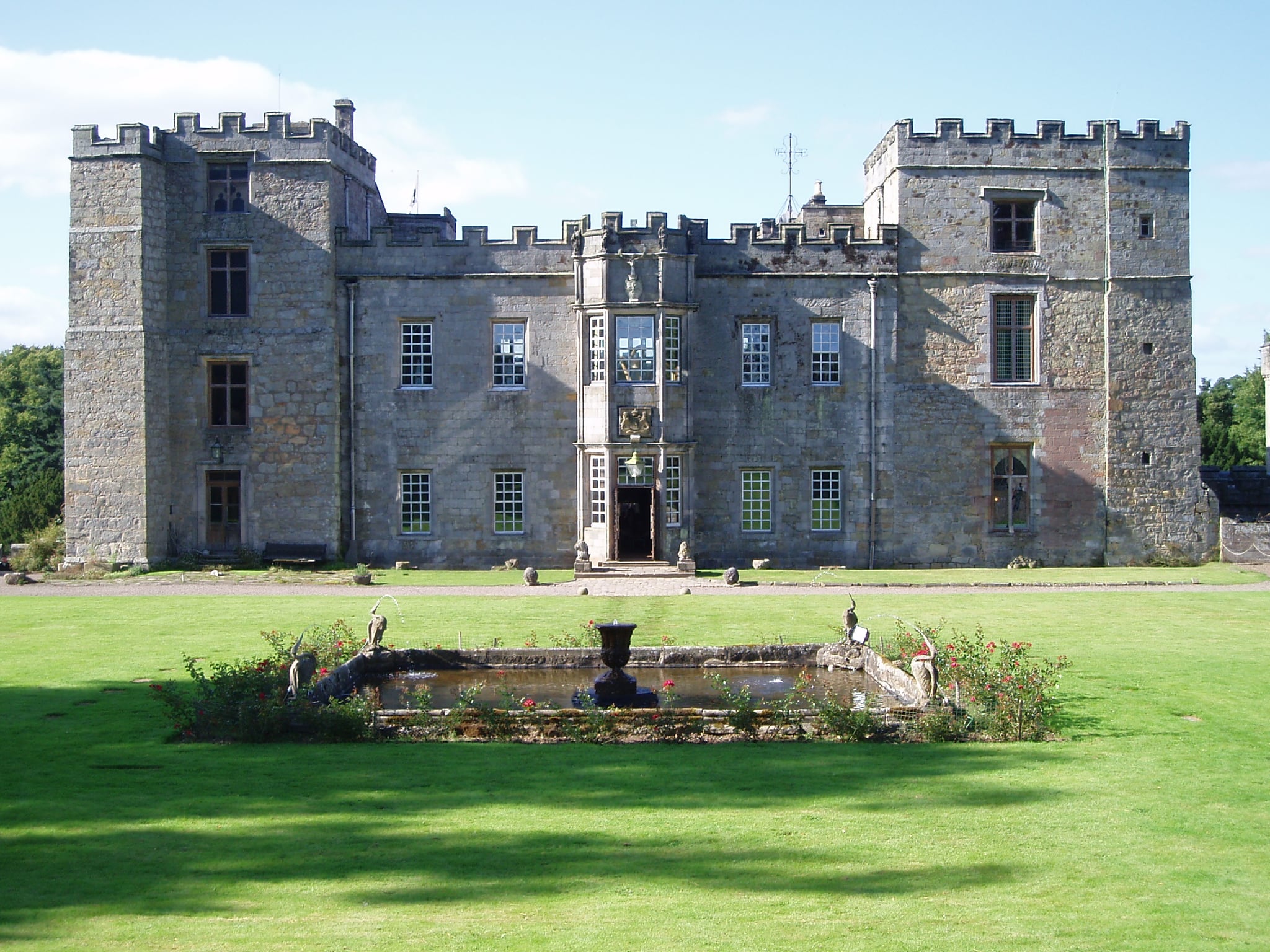
Another permanent "resident" is said to be the ghost of Lady Mary Berkeley, an abandoned wife who reportedly spent the rest of her life wandering the corridors searching for her unfaithful husband. Witnesses describe a figure in a rustling gown that appears and vanishes in an instant. Interestingly, Chillingham regularly hosts TV crews and paranormal researchers, and the sheer number of reported incidents — from sudden temperature drops to footsteps in empty hallways — is large enough that local tourism boards openly market the castle as a destination for thrill-seekers.
5. Leap Castle – Ireland's fortress of blood-soaked secrets
If you're after a place where history and horror are woven together in the most literal way possible, Leap Castle in County Offaly, Ireland, fits the bill perfectly. Once home to the O'Carroll clan, the castle is tied to one of the most gruesome legends in all of Europe — the story of the so-called "Bloody Chapel." A small room accessed through a collapsible trapdoor served as an execution site, where enemies of the clan were dropped onto spikes driven into the floor below.
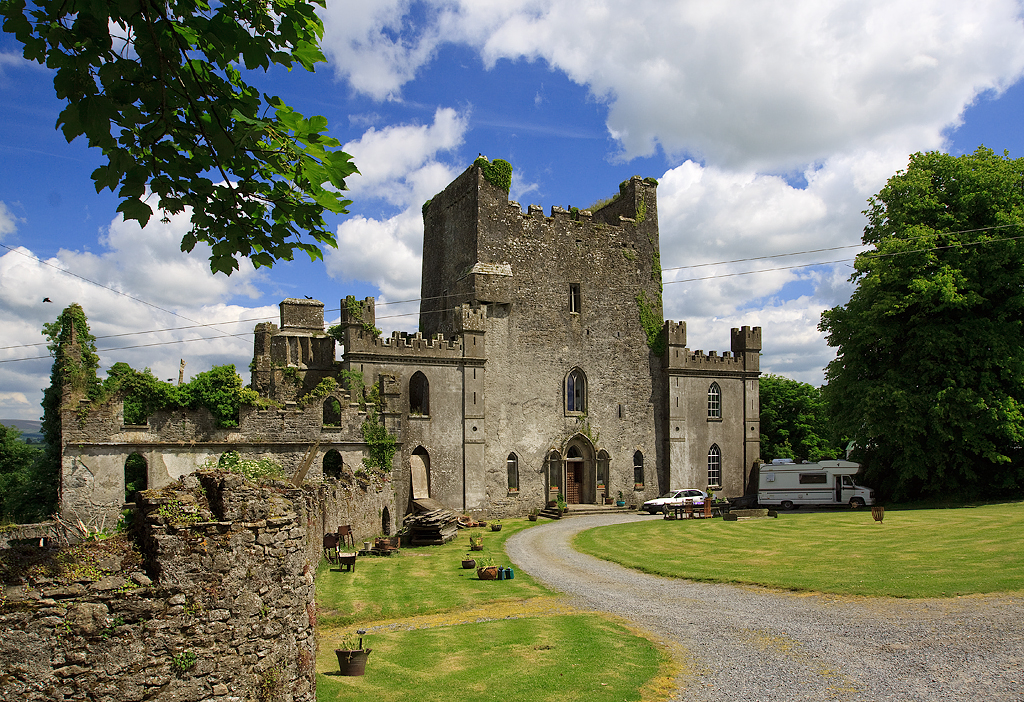
When the pit was cleared out during a 20th-century renovation, workers reportedly filled several wheelbarrows with human bones. It's hard to even imagine how much suffering happened in that spot over the centuries. Even more gruesome is the legend of the "Bloody Chapel" itself — supposedly named after one O'Carroll family member, a priest, who was murdered by his own brother mid-Mass. It's about as blunt a reminder as you'll find of how family feuds could turn a place of prayer into a crime scene.
How would you feel knowing you're standing directly above the spot where people were once thrown onto spikes? For me, honestly, just picturing it is enough.
Fear at Leap Castle isn't a metaphor — it's something you can practically feel in the air.
Alongside the "Elemental," witnesses also report the apparitions of a monk and a woman in a red dress, likely victims of one of the many family feuds that plagued the O'Carroll clan for generations. Sometimes the most terrifying stories don't need any fiction at all.
6. Moosham Castle – Austria's witch trial legacy
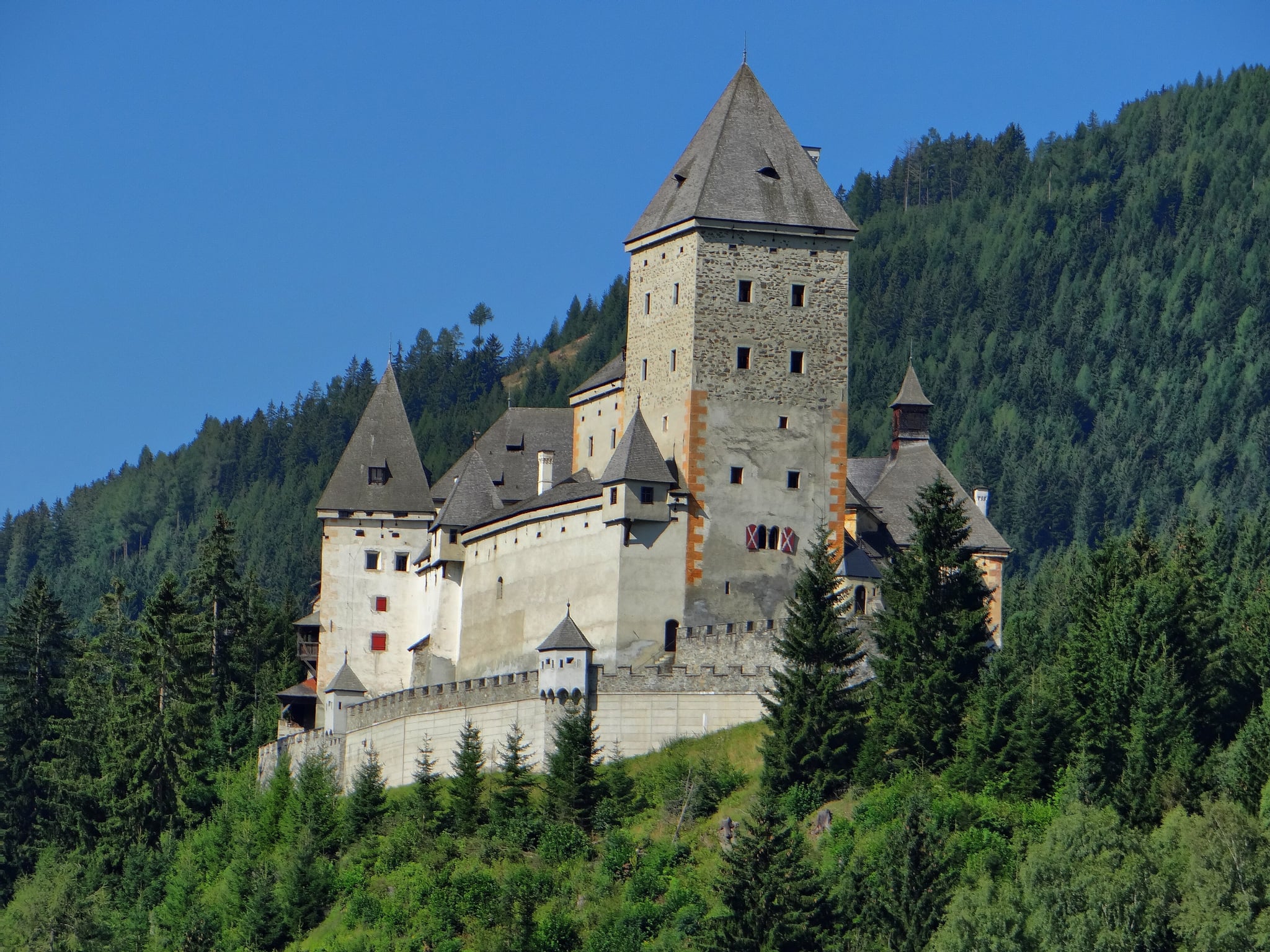
Let's head to the Austrian Alps now, where Moosham Castle rises on a hilltop — a place forever tied to some of the bloodiest witch trials in European history. Between the late 17th and early 18th centuries, dozens of people accused of witchcraft, including many children, were tried and sentenced to death here. Just thinking about how many innocent lives were extinguished in the name of period superstition is enough to explain why this place carries such a heavy atmosphere.
Visitors regularly report a feeling of heaviness in the air, sudden chills, and the sense of being watched, especially in the cellars where prisoners were once held before execution. Some guides claim that paranormal activity noticeably intensifies at certain times of year — particularly around the anniversaries of past executions. Is that just suggestion, fed by knowledge of the castle's dark history? Or do the ghosts of the wrongly accused genuinely return to remind us of the injustice they suffered?
Worth noting: Moosham isn't limited to witch trial legends. The castle is also linked to tales of the "Perchten" — demonic figures from Alpine folklore said to roam the surrounding hills on winter nights. Real, documented historical tragedy is woven so tightly here with local folklore that it's genuinely hard to say where one ends and the other begins.
7. Houska Castle – The Czech gateway to hell
Last up is probably the strangest story of the entire seven. Houska Castle, tucked deep in the forests north of Prague, has puzzled historians for seven centuries for one simple reason: it doesn't make sense. It doesn't sit near any trade route, doesn't guard any border, and didn't even have access to running water — just a cistern for rainwater. In other words, as a typical medieval defensive fortress, it fails on every count. Which raises the obvious question: why was it built at all?
Legend has a ready-made, spine-chilling answer. Locals have believed for generations that the castle wasn't built to keep something out — it was built to keep something in. Where the castle chapel now stands, there was supposedly a bottomless crack in the rock — a literal "gateway to hell," from which winged beasts and half-human, half-animal creatures were said to emerge and terrorize nearby villages. The builders reportedly sealed the opening with a thick stone slab and raised a chapel above it, dedicated to the Archangel Michael — the same archangel who, in Christian tradition, led the fight against the fallen angels. The symbolism really couldn't be more on the nose.
To this day, the chapel walls display (if "display" is even the right word) unsettling frescoes, including a centaur drawing a bow with its left hand — left-handedness was directly associated with the devil in medieval times. Visitors report scratching sounds beneath the chapel floor, as if something is still trying to get out, along with sightings of a headless horseman and a silent old woman wandering the grounds. Even during World War II, when German forces occupied the castle, locals spoke of strange lights and sounds coming from the fortress at night — some historians speculate the Germans may have conducted occult research there, though no hard evidence has ever surfaced.
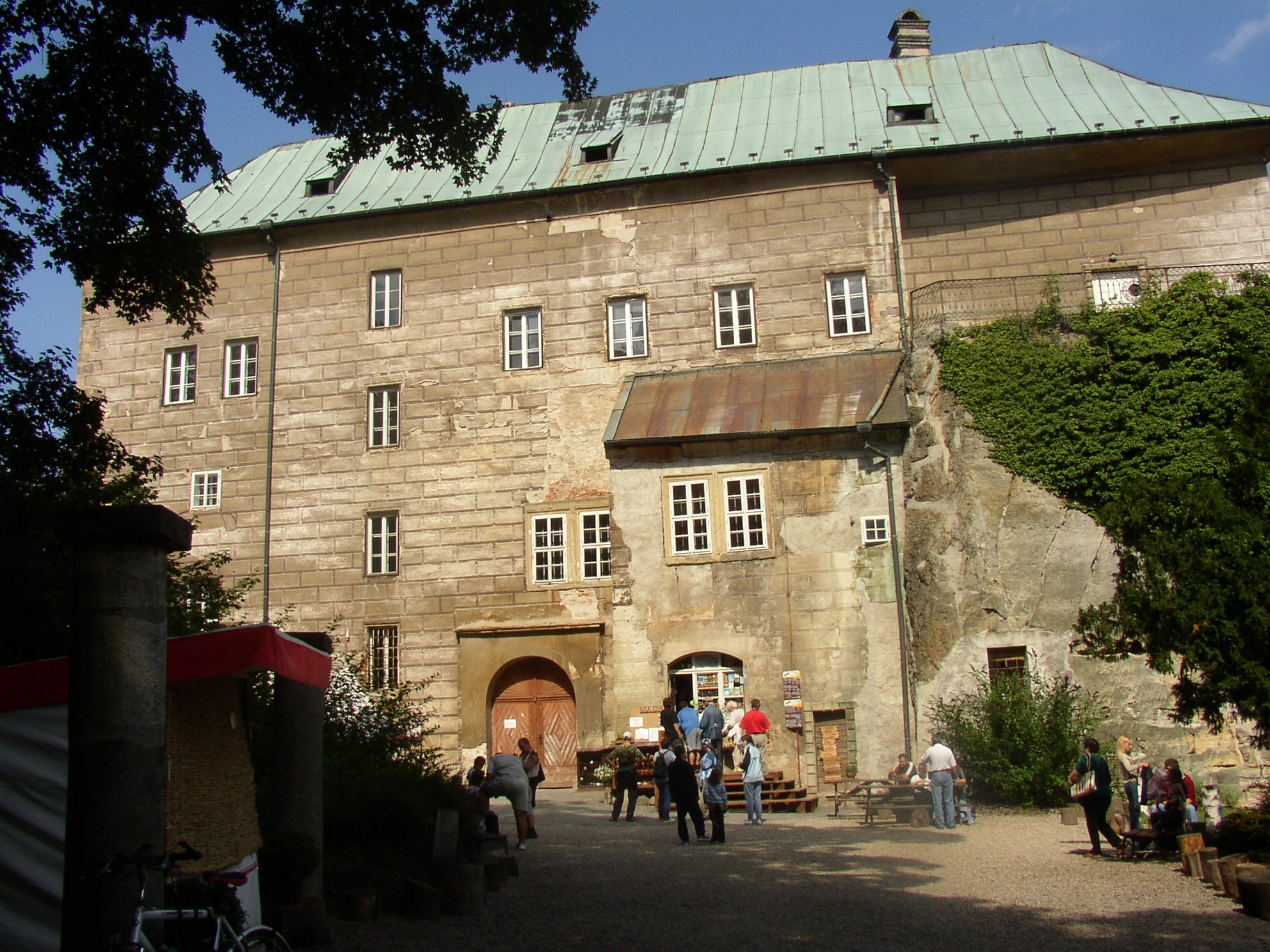
Honestly, this castle makes the biggest impression on me out of all seven. Not because it's the "scariest" in terms of ghost count, but because even setting aside the demon angle entirely, the sheer fact that someone built such a costly structure in a location that makes zero defensive sense remains a mystery historians haven't cracked to this day.
The documented facts about Houska are just as strange as the gateway-to-hell legend itself — and honestly, that might be the most unsettling part of the whole story.
Why do castles terrify and fascinate us so much?
Ever wonder why it's old castles, and not, say, modern office buildings, that so often become the setting for ghost stories? The answer is simpler than you might think. Castles combine centuries of history with architecture that's unsettling on its own — long corridors, narrow staircases, dark dungeons — and on top of that, real, often brutal events that actually happened there. It's a bit like campfire storytelling: the more real drama lurking in the background, the easier it is to believe the rest.
Now line up the accounts from all seven castles side by side, and you'll notice the same handful of motifs repeating themselves. Regardless of country or era, witnesses most commonly report:
- sudden, localized temperature drops in a specific room (with no draft or open window to explain it),
- footsteps or whispers echoing through empty corridors,
- an intense, unexplained sense of unease or of being watched,
- smells that don't belong — mustiness, sulfur, sometimes even perfume from an era before electricity existed,
- and brief, hazy glimpses of figures out of the corner of the eye that vanish the moment you try to look directly at them.
Interesting, right? Maybe it just means the human brain reacts pretty predictably under similar conditions — darkness, silence, knowledge of a place's dark history. Or maybe ghosts across Europe just happen to share remarkably similar habits. I'll leave that one up to you.
Psychologists would point to the power of suggestion here, along with something called pareidolia — the brain's tendency to find patterns and meaning where none actually exist. Walk into an old, dimly lit castle already knowing its dark history, and suddenly every creak, draft, or shadow carries far more weight than usual. That doesn't mean everything can be explained away that easily. But it does show just how much context shapes what we end up "seeing."
Believe in ghosts or not, it's hard to deny that haunted castles hold a certain magnetic pull. They're places where history stops being an abstract textbook fact and becomes something you can practically feel on your skin. Next time you hear an odd sound in an old building, before writing it off as just a draft — maybe you'll think back to one of these seven places.
Final thoughts
From Transylvania's Bran, through Scotland's Edinburgh, all the way to the Czech Republic's Houska — each of these seven castles offers something completely different, but they're all bound by the same thread: stories that have outlived the centuries, even without anyone ever fully confirming them. Whether you'd visit out of pure historical curiosity or in search of a good scare, it doesn't really matter. None of these castles let you walk out quite the same way you walked in.