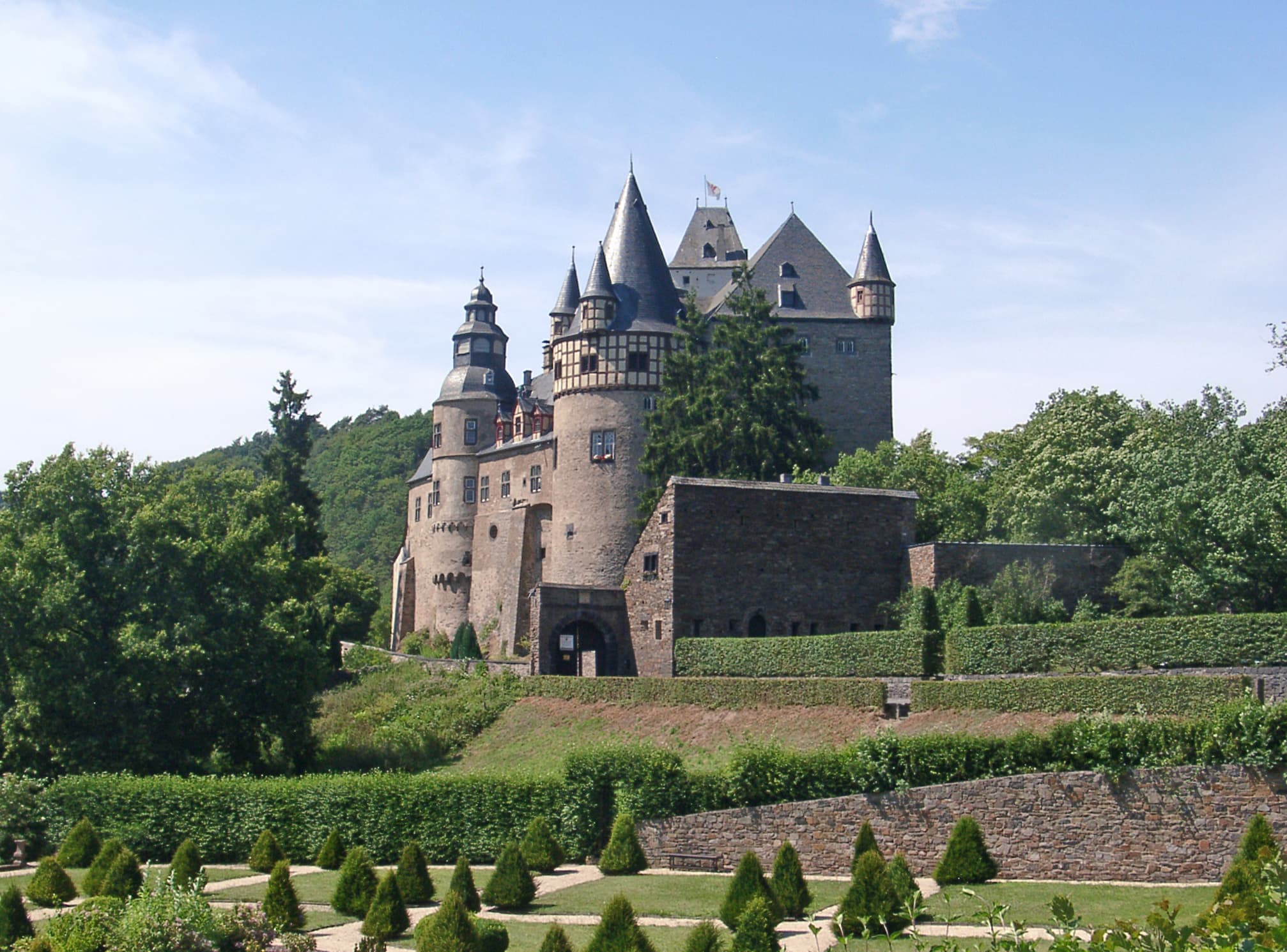
Most people carry the same picture of a medieval castle in their head. Cold stone rooms, a dark dungeon, oil pouring off the walls, a moat full of filth. Movies and old novels built that image over two hundred years, and the picture stuck hard.
The real history looks different, and often stranger than the myth. Here are ten claims about castles that get repeated all the time, checked against what historians and archaeologists actually found.
Castles were not packed with dark, prisoner-filled dungeons
Picture a castle dungeon. Chains on the wall, a guard in the shadows, rats on the floor. It's the image most people carry, and it's mostly wrong.
The word dungeon comes from the Old French donjon. A donjon was the keep, a castle's main tower and its strongest, most prestigious room. Nobody locked prisoners in the finest room of the house. Over time the word got tangled up with an Old English term for an underground dwelling, and the meaning drifted toward the grim version we use today.
Most castles held prisoners for a short stretch only. A captured noble waited there until a ransom got paid. A rival stayed there until someone decided his fate. High-status prisoners often got decent food and a real bed, since a dead hostage brought no ransom at all. Purpose-built cells became common only after the 12th century, and even then most castles never built a maze of underground rooms for prisoners.
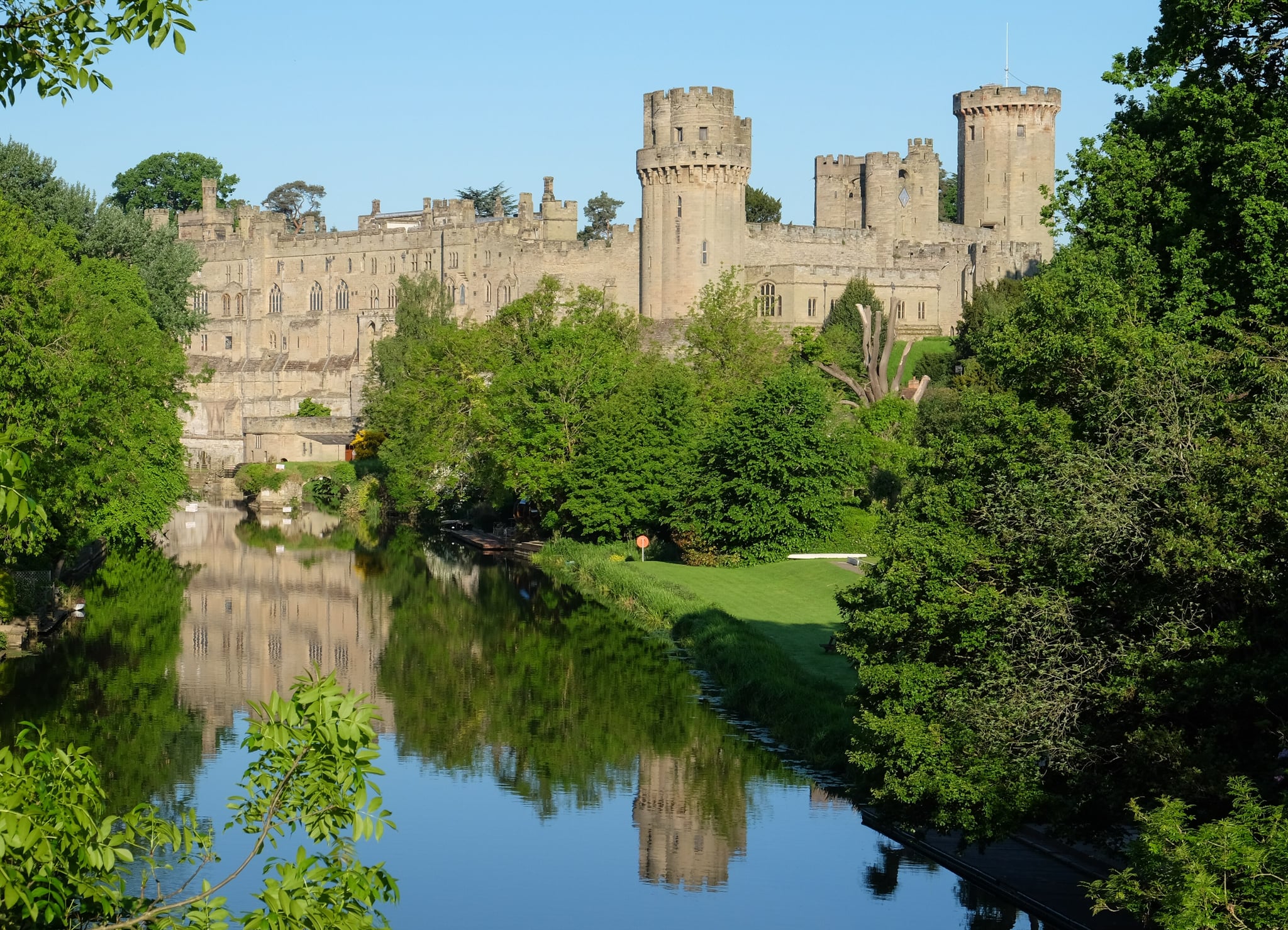
So where did the tourist "dungeon" come from? Mostly storerooms, cellars, ice chambers, and latrines. At Warwick Castle in England, one small underground room is shown to visitors as a dungeon, complete with a gibbet added for atmosphere. Historians point out this room more likely served as a latrine. Visitors centuries ago found a strange space, had no idea what it once held, and called it a dungeon. The story stuck, and now nearly every castle tour has one.
Castle rooms were not cold, dark, and grey
A grey stone room lit by one candle. That's the picture in most people's heads, and real castle interiors looked nothing like it.
Wealthy owners hung thick tapestries on the walls for warmth and color. Floors held fresh rushes mixed with sweet herbs, swapped out on a regular basis rather than left to rot. Builders plastered and painted walls in red, yellow, and blue, sometimes in patterns made to look like expensive stonework. Multiple fireplaces heated separate rooms, and glass windows, costly but increasingly common in wealthy households, let in light without losing heat.
A well-furnished castle hall looked closer to a rich manor house than a stone bunker.
"Be it ever so grand or ever so humble, a castle was first and foremost a home."
- Marc Morris, Castle: A History of the Buildings that Shaped Medieval Britain
Boiling oil was rarely used in castle defense
Every siege film shows the same scene. Boiling oil pours down from the walls onto attackers below. Real sieges looked different.
Oil cost a lot of money. A besieged garrison ran low on food and fuel fast, and heating vats of expensive oil made little sense during a long siege, exactly the moment defenders would need it most. English Heritage points out that hot oil shows up in only a handful of historical records, including the siege of Orléans in 1428.
Defenders reached for cheaper weapons instead. Boiling water, heated sand, and quicklime did the job for far less cost. Sand worked its way into gaps in armor and burned skin almost as badly as oil. Quicklime turned caustic on contact with anything wet, and worked as a kind of medieval eye irritant against anyone climbing a ladder. During the 1216 siege of Château de Beaucaire in southern France, one account describes defenders using flaming pitch against the attacking crusader forces, a cheaper and more available substance than oil.
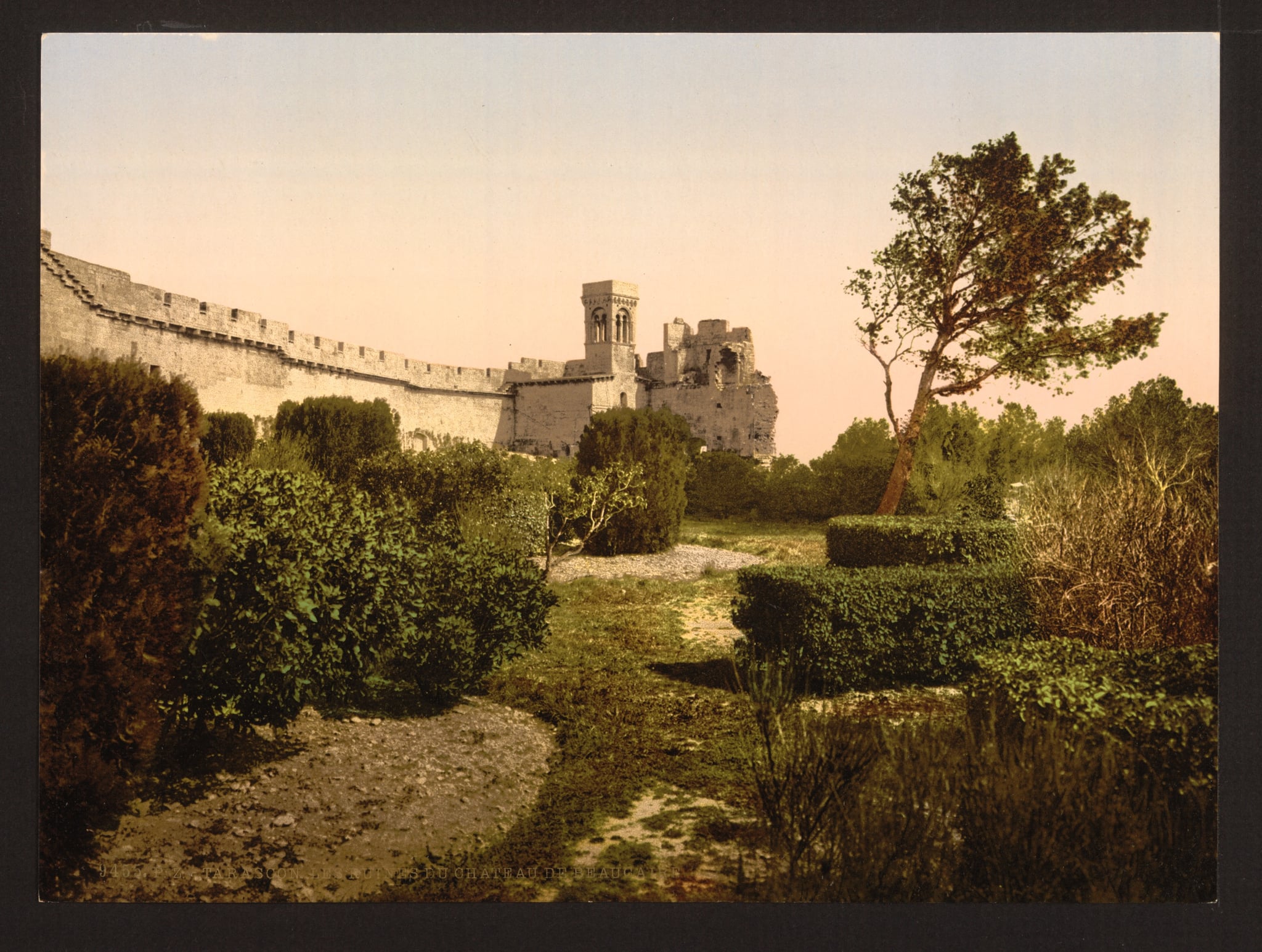
The openings built into castle walls for this exact purpose, called machicolations, saw far more water and stone pass through them than oil.
Moats were not giant sewage pits
Moats get called open sewers online all the time. It's a popular claim, and mostly an overstatement.
A moat's main job was defense. Water around a castle stopped siege engines, ladders, and tunnels from reaching the walls, and slowed down any direct attack long enough for defenders to react. Bodiam Castle in East Sussex, built in 1385 by Edward Dalyngrigge, still shows this clearly today. Its wide, well-preserved moat, maintained by the National Trust, worked as a defensive barrier and a water source at once, not a waste channel.
Waste did drain into some moats over time, especially in castles with poor upkeep or older drainage systems. That's a real part of the picture. But a permanent sewage pit was never the plan behind a moat's design, and a well-run castle kept its moat clean on purpose, not by accident.
Not every castle hid a secret tunnel
Nearly every castle tour includes a story about a secret tunnel. A passage to the village church, an escape route into the forest, a hidden link to a nearby abbey. Good story. Rarely true.
Some castles did include hidden stairways or a small side gate called a sally port, used for surprise counterattacks against a besieging army. Bodiam Castle, alongside its main gatehouse, also has a smaller postern gate on the opposite side, a real and well-documented feature of that kind. The number of "secret tunnel" legends attached to castles across Europe still outnumbers the actual evidence for them by a wide margin.
A few reasons explain why these stories spread so fast:
- Genuine mystery. Forgotten storerooms and blocked passages invite guesswork once nobody remembers their original use.
- Local pride. A secret tunnel makes a far better tour story than "that room held ice."
- Retelling. Each generation adds a little more, until the tunnel becomes local fact.
- Later renovation. Owners in the 18th and 19th centuries, caught up in Gothic Revival taste, sometimes built dramatic new features to please visitors.
Arrow slits did more than let archers shoot
Those narrow vertical windows cut into castle walls look built for one job, shooting arrows out. That's only part of the story.
An arrow slit let a defender fire out and stay safe from anyone shooting back through the narrow gap. Some slits had a cross-shaped or fishtail base, built to widen a crossbowman's aim without exposing his whole body to return fire. Crenellations along the top of a wall worked on a similar idea, giving archers cover behind stone while wooden shutters between the gaps dropped shut during reloading.
Many slits also brought light and air into thick stone towers, where a full window would weaken the wall. Once castle life shifted toward comfort over combat, some slits stayed purely as decoration, a nod to an older, more dangerous century.
Not everyone slept in the great hall
The idea sounds cozy. Lord, family, servants, and dogs, all bedded down on the floor of one giant hall each night. It happened, just not for most of the medieval period.
Early Norman castles did lean on communal sleeping, especially for lower-ranking staff and guests passing through. The great hall worked as a dining room, meeting space, and dormitory rolled into one, a genuinely multipurpose room at the center of castle life.
Castle design moved on fast. By the 12th and 13th centuries, private chambers and solars gave the lord's family their own space, away from the noise and smoke of the main hall. Garderobes attached to individual rooms show how much privacy mattered as castle life grew more comfortable and less purely military.
A wealthy household with separate quarters became the norm long before the medieval period ended.
Garderobes were smarter than a hole in the wall
A castle garderobe, the medieval toilet, sounds grim on paper. A stone seat over a hole, waste dropping straight down the outside wall or into the moat. Basic, sure, but not careless.
Builders placed garderobes in small chambers along the wall, angled so waste cleared the building and landed in a pit, moat, or channel below. The name comes from the French for "guard the robes". According to the BBC and several medieval sources, people believed the strong ammonia smell inside these small rooms kept fleas and moths out of clothes hung nearby, so a garderobe doubled as clothing storage and toilet at once.
Larger castles built full garderobe towers, stacking several toilets on different floors, all draining into one shared pit below. Bürresheim Castle in Germany still has three separate garderobes visible today, a rare surviving example of this kind of medieval plumbing. That took real planning, not guesswork.
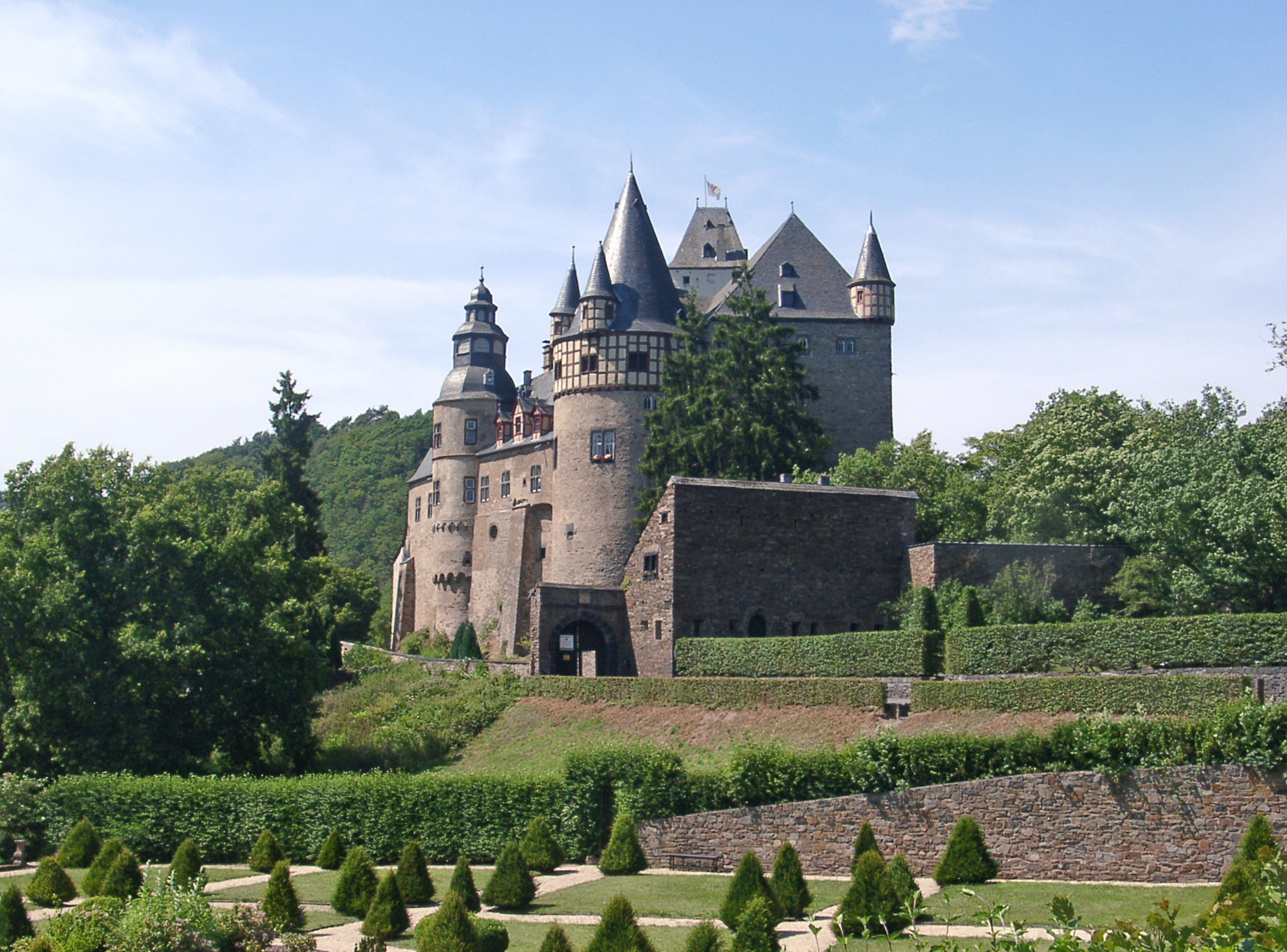
Builders even weighed wind direction and smell when they picked where to place these rooms relative to the kitchen and main living quarters. A garderobe was not modern plumbing, but it was not a crude afterthought either.
Most castles had no secret escape route for the lord
A hidden passage built just for the lord's family to flee during a siege sounds dramatic. It was not standard castle design.
Strong walls and gatehouses were built to stop a siege before it reached that point in the first place. Castles that fell usually did so through surrender, starvation, or betrayal from inside, not a last-minute dash through a secret tunnel. Surrender terms between nobles were often fairly civil, since a future ransom or alliance mattered more than a fight to the death.
Sally ports existed at some castles for tactical counterattacks, and these sometimes doubled as an emergency exit in a real crisis. That's a different thing from a purpose-built escape tunnel reserved for the lord alone, which stays far rarer in the record than the legend suggests.
Castle walls were not always grey stone
Picture a castle today and grey, weathered stone comes to mind first. That look is mostly the result of centuries of decay, not the original design.
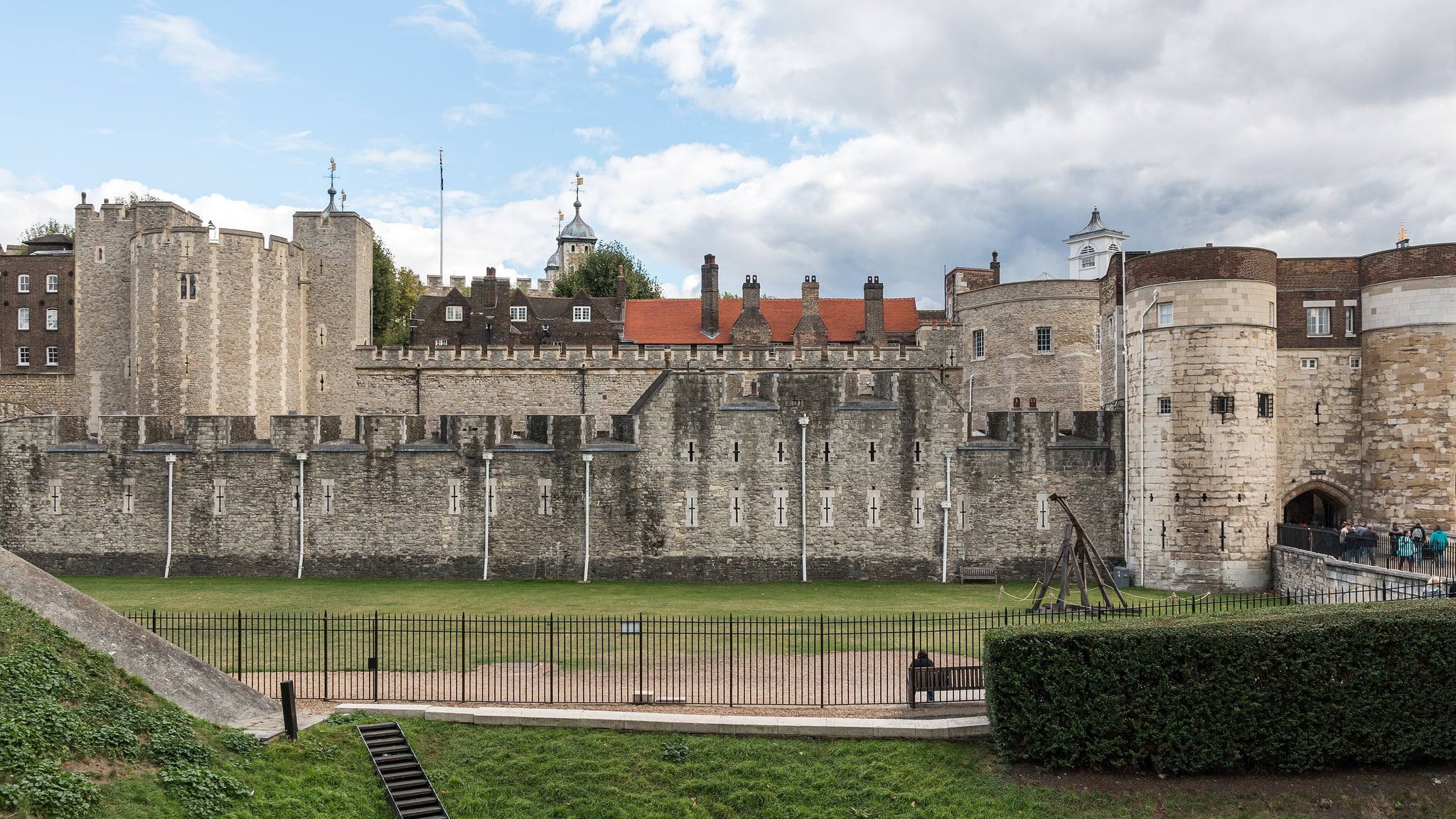
Many castles got whitewashed or plastered on the outside, a bright finish that stood out across the surrounding land and showed off an owner's wealth for miles around. The Tower of London earned its name this way. Henry III ordered the central keep whitewashed in 1240, and people have called it the White Tower ever since.
Painted shields, colorful banners, and heraldic designs added even more color, especially near gatehouses and private chambers where visitors would notice them first.
The grey ruin most people picture today sits closer to a castle's abandoned state than its lived-in years, and that gap between ruin and reality shapes almost every myth on this list.
There's an old English saying that captures the same point about castles as homes rather than pure fortresses.
"An Englishman's home is his castle."
- Traditional English proverb
What this means for how you see a castle now
Castles were dangerous, defensive buildings during a siege. That part holds up. But the image most people carry, grim, cold, filled with torture, owes more to Victorian novels and modern film than to real medieval life.
The real story holds more detail than any dungeon-and-oil cliché can offer. A castle was a home, a status symbol, and a working estate that changed shape across five or six centuries of use. Next time you walk through a castle ruin, or watch another siege scene on screen, that history is worth a second look.