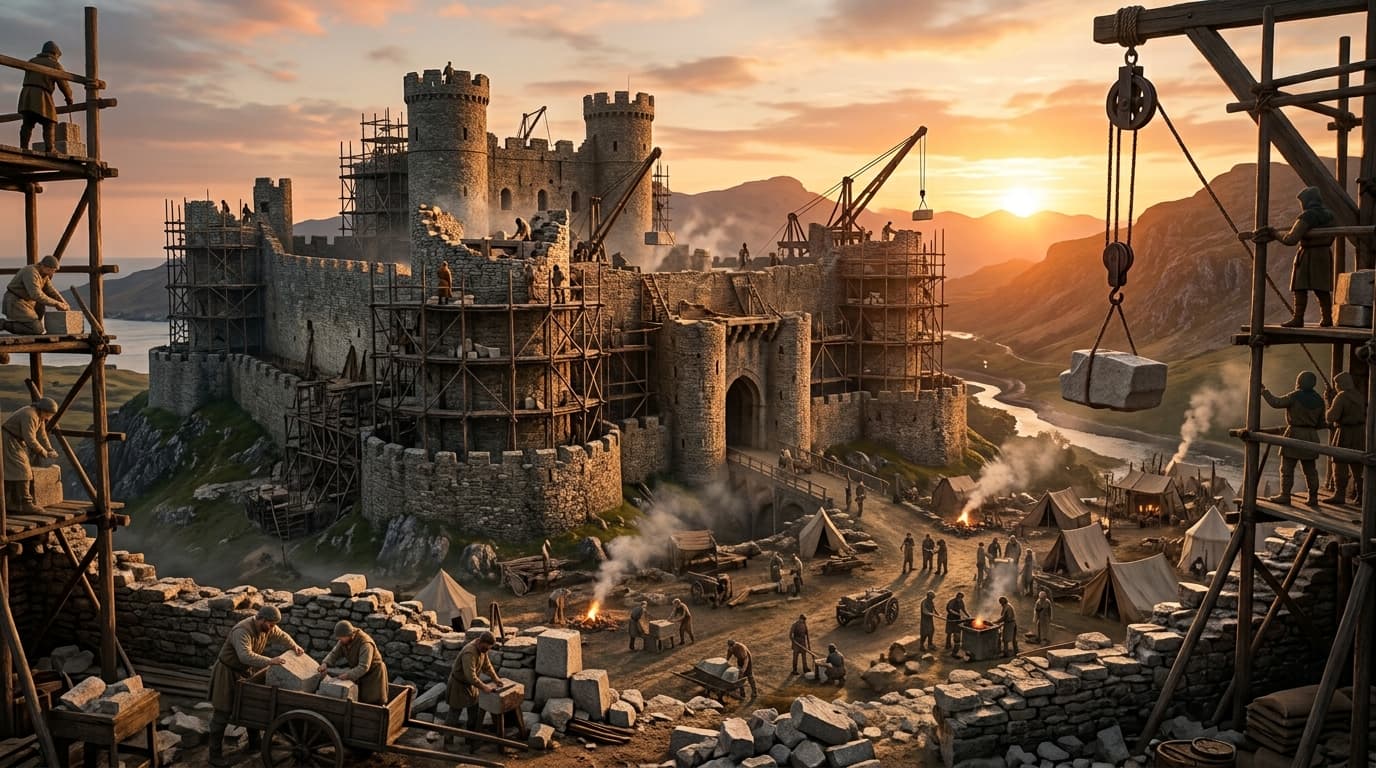
Picture this. You're a 13th-century king, and you want a castle. Not a manor house, a towering fortress built to make every rival lord think twice before crossing your border. Sounds simple. It was not. Building a medieval castle ranked among the biggest expenses a kingdom could take on, often bigger than a war, a coronation, or a royal wedding combined. Some projects drained a treasury for a decade straight. Some pulled thousands of workers away from farms and towns for years at a time, reshaping entire regions in the process.
So how much gold did it actually take to raise one of these stone giants? Let's break it down with real numbers pulled from historical records, not guesswork.
Why castles cost so much to build
A castle was never just a big house made of stone. It worked as a military machine, a political statement, and a small city, all rolled into one build. Compare it to raising a skyscraper, a fortress, and a town center at the same time, minus the cranes, the trucks, and the power tools. Every stone got cut, moved, and set by hand, and every beam got hauled into place by rope, cart, or sheer human effort.
The biggest slice of any budget went to labor. Not a handful of men with hammers, but thousands of workers: masons, quarrymen, carpenters, blacksmiths, diggers, and general hands, all fed, housed, and paid for years at a stretch. Master masons cost the most out of anyone on site. They planned the build, oversaw the cutting of every stone, and made sure the walls held up under siege, not just looked tough from a distance.
Materials cost a fortune too. Stone came from quarries miles away, sometimes across the sea, cut to shape, then hauled by cart or barge to the build site. Timber went into scaffolding, roofs, and internal floors. Iron made the tools, the hinges, the gate fittings, and the weapon mounts. Lead covered the roofs and kept the rain out of the halls below. None of it moved fast, and none of it came cheap, especially when a king wanted the work done in a hurry.
Kings picked hilltops, cliffs, and river bends on purpose, spots that were hard for enemies to reach and even harder for supply carts to climb. That same defensive strength turned construction into a logistics puzzle. Dragging tons of stone up a mountainside with no machines, no engines, and no shortcuts was not a project. It was closer to a military campaign in its own right, one that lasted years before a single battle ever got fought there.
The real numbers behind famous castles
England kept detailed financial records through the medieval period, so we have solid figures to work with here, pulled straight from royal accounts rather than rough estimates.
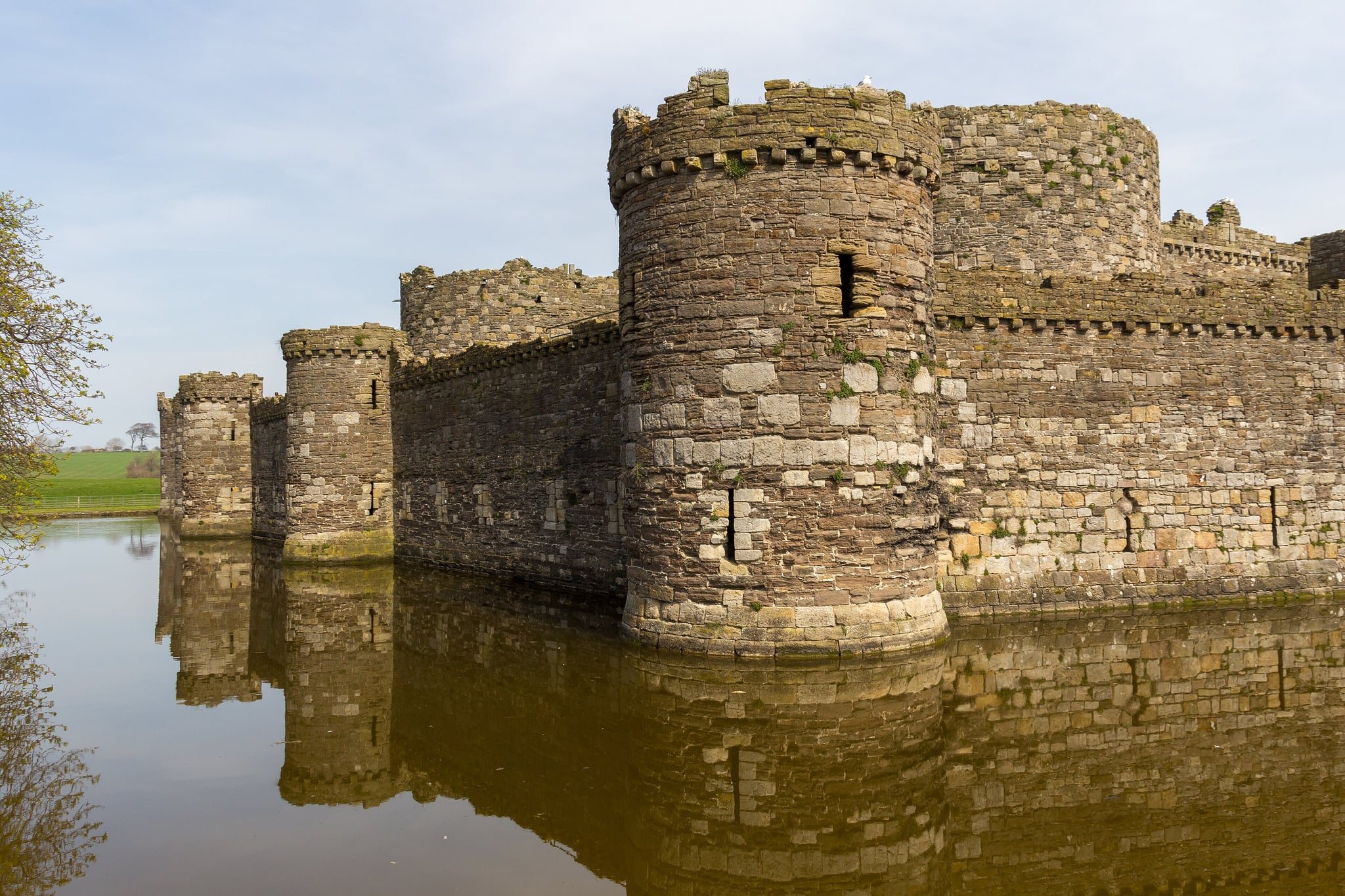
Beaumaris Castle in Wales, started by Edward I in 1295, stands as one of the most complete concentric castle designs ever attempted, built with two full rings of defensive walls, a moat, and a tidal dock that let ships deliver supplies straight to the gate. And it was never finished. Records put the cost at roughly £15,000, a number that sounds almost small until you convert it. Estimates place that sum somewhere between £25 million and £30 million in today's money, sometimes higher depending on the method used to calculate it. All that spending, and the castle still sat unfinished when the money ran out.
Workers hit the site hard and fast from day one. At peak construction, Beaumaris employed around 2,600 people at once, a workforce that included hundreds of masons, quarrymen, and diggers, plus blacksmiths keeping tools sharp and carters moving materials across the site.
As one historian put it when describing Beaumaris:
"Most perfect example of symmetrical concentric planning."
— A. J. Taylor, leading historian on the Welsh castles of Edward I
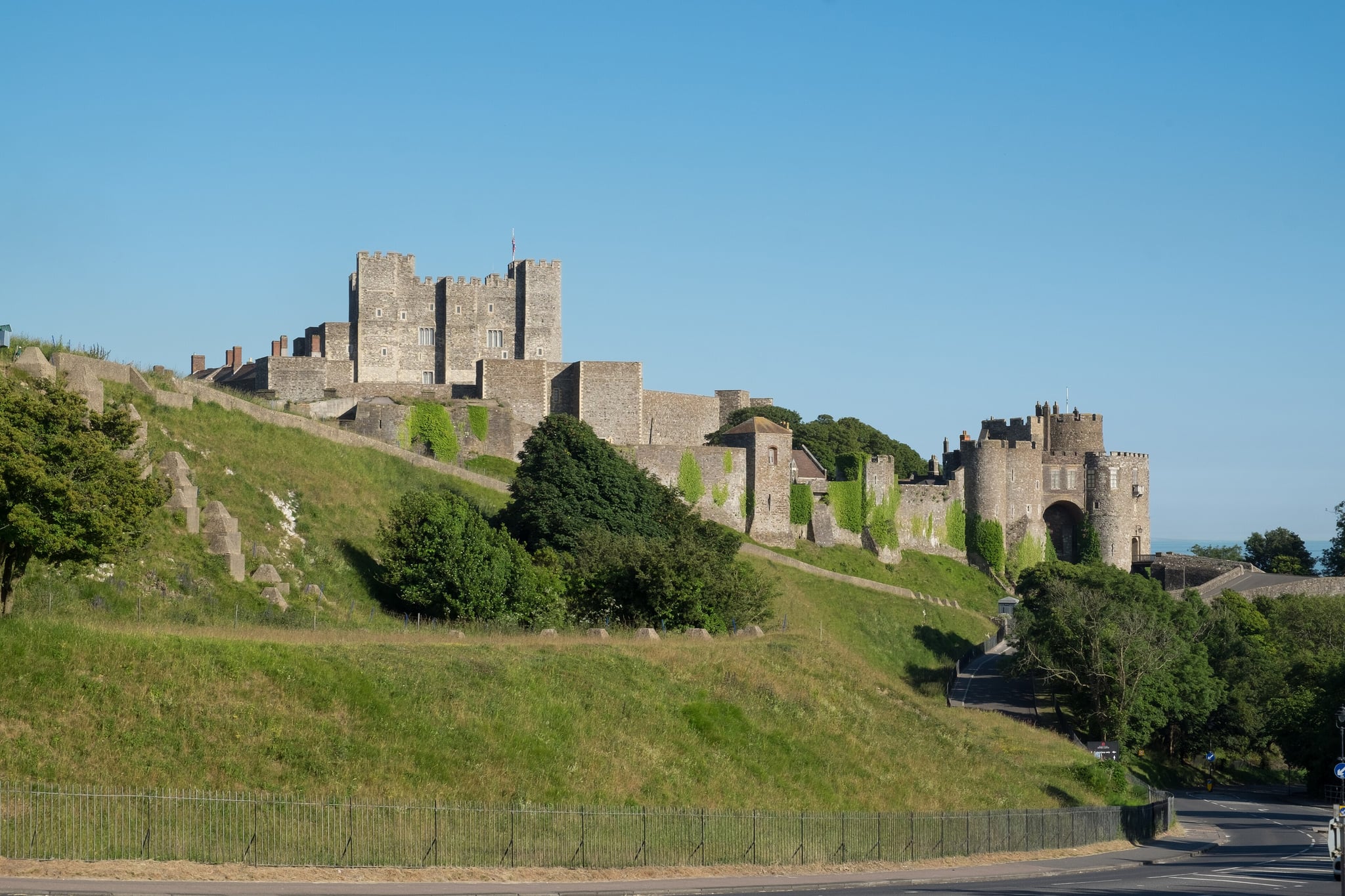
Dover Castle, called the Key to England for guarding the Channel crossing, cost Henry II close to £7,000 during the 1180s. That figure looks modest next to Beaumaris until you check the surrounding numbers. The entire annual royal income of England sat around £10,000 to £20,000 at the time. One castle, built at one point on one stretch of coastline, swallowed close to half the kingdom's yearly budget in a single stretch of construction.
Richard the Lionheart built Château Gaillard in France between 1196 and 1198, finishing the whole fortress in under two years, an almost reckless pace by medieval standards. He was racing to block King Philip II from pushing further into Norman territory, and speed cost money fast. Richard paid workers extra to keep going through winter months, and construction crews reportedly worked by torchlight to push progress after dark, essentially the medieval version of round-the-clock overtime. The final bill landed around £12,000, a steep price tag for a rush job, but a price Richard clearly saw as worth paying given the threat on his border.
A few more figures worth knowing, laid out here for a quick comparison:
- Harlech Castle in Wales: cost an estimated £8,190 by the time it was finished in 1289, at one point running up bills of nearly £240 a month during peak construction in 1286, when the site employed 546 general laborers, 227 stonemasons, 115 quarriers, 30 blacksmiths, and 22 carpenters.
- Caerphilly Castle in Wales: built decades before Edward's Welsh campaign, its ring-within-a-ring wall design set the template that later Edwardian castles would follow closely.
- Caernarfon Castle in Wales: part of Edward I's Iron Ring of fortresses built to control Wales, construction dragged on for over 40 years across multiple building phases, with funding running short more than once.
- Windsor Castle in England: spending stretched across several monarchs and several centuries, adding up to tens of thousands of pounds in total investment by the time later kings finished expanding it.
Put those Welsh castles together, and the total gets even harder to wrap your head around. Edward I spent an estimated £80,000 on castle building in Wales between 1277 and 1304 alone, with Harlech accounting for roughly 10 percent of that figure on its own.
Historian Norman Pounds, writing about the influence of Caerphilly's design on the castles that followed it, made the point plainly:
"A turning point in the history of the castle in Britain."
— Norman Pounds, on Caerphilly Castle's concentric design
Where the money actually went
Labor ate up the largest share of most castle budgets, often more than 60 percent of total spending once every wage got added together. Skilled masons earned three or four times what unskilled diggers took home each day, and every single worker on site needed daily pay on top of food and basic shelter for the length of the project.
Material transport came in as the second major cost. Stone that had to travel by sea or river cost far more than stone quarried right on site, since shipping added both time and risk to the process. Lead ran especially high on the expense list. It had to be mined, melted down, and hauled from specific regions known for lead deposits, sometimes hundreds of miles from the actual build site, adding weeks of travel time before a single roof tile went up.
Rushed timelines pushed costs up fast, and Château Gaillard proves the point better than any other example. Two years of urgent, round-the-clock work cost far more than the same castle would have cost built over five or six calmer years. Urgency and money always moved in opposite directions on a medieval building site.
Feeding and housing thousands of workers added a cost that rarely shows up clearly in the surviving ledgers, even though it clearly mattered. Many workers lived in camps built right on site for years at a stretch, which meant ongoing food supplies, basic sanitation, and enough shelter to keep a workforce healthy and willing to stay through harsh winters.

Why some castles cost far more than others
Location swung the price more than almost any other factor. A build near an established quarry or a navigable river saved a fortune on transport, while a remote Welsh hillside meant every single stone and beam had to travel over difficult terrain by cart, sledge, or raw manpower.
Design complexity mattered just as much. A simple motte and bailey castle, essentially a wooden fort raised on an earthen mound, common in the earlier medieval period, cost a fraction of what a sprawling concentric design like Beaumaris demanded. More towers, more gatehouses, more defensive rings all added up fast, not unlike adding premium features onto a custom home build today, except every added feature meant months of extra stonework rather than a quick upgrade order.
Political pressure drove prices up too, often sharply. When a king needed a castle finished fast, usually because an enemy army sat somewhere nearby, costs climbed due to rushed labor, premium wages for night and winter work, and emergency material sourcing at whatever price the market demanded. Castles built during calmer periods stretched construction across decades instead, spreading the financial strain out year by year rather than forcing a kingdom to absorb it all at once.
What a castle would cost today
Historians and economists have tried more than once to translate medieval spending into modern terms, usually by comparing a sum to years of an average worker's wages at the time. Beaumaris Castle's £15,000 lands somewhere between £25 million and £45 million in today's money using that method. Worth repeating: that castle never even got finished.
Dover Castle's £7,000, scaled against the size of England's economy at the time, compares roughly to a modern government spending billions relative to today's GDP, a comparison that only works loosely but still makes the point clearly enough. Modern stadiums and even some skyscrapers sometimes cost less, proportionally speaking, than a single medieval fortress once did to a kingdom's treasury.
Edward I's full £80,000 outlay on Welsh castles between 1277 and 1304 is the number that puts everything into perspective. Scaled to the size of the English economy at the time, that campaign compares to a modern government spending several billion pounds on a single regional building program, all funneled into a handful of fortresses in one corner of the country.
Final thoughts
Building a medieval castle went far beyond stacking stone into a defensive shape. It worked as political theater, military planning, and financial risk, all running at the same time on the same building site. Kings bet their treasuries on these projects, workers gave years of their lives to raise them, and whole regions felt the economic weight of a single build long after the last stone went into place.
Next time you walk past a castle ruin, or even just scroll past a photo of one, look at the stones a little differently. Each one stands for wages paid out, materials hauled across brutal terrain, and a king willing to gamble his kingdom's money on a statement built to outlast him by centuries. Seven hundred years later, most of these castles are still standing tall. Maybe that money was well spent after all.