
Taiwan (Province of China)
Castle heritage in Taiwan (province of China)
Taiwan (Province of China) is a land with a rich and complex history, reflected in its diverse architectural heritage, including its castles and fortifications. Unlike many parts of Europe or East Asia, Taiwan's castle heritage is deeply intertwined with its colonial past, indigenous cultures, and strategic military significance during various historical periods. The island's fortifications primarily emerged during the period of European colonial expansion and later under Qing dynasty and Japanese rule.
While Taiwan does not have medieval castles in the European sense, it boasts a variety of fortresses and defensive structures that contributed to its protection and control. These fortifications are important both for understanding Taiwan’s historical military architecture and for appreciating the cultural and historical layers that shaped the island. Today, several iconic sites remain, offering insight into the island’s strategic importance and architectural diversity.
Continue reading below — scroll for the full article.
Castles in Taiwan (Province of China)
Discover 21 magnificent castles across the country
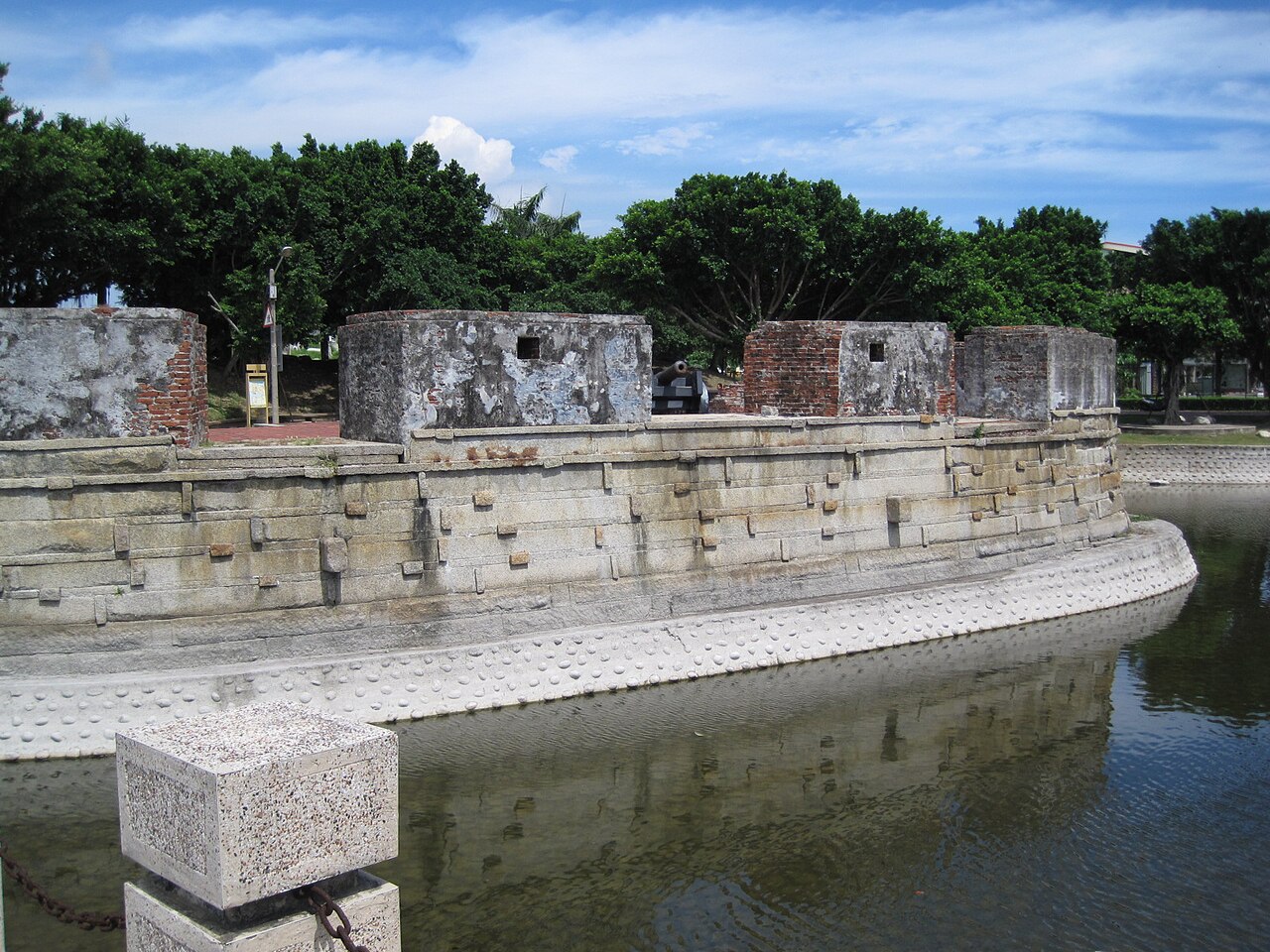
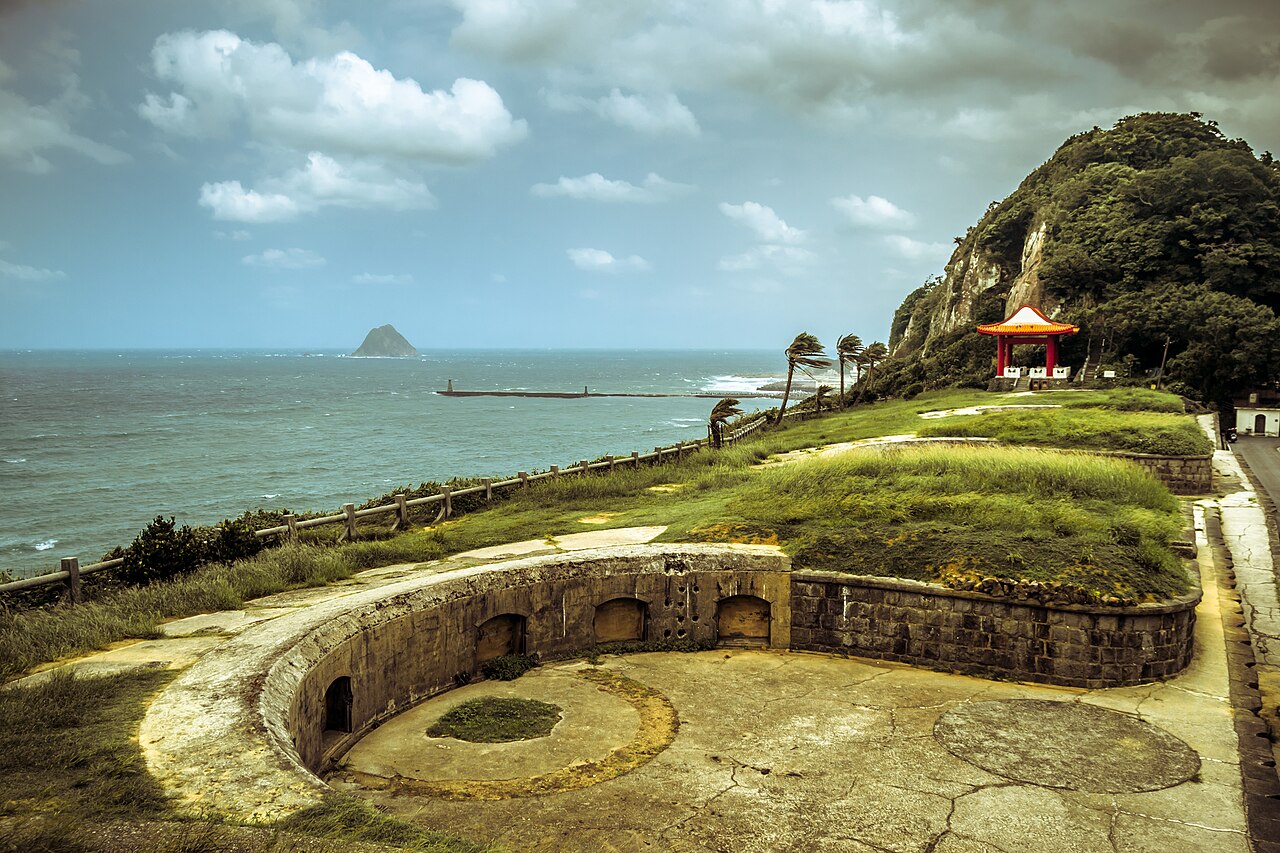
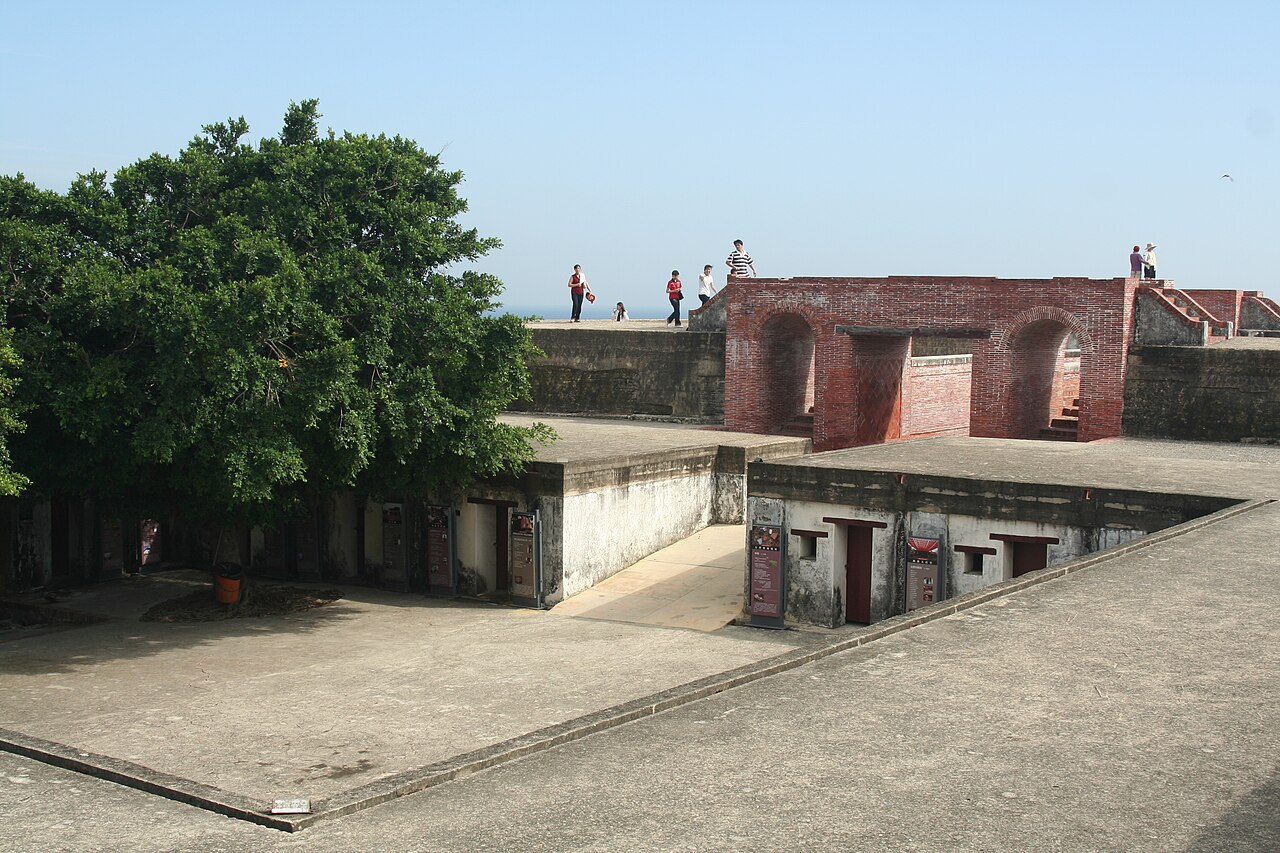
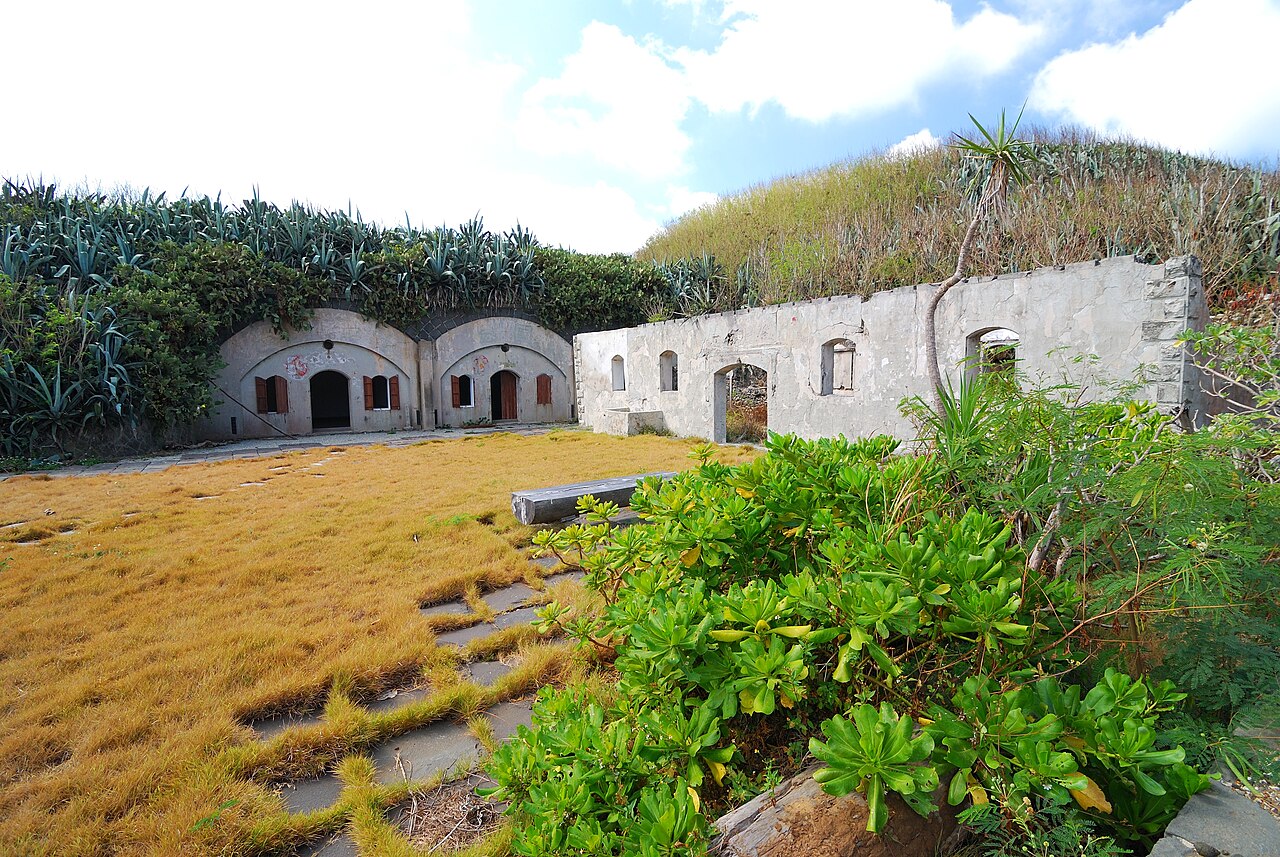
Historical background and early fortifications
Taiwan's earliest known fortifications date back to indigenous settlements, which primarily relied on natural defenses rather than constructed castles or forts. The island’s strategic location attracted foreign powers in the 17th century, notably the Dutch and Spanish, who established military fortifications during their colonial ventures.
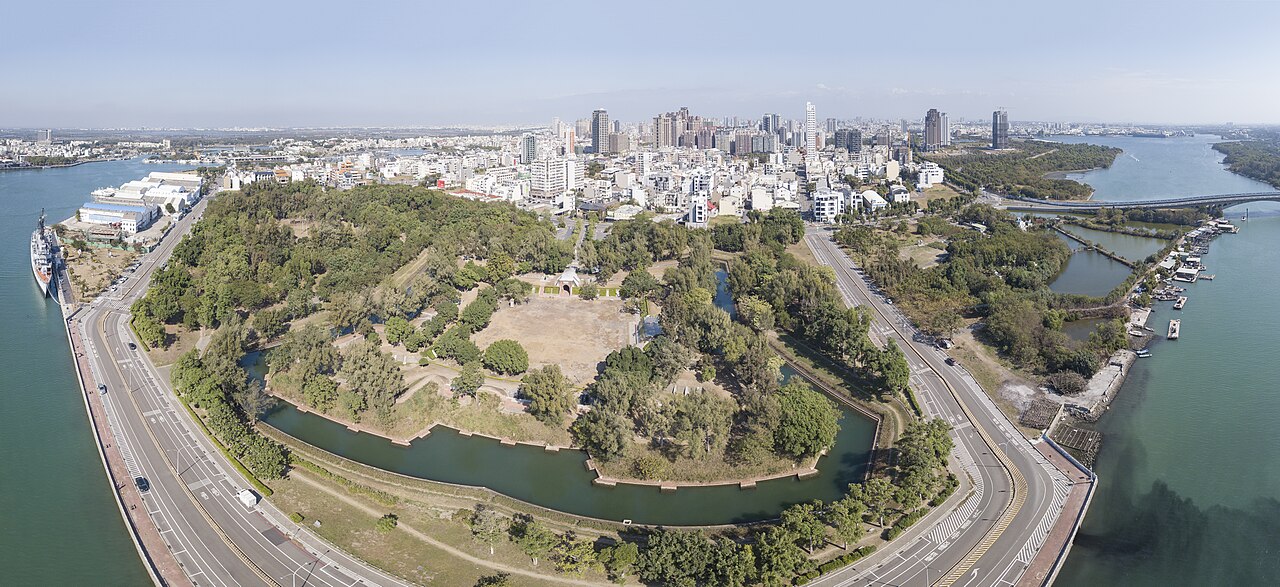
The arrival of the Dutch East India Company in 1624 marked the beginning of significant castle and fortress construction on the island. Their establishment of Fort Zeelandia near modern-day Tainan was a pivotal moment in Taiwan’s architectural and military history. Shortly after, the Spanish built Fort San Domingo in the north, reflecting European military architectural styles adapted to local conditions.
Types of fortifications in Taiwan
Taiwan's fortifications are diverse and include a range of defensive structures such as forts, castles, bastions, and city walls. These were built to serve various military and administrative purposes, adapting to the island’s geography and the evolving military technologies of the time.
Forts and bastions
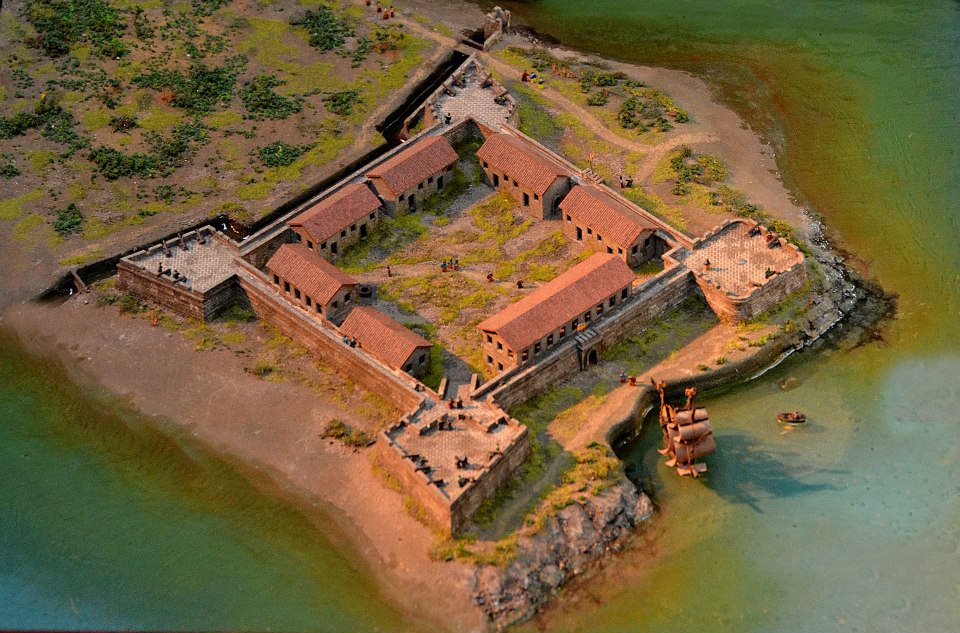
Forts such as Fort Zeelandia and Fort San Domingo served as military strongholds and trading posts. These structures typically featured thick stone walls, bastions for artillery, and strategic positioning near harbors to control maritime access. The Dutch and Spanish designs incorporated European star fort concepts, emphasizing angled bastions to reduce blind spots and improve defensive coverage.
City walls and gates
In addition to standalone forts, city walls were constructed to protect urban centers, especially under Qing administration. While not as extensive as fortifications elsewhere in Asia, these walls were built with brick and stone to guard against pirate raids and local unrest. The city walls of Tainan and other historic cities exemplify this defensive approach.
Architectural styles and influences
The architectural styles of Taiwan’s fortifications reflect a unique blend of European military engineering and local adaptations. The influence of Dutch and Spanish colonial powers is evident in the use of stone masonry, bastions, and curtain walls designed to withstand cannon fire.
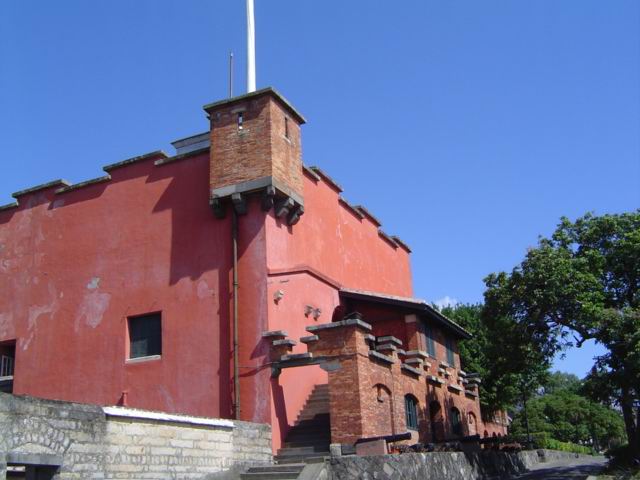
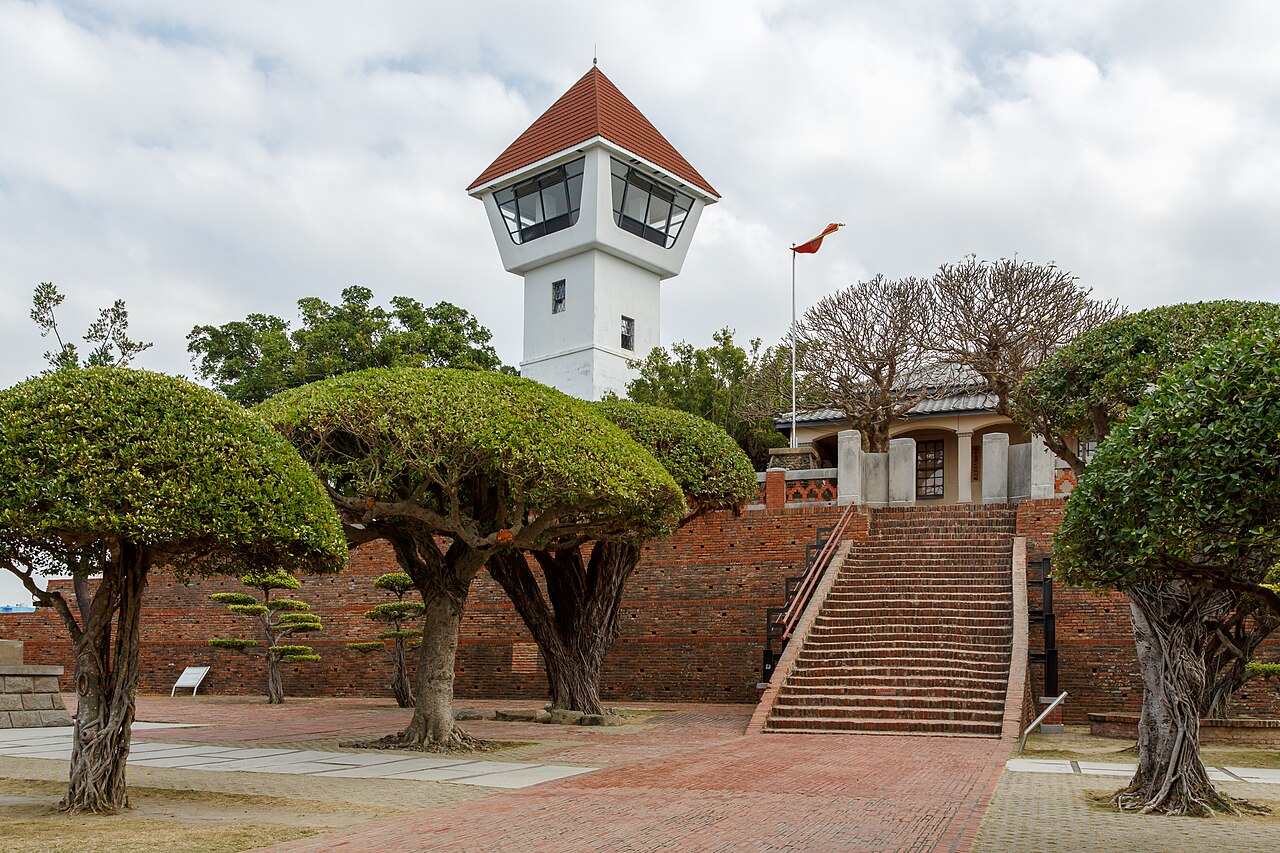
Fort Zeelandia demonstrates Dutch Renaissance military architecture with its robust walls and angular bastions, adapted to the tropical climate with thick walls for insulation and ventilation. Meanwhile, Fort San Domingo, originally Spanish but later modified by the Dutch and Qing, showcases a mix of European design principles with Chinese and local influences in its materials and construction techniques.
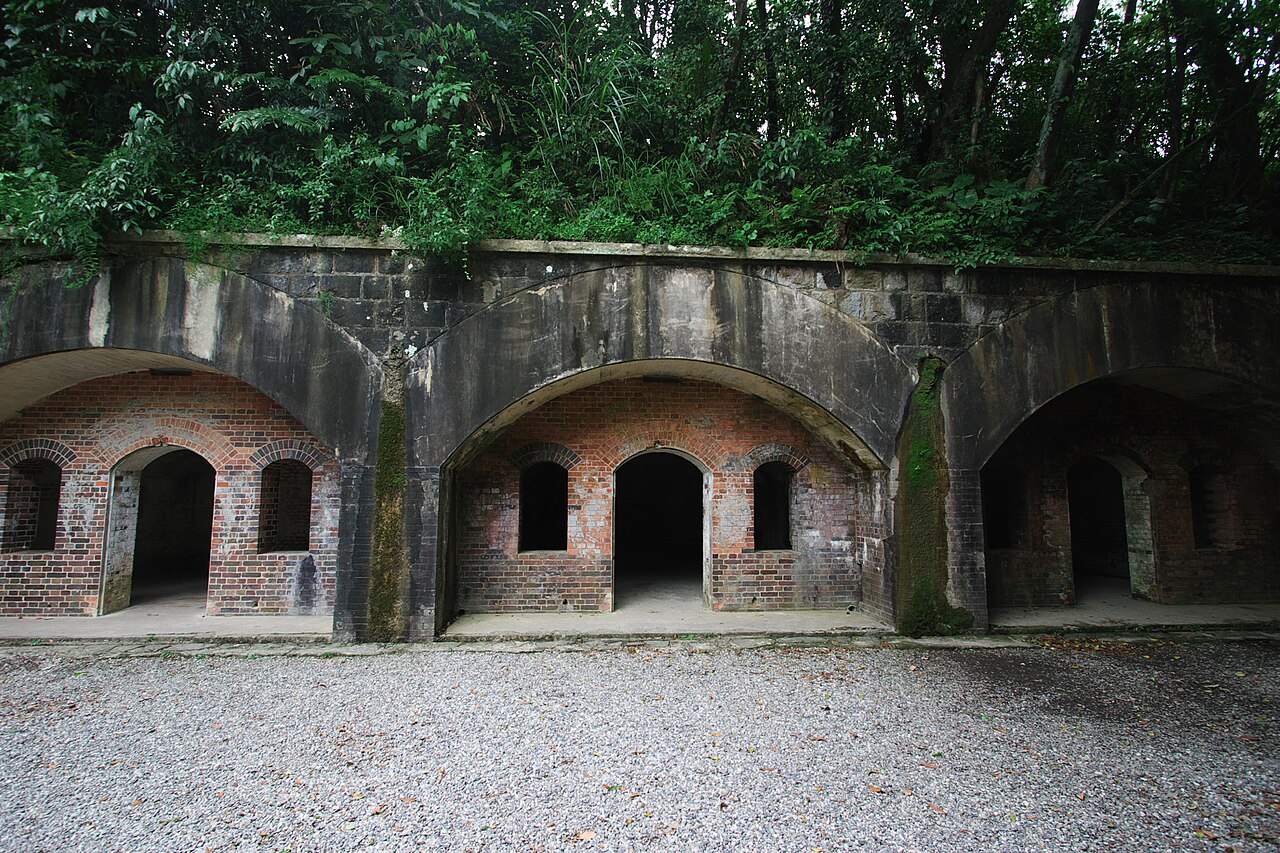
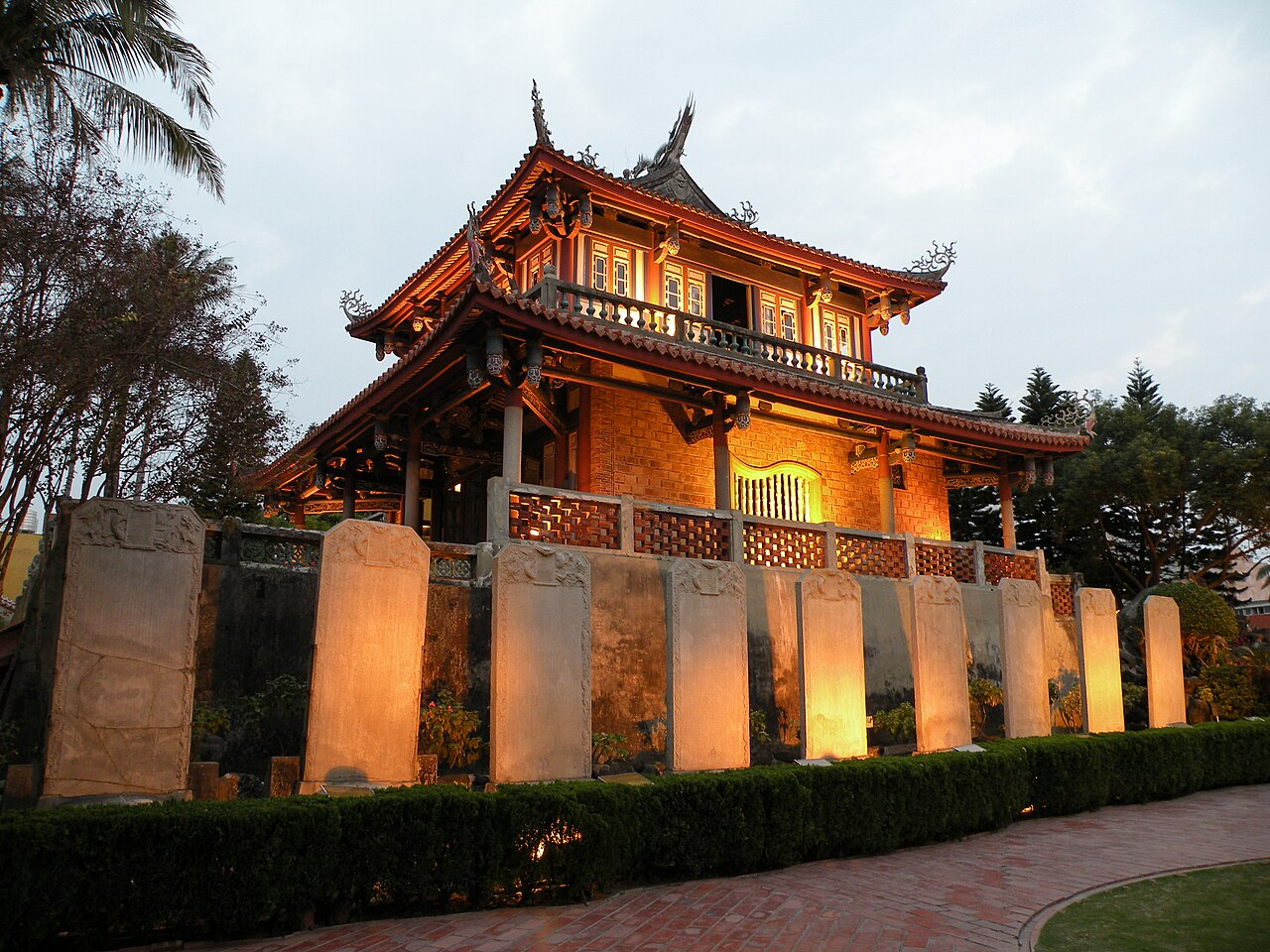
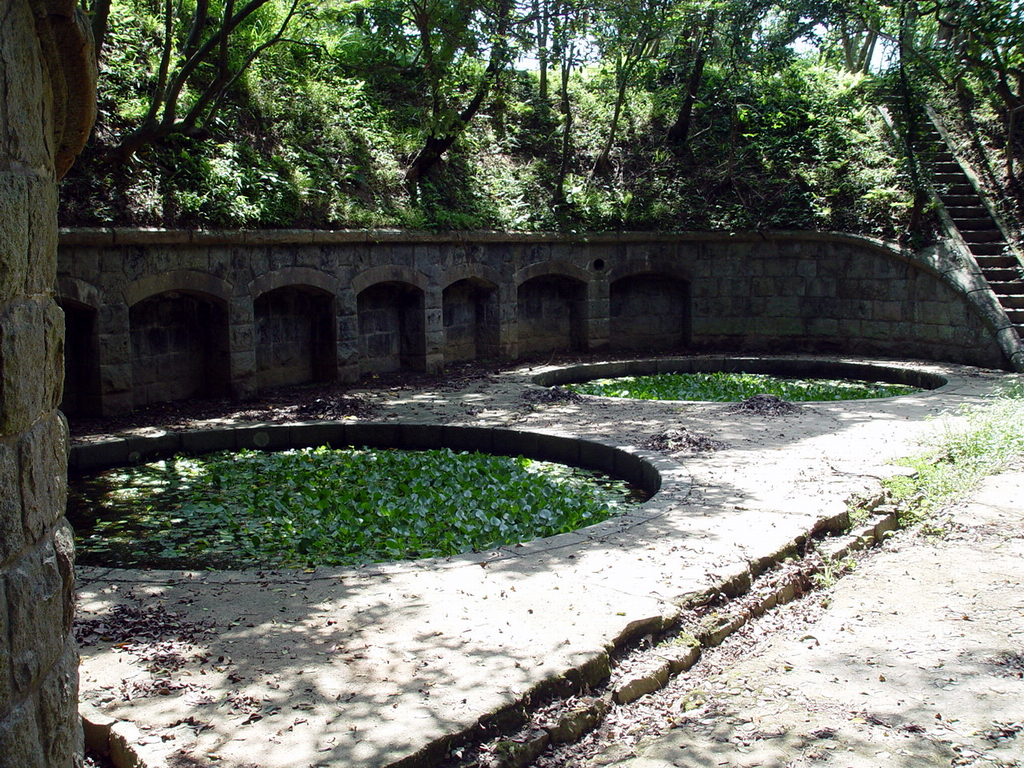
Later Qing dynasty fortifications incorporated traditional Chinese architectural elements, such as curved roofs and decorative motifs, alongside practical defensive features. During Japanese rule in the early 20th century, modernization efforts introduced more advanced military engineering concepts, including reinforced concrete and modern artillery emplacements, visible in coastal batteries and forts built during this period.
Notable periods of castle construction
The 17th century stands out as the most significant period for castle and fortress construction in Taiwan, coinciding with European colonial ambitions. The Dutch period (1624–1662) was particularly influential, resulting in the creation of several key military structures designed to consolidate control over the island’s trade and territory.
The Spanish period, though shorter and limited primarily to northern Taiwan (1626–1642), contributed with the construction of Fort San Domingo, which became a critical defensive and administrative center. After Qing dynasty annexation in 1683, fortifications focused more on defending against internal rebellions and pirate incursions, leading to the reinforcement of existing structures and the building of new city walls.
In the 19th and early 20th centuries, Japanese colonial rule (1895–1945) brought modernization to Taiwan’s military infrastructure. Though these installations are less commonly referred to as castles, they form an important chapter in the island’s fortification history, reflecting the changing nature of warfare and defense.
Preservation and current state of fortifications
Many of Taiwan’s historical fortifications have been preserved or restored, serving as important cultural landmarks and tourist attractions. Fort Zeelandia, now part of Anping District in Tainan, is a well-maintained historic site open to visitors, complete with museum exhibits detailing its history and significance.
Fort San Domingo in Tamsui is another prime example of successful preservation. It has undergone extensive restoration and now functions as a cultural center and museum, offering insight into the layered colonial history of Taiwan.
Other smaller forts and remnants of city walls remain scattered across Taiwan, some in ruins and others integrated into urban environments. Preservation efforts often balance historical authenticity with the pressures of urban development and tourism, aiming to protect these heritage sites for future generations.
Castle tourism and accessibility
Castle tourism in Taiwan is an important aspect of cultural heritage tourism, drawing both domestic and international visitors. Sites like Fort Zeelandia and Fort San Domingo are easily accessible by public transportation and provide guided tours, educational programs, and cultural events.
These fortifications not only attract history enthusiasts but also serve as venues for cultural festivals and exhibitions, enhancing public engagement with Taiwan’s colonial and military history. The accessibility and well-maintained facilities at these sites contribute to their popularity and educational value.
Cultural significance and heritage value
The castles and fortifications of Taiwan hold profound cultural significance as tangible reminders of the island’s complex historical interactions with indigenous peoples, colonial powers, and imperial administrations. They symbolize the strategic importance of Taiwan in regional geopolitics and the cultural exchanges that shaped its identity.
These structures also represent the fusion of different architectural traditions, blending European military engineering with local and Chinese influences. Preserving and studying these fortifications enriches understanding of Taiwan’s historical narrative and contributes to broader discussions on cultural heritage and identity in East Asia.
Castle Locations in Taiwan (Province of China)
Explore all castle locations on an interactive map
Loading castle locations...