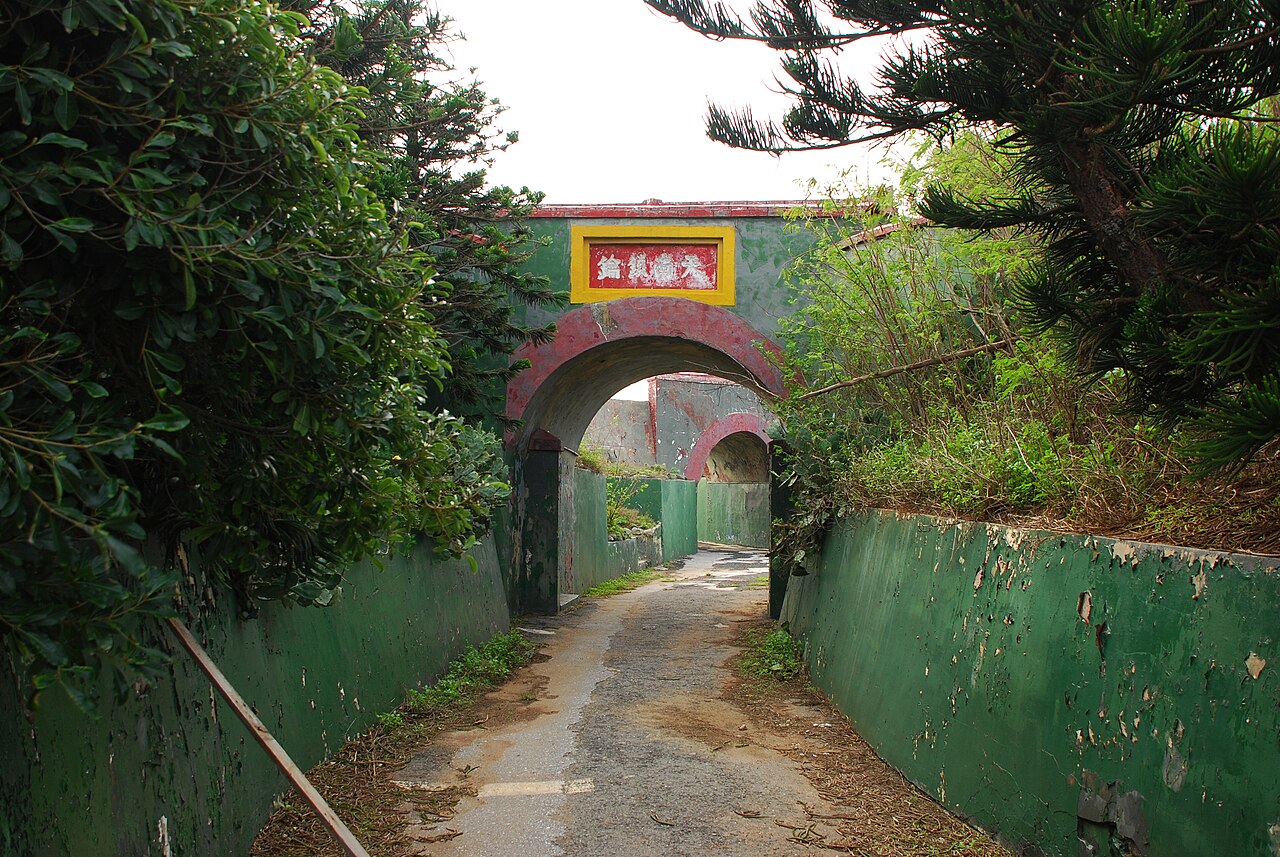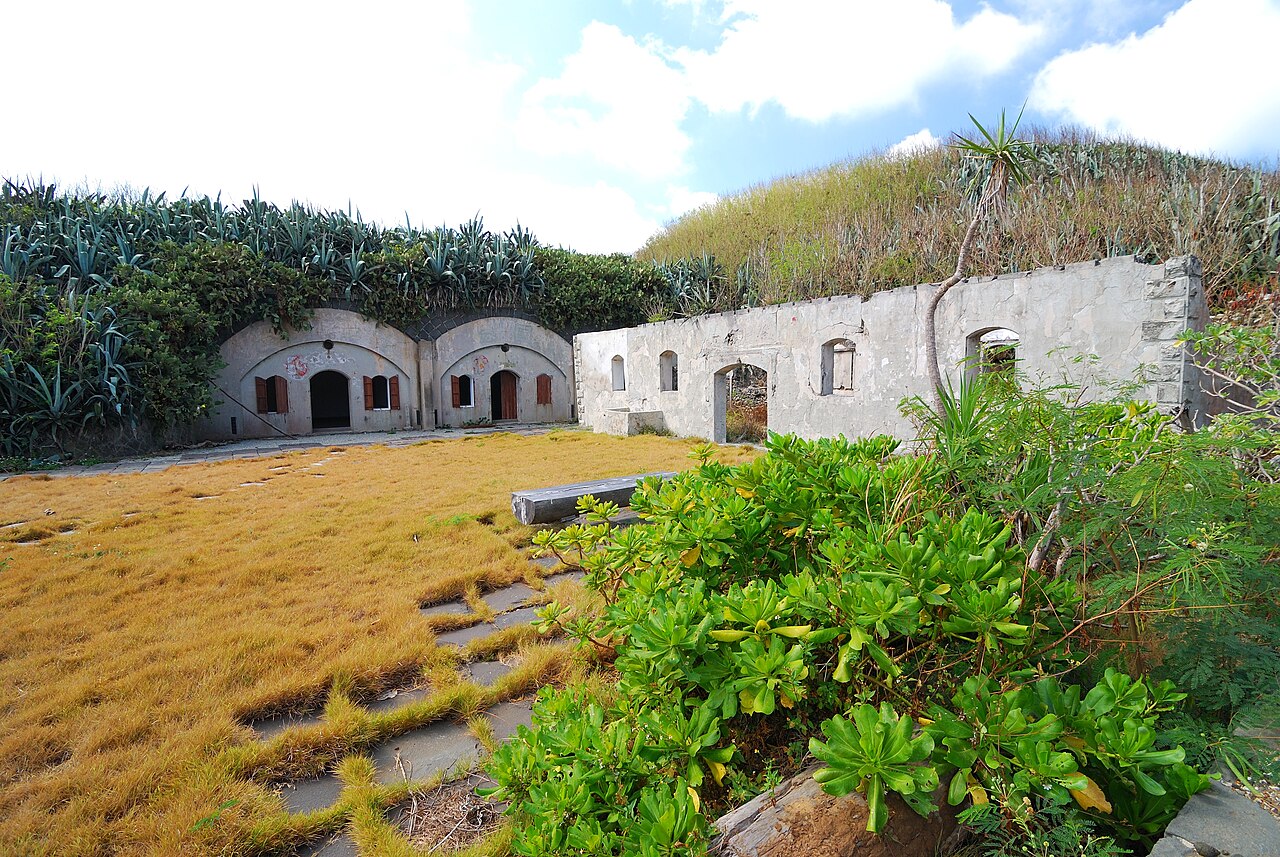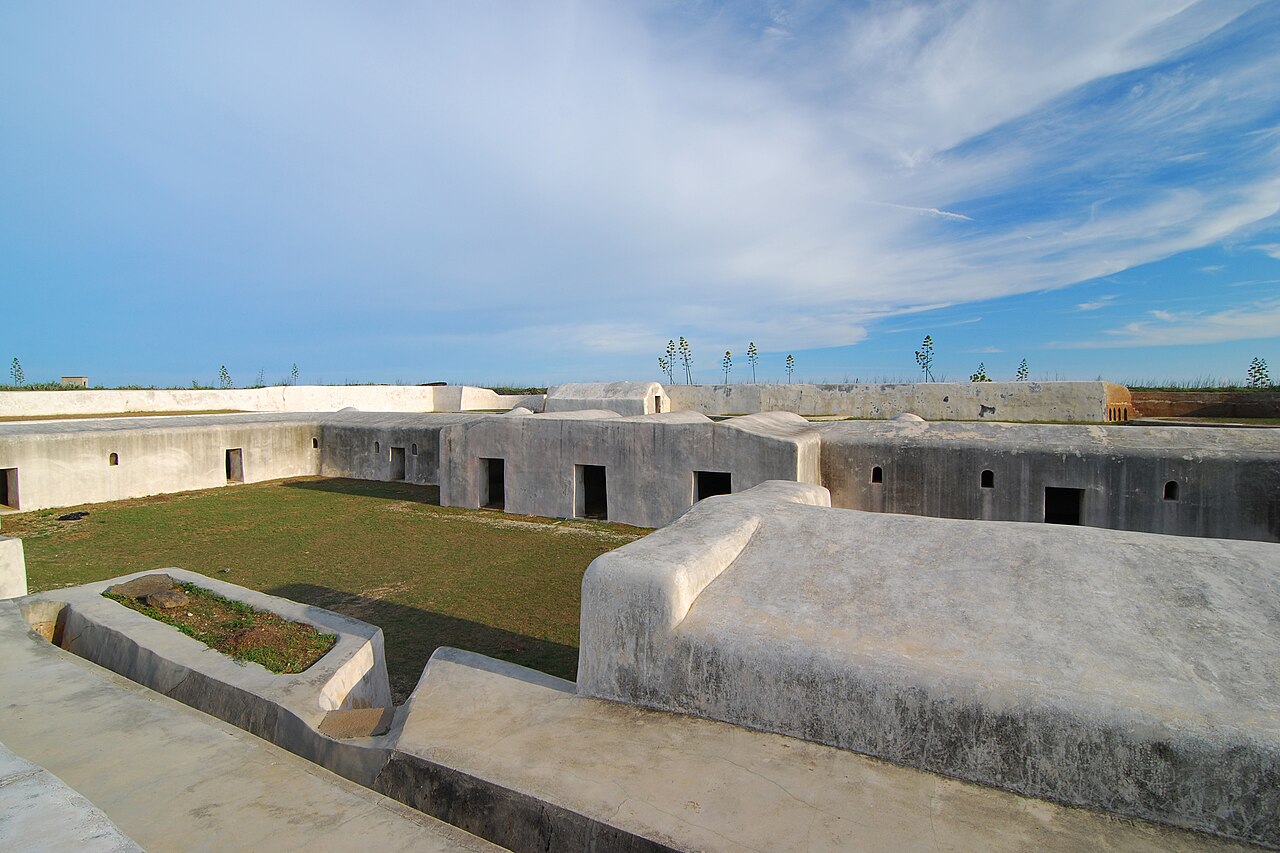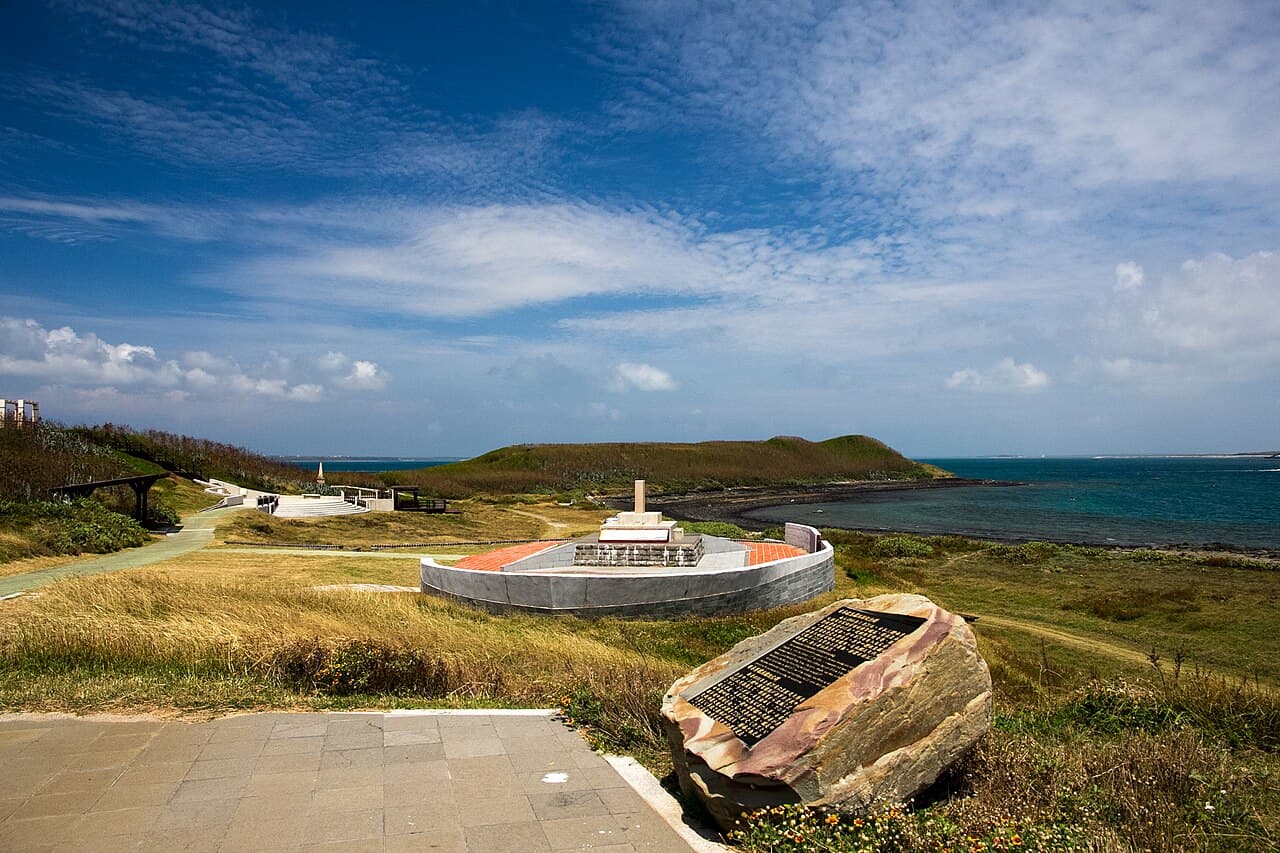
Fengguiwei Fort (Chinese: 風櫃尾城堡; pinyin: Fēngguìwěi Chéngbǎo; Pe̍h-ōe-jī: Hong-kūi-bóe Siâⁿ-pó) is a historic 17th-century bastioned fortress built by the Dutch East India Company during their colonial presence in Taiwan, specifically in the Penghu archipelago. Located in Magong, the largest city in Penghu County, Taiwan, the fort was strategically positioned atop a small hill on a peninsula overlooking Magong Harbor. This vantage point allowed the Dutch to control maritime traffic and defend their trading interests in the region during the Renaissance period.
Historical background and strategic importance
The construction of Fengguiwei Fort dates back to the 17th century, a time when European powers were expanding their influence in East Asia. The Dutch East India Company established several fortifications in Taiwan and the surrounding islands to secure their trade routes and assert dominance. Fengguiwei Fort was part of this network of coastal defenses designed to protect against rival colonial powers and local resistance.
Its location in the Penghu archipelago was critical because the islands served as a maritime gateway between the Taiwan Strait and the South China Sea. The fort's presence helped the Dutch maintain control over shipping lanes and provided a base for naval operations.
Architectural features and design
Fengguiwei Fort is classified as a bastioned fortress, a style that became prominent in Europe during the Renaissance. This architectural design features angular bastions projecting from the walls, allowing defenders to cover adjacent walls with overlapping fields of fire, eliminating blind spots.
The fort was constructed primarily from locally sourced stone and brick, materials chosen for their durability against artillery fire and the harsh coastal environment. The bastions were connected by curtain walls forming a roughly polygonal shape adapted to the terrain of the hilltop peninsula.
Although much of the original structure has been lost over time, historical records and archaeological studies indicate that the fort included:
- Thick defensive walls with embrasures for cannons
- Guard towers at strategic points for surveillance
- Gates protected by additional fortifications
- Internal courtyards used for troop assembly and supplies
Decline and present condition
Following the Dutch departure from Taiwan in the late 17th century, Fengguiwei Fort gradually fell into disuse. Successive regimes and local developments led to the dismantling or decay of much of the fort's structure. Today, only fragments of the original walls and foundations remain visible.
The site is recognized for its historical significance as one of the few remaining vestiges of Dutch colonial architecture in Taiwan. Preservation efforts have been limited, and the fort is classified as ruins. Visitors to Magong can explore the site to appreciate its historical context and panoramic views of the harbor and surrounding sea.
Fengguiwei Fort in the context of Taiwanese heritage
As a relic of the Renaissance-era European expansion into East Asia, Fengguiwei Fort offers insight into the military strategies and colonial ambitions of the Dutch in the 1600s. It complements other historical sites in Penghu and Taiwan that reflect the island's complex history of indigenous cultures, European colonization, and later Chinese administration.
The fort's remains contribute to understanding the evolution of coastal defense architecture in Taiwan and the broader East Asian region. It also serves as a cultural landmark illustrating the early interactions between Western and Asian civilizations.
Visiting Fengguiwei Fort
While the fort is not extensively restored, it remains accessible to visitors interested in history and architecture. The site provides a quiet location for reflection on Taiwan's colonial past and offers scenic views of the Penghu islands.
Visitors should prepare for limited facilities and bring appropriate footwear for uneven terrain. Interpretive signage may be sparse, so guided tours or supplementary materials can enhance the experience.
Frequently asked questions (FAQ)
- What is the historical significance of Fengguiwei Fort?
- Fengguiwei Fort, built in the late 19th century during the Qing Dynasty, played a crucial role in defending against pirate invasions and foreign incursions. It symbolizes Taiwan's rich military history and showcases the strategic importance of Magong in maritime defense.
- When was Fengguiwei Fort constructed?
- Construction of Fengguiwei Fort began in 1888 and was completed in 1890. It was established to protect the local area and its inhabitants, reflecting the military architecture of the era.
- What are the opening hours for Fengguiwei Fort?
- Fengguiwei Fort is open to visitors daily from 9:00 AM to 5:00 PM. It's advisable to check for any seasonal changes in hours before planning your visit.
- Can I access Fengguiwei Fort with a wheelchair?
- Fengguiwei Fort has some accessibility features, but due to its historic nature and terrain, full wheelchair access may be limited. Visitors with mobility issues are encouraged to check in advance for specific accommodations.
- When is the best time to visit Fengguiwei Fort?
- The ideal time to visit Fengguiwei Fort is during the spring and autumn months when the weather is mild and pleasant. This allows for a more enjoyable exploration of the fort and its surrounding views.
- What are the ticket prices for visiting Fengguiwei Fort?
- Admission to Fengguiwei Fort is typically free for all visitors. However, it’s recommended to check for any special exhibitions or guided tours that may have a fee associated with them.
- Are there nearby attractions to explore after visiting Fengguiwei Fort?
- Yes, after visiting Fengguiwei Fort, you can explore nearby attractions such as the Magong Mazu Temple and the beautiful beaches of Penghu. These sites offer a blend of cultural and natural experiences to enhance your visit.
- How do I get to Fengguiwei Fort from Magong city center?
- Fengguiwei Fort is conveniently located just a short drive or a pleasant walk from the Magong city center. Public transportation options and local taxis are also available for easier access to the fort.

Information
Loading map...
Visitor reviews
No reviews yet. Been here? Write the first review and help other travelers!
Write the first reviewVisited this castle? Share your experience
Your review helps other travelers and adds first-hand knowledge to our encyclopedia.