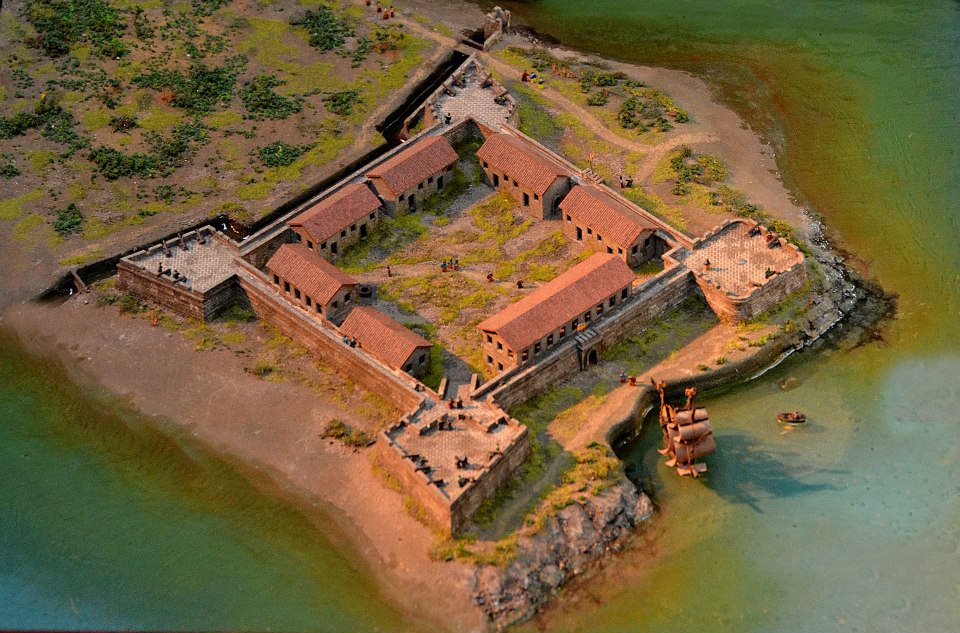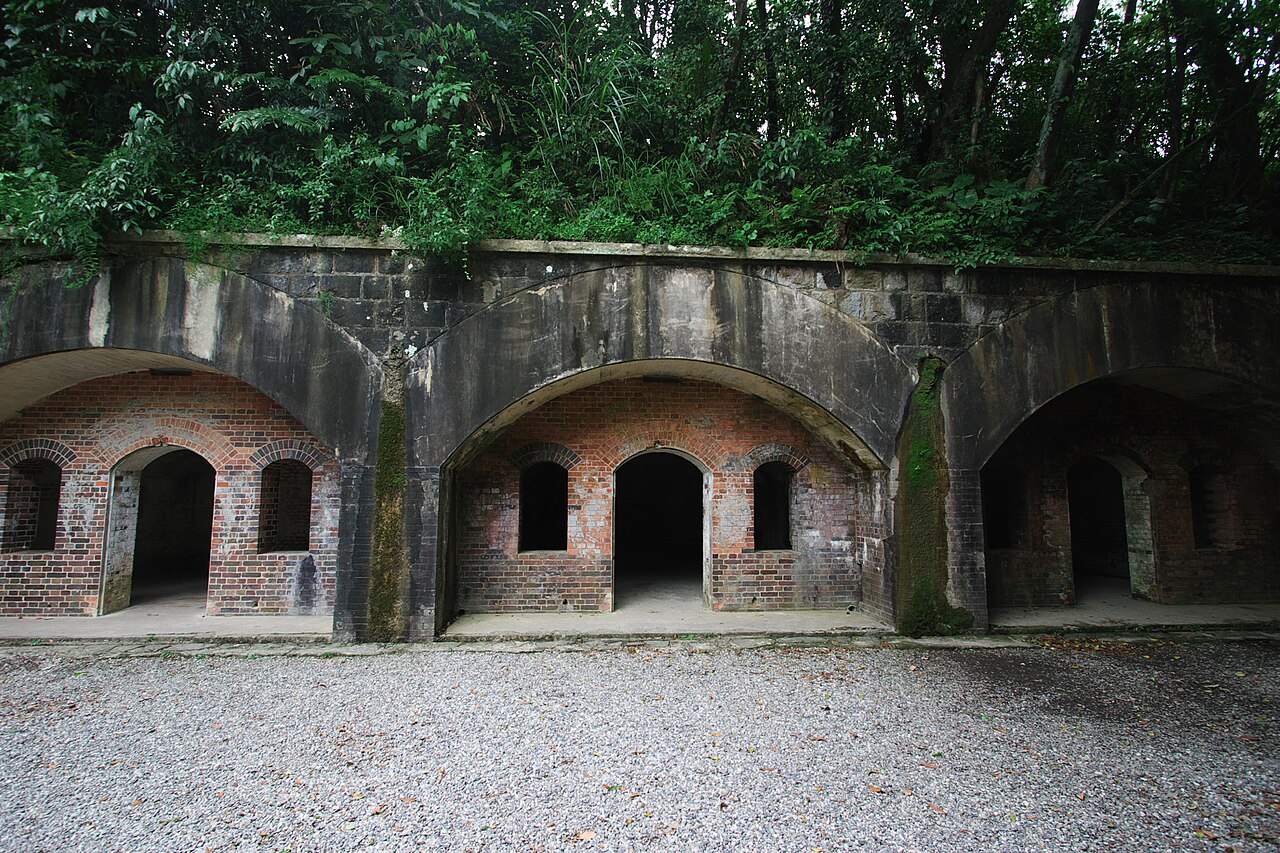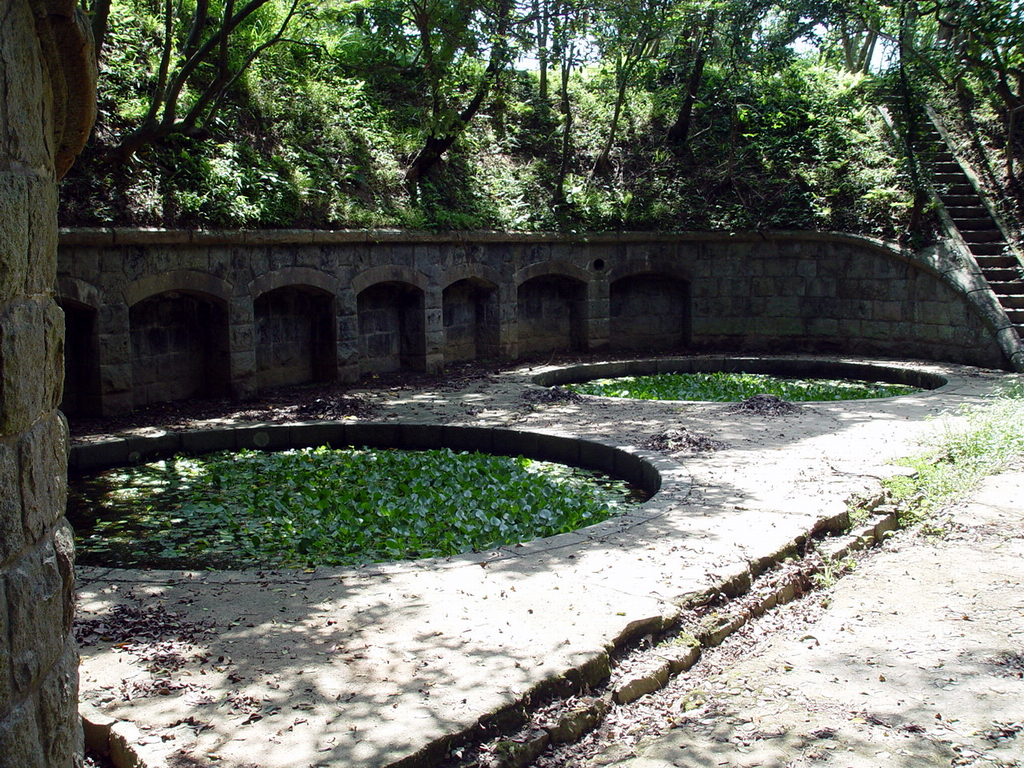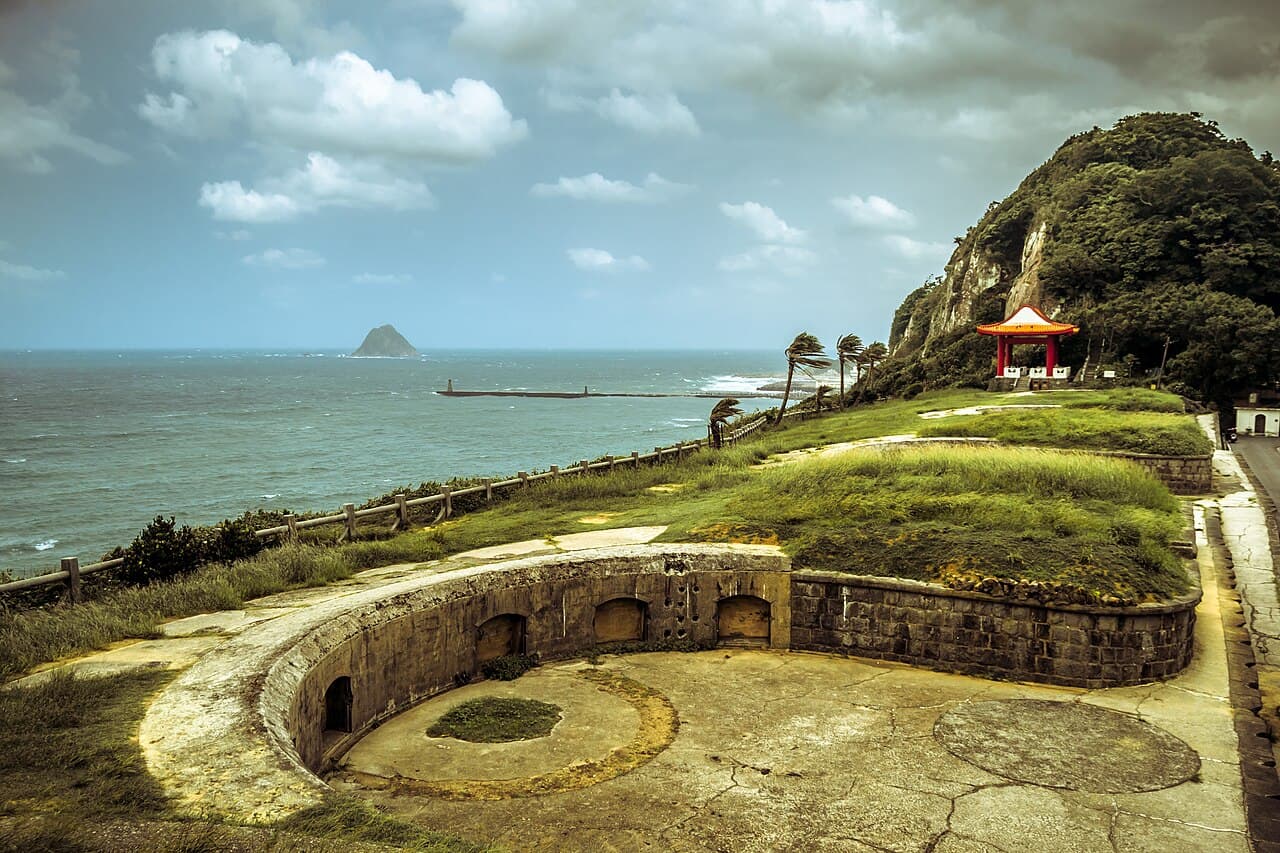
Baimiweng Fort (traditional Chinese: 白米甮砲台; simplified Chinese: 白米瓮炮台; pinyin: Báimǐwèng Pàotái), also referred to as Holland Castle or the Gun Emplacement of Fort Holland, is a historically significant bastioned fortress located in the Zhongshan District of Keelung, Taiwan. This fortification is notable for its colonial military architecture and strategic coastal defense position. It stands as a reminder of the complex history of Taiwan, particularly during periods of European influence and Japanese occupation.
Historical background and strategic importance
The construction of Baimiweng Fort dates back to the period when Taiwan was a focal point of military and colonial interests. While the exact date of its construction is not definitively recorded, the fort is associated with the era of European colonial expansion in East Asia, particularly the Dutch presence in Taiwan during the 17th century. The fort's alternative name, Holland Castle, reflects this connection to Dutch colonial forces, who built or reinforced fortifications to protect their trading posts and military footholds.
Situated in Keelung, a major port city on Taiwan's northern coast, Baimiweng Fort was strategically positioned to guard the harbor and surrounding waterways. Its location allowed control over naval access and provided a vantage point to monitor approaching ships, making it a critical defensive installation during periods of conflict and foreign occupation.
Architectural features and design
Baimiweng Fort exemplifies the characteristics of a bastioned fortress, a style of fortification that became prominent in the early modern period for its ability to withstand artillery sieges. The fort's design incorporates angled bastions that project outward from the main walls, allowing defenders to cover adjacent walls with overlapping fields of fire. This design minimized blind spots and enhanced the fort's defensive capabilities against attackers.
The fort's construction materials and techniques reflect both local resources and European military engineering principles. The walls are robust, built to endure cannon fire, and the layout includes gun emplacements strategically placed to maximize coverage of the surrounding sea approaches. The integration of these features demonstrates the adaptation of European fortification methods to the geographical and tactical context of Taiwan's coastline.
Gun emplacements and defensive structures
The gun emplacements at Baimiweng Fort were designed to house artillery pieces capable of defending the harbor and repelling naval assaults. These emplacements are positioned to provide overlapping fields of fire, ensuring that any enemy vessel attempting to enter the harbor would face concentrated cannon fire from multiple angles. The fort's design also includes protective parapets and embrasures to shield the artillery crews while allowing effective operation of the guns.
Role during historical conflicts
Throughout its history, Baimiweng Fort played a key role in the defense of Keelung and the broader region. The fort saw various phases of use and modification under different regimes, including the Dutch colonial period, Qing dynasty rule, and Japanese occupation. Each of these periods brought changes to the fort's structure and armament to suit evolving military technologies and strategic needs.
During the Japanese era, the fortifications in Keelung, including Baimiweng Fort, were integrated into a broader network of coastal defenses. The fort's strategic location continued to be valued for controlling access to the northern ports of Taiwan, especially as naval warfare advanced in the 19th and early 20th centuries.
Current status and cultural significance
Today, Baimiweng Fort remains a partially preserved historical site that attracts visitors interested in Taiwan's colonial and military history. While some sections of the fort have deteriorated over time, restoration efforts have aimed to maintain its structural integrity and interpretive value. The site offers insight into the military architecture of the bastioned fortress style and the layered history of foreign influence in Taiwan.
The fort is accessible to the public and serves as an educational resource, illustrating the complexities of Taiwan's past and the strategic importance of Keelung as a maritime gateway. Its preservation contributes to the cultural heritage of the region and highlights the enduring legacy of historical fortifications in East Asia.
Visitor information
Baimiweng Fort is located in the Zhongshan District of Keelung City, making it accessible to travelers exploring northern Taiwan. Visitors can explore the remaining walls, bastions, and gun emplacements while enjoying views of Keelung Harbor. The site offers a tangible connection to Taiwan's colonial past and military history.
While specific visiting hours and ticket prices may vary, the fort is generally open to the public. Visitors are encouraged to check local resources or tourism information centers in Keelung for the latest details on access and guided tours.
Frequently asked questions (FAQ)
- How do I get to Baimiweng Fort in Keelung?
- Baimiweng Fort is located in the Zhongshan District of Keelung City. Visitors can reach it via local buses or taxis from Keelung train station, which is well connected to Taipei and other parts of Taiwan.
- What is the historical significance of Baimiweng Fort?
- Baimiweng Fort served as a strategic bastioned fortress protecting Keelung Harbor, reflecting Taiwan's colonial history and military architecture influenced by European designs.
- Can I explore the gun emplacements at Baimiweng Fort?
- Yes, visitors can explore the remaining gun emplacements and bastions, which provide insight into the fort's defensive capabilities and coastal defense role.
- When is the best time to visit Baimiweng Fort?
- The best time to visit is during the spring and autumn months when the weather in Keelung is mild and suitable for outdoor exploration.
- Is there an entrance fee to visit Baimiweng Fort?
- There is typically no entrance fee for visiting Baimiweng Fort, but visitors should verify current conditions with local tourism offices.
Photo gallery

Information
Loading map...
Visitor reviews
No reviews yet. Been here? Write the first review and help other travelers!
Write the first reviewVisited this castle? Share your experience
Your review helps other travelers and adds first-hand knowledge to our encyclopedia.