Cihou Fort
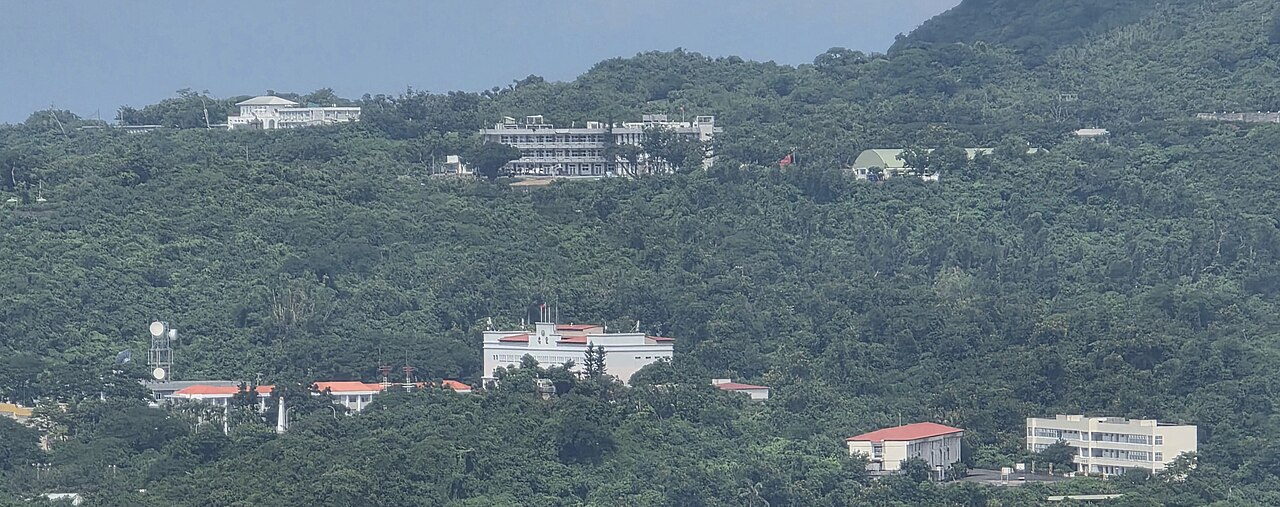
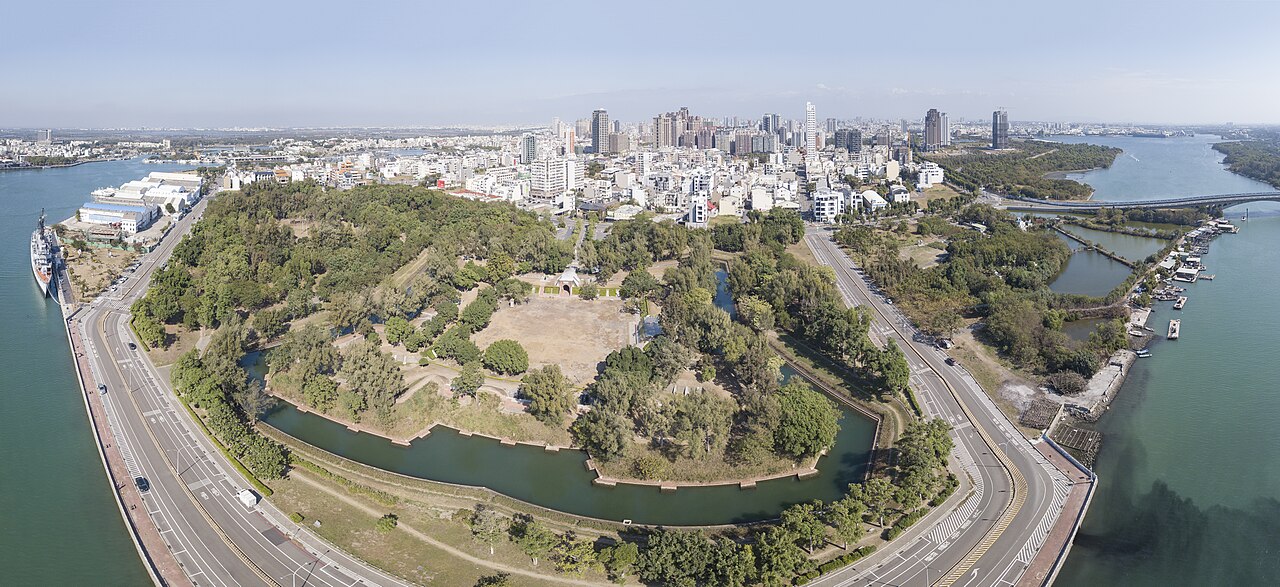
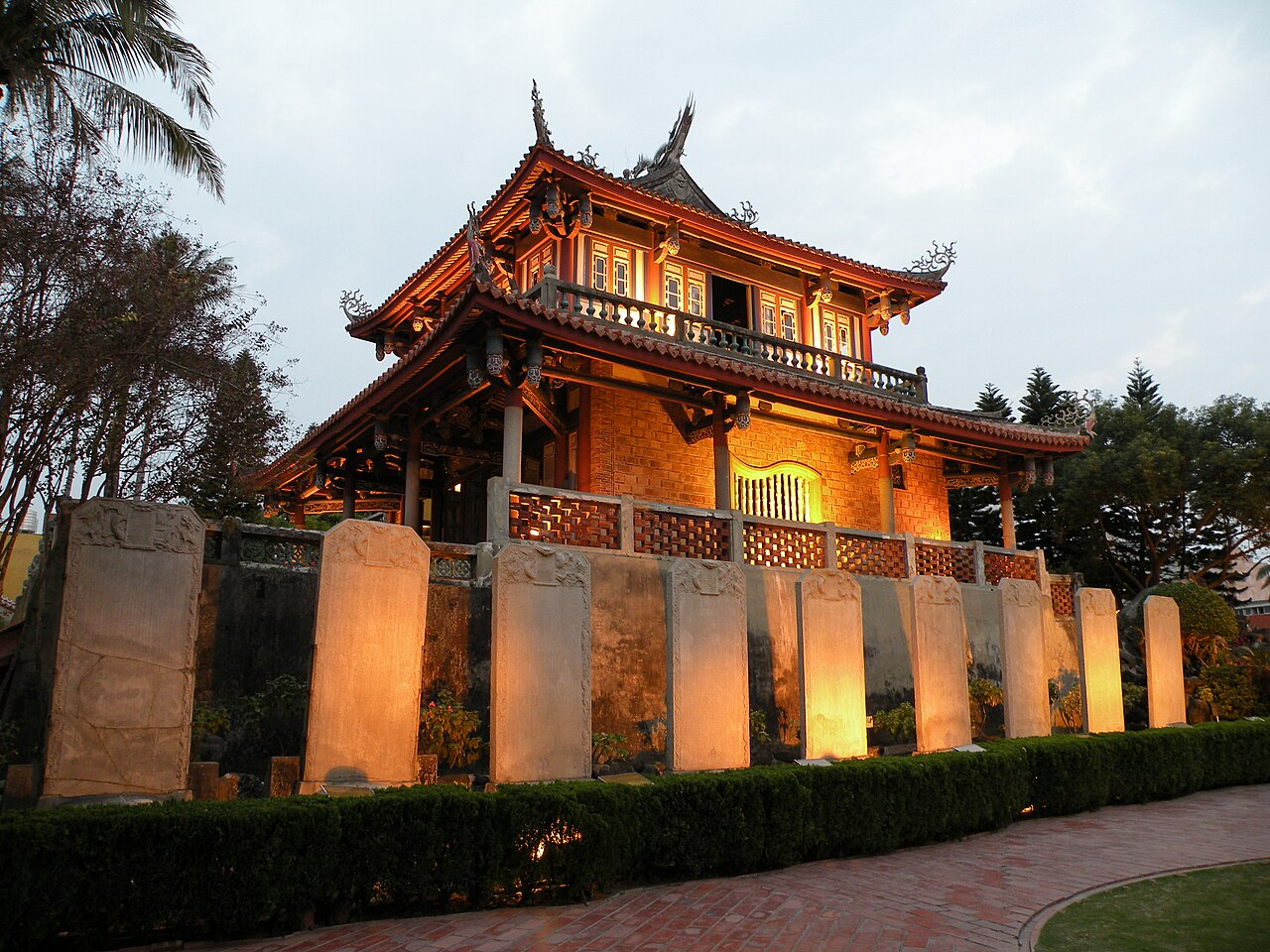
Cihou Fort, also known as Cihou Battery (Chinese: 旗後砲臺; Hanyu Pinyin: Qíhòu Pàotái), is a significant historic bastioned fortress located in the Cijin District of Kaohsiung, Taiwan. Constructed in the 18th century during the post-Renaissance period, it was strategically positioned to guard the northern entrance to Kaohsiung Harbor, an important maritime gateway. The fort played a crucial role in the defense system of the harbor, protecting it from naval threats and ensuring control over maritime traffic.
Historical context and strategic importance
The establishment of Cihou Fort reflects the military and geopolitical concerns of the era, particularly the need to secure Taiwan's southern ports against foreign naval incursions. During the 18th century, Taiwan was a contested territory with increasing maritime activity and threats from pirates and rival powers. The fort's location on a promontory overlooking the harbor allowed defenders to monitor and control access effectively.
Throughout its history, Cihou Fort witnessed various military engagements and served as a deterrent against hostile forces. It was part of a broader network of coastal defenses that included other batteries and fortifications around Kaohsiung Harbor, designed to safeguard the economic and strategic interests of the region.
Architectural features and design
Cihou Fort exemplifies the characteristics of a bastioned fortress, a style that became prominent in the post-medieval period and was adapted to defend against artillery attacks. The fortress features thick stone walls arranged in a bastion layout, allowing defenders to cover all approaches with overlapping fields of fire. The design includes angular bastions projecting outward from the main walls, enabling enfilading fire along the curtain walls and reducing blind spots.
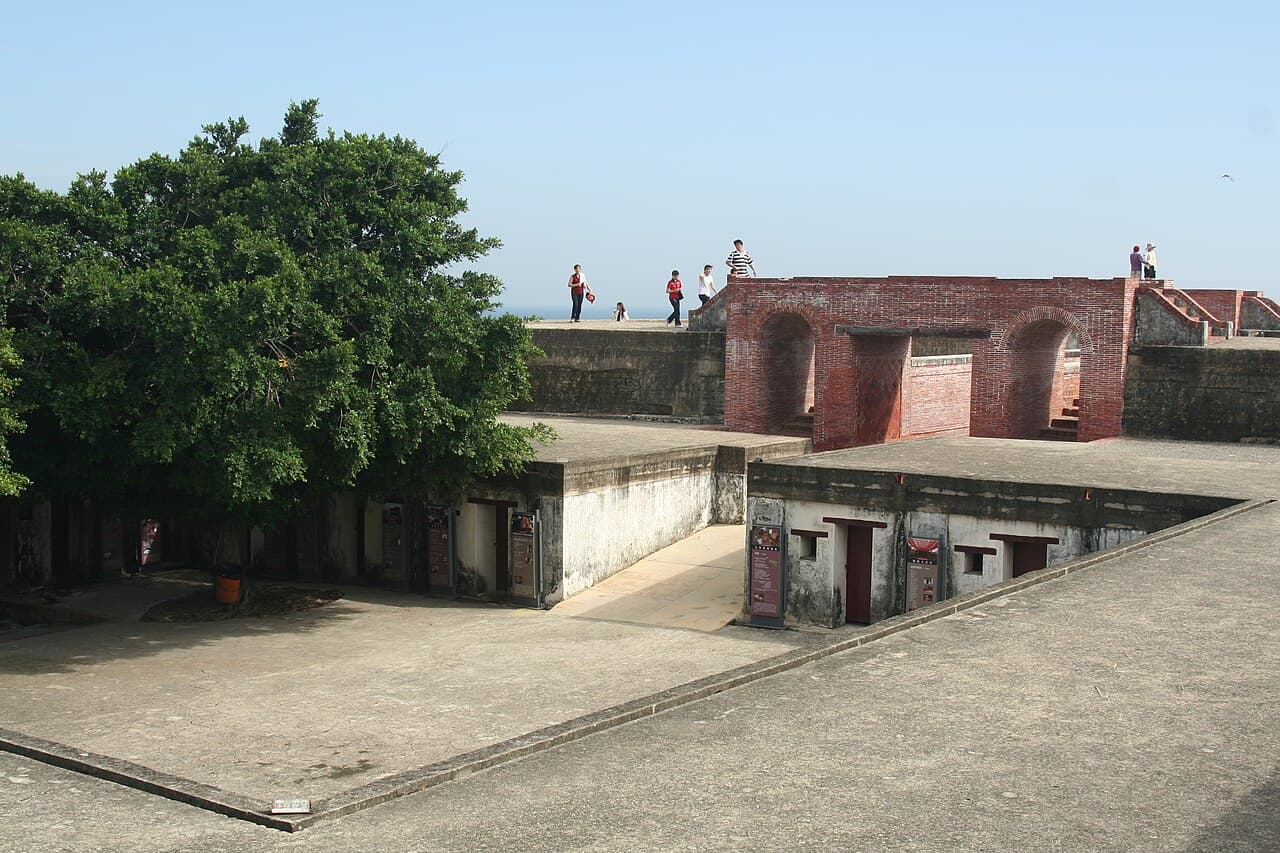
The fort's construction utilized locally available materials, primarily stone and brick, providing durability against bombardment and the harsh coastal environment. The walls are punctuated by embrasures for mounting cannons, reflecting the fort's primary function as an artillery battery. Inside, the fort contained barracks, ammunition magazines, and command posts, arranged to support sustained defense operations.
Defensive structures and artillery placement
The bastions were equipped with heavy cannons positioned to cover the harbor entrance and adjacent sea lanes. The placement of these artillery pieces was carefully planned to maximize their range and effectiveness against approaching enemy ships. The fort's elevated position on a hill enhanced the firing angles and visibility, allowing early detection of threats.
Cultural significance and preservation
Today, Cihou Fort stands as a well-preserved historical site and a symbol of Taiwan's coastal defense heritage. It attracts visitors interested in military architecture and the island's colonial past. The fort's location offers panoramic views of Kaohsiung Harbor and the surrounding seascape, making it a popular destination for tourists and locals alike.
Efforts have been made to maintain and restore the fort, preserving its structural integrity and historical authenticity. Interpretive signage and guided tours provide educational insights into the fort's construction, military role, and the broader historical context of Taiwan's coastal defenses.
Visiting Cihou Fort
Visitors to Cihou Fort can explore its bastions, walk along the ramparts, and examine the artillery emplacements. The site is accessible from Kaohsiung city center and is often combined with visits to other nearby attractions on Cijin Island, including the Cijin Lighthouse and local seafood markets.
Opening hours and ticket prices vary, but the fort is generally open to the public with free or low-cost admission. The best time to visit is during daylight hours to fully appreciate the views and architectural details.
Photo gallery

Information
Loading map...
Visitor reviews
No reviews yet. Been here? Write the first review and help other travelers!
Write the first reviewVisited this castle? Share your experience
Your review helps other travelers and adds first-hand knowledge to our encyclopedia.