Anping Small Fort
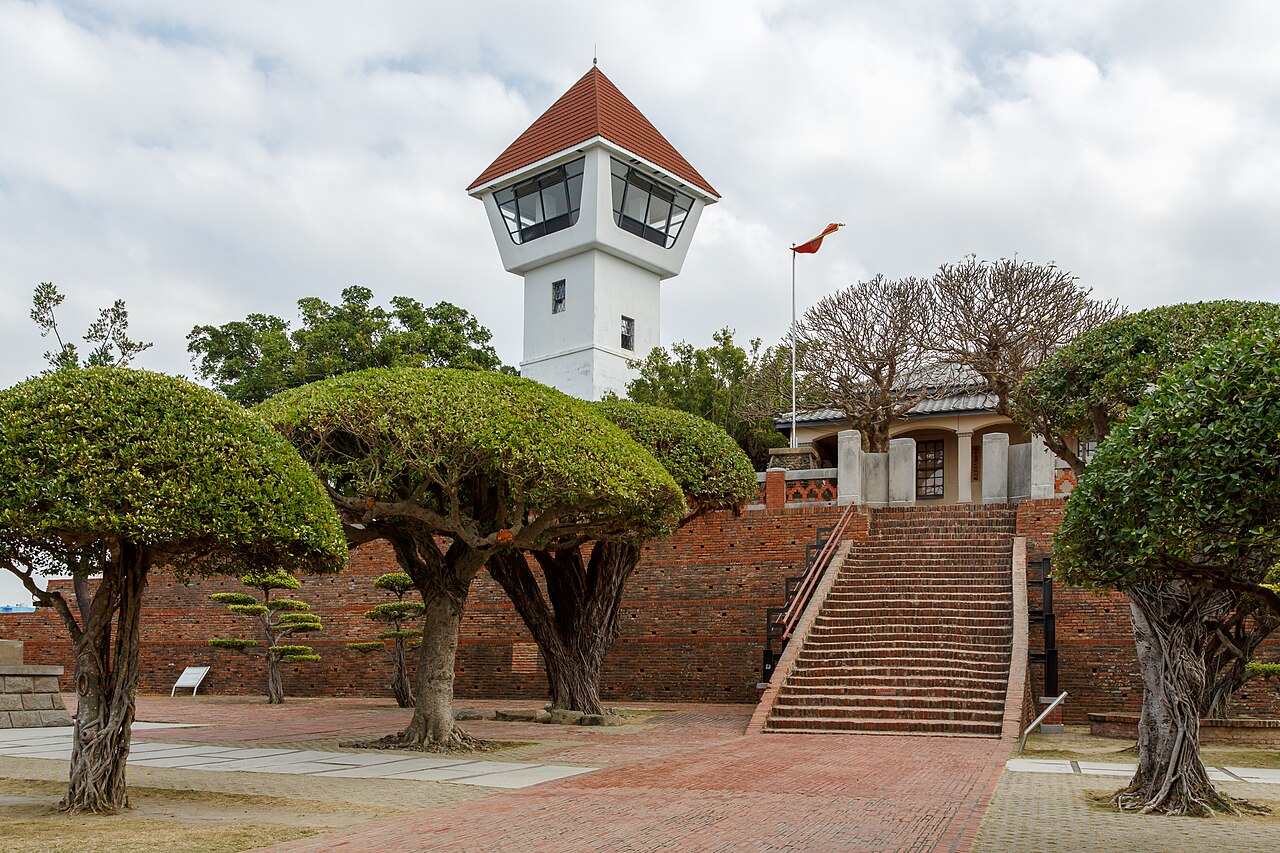
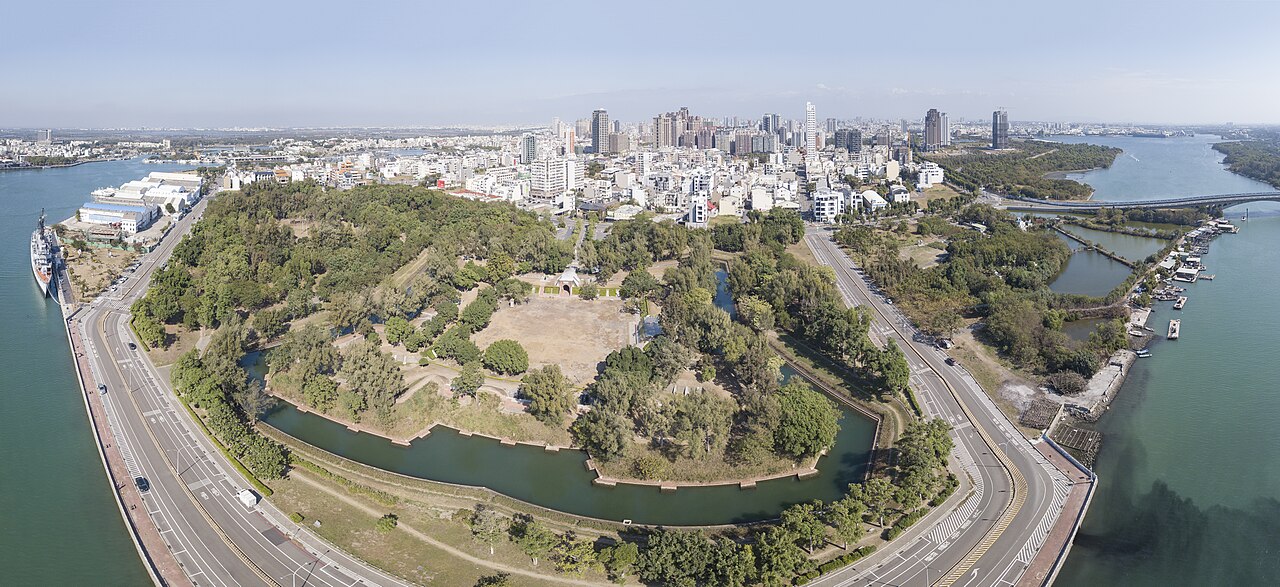
The Anping Small Fort (traditional Chinese: 安平小砲臺; simplified Chinese: 安平小炮台; pinyin: Ānpíng Xiǎo Pàotái) is a 19th-century bastioned fortress situated in the Anping District of Tainan, Taiwan. This fort represents an important example of modern military architecture in Taiwan, reflecting the strategic defensive needs during the late Qing Dynasty period.
Historical background and strategic significance
Constructed in the 19th century, the Anping Small Fort was part of a broader effort to strengthen coastal defenses in Taiwan amid increasing foreign naval threats. The fort was built during a time when Taiwan was under Qing rule, and the island's coastal areas were vulnerable to incursions by Western powers and pirates. Its location in Anping District was chosen for its strategic advantage, overseeing the coastal approach and protecting the vital port of Tainan.
The fort's establishment coincided with a period of modernization in military fortifications, influenced by Western bastion designs that emphasized angled walls and artillery placements to maximize defensive coverage. The Anping Small Fort served as a smaller complement to larger fortifications in the area, designed to provide additional layers of defense.
Architectural features and design
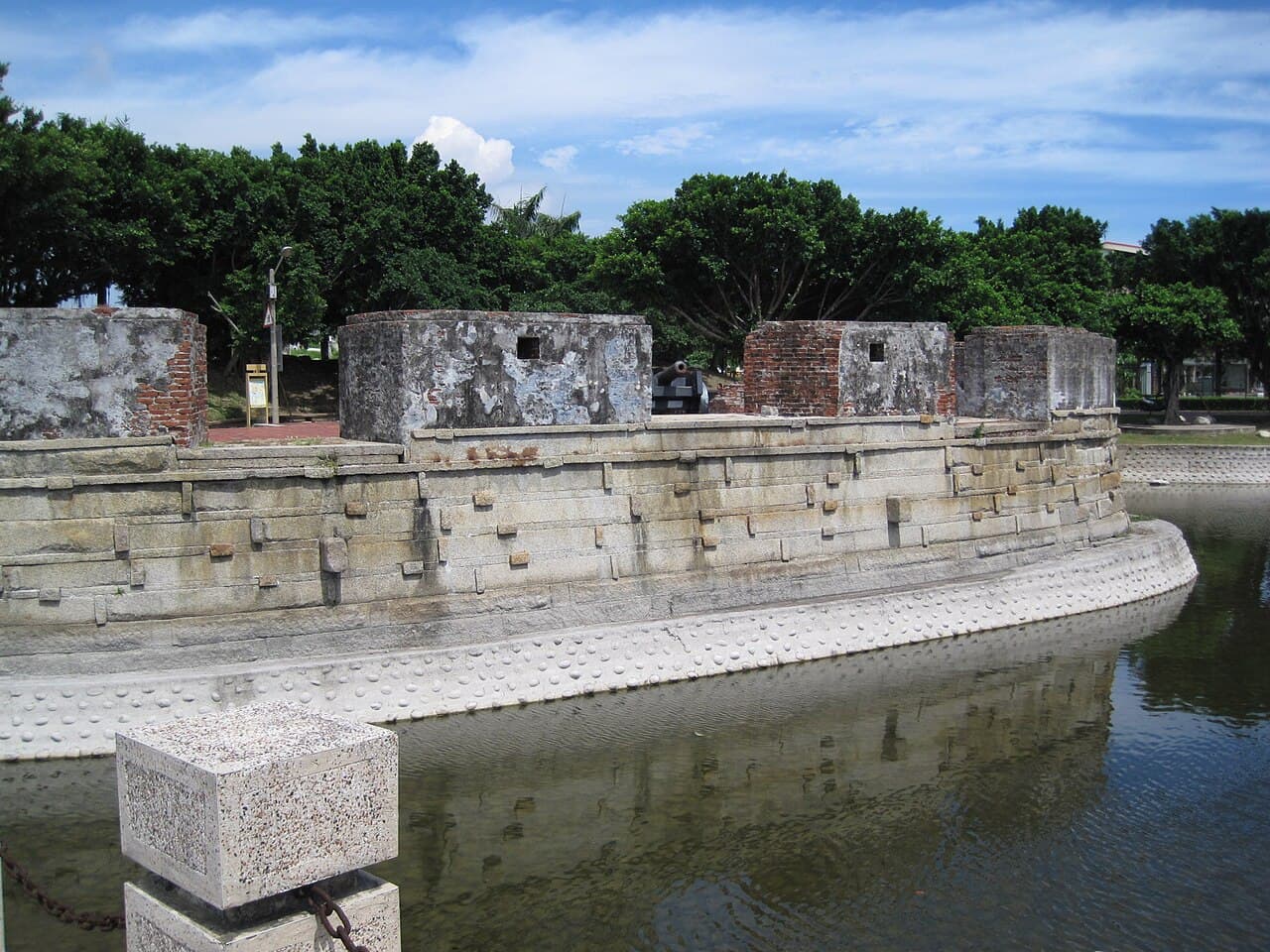
The Anping Small Fort is classified as a bastioned fortress, a style characterized by projecting bastions at the corners of the fortification walls. This design allowed defenders to cover adjacent walls with crossfire, reducing blind spots and enhancing the fort's ability to repel attackers.
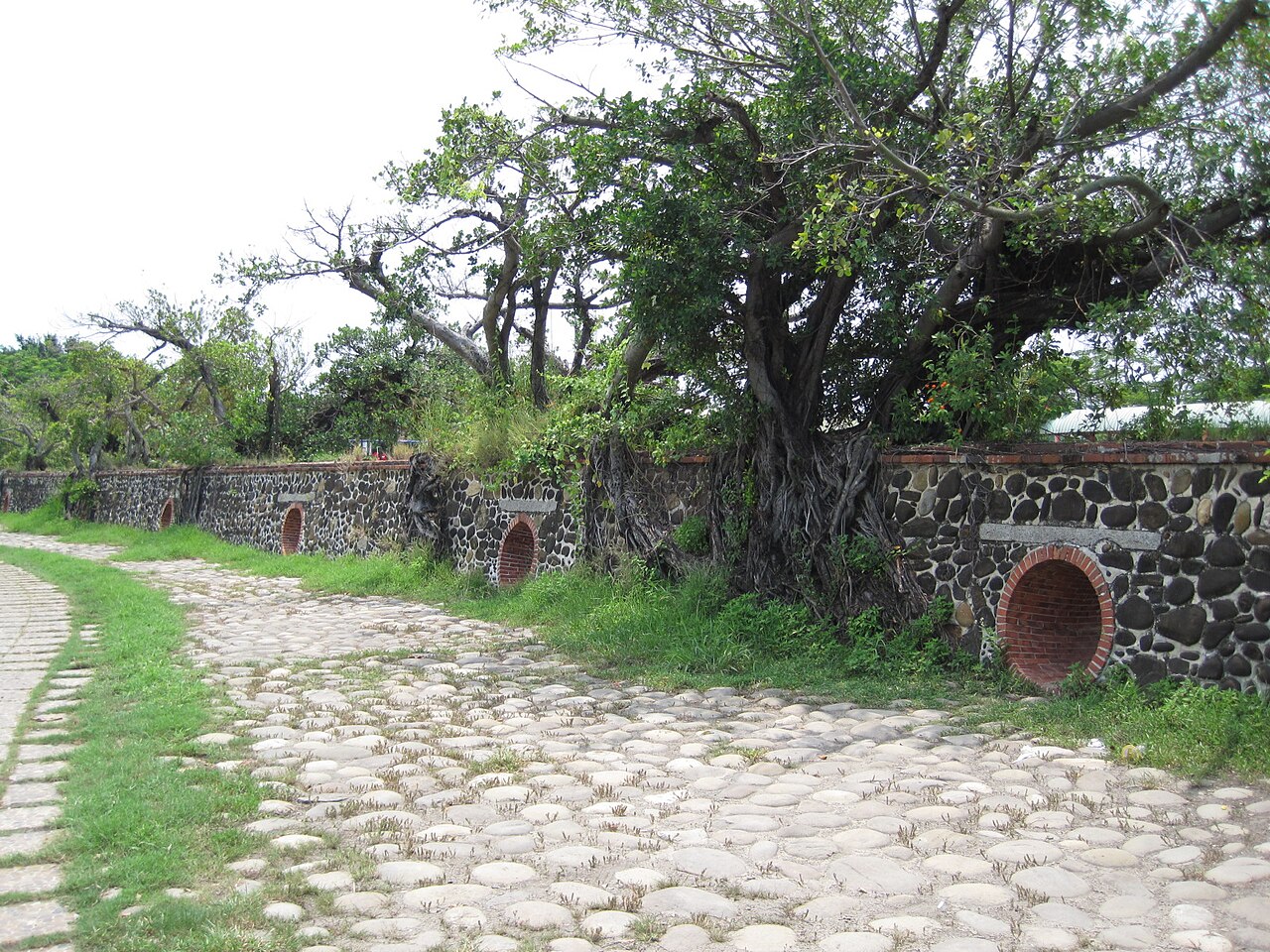
The fort's walls were constructed using locally sourced materials, with thick masonry designed to withstand artillery bombardment. Its compact layout includes a perimeter wall with bastions at key points, a central courtyard, and artillery platforms. The fort's small size distinguished it from larger coastal forts but allowed for efficient defense with a limited garrison.
Key architectural elements include embrasures for cannons, narrow firing slits for muskets, and a gatehouse designed to control access. The fort's layout reflects the military engineering principles of the late Qing era, integrating both traditional Chinese and Western fortification techniques.
Role during conflicts and historical events
While the Anping Small Fort did not witness major battles, it played a role in the broader defense network of Taiwan's coast. Its presence contributed to deterring smaller-scale raids and piracy during a turbulent period in Taiwan's history. The fort also symbolizes the Qing government's attempts to assert control and modernize defenses in the face of foreign pressures.
During the transition from Qing rule to Japanese colonial administration in the late 19th century, the fort's military importance declined. Under Japanese rule, many coastal fortifications were either repurposed or fell into disuse as new military strategies and technologies emerged.
Current status and preservation
Today, the Anping Small Fort is recognized as a historical site in Tainan. Although it is relatively small and less famous than other Taiwanese forts, it remains an important cultural relic reflecting Taiwan's coastal defense history. The fort is partially preserved, with some original walls and bastions still visible.
Efforts have been made to maintain the structure and promote it as a heritage site for visitors interested in Taiwan's military architecture and history. The site offers insight into the adaptation of Western military designs in East Asia and the local responses to geopolitical challenges in the 19th century.
Visiting the Anping Small Fort
The fort is accessible to the public and is often included in cultural and historical tours of the Anping District. Visitors can explore the remaining bastions and walls, gaining a sense of the fort's defensive capabilities and architectural style.
Interpretive signage and local guides provide context about the fort's construction, historical role, and architectural features. The site is a valuable destination for those interested in military history, colonial-era fortifications, and Taiwanese heritage.
Nearby attractions
The Anping Small Fort is located near other notable historical sites such as the Anping Old Fort (Fort Zeelandia), traditional markets, and cultural museums, making it a worthwhile stop for visitors exploring the rich history of Tainan.
Frequently asked questions about Anping Small Fort
- When was Anping Small Fort built? The fort was constructed in the 19th century during the Qing Dynasty's efforts to strengthen coastal defenses in Taiwan.
- What type of fort is Anping Small Fort? It is a bastioned fortress featuring angled bastions designed for artillery defense.
- Is Anping Small Fort open to visitors? Yes, the site is accessible to the public and can be visited as part of historical tours in Anping District.
- What architectural styles influenced the fort? The fort combines traditional Chinese military architecture with Western bastion fort design principles.
- How well preserved is the fort? The fort is partially preserved, with some original walls and bastions still intact.
- Are there other historical sites near Anping Small Fort? Yes, it is close to the Anping Old Fort (Fort Zeelandia) and other cultural attractions in Tainan.
- Why was the fort built in Anping? Its location was strategic for protecting the coastal approach to Tainan and deterring foreign naval threats.
Frequently asked questions (FAQ)
- What is the historical significance of Anping Small Fort?
- Anping Small Fort, also known as Anping Fort, was built by the Dutch in the 17th century and played a crucial role in the early colonization of Taiwan. It served as a military stronghold and a trading post, marking the beginning of foreign influence in the region. Today, it stands as a symbol of Taiwan's colonial history and is a popular tourist destination.
- When was Anping Small Fort constructed?
- Anping Small Fort was constructed in 1624 by the Dutch East India Company during their colonization of Taiwan. The fort was initially built to protect their trading interests and was later expanded to accommodate military needs. It reflects the architectural style and military strategies of the time.
- What are the opening hours for Anping Small Fort?
- Anping Small Fort is open daily from 8:30 AM to 5:30 PM, allowing visitors ample time to explore its historical structures and enjoy the surrounding area. Last entry is typically 30 minutes before closing. It's advisable to check for any special holiday hours before your visit.
- Can I visit Anping Small Fort year-round?
- Yes, Anping Small Fort is open to visitors year-round, making it accessible regardless of the season. However, the best time to visit is during the cooler months from October to March, when the weather is more pleasant for outdoor exploration. Be sure to dress appropriately for the weather conditions during your visit.
- Is it possible to access Anping Small Fort using public transportation?
- Absolutely! Anping Small Fort is easily accessible via public transportation, including buses and taxis from Tainan city center. Many visitors also choose to rent bicycles for a scenic ride along the waterfront to reach the fort.
- What are the ticket prices for Anping Small Fort?
- The entrance fee for Anping Small Fort is generally very affordable, with tickets priced around NT$50 for adults and discounts available for children and seniors. This nominal fee helps maintain the fort and its surrounding areas while providing visitors with a rich historical experience.
- What nearby attractions can I visit while at Anping Small Fort?
- While visiting Anping Small Fort, you can also explore the nearby Anping Tree House, a unique site where nature and history intertwine. Other attractions include the historic Anping Old Street, where you can sample local snacks and shop for souvenirs, enhancing your overall experience in the area.
- When is the best time to visit Anping Small Fort?
- The best time to visit Anping Small Fort is during the cooler months from October to March, when temperatures are more comfortable for outdoor activities. Additionally, weekdays tend to be less crowded than weekends, allowing for a more peaceful experience while exploring the fort. Early mornings can also provide a quieter atmosphere and beautiful lighting for photography.
Photo gallery

Information
Loading map...
Visitor reviews
No reviews yet. Been here? Write the first review and help other travelers!
Write the first reviewVisited this castle? Share your experience
Your review helps other travelers and adds first-hand knowledge to our encyclopedia.