Fort San Salvador
Fort San Salvador is a significant example of a 17th-century bastioned fortress located in Taiwan. Constructed during the Renaissance period, this fortress exemplifies the military architectural innovations that emerged in response to the evolution of artillery and siege warfare. The design of Fort San Salvador reflects the principles of the bastioned fortification system, which was developed to provide improved defensive capabilities against cannon fire.
Historical context and strategic importance
During the 17th century, Taiwan was a contested territory influenced by various colonial powers, including the Dutch, Spanish, and later the Qing dynasty. Fort San Salvador was built as part of the efforts to establish and maintain control over the island, serving both as a military stronghold and a symbol of colonial authority. Its location was chosen to oversee and protect key maritime routes and settlements.
Architectural features and design
Bastioned fortification system
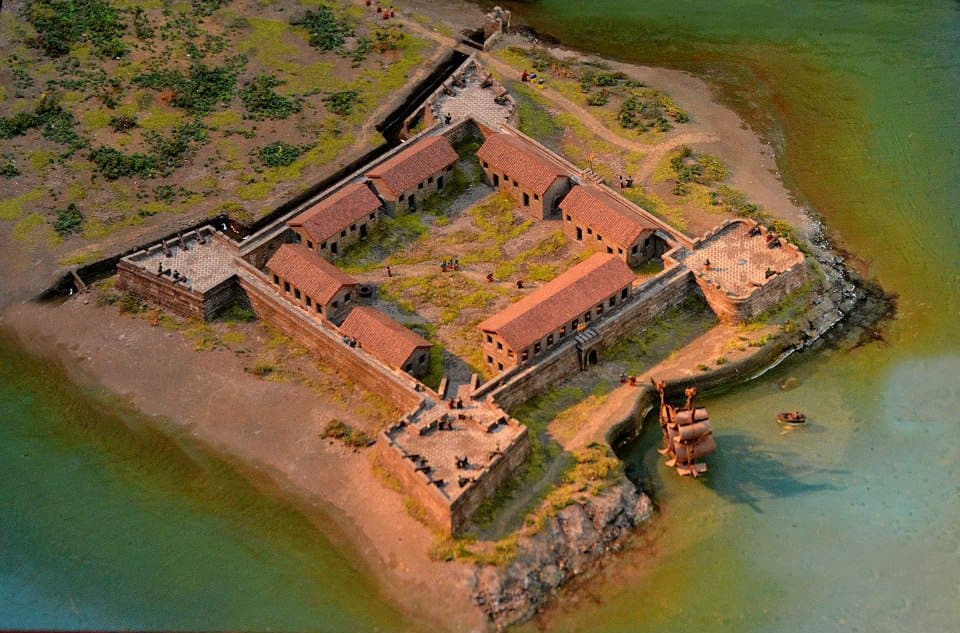
The fortress is characterized by its angular bastions projecting from the main walls, allowing defenders to cover adjacent walls with overlapping fields of fire. This design minimized blind spots and made direct assaults more difficult. The walls were constructed with thick masonry to absorb cannon impacts, and the fortress likely included a surrounding moat or ditch as an additional defensive measure.
Layout and internal structures
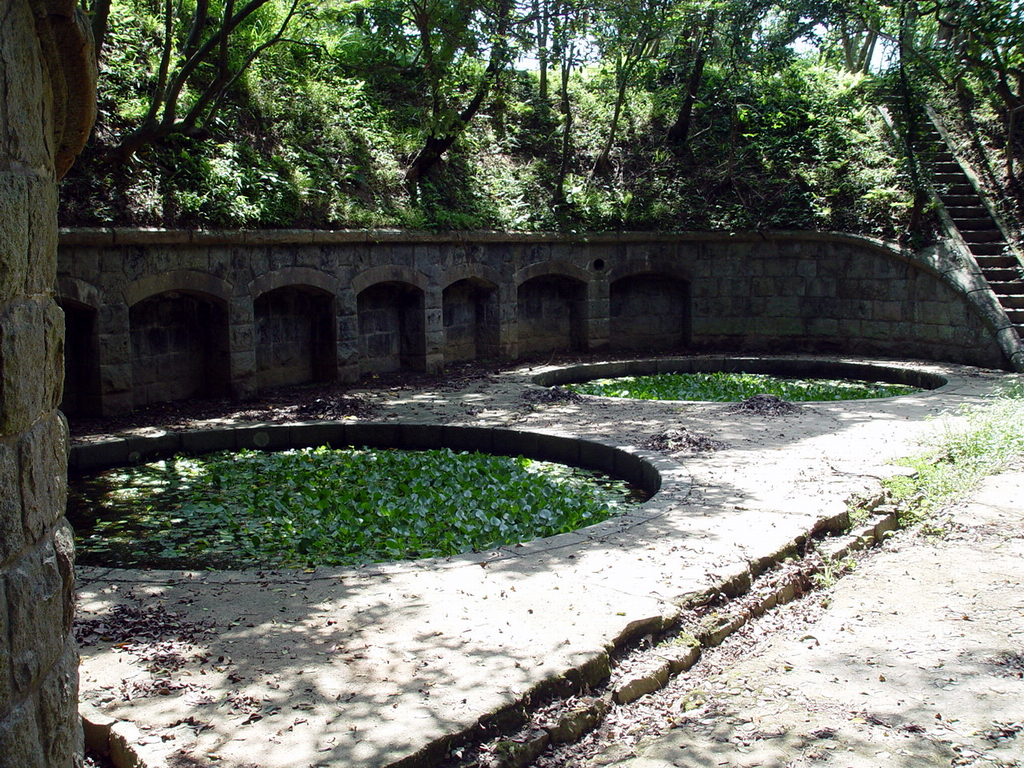
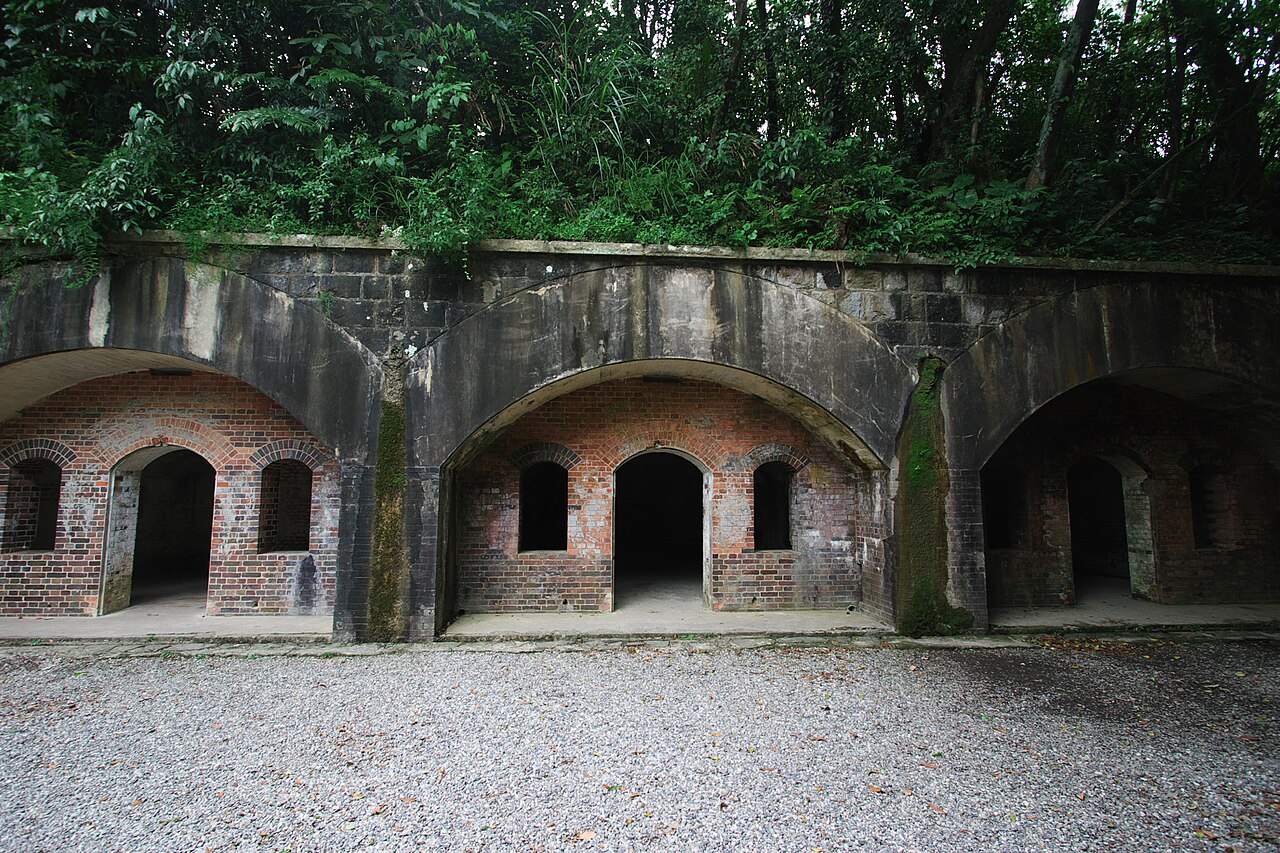
Inside the fort, there would have been casemates or vaulted chambers for storing ammunition and housing troops. The central courtyard provided space for assembling soldiers and organizing supplies. The entrance was typically fortified with a gatehouse and possibly a drawbridge, enhancing security against attackers.
Materials and construction techniques
The construction of Fort San Salvador utilized local stone and brick materials, combined with lime mortar, which was common in Renaissance military architecture. The builders applied geometric precision in the layout to optimize defensive coverage and structural stability. The fortress's robust construction has contributed to its preservation over centuries.
Preservation and current status
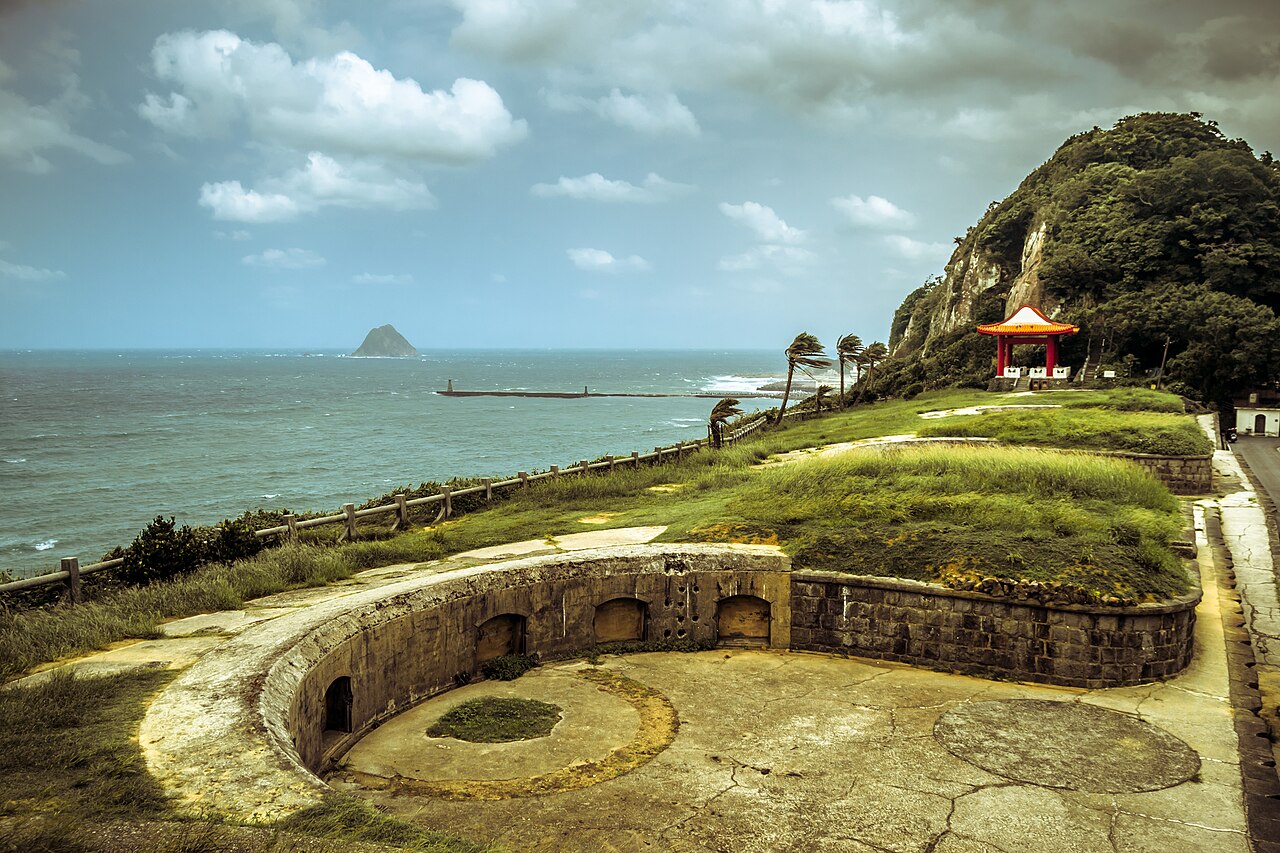
Today, Fort San Salvador remains a notable historical monument in Taiwan, representing the island's colonial past and the military architectural advancements of the Renaissance era. While the exact condition may vary, bastioned fortresses of this period often survive as partially preserved or restored sites, attracting historians, architects, and tourists interested in military history and colonial heritage.
Significance in military architecture
Fort San Salvador illustrates the transition from medieval castle designs to early modern fortifications adapted for gunpowder weaponry. Its bastioned design served as a model for many coastal and colonial forts worldwide, demonstrating the global spread of Renaissance military engineering principles.
Frequently asked questions (FAQ)
- What is the historical significance of Fort San Salvador?
- Fort San Salvador is a 17th-century fortification built by the Spanish as part of their colonial efforts in Taiwan. It played a crucial role in the defense against pirates and rival colonial powers, reflecting the strategic importance of Taiwan in maritime trade during that era.
- When was Fort San Salvador built?
- Construction of Fort San Salvador began in 1626 and was completed in 1628. It served as a military outpost for the Spanish until they abandoned it in 1642, after which it changed hands several times among different colonial powers.
- What are the opening hours for Fort San Salvador?
- Fort San Salvador is typically open to visitors from 9:00 AM to 5:00 PM, with last admissions at 4:30 PM. It is advisable to check for any holiday closures or special events that may affect these hours before planning your visit.
- Can I access Fort San Salvador by public transport?
- Yes, Fort San Salvador is accessible by public transport, with bus services available from major cities in Taiwan. Visitors can also consider taking a taxi or rideshare service for more convenience.
- Is it possible to take guided tours of Fort San Salvador?
- Yes, guided tours are available and highly recommended for those interested in the rich history and architecture of the fort. These tours often provide deeper insights into the fort's significance and the stories behind its construction.
- What is the best time to visit Fort San Salvador?
- The best time to visit Fort San Salvador is during the spring (March to May) and fall (September to November) when the weather is mild and pleasant. Visiting during weekdays can also help avoid larger crowds.
- Are there any ticket prices for entering Fort San Salvador?
- Entrance to Fort San Salvador is typically free, making it an accessible destination for all visitors. However, special exhibitions or guided tours may have a nominal fee, so it's best to check in advance.
- What nearby attractions can I explore after visiting Fort San Salvador?
- After visiting Fort San Salvador, you can explore other nearby attractions such as the historic city of Tamsui, known for its waterfront and local street food. Additionally, the Tamsui Old Street and the Fisherman's Wharf are great places to experience local culture and cuisine.
Photo gallery

Photo by 國立臺灣歷史博物館 斯土斯民-臺灣的故事•Public domain
Information
Loading map...
Visitor reviews
No reviews yet. Been here? Write the first review and help other travelers!
Write the first reviewVisited this castle? Share your experience
Your review helps other travelers and adds first-hand knowledge to our encyclopedia.