
Castles in Palestine: best to visit and full list
Castle heritage and fortifications in Palestine
Palestine's rich history is deeply intertwined with its strategic location at the crossroads of ancient trade routes and empires. This has left a remarkable legacy of castles and fortifications that reflect centuries of military, political, and cultural shifts. From coastal fortresses guarding Mediterranean access to inland citadels overseeing vital routes, these structures tell the story of a land shaped by conquest and defense.
The heritage of castles in Palestine spans several historical periods, including the Crusader era, Islamic dynasties, and the Ottoman Empire. Each period contributed to the evolution of fortification design and architecture, blending diverse influences into unique regional styles. Today, many of these sites remain as evocative ruins or restored landmarks, offering insight into the medieval fortifications that once dominated the landscape.
Continue reading below — scroll for the full article.
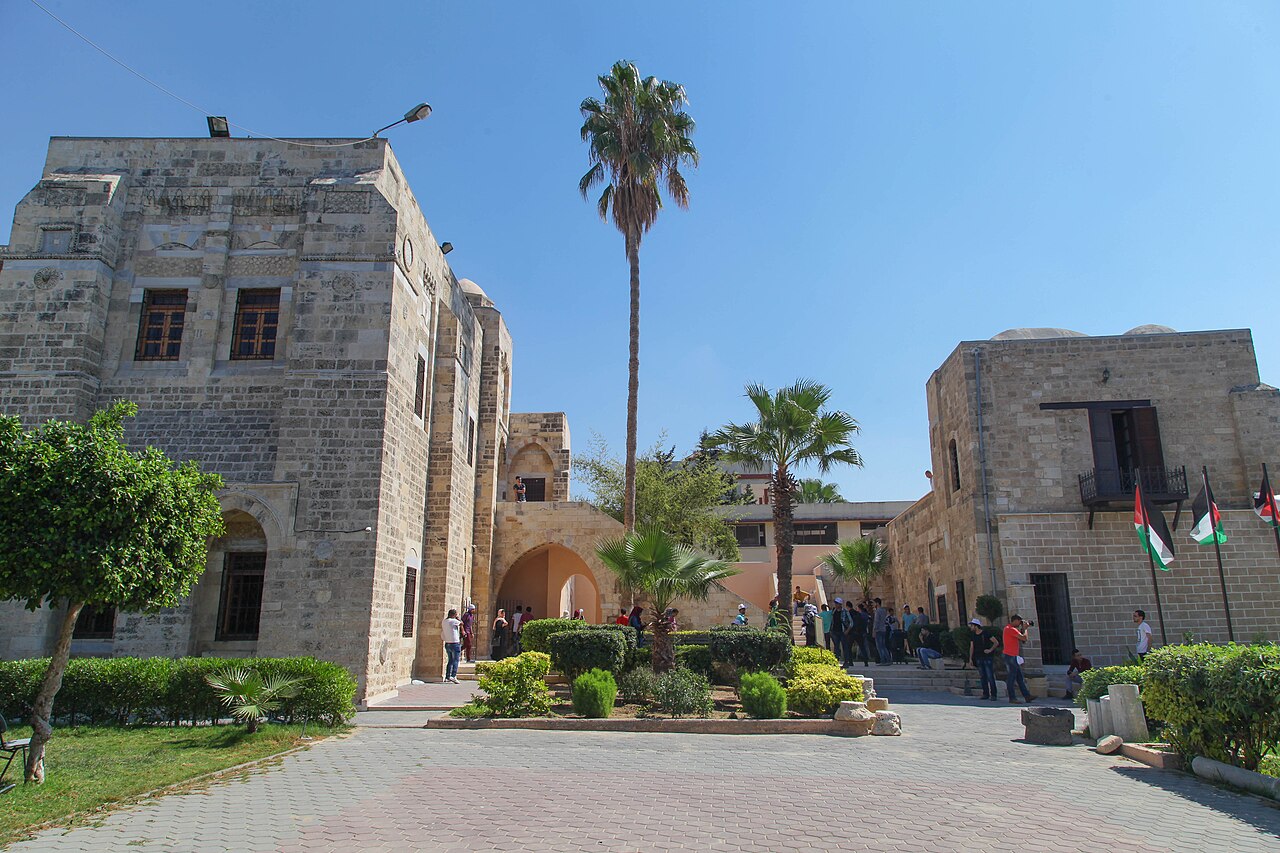
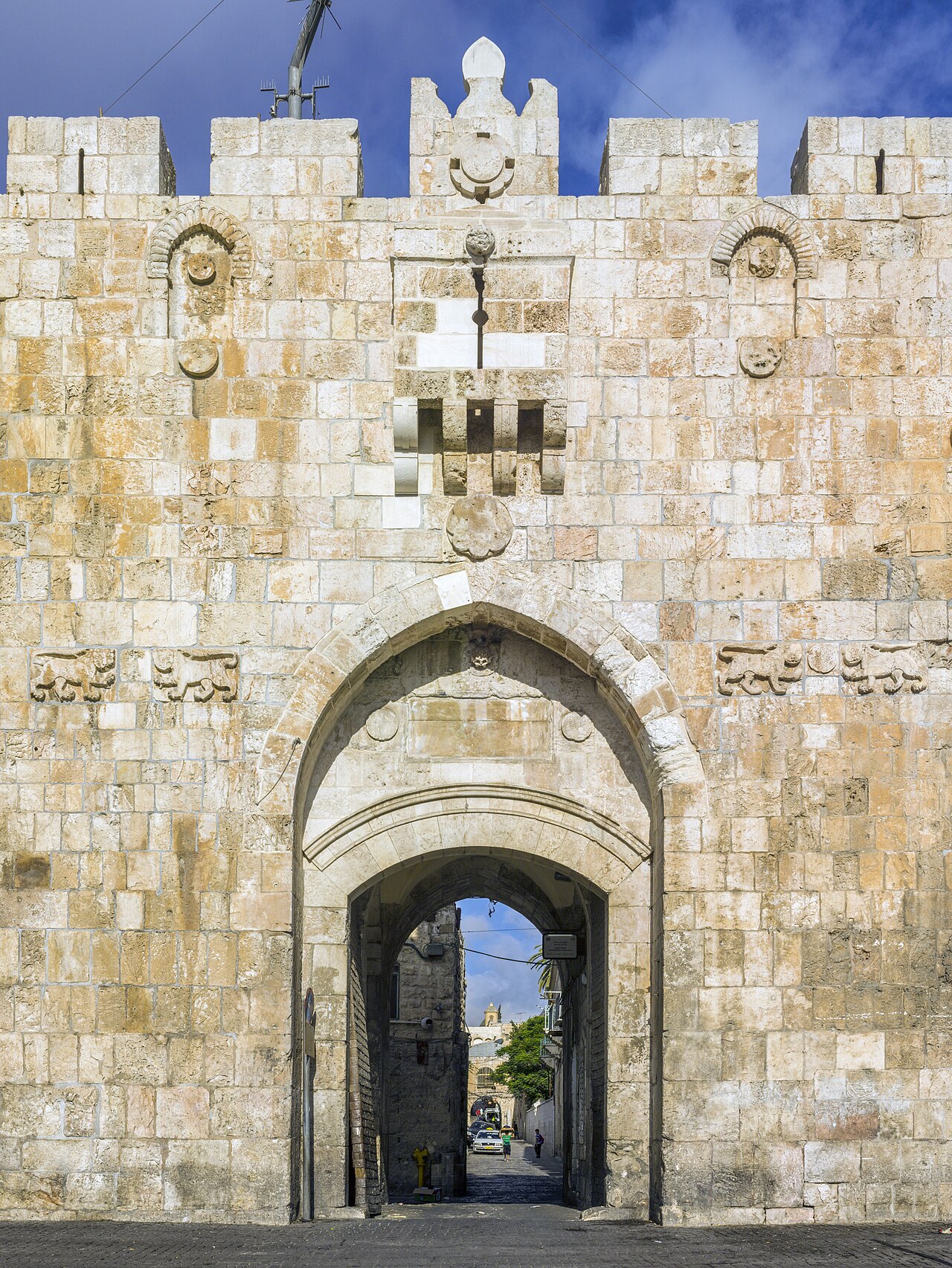
Best castles to visit in Palestine
Ranked by popularity, page views, reviews and visitor saves. See all 9 castles
- 1
- 2
- 3
- 4
- 5
- 6
Historical background and medieval period
The medieval period was a defining era for castle construction in Palestine, particularly during the Crusades between the 11th and 13th centuries. European crusaders established numerous fortresses to secure their hold on the Holy Land, often building on or near earlier Byzantine or Islamic fortifications. These castles served as military strongholds, administrative centers, and symbols of power.
One of the most iconic examples is the Crusader castle of Belvoir Fortress (Kokhav HaYarden), constructed in the 12th century. Perched on a hill overlooking the Jordan Valley, it exemplifies the military architecture of the Crusader states, combining defensive features with strategic placement. The fortress played a crucial role in controlling trade routes and defending against Muslim forces.
During the same period, other important castles such as Al-Karak and the fortress at Ajloun were key sites of conflict and administration. These castles witnessed numerous sieges and changes in control, reflecting the turbulent nature of the medieval Levant.
Types of fortifications in Palestine
Palestine's fortifications encompass a variety of structures, from hilltop castles to city walls and coastal forts. These different types of defensive works illustrate the multifaceted approach to security in the region.
Castles and citadels
Castles in Palestine were often built as fortified residences and military bases. They typically feature thick curtain walls, towers, and gatehouses designed to withstand siege warfare. Many also included living quarters, chapels, and storage facilities, creating self-sufficient complexes.
The Ajloun Castle, constructed by the Ayyubids in the 12th century, is a prime example of a citadel designed to control key mountain passes. Its robust walls and strategic location highlight its role in both defense and regional administration.
Defensive city walls
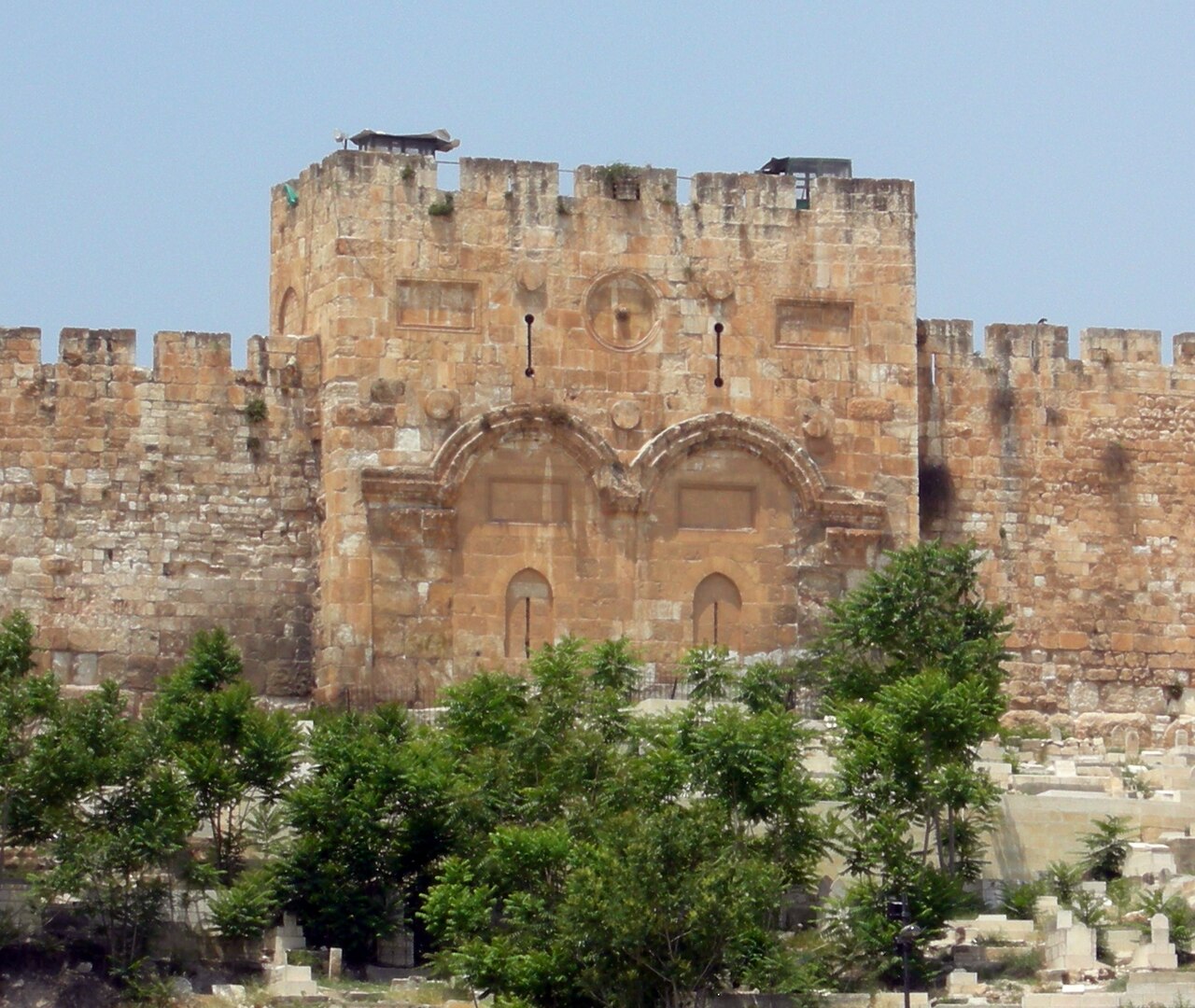
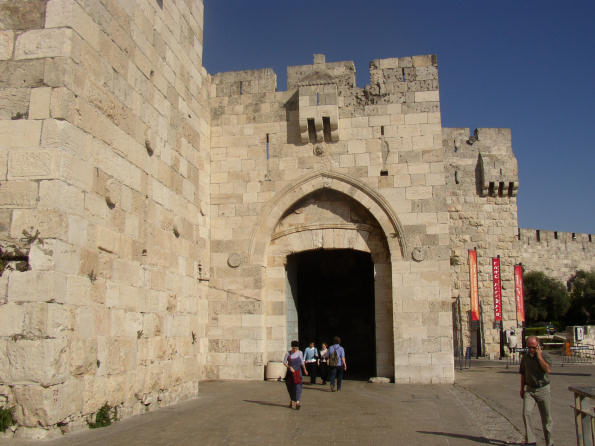
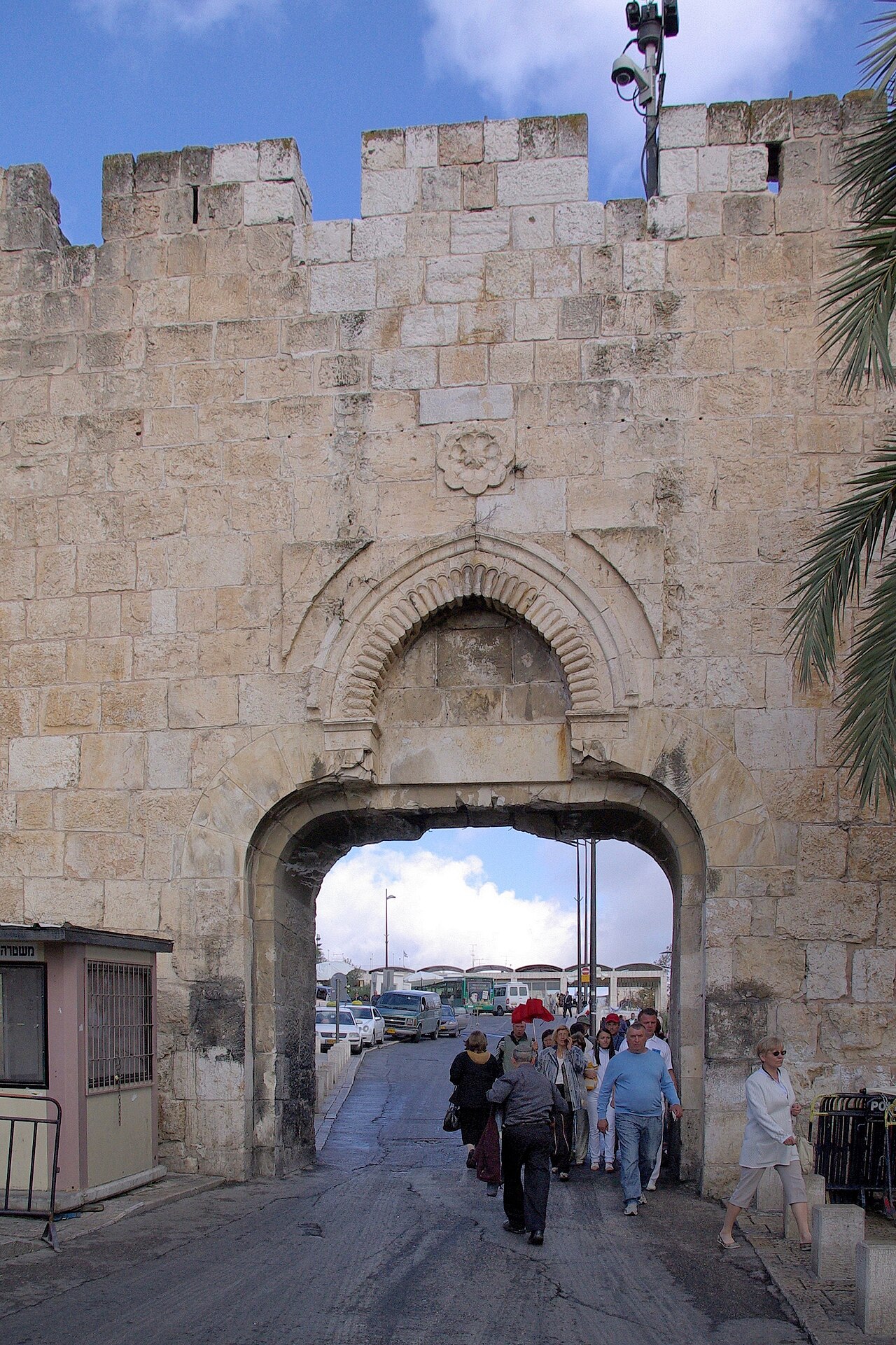
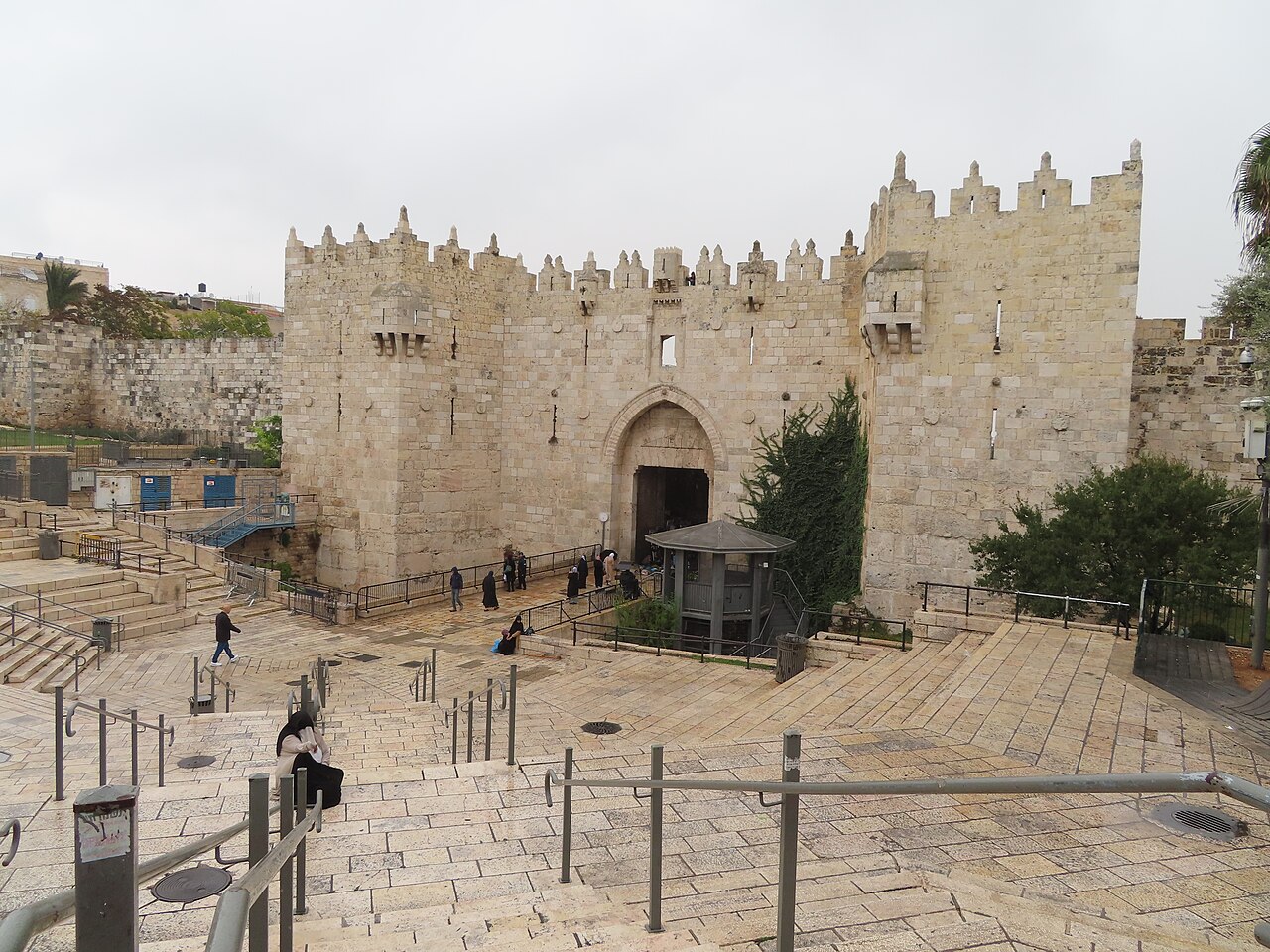
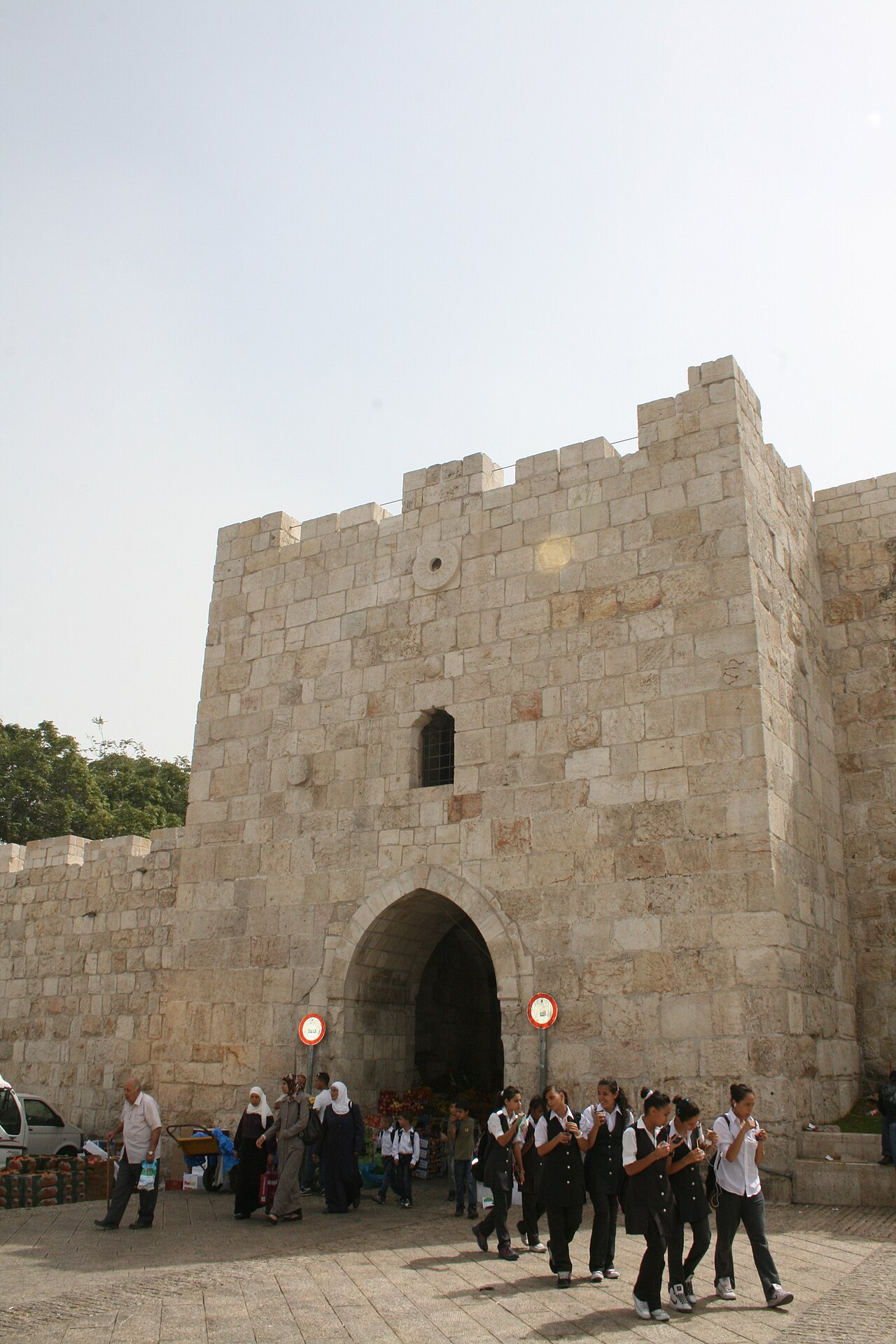
Cities in Palestine were frequently protected by extensive walls and gates. Jerusalem, with its ancient and medieval walls, stands as one of the most significant urban fortifications. These walls were periodically rebuilt and reinforced by various ruling powers, adapting to evolving military technologies.
Coastal forts
Along the Mediterranean coast, fortifications guarded against naval attacks and ensured control over maritime trade. Fortresses such as the Crusader-built structures near Acre (Akko) integrated harbor defenses with strong landward fortifications, creating formidable strongholds.
Architectural styles and influences
The architecture of Palestinian castles reflects a blend of cultural influences due to the region's diverse rulers and interactions. Crusader military architecture introduced European Gothic elements, while Islamic dynasties contributed their own design principles and decorative motifs.
Crusader castles often featured Romanesque arches, vaulted halls, and concentric defense systems. For instance, Belvoir Fortress showcases a rectangular plan with multiple defensive layers, typical of Frankish military architecture. The use of thick stone walls and angled towers enhanced their resistance to siege engines.
Islamic fortifications, such as Ajloun Castle, incorporated rounded towers and more organic layouts adapted to mountainous terrain. These castles also emphasized water management systems and integrated residential quarters with military functions.
The Ottoman period introduced additional modifications, often reinforcing existing structures with new bastions and artillery platforms to respond to gunpowder weaponry. This layering of architectural styles offers a chronological narrative of military innovation in the region.
Regional variations in fortifications
Geography played a significant role in the variation of fortifications across Palestine. Coastal areas, mountainous regions, and desert zones each demanded different defensive strategies and architectural responses.
Coastal plain fortresses
Fortifications along the Mediterranean, such as those in Acre, were designed to counter naval threats and facilitate control of ports. These castles featured thick walls facing the sea, integrated harbors, and robust gatehouses to regulate access.
Hilltop and mountain castles
The hilly terrain of northern Palestine favored the construction of castles like Ajloun and Belvoir, which exploited elevation for surveillance and defense. These sites often include terraced walls and complex water cisterns to sustain long sieges.
Urban defensive walls
In cities such as Jerusalem and Nablus, continuous walls enclosed dense urban areas. These fortifications integrated gates with guard towers and were periodically expanded to accommodate growing populations and changing military needs.
Preservation and current state of castles
Many Palestinian castles have survived in varying conditions, from well-preserved fortresses to ruins overgrown by vegetation. Factors such as natural decay, previous conflicts, and modern development have impacted their integrity.
Sites like Ajloun Castle have undergone conservation efforts, allowing visitors to experience their historical significance. Other castles, including Belvoir Fortress, benefit from archaeological research and restoration projects aimed at preserving architectural features and improving accessibility.
However, political instability and limited resources in some areas pose challenges to comprehensive preservation. International cooperation and local initiatives continue to play an important role in safeguarding this heritage for future generations.
Castle tourism and accessibility in Palestine
Palestine's castles attract visitors interested in history, archaeology, and cultural heritage. Sites such as Ajloun and Belvoir are accessible to tourists and provide informative exhibits and guided tours, enhancing public understanding of medieval fortifications.
Tourism infrastructure varies, with some castles located near urban centers offering visitor amenities, while others remain remote and less developed. Efforts to promote castle tourism contribute to local economies and raise awareness of Palestine's unique historical landscape.
Respectful tourism practices are encouraged to protect fragile ruins and maintain the authenticity of these heritage sites. Educational programs and cultural events sometimes take place within castle grounds, linking past and present communities.
Cultural significance and heritage of castles in Palestine
Castles in Palestine are more than military relics; they embody centuries of cultural exchange, conflict, and coexistence. These fortifications symbolize the region's complex history and the resilience of its peoples.
For local communities, castles represent a tangible connection to ancestral heritage and identity. They inspire artistic expression, folklore, and scholarship, serving as focal points for cultural pride and continuity.
Moreover, castles contribute to the global understanding of medieval architecture and the dynamics of Crusader-Islamic interactions. Their preservation and study enrich the broader narrative of world heritage and the enduring legacy of fortification architecture.
Castles in Palestine
Discover 9 magnificent castles across the country
Castle Locations in Palestine
Explore all castle locations on an interactive map
Loading castle locations...