Lions' Gate
Lions' Gate, also known as St Stephen's Gate, is one of the seven open gates of the Old City of Jerusalem. It serves as a prominent entrance to the Muslim Quarter and is notable for its strategic and architectural significance dating back to the 16th century.
Historical context and significance
The gate was constructed during the reign of the Ottoman Sultan Suleiman the Magnificent as part of the comprehensive rebuilding of Jerusalem's city walls between 1537 and 1541. This period is classified as the Renaissance era in terms of architectural and cultural developments, although the gate itself reflects Ottoman military and architectural influences rather than European Renaissance styles.
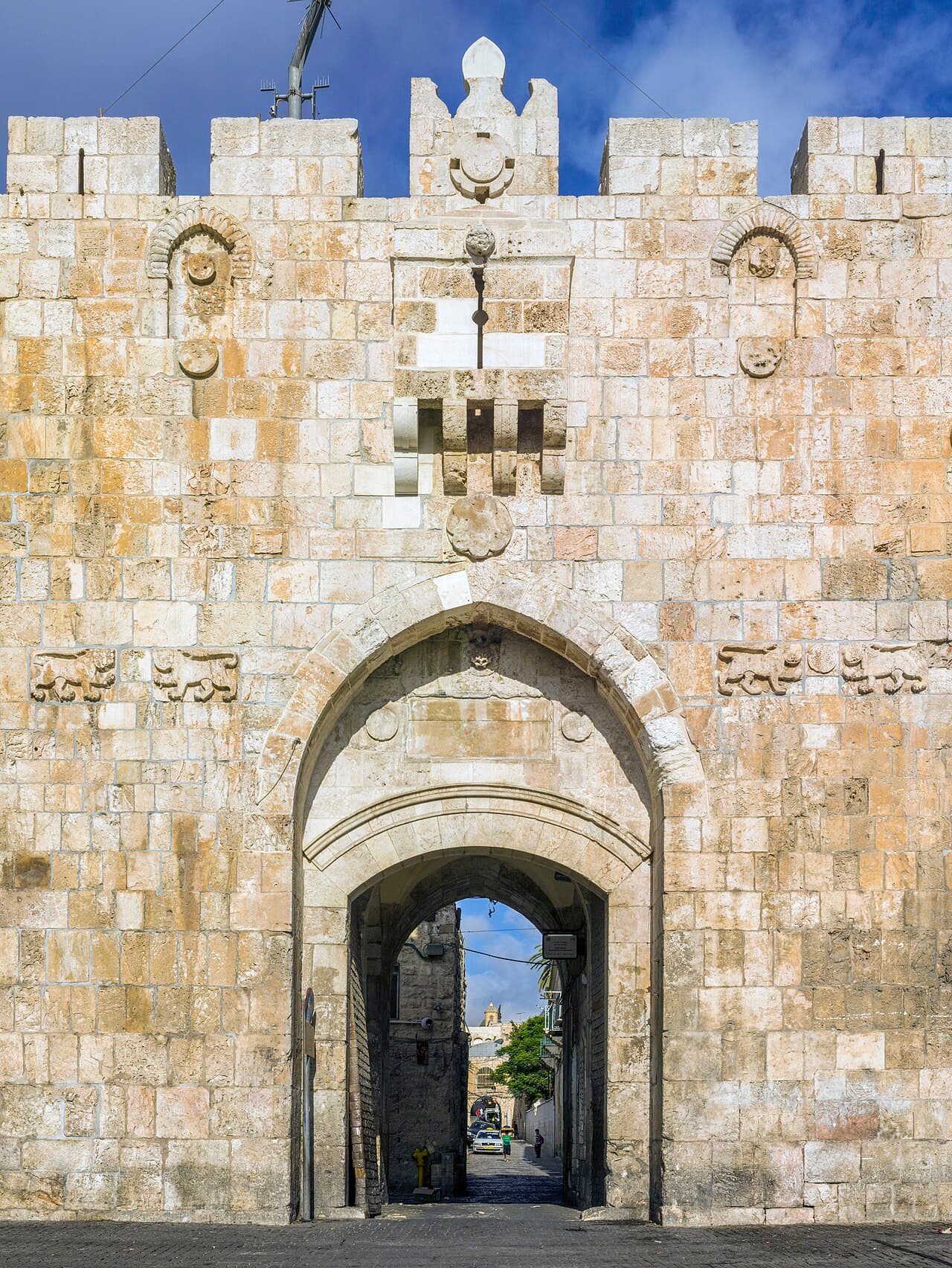
Lions' Gate is named after the two pairs of lion reliefs carved into the stone above the gate, which are believed to symbolize the power and protection of the city. These lions are thought to be inspired by the heraldic emblem of Sultan Suleiman or possibly his son Selim II. The gate is also called Bab al-Asbat in Arabic, meaning "Gate of the Tribes," referring to the twelve tribes of Israel, underscoring its cultural and religious importance.
Architectural features and design
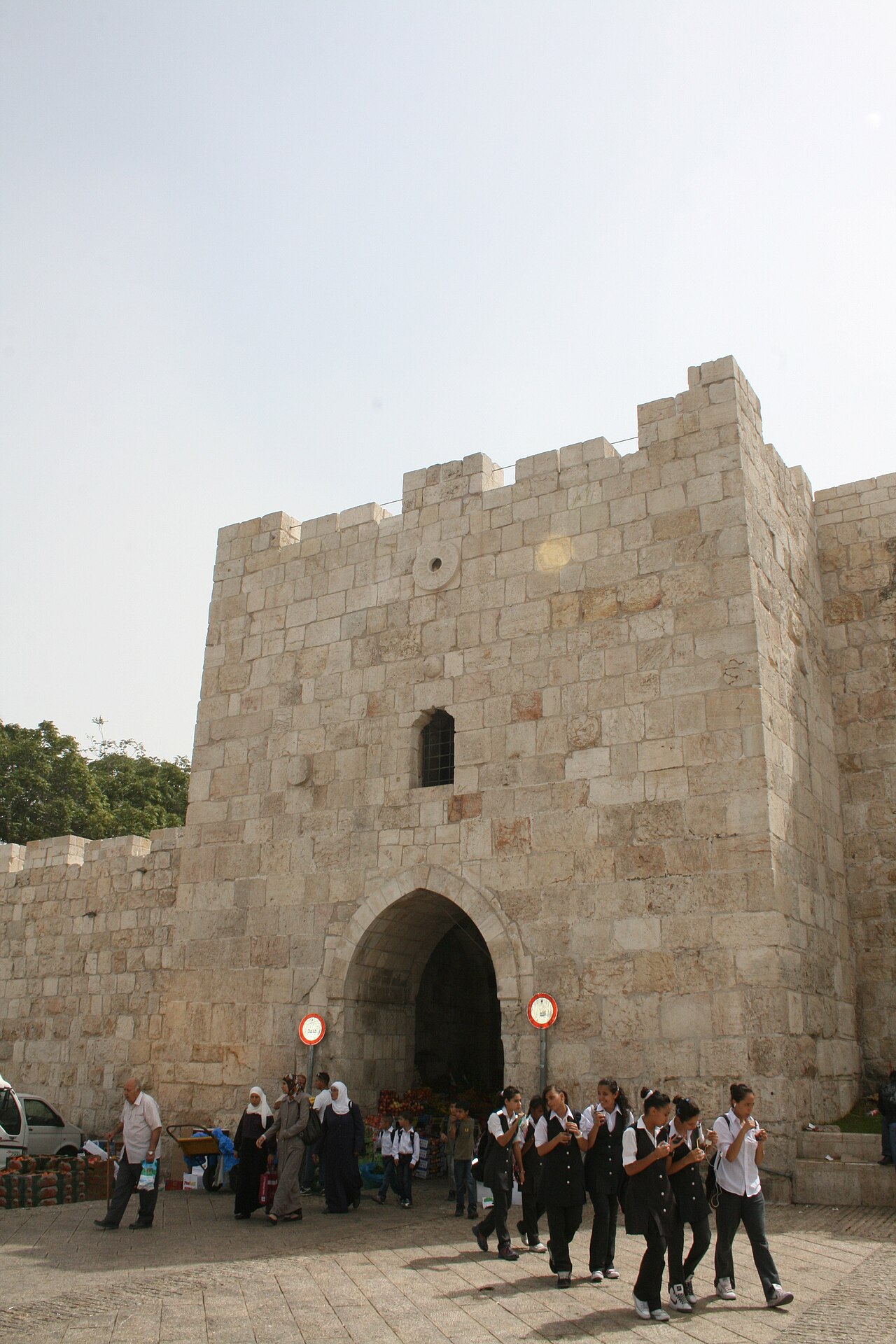
The gate is a classic example of a bastioned fortress entrance, designed to provide both defense and controlled access to the city. It features robust stone walls with two prominent bastions flanking the gatehouse, which were intended to protect against invaders and facilitate the defense of the city.
The gate's design incorporates a pointed arch passageway, typical of Ottoman military architecture, with heavy wooden doors reinforced by metal studs. Above the arch, the distinctive lion carvings are set within a rectangular frame, adding both decorative and symbolic elements to the structure.
Inside the gate, the passage leads directly into a narrow street that opens into the bustling Muslim Quarter, reflecting the gate's role as a vital urban access point.
Role in historical events
Lions' Gate has played a key role in several significant historical events. During the Six-Day War in 1967, Israeli paratroopers entered the Old City through this gate, marking a pivotal moment in the conflict and the reunification of Jerusalem under Israeli control.
Throughout its history, the gate has witnessed numerous military confrontations and has been a focal point for both defense and ceremonial processions, underscoring its importance in the city's military and civic life.
Current condition and cultural importance
Today, Lions' Gate remains well preserved and continues to function as a major entrance to the Old City. It is a popular site for visitors interested in the rich history of Jerusalem and serves as a tangible link to the city's Ottoman past and its layered cultural heritage.
The gate's location near significant religious sites, including the Garden of Gethsemane and the Via Dolorosa, enhances its importance as a cultural and religious landmark.
Visiting Lions' Gate
Visitors to Lions' Gate can experience the blend of historical architecture and vibrant urban life in the Muslim Quarter. The gate is accessible year-round and provides an excellent starting point for exploring the Old City's diverse quarters and religious landmarks.
Frequently asked questions (FAQ)
- What is the historical significance of Lions' Gate in Jerusalem?
- Lions' Gate was built in the 16th century during Ottoman rule and served as a strategic city entrance. It is historically significant for its role in the Six-Day War when Israeli forces entered the Old City through this gate.
- Can I visit Lions' Gate year-round?
- Yes, Lions' Gate is accessible to visitors throughout the year. It leads into the Muslim Quarter and is a popular starting point for exploring Jerusalem's Old City.
- What architectural style is Lions' Gate built in?
- Lions' Gate reflects Ottoman military architecture from the 16th century, characterized by its bastioned fortress design and decorative lion reliefs.
- Where is Lions' Gate located within Jerusalem?
- Lions' Gate is located in the eastern wall of Jerusalem's Old City, providing access to the Muslim Quarter near significant religious sites such as the Garden of Gethsemane.
- Are there any notable features to look for at Lions' Gate?
- Visitors should look for the distinctive lion carvings above the gate, the bastioned walls flanking the entrance, and the heavy wooden doors with metal reinforcements.
Photo gallery

Information
Loading map...
Visitor reviews
No reviews yet. Been here? Write the first review and help other travelers!
Write the first reviewVisited this castle? Share your experience
Your review helps other travelers and adds first-hand knowledge to our encyclopedia.