Alexandreion
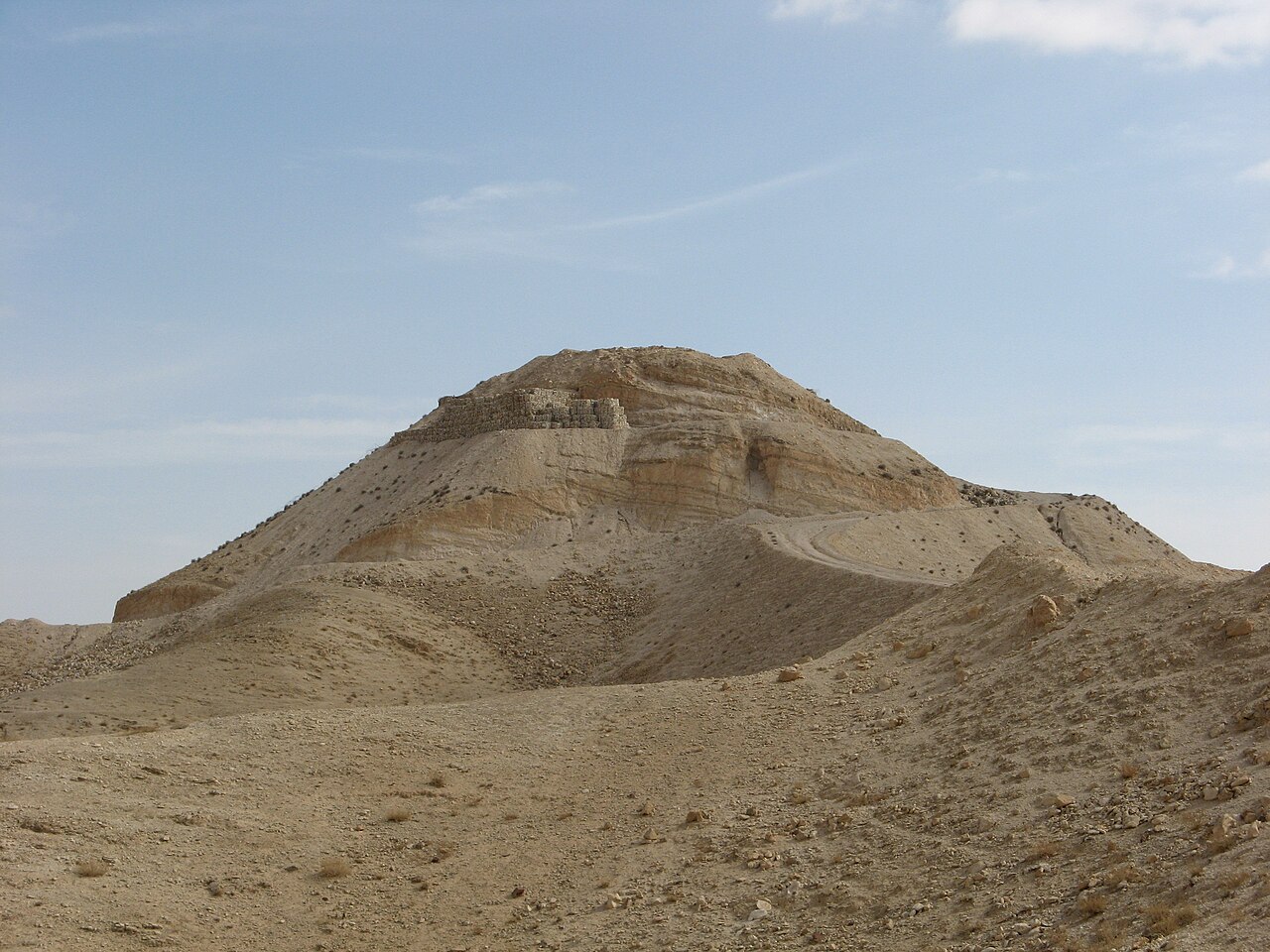
Alexandreion, also known by its Latin name Alexandrium and referred to as Sartaba in the Mishna and Talmud, as well as Qarn Sartaba in Arabic, was a significant ancient fortress situated on a sharply pointed hill overlooking the Jordan Valley from the west. This hilltop fortress was strategically positioned between the ancient cities of Scythopolis (modern Beit She'an) and Jerusalem, serving as a crucial military and administrative site during the Hasmonean period.
The fortress was constructed under the reign of Hasmonean king Alexander Jannæus (104–77 BCE), whose name it likely bears. As a bastioned fortress, Alexandreion was designed with defensive architectural features typical of the late Hellenistic period, incorporating strong walls and bastions to withstand sieges and control the surrounding territory.
Historical context and significance
The establishment of Alexandreion was part of the Hasmonean dynasty's efforts to consolidate control over Judea and its borderlands during a period marked by frequent conflicts with neighboring kingdoms and internal dissent. The fortress's location on a barren, rocky hill provided a commanding vantage point, enabling surveillance of the Jordan Valley and the key trade and military routes passing through the region.
Its mention in Jewish religious texts such as the Mishna and Talmud underlines its importance not only as a military installation but also as a landmark within the cultural and historical landscape of ancient Judea. The name Sartaba reflects its local recognition and enduring presence in regional history.
Architectural features and construction
Alexandreion was built as a bastioned fortress, a style characterized by projecting bastions that allowed defenders to cover adjacent walls with crossfire, enhancing the defensive capability against attackers. The fortress walls were likely constructed from local stone, shaped to fit the rugged terrain of the hilltop.
The site’s natural topography—a sharply pointed, barren hill—was utilized to maximize defensive advantages. The steep slopes would have hindered direct assaults, while the elevated position provided clear lines of sight for spotting approaching enemies.
Although detailed archaeological excavations are limited, the fortress's remains suggest a complex layout including defensive walls, towers, and possibly internal courtyards or chambers used for garrisoning troops and storing supplies.
Strategic military role
During the Hasmonean period, Alexandreion played a vital role in controlling movement along the Jordan Valley, an area of strategic importance for trade and military campaigns. Its position allowed the Hasmonean rulers to monitor and regulate access between the eastern and western parts of their territory.
The fortress also served as a refuge and stronghold during times of conflict, providing protection against incursions by rival factions or foreign armies.
Legacy and archaeological status
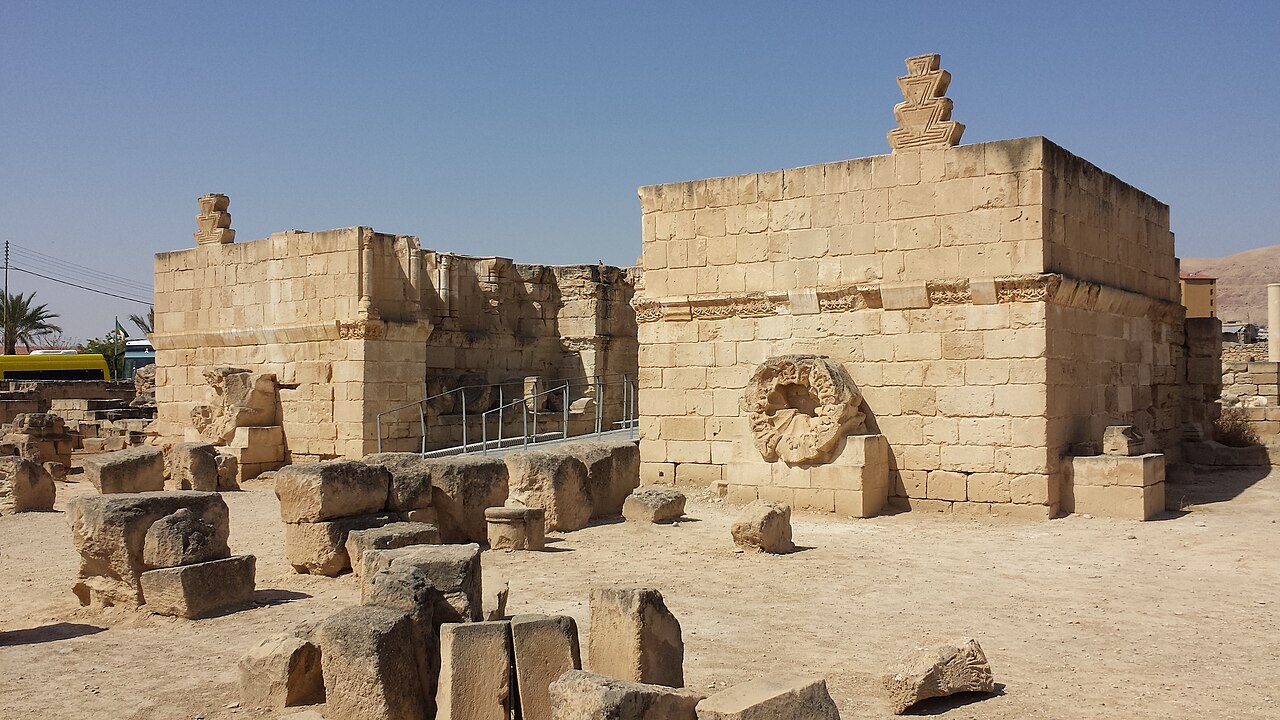
Today, Alexandreion is recognized as an archaeological site of historical significance, though much of its structure lies in ruins due to the passage of time and limited preservation efforts. The site offers valuable insights into Hasmonean military architecture and the geopolitical dynamics of the region during the late Hellenistic era.
Its identification with the ancient Sartaba mentioned in classical and religious texts makes it an important location for scholars studying the history of Judea and the broader Levant.
Visitors to the site can observe the remains of the fortress walls and enjoy panoramic views of the Jordan Valley, reflecting the fortress’s original strategic purpose.
Frequently asked questions (FAQ)
- What is Alexandreion and where is it located?
- Alexandreion is an ancient Hasmonean bastioned fortress located on a hill overlooking the Jordan Valley in Palestine, between Scythopolis and Jerusalem.
- When was Alexandreion built and by whom?
- The fortress was constructed in the 2nd century BCE by Hasmonean king Alexander Jannæus, who ruled from 104 to 77 BCE.
- What was the strategic importance of Alexandreion?
- Alexandreion controlled key trade and military routes through the Jordan Valley, serving as a military stronghold and lookout point during the Hasmonean period.
- What remains of Alexandreion can visitors see today?
- Visitors can see ruins of the fortress walls and towers, as well as enjoy panoramic views of the Jordan Valley from the hilltop site.
- Is Alexandreion mentioned in historical or religious texts?
- Yes, it is referred to as Sartaba in the Mishna and Talmud, highlighting its significance in Jewish historical and religious tradition.
Photo gallery

Information
Loading map...
Visitor reviews
No reviews yet. Been here? Write the first review and help other travelers!
Write the first reviewVisited this castle? Share your experience
Your review helps other travelers and adds first-hand knowledge to our encyclopedia.