Qasr al-Basha
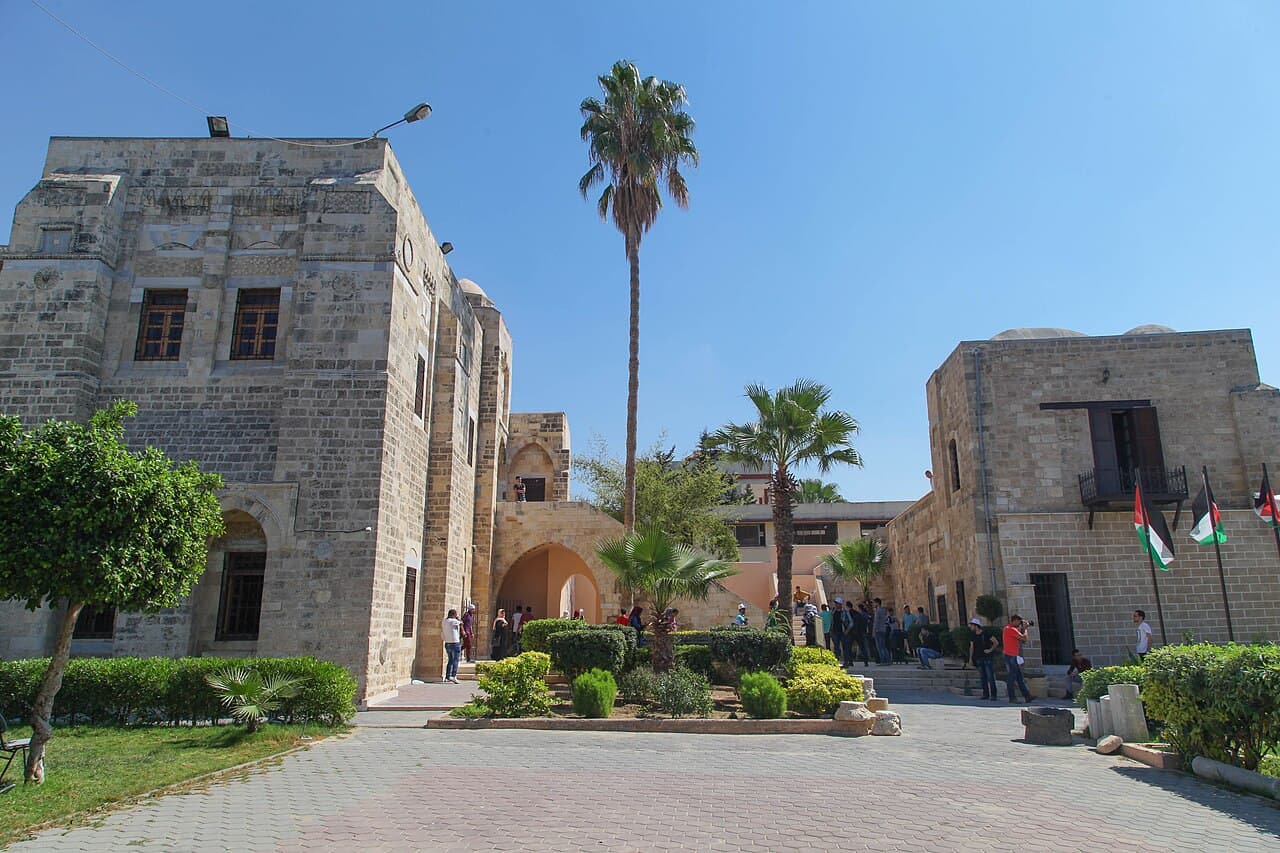
Qasr al-Basha, also known as Pasha's Palace Museum, Radwan Castle, and Napoleon's Fort, was a prominent historic fortress located in the Old City of Gaza, Palestine. This castle played a significant role as a seat of power during both the Mamluk and Ottoman periods, reflecting the strategic importance of Gaza throughout the centuries. The fortress was originally constructed in the 13th century, during the high medieval period, and stood as a symbol of military and administrative authority in the region.
Historical significance and strategic role
Qasr al-Basha's location in Gaza made it a vital stronghold controlling important trade routes and coastal access. Throughout the Mamluk era, the fortress served as a military garrison and administrative center, overseeing the security of the city and its surroundings. Under the Ottoman Empire, the castle continued to function as a seat of local power and governance, adapting to the changing political landscape of the region.
During the British Mandate period, the fortress was repurposed as a police station, demonstrating its continued strategic and administrative utility. The castle's layered history reflects the complex succession of rulers and the evolving military architecture of the eastern Mediterranean.
Architectural features and construction
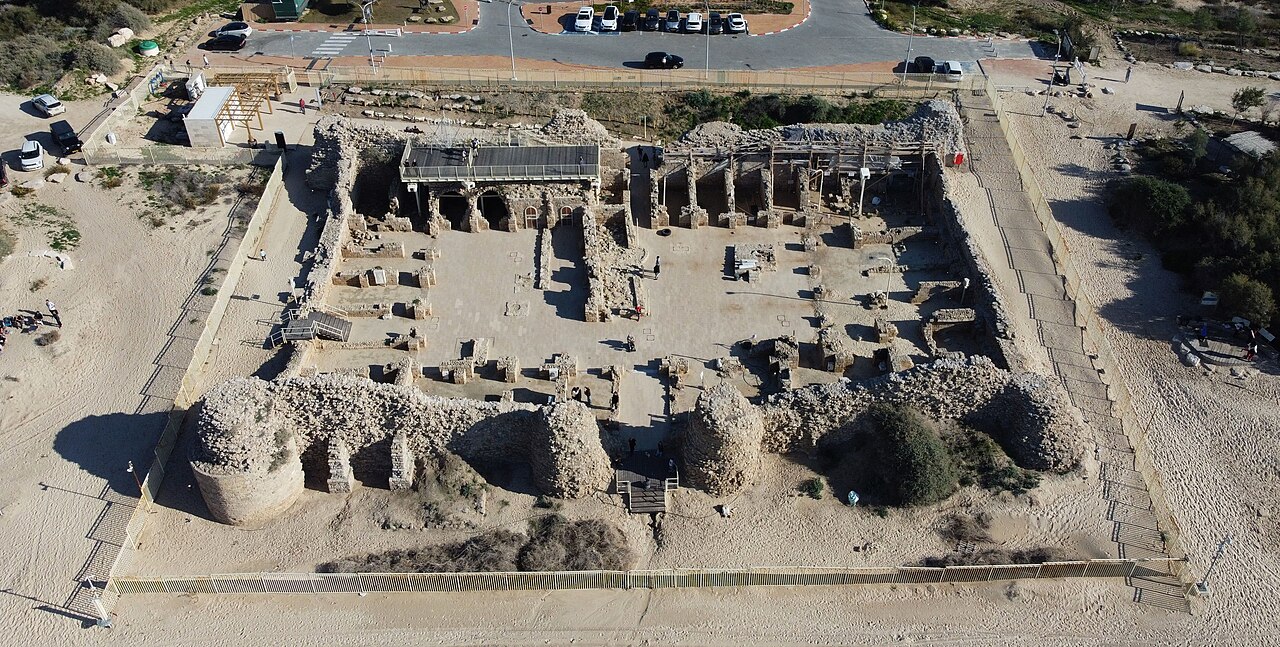
Qasr al-Basha was built primarily as a fortified palace, combining residential and defensive functions. The castle's architecture was characterized by robust stone walls, towers, and designed to withstand sieges and attacks. Its layout included a central courtyard surrounded by chambers and halls used for administrative and residential purposes.
The fortress showcased elements typical of Mamluk military architecture, including thick curtain walls and narrow windows for archers. Ottoman modifications introduced additional features suited to the needs of the time, possibly including reinforced gates and internal divisions for administrative offices and barracks.
Materials and construction techniques
The castle was constructed using locally sourced stone, carefully cut and fitted to form the defensive walls. The masonry techniques reflected the skilled craftsmanship of the medieval period, with an emphasis on durability and defense. The structure's design balanced the need for a secure fortress with the requirements of a palace residence.
Destruction and current status
Qasr al-Basha remained a notable landmark in Gaza until its destruction during the Israeli invasion of Gaza in 2024. Prior to its destruction, the castle housed a museum that preserved artifacts and exhibits related to Gaza's history, underscoring its cultural significance. The loss of Qasr al-Basha represents a significant blow to the architectural heritage and historical record of the region.
Today, the site is classified as archaeological ruins, with remnants of its walls and foundations still visible. Efforts to document and preserve the remains have been challenged by ongoing conflict and instability in the area.
Legacy and cultural importance
Qasr al-Basha stood as a testament to the rich history of Gaza, reflecting the city's role as a crossroads of civilizations. Its multiple names, including Napoleon's Fort, hint at its involvement in broader historical events, such as the campaigns of Napoleon Bonaparte in the region.
The castle's architectural and historical layers provide valuable insights into the military and administrative strategies of the Mamluk and Ottoman empires. It also served as a symbol of local authority and resilience through centuries of change.
Despite its destruction, Qasr al-Basha remains a subject of study and remembrance among historians, archaeologists, and the people of Gaza, highlighting the enduring significance of medieval fortifications in the cultural heritage of Palestine.
Frequently asked questions (FAQ)
- How do I get to Qasr al-Basha?
- Qasr al-Basha is located in the city of Nablus, Palestine. You can reach it by car or public transportation from major cities like Ramallah or Bethlehem. Local taxis and buses frequently run to Nablus, making it accessible for visitors.
- What is the historical significance of Qasr al-Basha?
- Qasr al-Basha, also known as the Governor's Palace, is a significant historical site reflecting the Ottoman architectural style. Built in the 18th century, it served as a residence for local governors and played an essential role in the region's governance. Its rich history offers insights into the cultural heritage of Palestine.
- When was Qasr al-Basha constructed?
- Construction of Qasr al-Basha began in the late 18th century, specifically in 1770. This grand structure was completed over several years, showcasing the architectural innovations of the time. The castle has since been a focal point of Nablus's historical landscape.
- Can I enter Qasr al-Basha and explore its interiors?
- Yes, visitors are welcome to enter Qasr al-Basha and explore its beautifully restored interiors. Guided tours are often available, allowing you to learn more about the history and significance of the castle. Be sure to check for any specific visitor guidelines or restrictions before your visit.
- Why is Qasr al-Basha an important architectural site?
- Qasr al-Basha is an important architectural site due to its unique blend of Ottoman and local architectural styles. The castle features ornate decorations, impressive arches, and spacious courtyards that reflect the grandeur of its era. Its preservation allows visitors to appreciate the craftsmanship and cultural influences of the time.
- Is it possible to visit Qasr al-Basha during holidays?
- Yes, Qasr al-Basha is generally open for visitors during holidays, but it is advisable to check in advance as hours may vary. Special events or closures can occur during major holidays. Planning ahead will ensure you have a smooth visit.
- What are the opening hours for Qasr al-Basha?
- Qasr al-Basha is typically open from 9 AM to 5 PM, but these hours may vary based on the season or special events. It’s best to verify the current opening hours on the official website or local tourism information resources before your visit. Early visits can provide a quieter experience.
- What is the ticket price for visiting Qasr al-Basha?
- The ticket price for visiting Qasr al-Basha is generally modest, making it accessible for most visitors. There may be discounted rates for students or groups, so it's worth inquiring upon arrival. Keep an eye out for any special promotions or free entry days.
- What are some nearby attractions to visit after Qasr al-Basha?
- After visiting Qasr al-Basha, you can explore nearby attractions such as the ancient city of Nablus and the Jacob’s Well. The local markets and the historic Old City offer vibrant experiences filled with local culture and cuisine. These sites complement your visit to the castle and enrich your understanding of the region.
Photo gallery

Information
Loading map...
Visitor reviews
No reviews yet. Been here? Write the first review and help other travelers!
Write the first reviewVisited this castle? Share your experience
Your review helps other travelers and adds first-hand knowledge to our encyclopedia.