Dung Gate
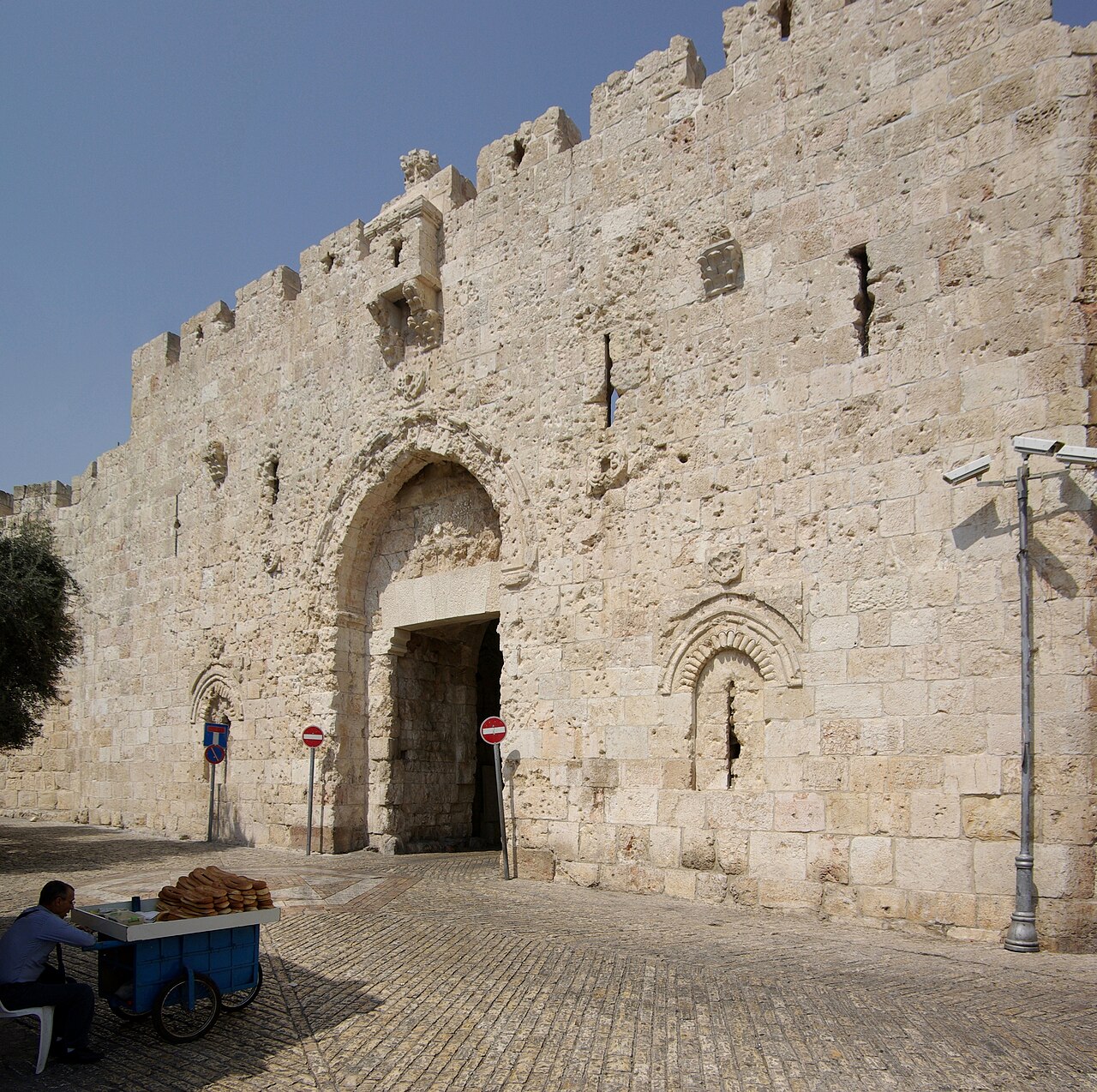
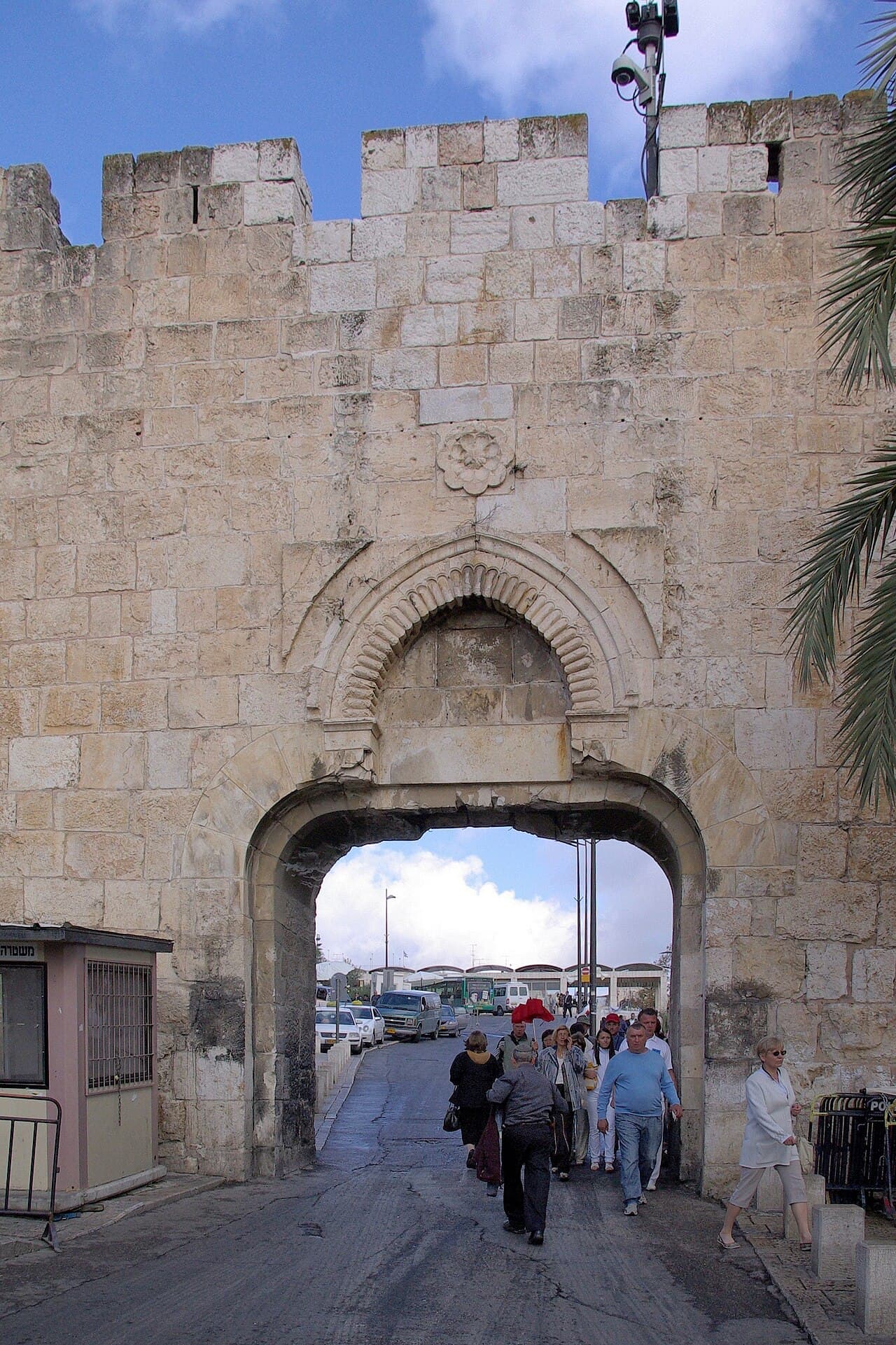
The Dung Gate (Hebrew: שער האשפות, romanized: Sha'ar Ha'ashpot), also known as Bab al-Maghariba (Arabic: باب المغاربة, romanized: Gate of the Maghrebis), Mughrabi Gate, Moroccan Gate, or Silwan Gate, is one of the historic gates of the Old City of Jerusalem. It was originally constructed in the 16th century during the Ottoman period as a small postern gate, forming part of the defensive bastioned fortress walls built by the Ottomans under Sultan Suleiman the Magnificent. This gate served as a secondary entrance primarily for waste removal, which is how it came to be known as the "Dung Gate."
Historical background and strategic importance
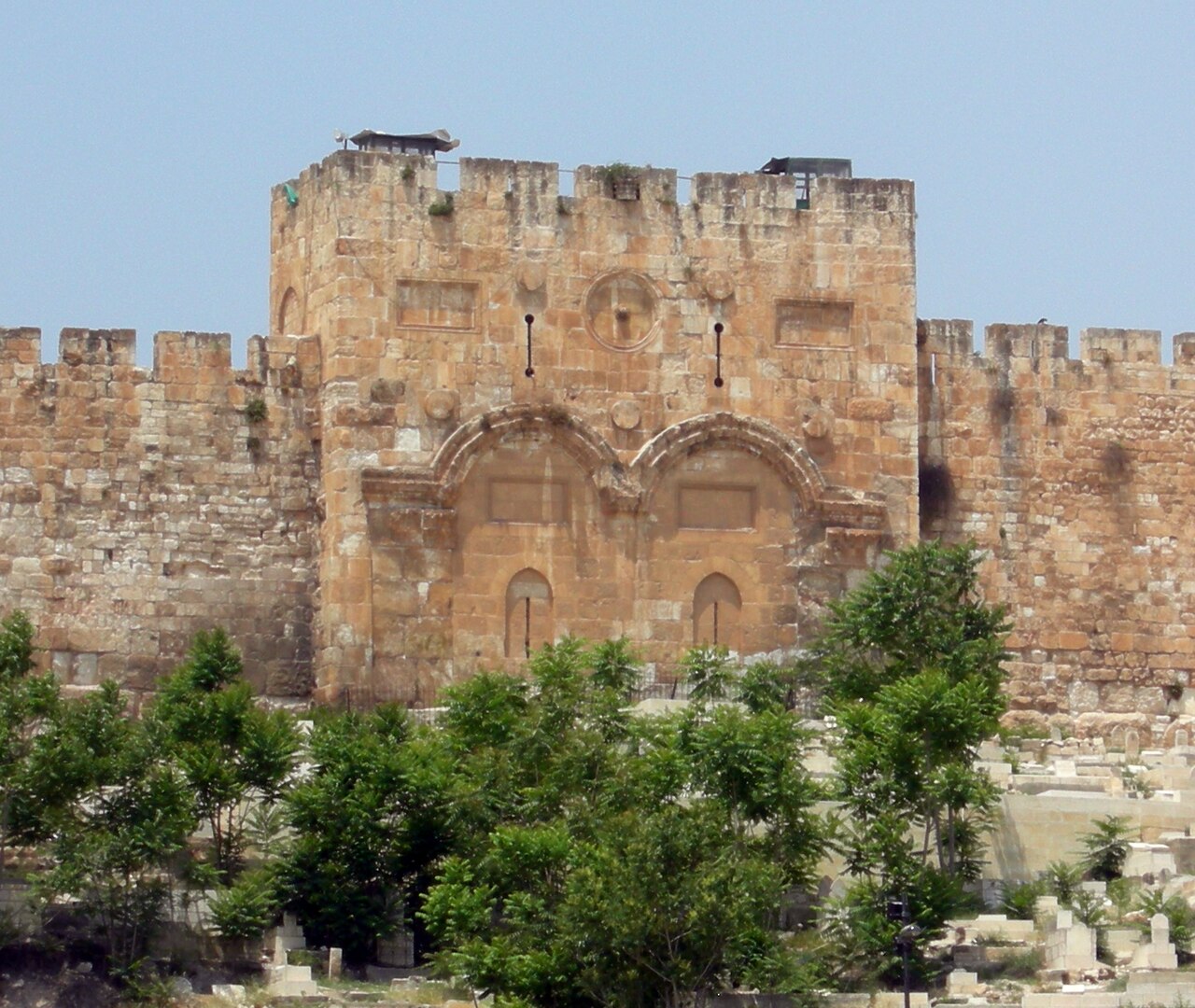
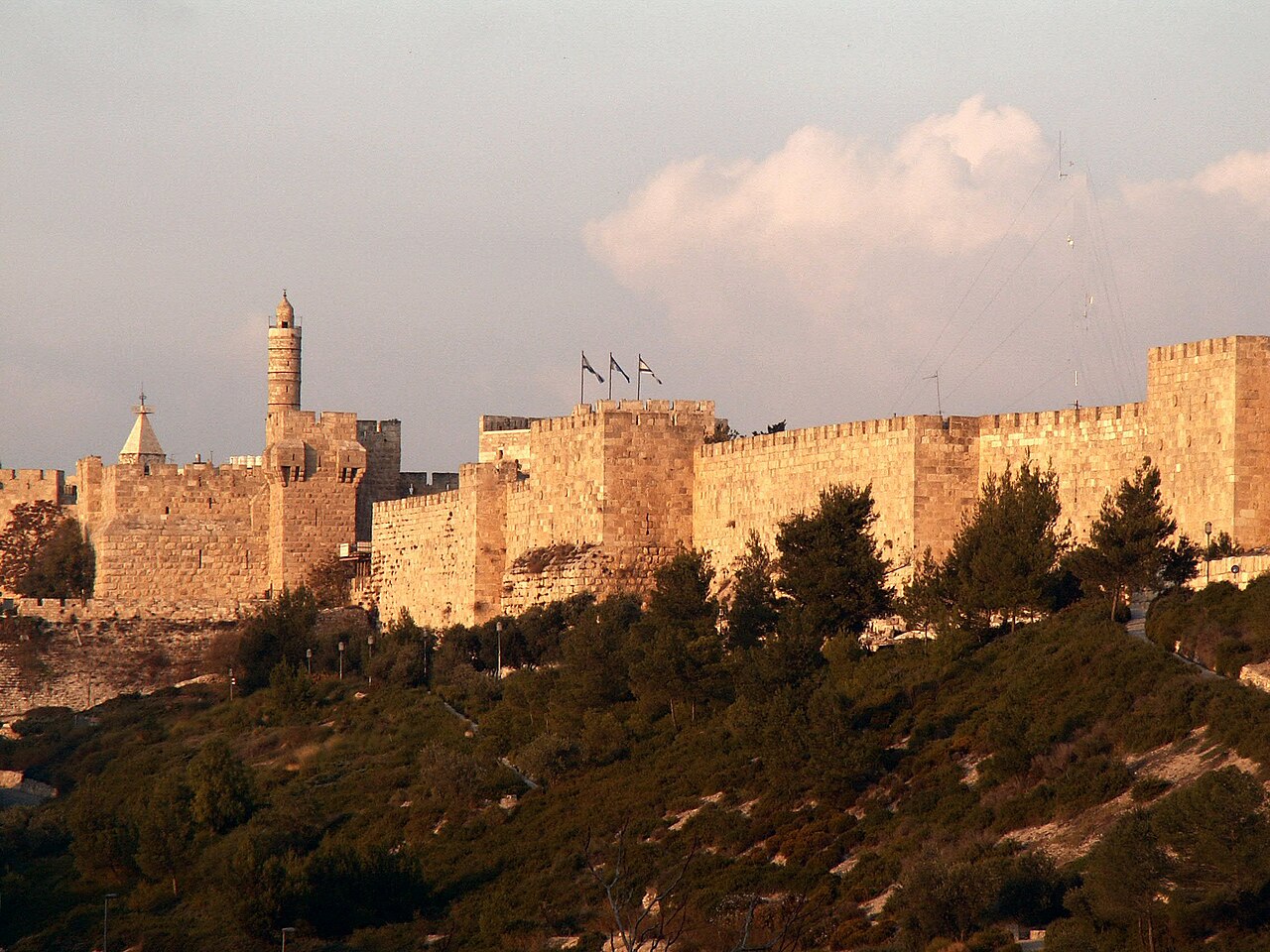
The Ottoman fortifications of Jerusalem were a comprehensive effort to modernize and strengthen the city's defenses, replacing earlier medieval walls with a more robust and angled bastioned fortress system. The Dung Gate was positioned on the southern side of the Old City walls, near the City of David and the Silwan neighborhood, providing access to the southern hill slopes. Its location made it strategically important for controlling movement into and out of the city, especially for traffic heading toward the Western Wall and the Temple Mount.
Architectural features and modifications
The gate was initially a narrow postern gate, typical of Renaissance-era Ottoman military architecture, designed to allow controlled access while maintaining the integrity of the city walls. The bastioned fortress style is characterized by angled walls and protruding bastions that allowed defenders to cover the approaches with crossfire, a significant improvement over earlier medieval curtain walls.
In the 20th century, the Dung Gate underwent significant modifications to accommodate modern transportation needs. In 1952, under Jordanian administration, the gate was widened to allow vehicular traffic, reflecting the increasing importance of motor vehicles in urban mobility. Later, in 1985, Israeli authorities further expanded the gate to improve access for buses and larger vehicles, especially those transporting visitors to the Western Wall.
Role in modern Jerusalem
Today, the Dung Gate serves as the main entrance for vehicles exiting the Old City and is a critical access point for buses carrying pilgrims and tourists to the Western Wall, one of Judaism's holiest sites. Its proximity to the City of David archaeological site and the Silwan neighborhood also makes it a focal point for visitors interested in the ancient and modern history of Jerusalem.
The gate's name, reflecting its original function related to waste disposal, contrasts with its current role as a bustling urban gateway, illustrating the evolution of Jerusalem's urban fabric over centuries.
Preservation and cultural significance
As part of the Old City walls of Jerusalem, the Dung Gate is a protected heritage site under various preservation efforts. Its Renaissance Ottoman bastioned fortress architecture is a testament to the military and urban planning innovations of the time. It remains a symbol of Jerusalem's layered history, bridging the medieval and modern eras.
Frequently asked questions (FAQ)
- What is the historical significance of the Dung Gate?
- The Dung Gate was built in the 16th century by the Ottomans as part of their bastioned fortress walls around Jerusalem, originally serving as a postern gate for waste removal and later becoming a key entrance to the Old City.
- Can I visit the Dung Gate and nearby sites?
- Yes, the Dung Gate is accessible to visitors and is a main route to the Western Wall and the City of David archaeological site, making it a popular starting point for exploring Jerusalem's Old City.
- When was the Dung Gate widened for modern traffic?
- The gate was first widened in 1952 under Jordanian administration and again in 1985 by Israeli authorities to accommodate vehicular and bus traffic.
- What architectural style characterizes the Dung Gate?
- The Dung Gate features Renaissance-era Ottoman bastioned fortress architecture, with angled walls and defensive bastions designed for improved military defense.
- Is the Dung Gate still part of Jerusalem's city walls?
- Yes, the Dung Gate remains an integral part of the Old City's fortified walls and is well preserved as part of Jerusalem's cultural heritage.
Photo gallery

Photo by Berthold Werner•Public domain
Information
Address
Old City, Jerusalem, State of Palestine
Loading map...
Visitor reviews
No reviews yet. Been here? Write the first review and help other travelers!
Write the first reviewVisited this castle? Share your experience
Your review helps other travelers and adds first-hand knowledge to our encyclopedia.