Windsor Castle
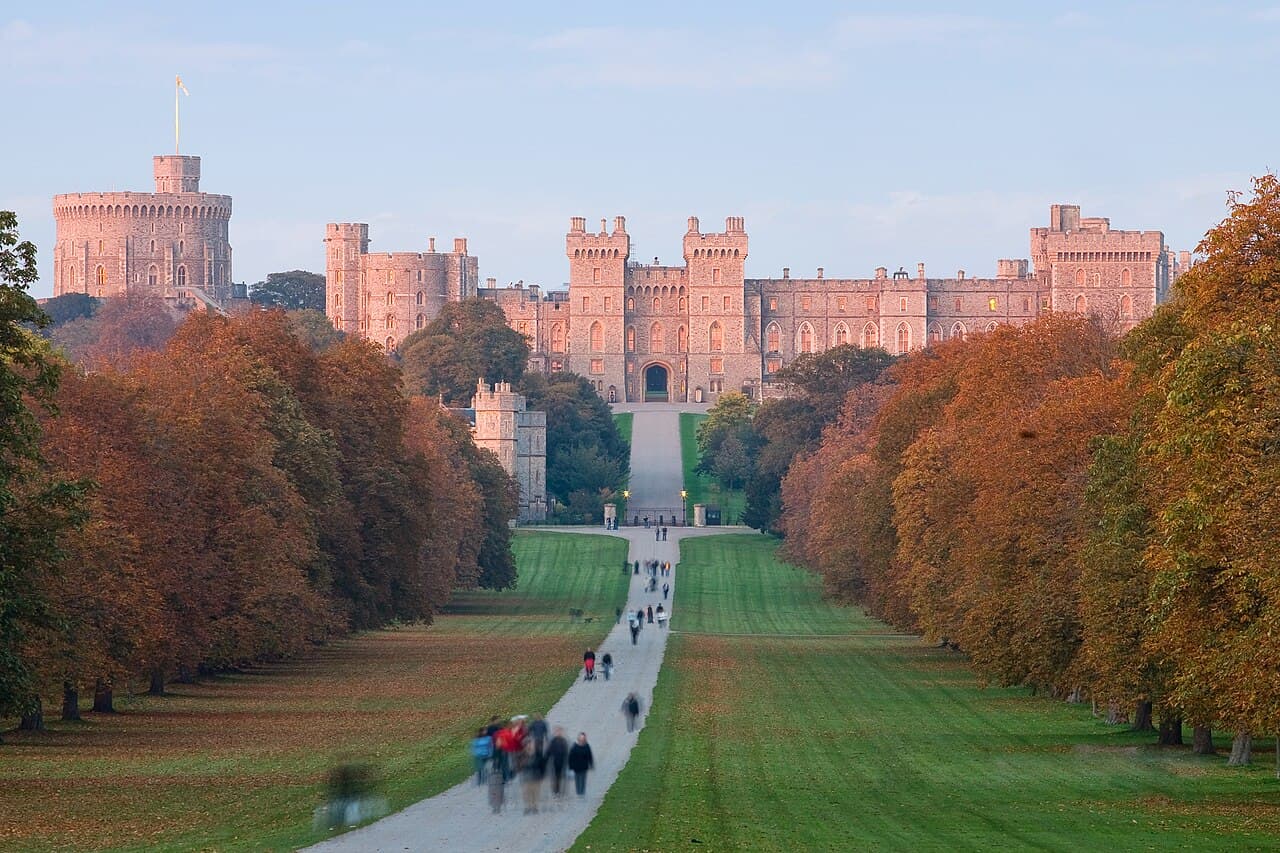
Windsor Castle stands as the oldest and largest occupied castle in the world, embodying more than 900 years of British royal history. Founded by William the Conqueror in the 11th century, the castle was strategically positioned high above the River Thames to guard the western approach to London. Originally constructed as a motte-and-bailey fortress with timber walls, it evolved through successive monarchs into a grand royal palace and fortress complex, reflecting centuries of architectural styles and royal tastes.
The castle's initial timber walls were replaced with stone in the late 12th century under Henry II, who rebuilt the Norman keep as the iconic Round Tower around 1170. Over the next 60 years, the outer perimeter walls were renewed in stone, enhancing the castle's defensive capabilities. The 14th century marked a transformative period under Edward III, who invested an unprecedented sum of £50,000 in extensive rebuilding efforts, creating a magnificent royal residence with three courts and the foundation of the Order of the Garter, which made Windsor its spiritual home.
Medieval origins and royal transformations
Initially part of a network of motte-and-bailey castles designed to protect London, Windsor Castle's early medieval fortifications were typical of Norman military architecture. The castle's layout comprised three wards surrounding a central keep atop a man-made chalk motte. During the reigns of Henry I and Henry II, wooden structures were replaced with stone walls, including a shell keep and chemise walls. The castle endured a siege during the First Barons' War (1214–1216), prompting further fortifications under Henry III, who also built a luxurious royal palace within the castle, dividing it into a private Upper Ward and a public Lower Ward.
Edward III's reign (1350–1377) was pivotal in shaping Windsor's grandeur. His extensive rebuilding program created a palace with three courts, St George's Hall, and the establishment of the Order of the Garter. This period saw the castle transition from a military fortress to a symbol of royal prestige and chivalry.
Architectural evolution through the centuries
Tudor and stuart influences
Windsor Castle remained a favored royal residence during the Tudor period. Monarchs such as Henry VII, Henry VIII, and Elizabeth I made few structural changes but used the castle as a refuge during plagues and political unrest. The St George's Chapel, constructed in the late 15th to early 16th century in the Perpendicular Gothic style, became a spiritual centerpiece, housing royal tombs and the choir stalls of the Order of the Garter.
During the English Civil War, the castle was held by Parliamentary forces and served as a military headquarters and prison for King Charles I. Following the restoration of the monarchy in 1660, Charles II undertook significant rebuilding with architect Hugh May, introducing lavish Baroque interiors and expanding the North Terrace, enhancing the castle's role as a royal palace.
Georgian and victorian renovations
The 18th and 19th centuries brought extensive renovations. George III initiated Gothic-style modifications with architect James Wyatt, transforming the castle's exterior and interiors. George IV, working with architect Jeffry Wyatville, executed a comprehensive remodeling that raised the Round Tower, redesigned the State Apartments blending Gothic, Rococo, and Classical styles, and added new towers and battlements, giving Windsor much of its present-day appearance.
Queen Victoria made Windsor her principal royal residence, hosting diplomatic events and maintaining the castle's grandeur. After a devastating fire in 1853, restoration efforts preserved the castle's historic character. The 20th century saw modernization under Edward VII and George V, including electric lighting and central heating, while the castle served as a refuge during World War II.
The 1992 fire and modern restoration
A major fire in 1992 severely damaged nine principal state rooms and over 100 others. The restoration, completed in 1997, utilized modern materials to faithfully replicate the castle’s pre-fire appearance. This project was partly funded by opening Buckingham Palace to the public. The restoration embraced a blend of historical accuracy and modern engineering, ensuring the castle's preservation for future generations.
Architectural highlights and notable features
The round tower and motte
The Round Tower is Windsor's most distinctive feature, standing atop a 50-foot-high chalk motte. Originally built in the 12th century, it was raised by 30 feet in the early 19th century to enhance its prominence. The tower’s irregular shape follows the motte’s form, and its interior was redesigned in the 1990s to house the Royal Archives. A bronze equestrian statue of Charles II, cast in 1679, stands at the tower's base.
State apartments and ceremonial rooms
The State Apartments rest on medieval foundations laid by Edward III and feature a blend of 17th-century Baroque and 19th-century Gothic Revival interiors. The Grand Reception Room is notable for its 100-foot length, 40-foot height, French Rococo ceiling, and restored Gobelins tapestries. The White, Green, and Crimson Drawing Rooms contain 62 carved and gilded wooden trophies depicting weapons and war spoils, some with Masonic symbolism.
The Queen’s Presence Chamber, Queen’s Audience Chamber, and King’s Dining Room showcase lavish Baroque interiors with gilded details and murals blending medieval and classical themes. Victorian Gothic elements include the State Dining Room and the Grand Staircase, which leads to the Grand Vestibule with its 18th-century Gothic vaulted lantern tower.
St george's chapel and religious heritage
St George's Chapel is a masterpiece of Perpendicular Gothic architecture constructed during the reign of Edward IV. It serves as the spiritual home of the Order of the Garter and contains the tombs of 11 monarchs, including Queen Elizabeth II, George VI, Henry VIII, and Charles I. The Lady Chapel, built by Henry III in the 13th century and later converted into the Albert Memorial Chapel, is richly decorated with marble, glass mosaics, and bronze artworks.
Other notable structures and grounds
The Norman Gatehouse, a 14th-century heavily vaulted entrance decorated with medieval lion masks, guards the eastern exit of the Middle Ward. The Curfew Tower, dating from the 13th century, contains a former dungeon and castle bells from 1478. The Horseshoe Cloister, built around 1480, houses clergy and was restored in the 19th century. Buildings from Edward III’s era serve as offices, a library, and residences for the Dean and canons.
The castle gardens, located mainly on a 19th-century terrace east of the Upper Ward, include a formal rose garden updated during World War II. The extensive Home Park and Windsor Great Park surround the castle, featuring ancient woodlands, working farms, and the famous Long Walk, a 2.65-mile tree-lined avenue replanted after Dutch elm disease.
Visitor experience and cultural significance
Windsor Castle has welcomed visitors for centuries, with formal tours beginning under Queen Victoria. Today, nearly one and a half million people visit annually to explore its rich history, impressive architecture, and world-class art collection. The State Apartments display masterpieces by artists such as Holbein, Van Dyck, and Rubens.
The castle remains a working royal residence and ceremonial venue, hosting state visits, official ceremonies, and the famous Changing the Guard ceremony, a vibrant display of British tradition dating back to 1660. Queen Elizabeth II had a lifelong connection to Windsor, having grown up on its grounds, and it continues as the official residence of His Majesty The King.
Among the unique attractions is Queen Mary's Dolls' House, the largest and most famous dolls' house in the world, featuring intricate details such as working electricity, running water, and a fully stocked wine cellar. The castle's blend of fortress, palace, and town elements offers a comprehensive glimpse into British history and royal life.
Windsor Castle stands not only as a monument to centuries of monarchy but also as a vibrant symbol of Britain's cultural heritage, architectural innovation, and enduring royal traditions.
Frequently asked questions (FAQ)
- When was Windsor Castle originally built and by whom?
- Windsor Castle was originally built in the 11th century by William the Conqueror as a motte-and-bailey fortress to protect London.
- What architectural styles are represented in Windsor Castle?
- Windsor Castle features a blend of architectural styles including Norman medieval fortifications, Perpendicular Gothic in St George's Chapel, Baroque interiors from the Stuart period, and Gothic Revival renovations from the Georgian and Victorian eras.
- Is Windsor Castle open to the public for tours?
- Yes, Windsor Castle is open to visitors with guided tours available of the State Apartments, St George's Chapel, and other historic areas. It welcomes nearly 1.5 million visitors annually.
- What is the significance of St George's Chapel within Windsor Castle?
- St George's Chapel is a prime example of Perpendicular Gothic architecture and serves as the spiritual home of the Order of the Garter. It contains the tombs of 11 monarchs, including Queen Elizabeth II and Henry VIII.
- How did the 1992 fire affect Windsor Castle?
- The 1992 fire destroyed nine principal state rooms and damaged over 100 others. Restoration completed in 1997 faithfully replicated the original interiors using modern materials.
- Can visitors see the Changing the Guard ceremony at Windsor Castle?
- Yes, the Changing the Guard ceremony is a popular visitor attraction held regularly at Windsor Castle, showcasing British royal tradition dating back to 1660.
- What notable collections and artworks are housed within Windsor Castle?
- The State Apartments display masterpieces from the Royal Collection, including paintings by Holbein, Van Dyck, and Rubens, as well as exquisite tapestries and decorative arts.

Information
Featured in
Articles on the Castlopedia blog that feature Windsor Castle.
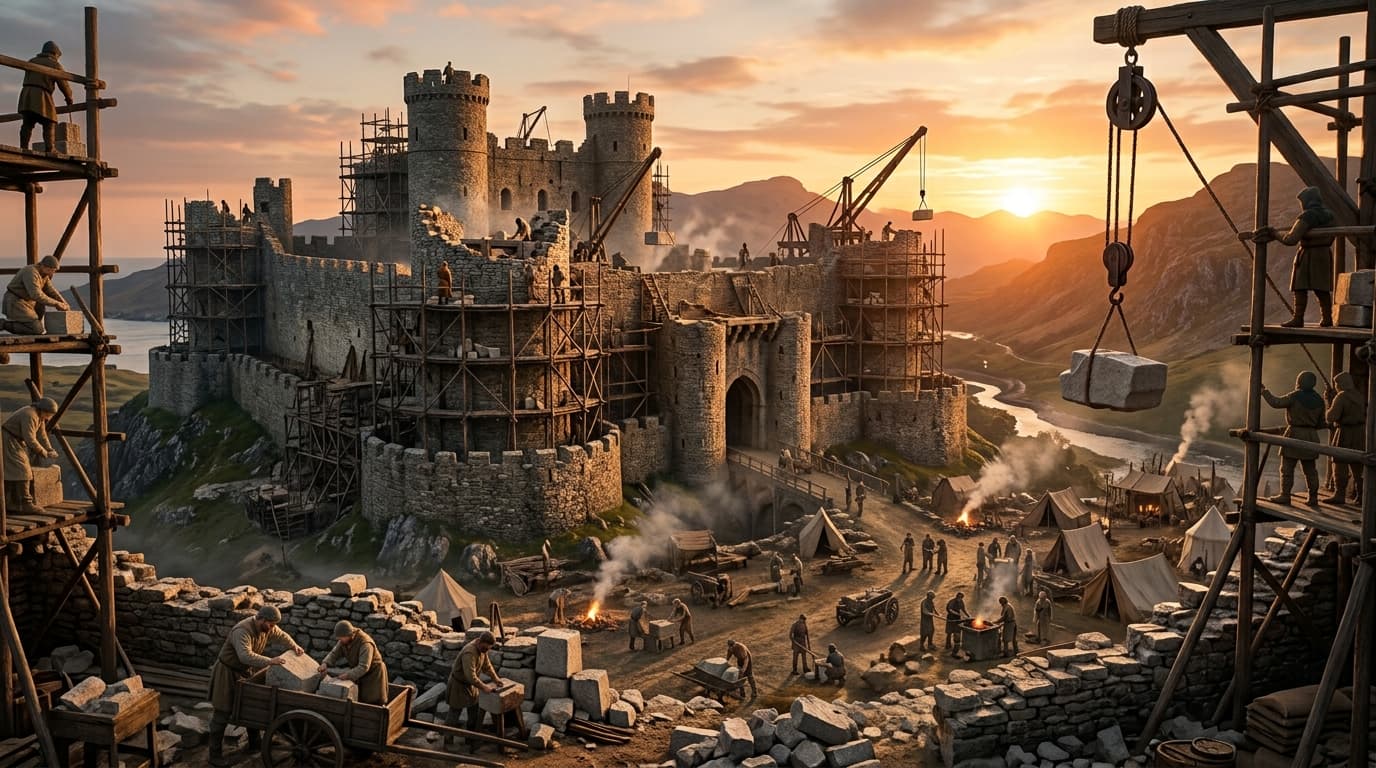
How much did it cost to build a medieval castle? The real numbers
23-09-2026
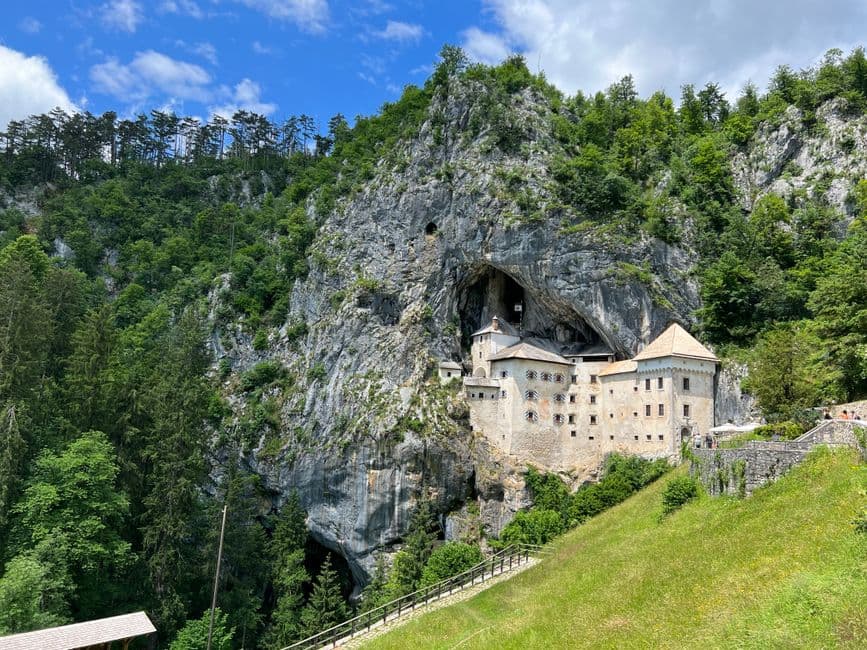
The oldest castles in the world: 12 ancient fortresses that still stand today
11-09-2026
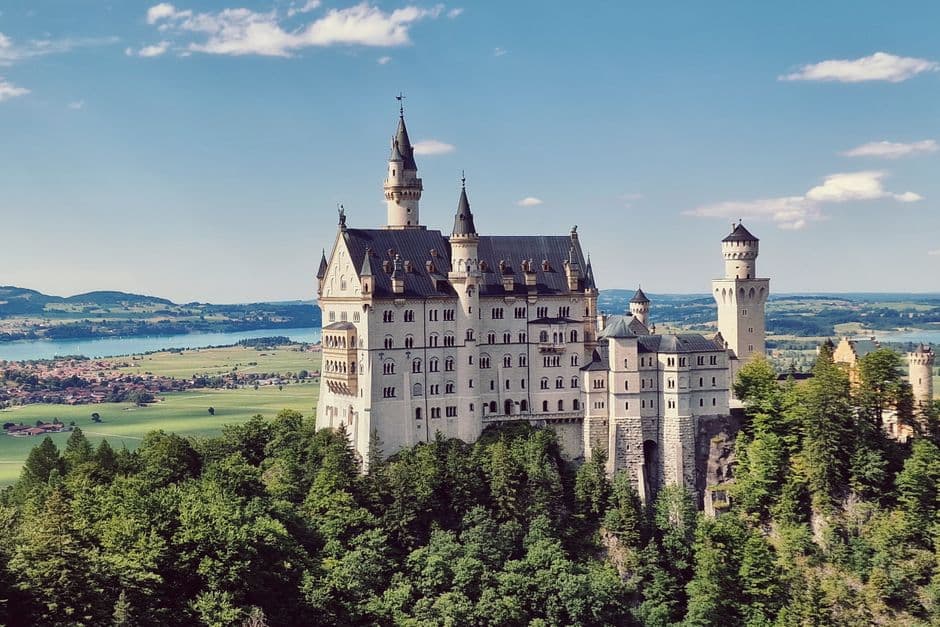
Castles by country in 2026: which nations really rule the world of castles?
22-08-2026
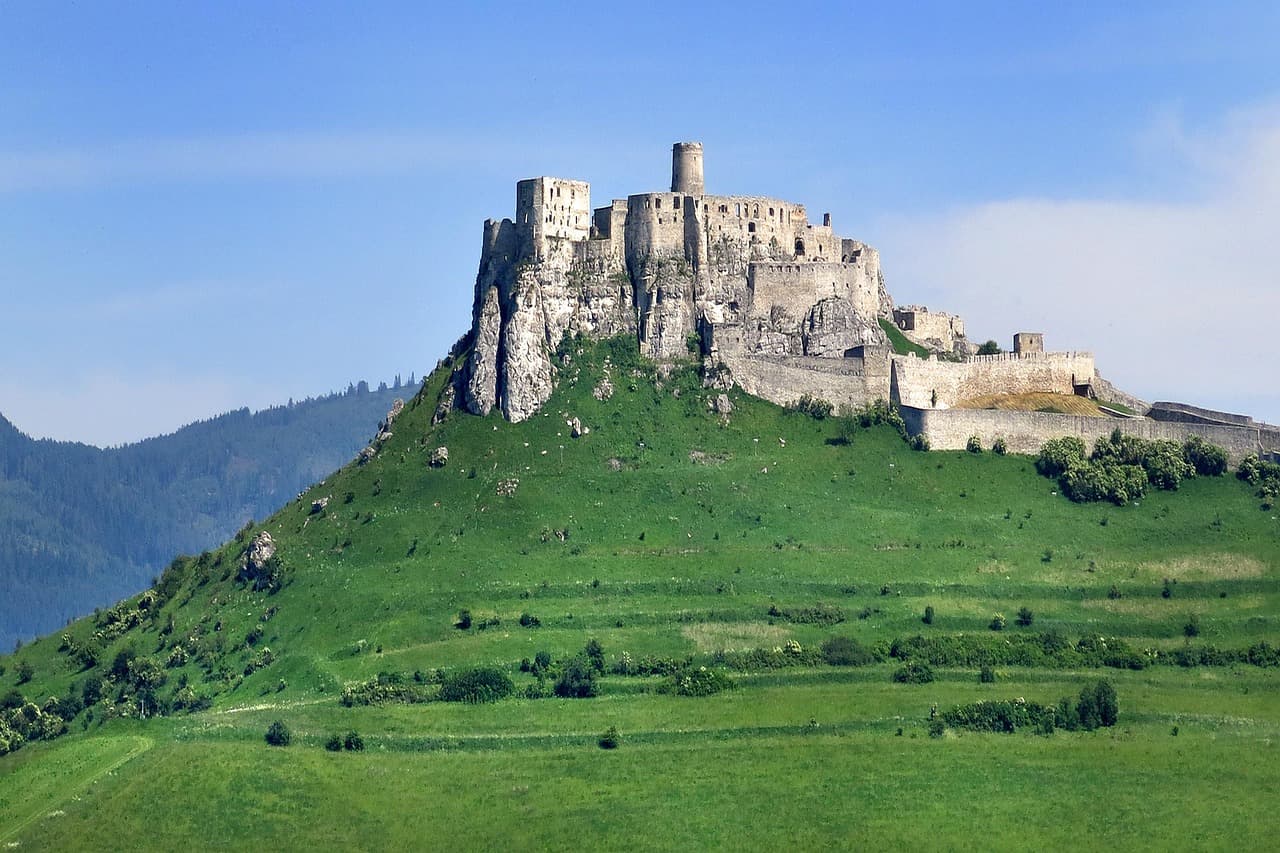
The largest castles in the World by area – giants in stone and brick
13-02-2026
Sources & official resources
Verify the information above using these authoritative references.
Loading map...
Visitor reviews
No reviews yet. Been here? Write the first review and help other travelers!
Write the first reviewVisited this castle? Share your experience
Your review helps other travelers and adds first-hand knowledge to our encyclopedia.