Caernarfon Castle
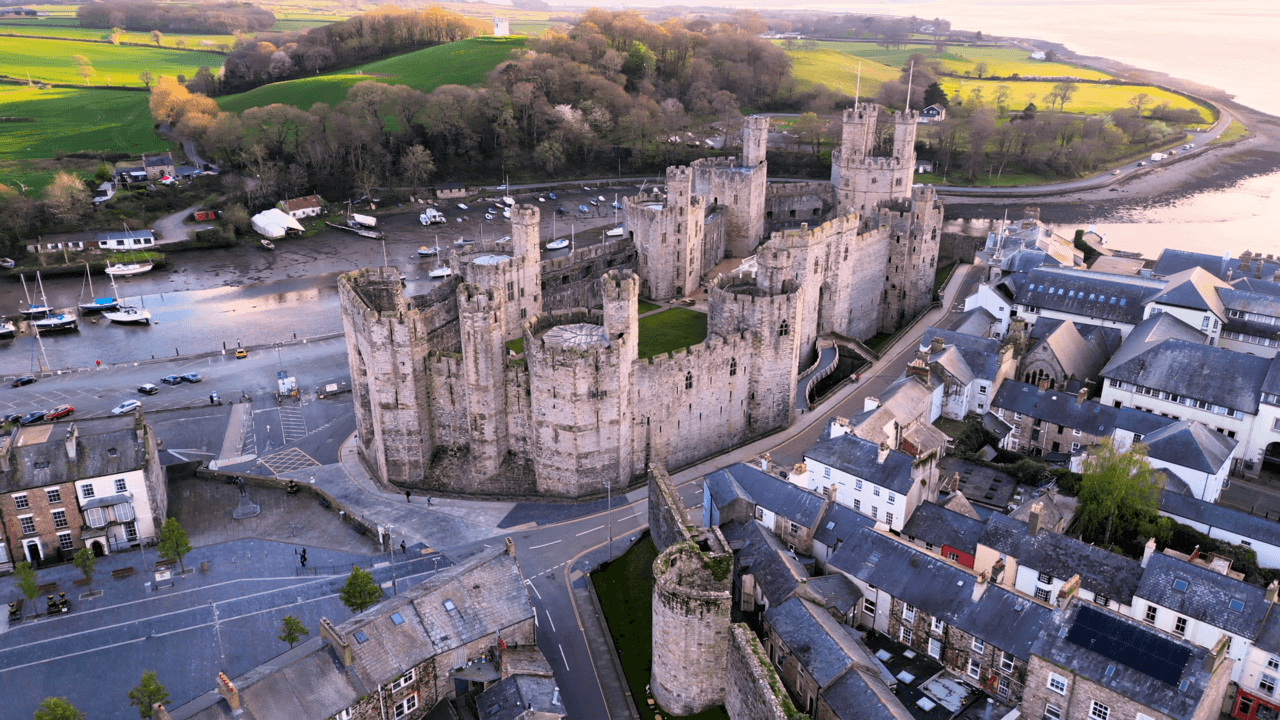
Caernarfon Castle stands as one of the most impressive and historically significant medieval fortresses in Wales and the United Kingdom. Built in the 13th century by King Edward I of England, it replaced an earlier Norman motte-and-bailey castle and was designed to serve as both a military stronghold and an administrative center for English rule in north Wales. Its imposing walls, polygonal towers, and strategic coastal location reflect the importance Edward placed on consolidating his conquest of Wales through a network of formidable castles known collectively as the "Iron Ring." The castle’s scale and architectural ambition mark it as a masterpiece of High Medieval military architecture.
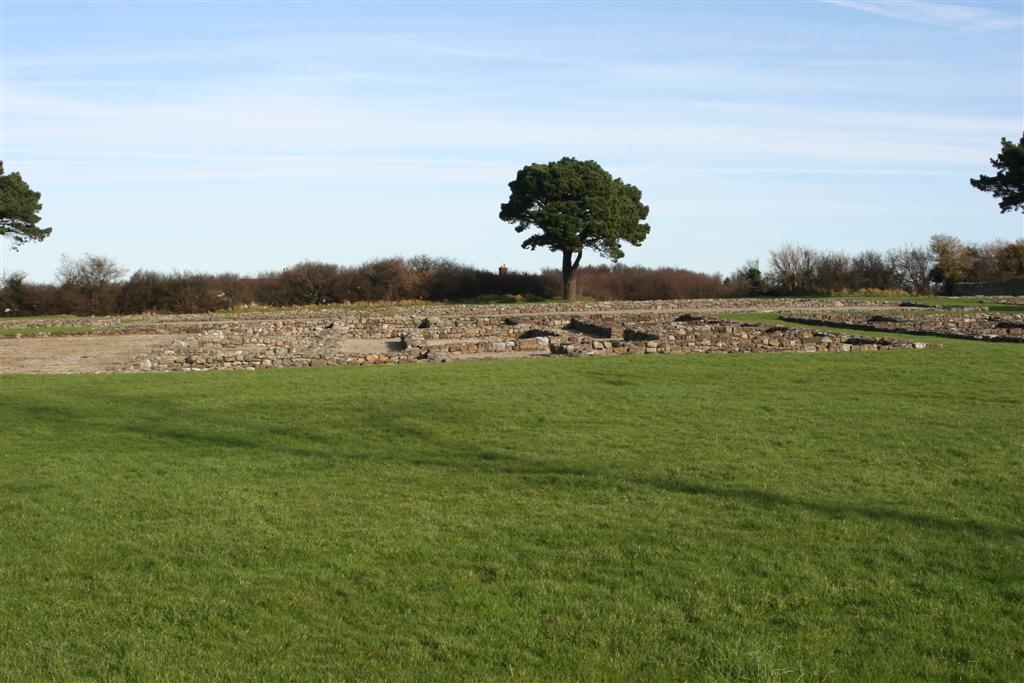
Located in the town of Caernarfon, at the southern end of the Menai Strait between mainland Wales and Anglesey, the castle occupies a site with a long history of military use. The Romans first established a fort nearby called Segontium around AD 75, underscoring the strategic value of this location. Following the Norman conquest, a timber motte-and-bailey castle was built here in the late 11th century to secure the region. This early structure was later replaced by the current stone fortress begun in 1283, which was intended to symbolize English dominance and provide a secure administrative hub.
The foundation and strategic importance
The site of Caernarfon Castle was carefully chosen for its natural defensive advantages and logistical benefits. Situated on a peninsula bordered by the River Seiont and the Menai Strait, the castle controlled vital waterways and access routes. The proximity to Anglesey, often called the "Garden of Wales" for its fertile lands, made it a key point for securing food supplies and maintaining control over the region.
The castle’s construction began in May 1283, shortly after Edward I’s conquest of Wales. It was part of a broader strategy to establish English authority through a series of stone fortifications. Edward also founded a new walled town around the castle, deliberately displacing the original Welsh settlement to create a stronghold of English culture and governance. This urban planning element was integral to the castle’s role as a symbol of conquest and control.
Architectural design and features
Layout and structure
Caernarfon Castle is laid out in a roughly figure-eight shape oriented east to west, incorporating the earlier Norman motte within its design. It is divided into two main wards: the upper ward to the east and the larger lower ward to the west. The upper ward was intended to house royal lodgings and administrative buildings, although many of these plans remained incomplete. The lower ward contained domestic buildings such as kitchens and the Great Hall, serving the daily needs of the castle’s occupants.
Defensive walls and towers
The castle’s outer defenses feature massive curtain walls punctuated by numerous polygonal towers, mostly four stories high with basement levels on the northern side. These towers were designed with angled faces to allow defenders to fire along the walls, enhancing the castle’s defensive capabilities. The Eagle Tower, the largest and most prominent, stands at the western corner and once displayed three eagle-topped turrets symbolizing imperial power. It contained spacious lodgings believed to have been used by Sir Otton de Grandson, a key English official.
A notable feature is the water gate within the Eagle Tower, providing direct access to the River Seiont for supplies and communication by boat. Water was supplied to the castle from a well located in the Well Tower, an essential facility for sustaining the garrison during sieges.
Symbolism and architectural influences
The castle’s design incorporates distinctive bands of colored stone on the walls, evoking the appearance of the ancient Walls of Constantinople. This decorative technique, combined with the polygonal towers, was likely intended to convey imperial authority and link the English monarchy symbolically to the Roman Empire and Arthurian legends. This use of architectural symbolism was part of Edward I’s broader political strategy to legitimize his rule in Wales.
Gatehouses and access points
Two principal gatehouses control access to the fortress: the King’s Gate facing the town and the Queen’s Gate. The King’s Gate was a formidable defensive structure with multiple drawbridges, portcullises, and murder holes designed to repel attackers. Above the gate stands a niche containing a statue of King Edward II, overlooking the town as a symbol of royal authority.
The Queen’s Gate is elevated due to the raised interior terrain from the original motte and was originally accessed by a stone ramp that no longer survives. These gates exemplify the castle’s combination of military functionality and symbolic grandeur.
Historical events and military role
Welsh rebellions and sieges
Caernarfon Castle played a central role in the turbulent history of Welsh-English relations. It was attacked and damaged during the Welsh rebellion led by Madog ap Llywelyn in 1294-1295, when the town and castle were sacked. English forces recaptured the site the following year, reaffirming their control.
During the Glyndŵr Rising from 1400 to 1415, a major Welsh uprising against English rule, the castle endured a siege that further tested its defenses. Despite these challenges, Caernarfon remained a symbol of English authority in the region.
English Civil War
In the 17th century, during the English Civil War, the castle was held by Royalist forces and besieged three times by Parliamentarian troops before surrendering in 1646. This conflict marked the last time Caernarfon Castle was used for active military defense, after which its strategic importance declined.
Decline, restoration, and modern significance
Following the ascension of the Tudor dynasty in 1485, tensions between Wales and England diminished, and castles like Caernarfon lost their military relevance. Over the centuries, the fortress fell into disrepair, with wooden structures decaying and roofs lost by the early 1600s.
In the 19th century, the British government funded restoration efforts to preserve the castle as a historic monument. Under the guidance of deputy-constable Llewellyn Turner, significant repairs and partial reconstructions were undertaken, although some critics noted that these works altered the original medieval fabric.
Caernarfon Castle gained renewed prominence in the 20th century as the site of the investiture ceremonies of the Prince of Wales in 1911 and again in 1969. These events reinforced the castle’s symbolic role in Welsh-English relations and its status as a cultural landmark.
Today, Caernarfon Castle is a UNESCO World Heritage Site and a popular tourist destination. Its well-preserved walls and towers offer visitors a glimpse into medieval military architecture and the complex history of Wales under English rule. Although the interior buildings survive only as foundations, they reveal the ambitious scale of Edward I’s vision to establish a powerful seat of governance and control.
Construction and materials
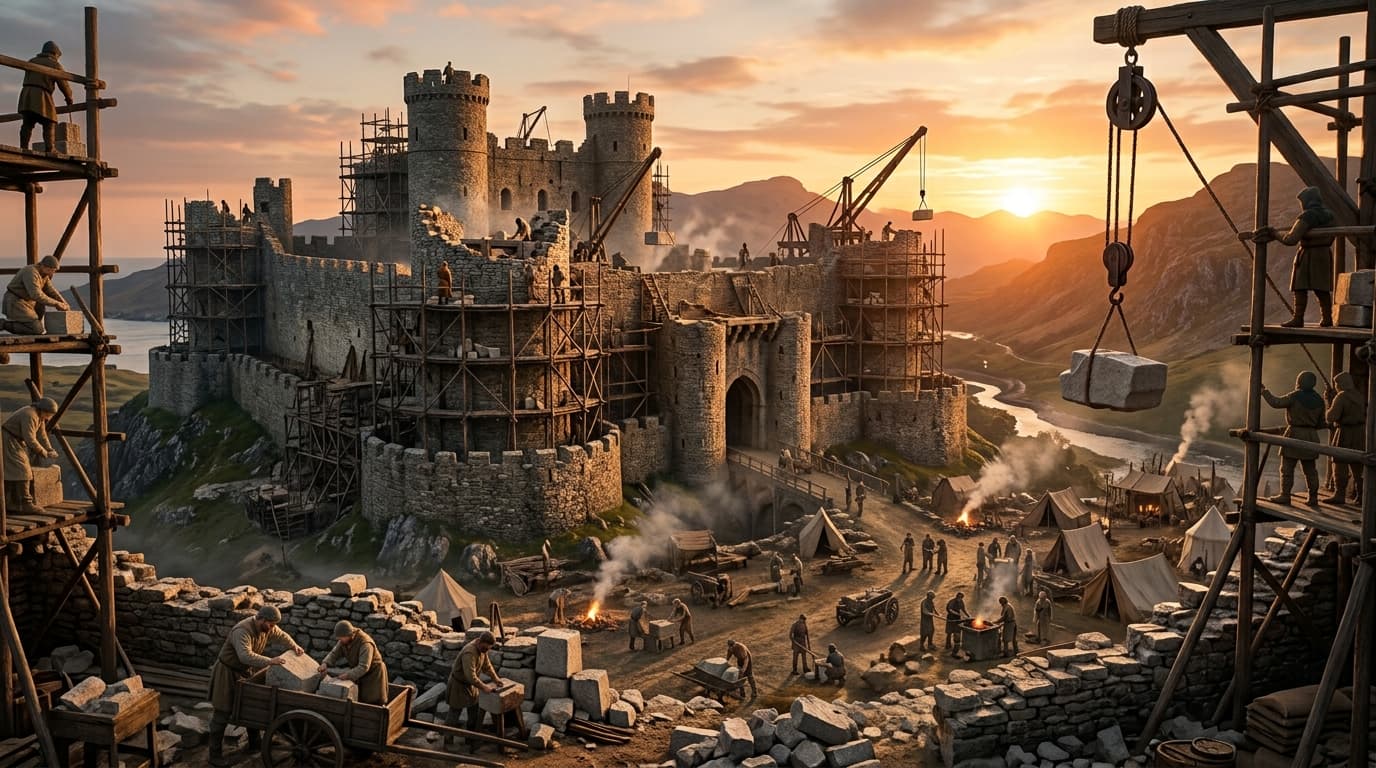
The castle’s construction required enormous resources and skilled labor. Hundreds of workers excavated the extensive moat and defensive ditch surrounding the fortress. Timber was sourced from as far as Liverpool, while the stone was quarried locally from Anglesey and nearby mainland sites. The total cost of construction between 1283 and 1330 was estimated at £20,000 to £25,000, a staggering sum for the period that exceeded the expenses for other major fortresses like Dover Castle.
This investment reflects the strategic and symbolic importance of Caernarfon Castle as a centerpiece of Edward I’s campaign to dominate Wales. The use of local materials combined with imported timber demonstrates the logistical complexity of medieval castle building.
Architectural legacy and cultural impact
Caernarfon Castle remains an enduring symbol of medieval power, English conquest, and Welsh resistance. Its distinctive design influenced later castle architecture and contributed to the development of military fortifications in Britain. The castle’s association with royal investitures and its place within the Castles and Town Walls of King Edward in Gwynedd World Heritage Site underline its continuing cultural and historical significance.
Visitors today can explore the castle’s imposing curtain walls, climb its towers, and imagine the medieval life that once animated this fortress. The site also serves as a reminder of the complex and often fraught history between Wales and England, making it an essential destination for those interested in British medieval history and heritage.
Frequently asked questions (FAQ)
- What is the historical significance of Caernarfon Castle?
- Caernarfon Castle is one of the most impressive castles in Wales, built by Edward I in the late 13th century as part of his campaign to conquer Wales. It served as a royal palace and a military stronghold, symbolizing English dominance over the Welsh. The castle is also the site where the investiture of the Prince of Wales takes place, highlighting its ongoing cultural importance.
- When was Caernarfon Castle built?
- Construction of Caernarfon Castle began in 1283 and was largely completed by 1330, making it over 700 years old. The castle was designed to be both a fortress and a royal residence, showcasing the power of the English monarchy. Its unique architecture, including the impressive polygonal towers, reflects the innovations of medieval military design.
- Can I visit Caernarfon Castle year-round?
- Yes, Caernarfon Castle is open to visitors throughout the year, although opening hours may vary by season. It’s advisable to check the official website for the latest information on visiting times and any potential closures due to events or maintenance. Planning your visit during the weekdays can often provide a quieter experience.
- What are the ticket prices for Caernarfon Castle?
- Ticket prices for Caernarfon Castle vary depending on age and group size, with discounts available for children, students, and seniors. Adult tickets typically range from £10 to £15, while family tickets offer better value for groups. Purchasing tickets online in advance can save you time and sometimes money.
- Is Caernarfon Castle accessible for visitors with disabilities?
- Caernarfon Castle strives to be accessible for all visitors. While some areas may have limited access due to the castle's historic structure, there are provisions such as ramps and accessible restrooms. It's recommended to contact the castle in advance for specific accessibility inquiries to ensure a comfortable visit.
- When is the best time to visit Caernarfon Castle?
- The best time to visit Caernarfon Castle is during the late spring to early autumn months, from May to September, when the weather is typically milder and more pleasant. This period also coincides with various events and activities held at the castle, enhancing the visitor experience. However, visiting during the off-peak months can offer a quieter atmosphere.
- What are some nearby attractions to Caernarfon Castle?
- Nearby attractions include the picturesque town of Caernarfon itself, which offers charming shops and restaurants, as well as the scenic Menai Straits. Visitors can also explore the beautiful Snowdonia National Park, just a short drive away, or take a trip to the historic town of Conwy, which features its own impressive castle. These attractions make for a perfect day out alongside your visit to the castle.
- How do I get to Caernarfon Castle?
- Caernarfon Castle is easily accessible by car, train, and bus, with ample parking available nearby. The nearest train station is in Bangor, from where you can take a bus or taxi to reach the castle. Public transport options and local signage make it straightforward for visitors to find the castle from various directions.
Photo gallery

Information
Website
Visit websiteFeatured in
Articles on the Castlopedia blog that feature Caernarfon Castle.
Sources & official resources
Verify the information above using these authoritative references.
Loading map...
Visitor reviews
No reviews yet. Been here? Write the first review and help other travelers!
Write the first reviewVisited this castle? Share your experience
Your review helps other travelers and adds first-hand knowledge to our encyclopedia.