Caerphilly Castle
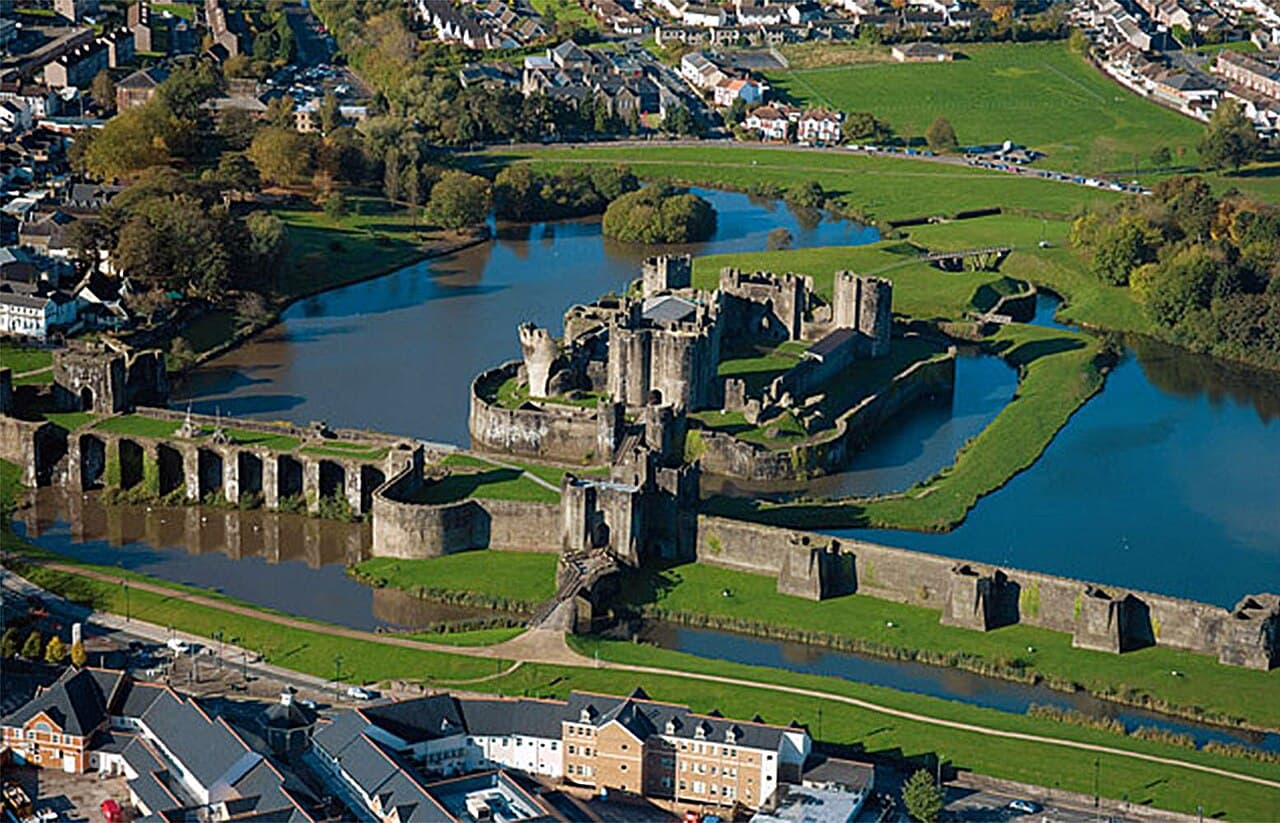
Caerphilly Castle stands as one of the most impressive medieval fortifications in Wales and the United Kingdom. Constructed in the 13th century by the powerful Anglo-Norman lord Gilbert de Clare, it is renowned for pioneering the introduction of concentric castle defenses in Britain. The castle occupies approximately 30 acres and is surrounded by extensive artificial lakes, which form some of the most elaborate water defenses ever created in Britain. These features not only enhanced the castle's defensive capabilities but also marked a significant advancement in medieval military architecture.
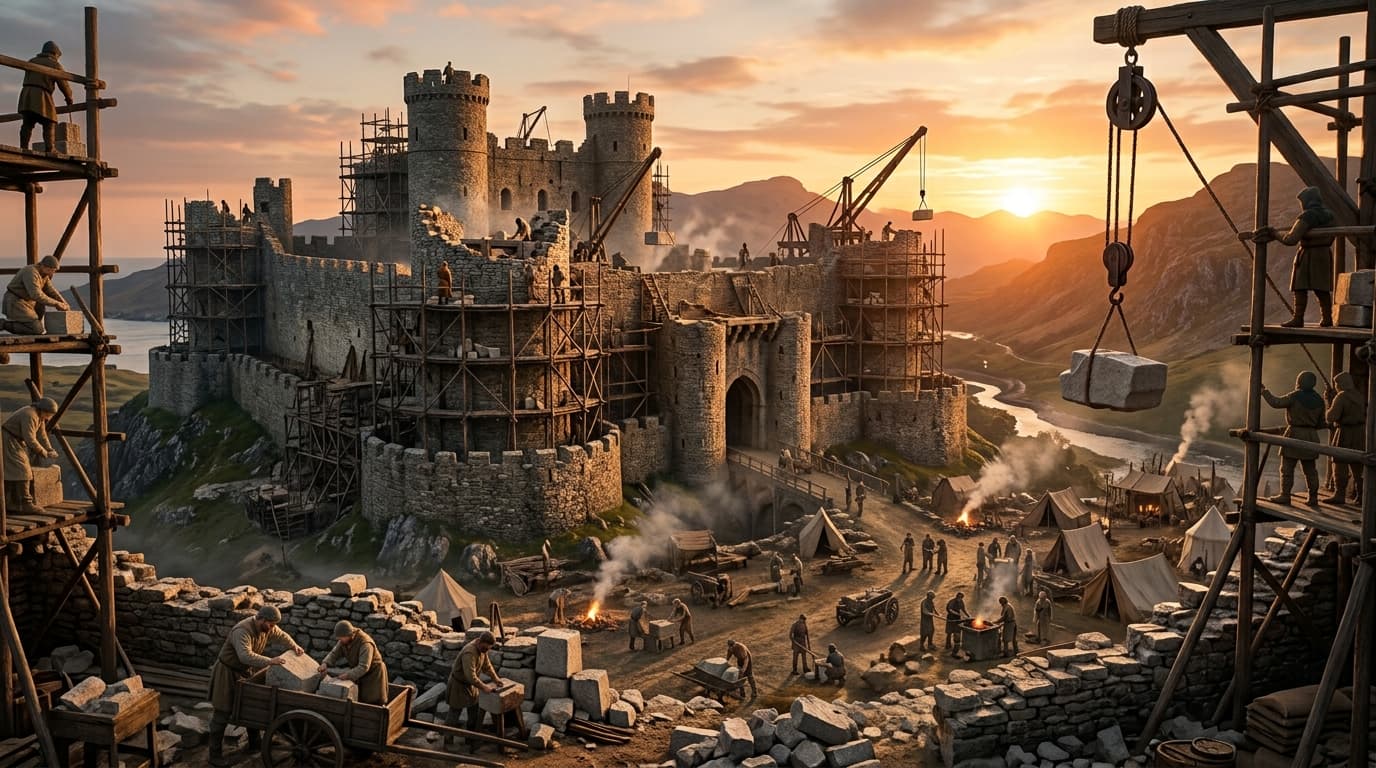
Located in the town of Caerphilly in Wales, the castle was strategically built on a natural gravel bank within the Rhymney Valley basin. Its location was carefully chosen to control the surrounding lowlands and to serve as a bulwark against Welsh resistance, particularly from the native prince Llywelyn ap Gruffudd. The castle's construction began in 1268, amid intense political and military conflict during the period of English expansion into South Wales. Despite being attacked and burnt by Llywelyn in 1270, the castle was completed by Gilbert de Clare by 1271, establishing a lasting English presence in the region.
Architectural innovation and design
Caerphilly Castle is a masterpiece of High Medieval military architecture, notable for its concentric layout—a design featuring multiple layers of defensive walls. The castle's plan is essentially a large parallelogram with an inner ward surrounded by a middle curtain wall, both fortified with towers and gatehouses. This arrangement allowed defenders to cover all approaches effectively and provided a flexible defense system that was revolutionary in Britain at the time.
The castle's walls are constructed primarily from local Pennant sandstone, and the fortification includes numerous towers, gatehouses, and curtain walls with crenellations. The great gatehouse on the east side is the tallest and most formidable part of the castle, designed to be defensible even if the rest of the fortress fell. This gatehouse features multiple defensive mechanisms, including portcullises, murder holes, and thick walls, and it also housed comfortable living quarters for the castle's constable.
Water defenses and dams
The castle is surrounded by a series of artificial lakes created by constructing massive earthen dams reinforced with stone. The South Dam is particularly impressive, stretching 152 meters and buttressed with eight large supports. This dam terminates at Felton's Tower, which guarded the sluice gates controlling water levels. The North Dam features a high wall and three large towers, though some have suffered from subsidence due to the marshy ground.
These water defenses made the castle almost impregnable by creating natural barriers that hindered attackers and prevented the use of siege engines close to the walls. The design likely drew inspiration from the water defenses at Kenilworth Castle, but Caerphilly's scale and complexity were unprecedented in Britain.
Historical context and military significance
Gilbert de Clare, known as "Red Gilbert," built Caerphilly Castle as part of his campaign to consolidate control over Glamorgan and to counter the power of Llywelyn ap Gruffudd, the last native Prince of Wales. The castle was intended to secure the region against Welsh incursions and to serve as a symbol of Norman-English dominance.
The castle endured multiple attacks during its history, including the 1270 assault by Llywelyn, the Madog ap Llywelyn revolt of 1294, and the Llywelyn Bren uprising in 1316. It also played a role during the political upheavals surrounding the overthrow of King Edward II in 1326–27. Despite these conflicts, the castle remained a formidable stronghold.
In the early 14th century, under the ownership of Hugh le Despenser, the castle saw some modifications, including the restructuring of the Great Hall and residential quarters, which enhanced its comfort and status as a noble residence. However, after the late 15th century, Caerphilly Castle declined in military importance, and its water defenses were drained. The stone was quarried for other uses during the 16th century, leading to partial ruin.
Ownership and restoration
The castle was acquired by the Marquesses of Bute in 1776, who initiated efforts to preserve and restore the site. The third and fourth Marquesses undertook extensive restoration work in the late 19th and early 20th centuries, helping to stabilize the structure and revive some of its original features.
In 1950, the castle and its grounds were transferred to the state, and the water defenses were re-flooded to restore the castle's historic appearance and defensive system. Today, the site is managed by the Welsh heritage agency Cadw and serves as a popular tourist attraction, offering visitors a glimpse into medieval military architecture and Welsh history.
Notable features and curiosities
One of the most striking features of Caerphilly Castle is its leaning southeast tower, which tilts at an angle of about 10 degrees—more than twice the lean of the Leaning Tower of Pisa. Scholars debate whether this lean resulted from damage during the English Civil War or from natural ground subsidence and weathering. Regardless, it remains a dramatic and unique architectural curiosity.
The castle's interior includes the Great Hall, which was richly decorated with wooden screens, carvings, and a large central fireplace. Surviving carved corbels depict male and female heads, believed to represent figures from the royal court of the 1320s. The castle chapel, located above essential service rooms, highlights the integration of religious and domestic functions within the fortress.
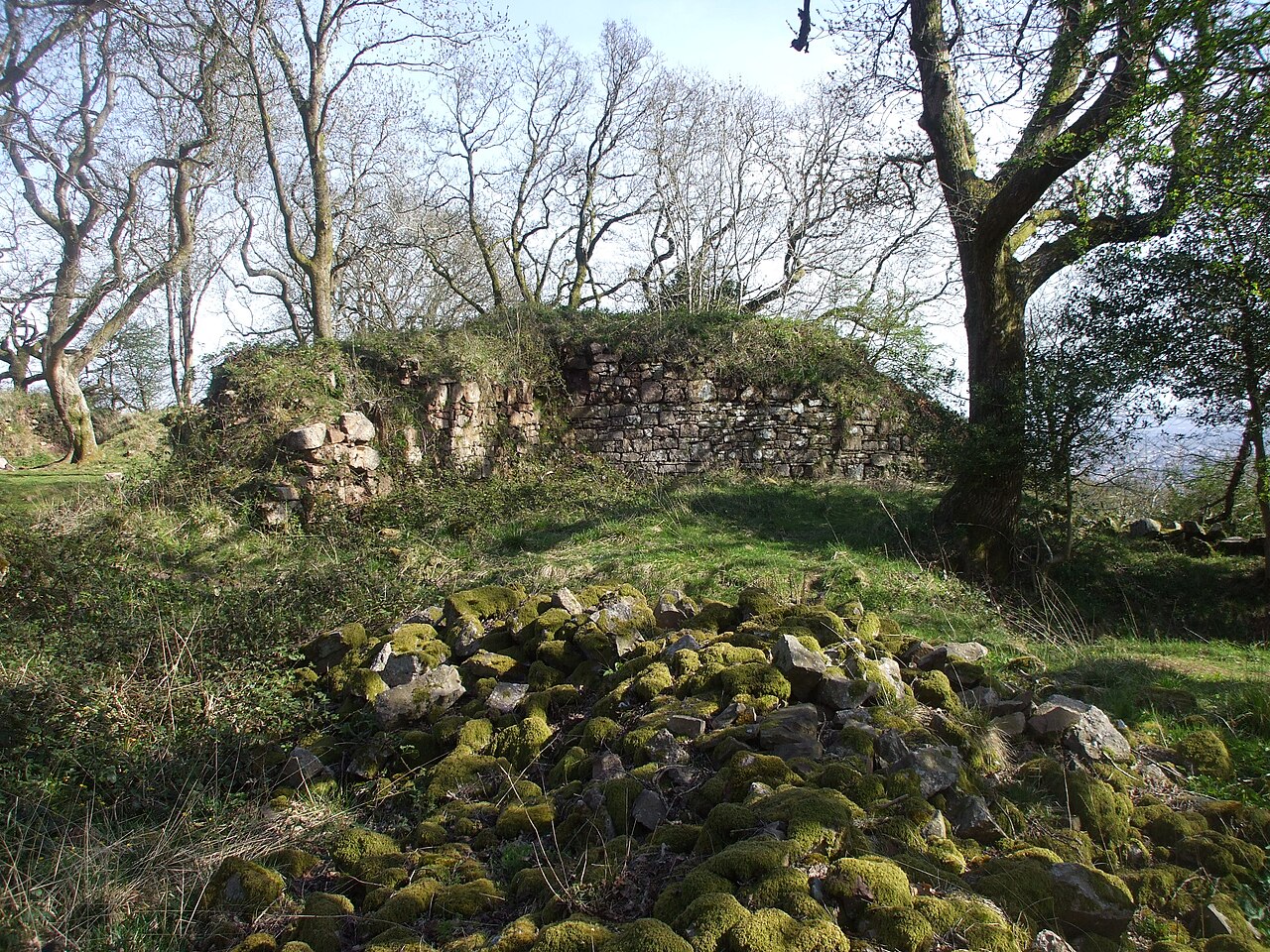
Outside the main island lies the Western Island, also known as Y Weringaer or "the people’s fort." This area likely served as a refuge for the local population during attacks and contains remains of a Roman fort and a later Civil War earthwork, illustrating the site's long history of military use.
Visitors today can explore various parts of the castle, including the gatehouses, towers, and the remains of the medieval village. Replica siege engines displayed on-site provide insight into the types of weapons used during the castle's active military periods.
Visiting Caerphilly Castle
Managed by Cadw, Caerphilly Castle is open to the public throughout the year, offering guided tours, exhibitions, and panoramic views from the battlements. The site’s extensive grounds and water features provide a scenic backdrop for visitors interested in history, architecture, and medieval warfare.
The castle’s accessibility and well-preserved state make it a prime example of High Medieval military architecture, and its innovative concentric design influenced the development of other British castles, including those commissioned by Edward I in North Wales.
Frequently asked questions (FAQ)
- What is Caerphilly Castle known for?
- Caerphilly Castle is renowned for being one of the largest and most impressive medieval castles in Wales. Its distinctive features include extensive water defenses, massive stone walls, and elaborate gatehouses, making it a prime example of 13th-century military architecture.
- When was Caerphilly Castle built?
- Construction of Caerphilly Castle began in 1268 and was largely completed by 1283. It was built by Gilbert de Clare as a strategic fortification to assert control over the region and to defend against the Welsh uprising.
- What are the opening hours for Caerphilly Castle?
- Caerphilly Castle is typically open to visitors from 9:30 AM to 5:00 PM, with extended hours during peak tourist seasons. It’s advisable to check the official website for any seasonal variations or special events that may affect opening times.
- Can I purchase tickets online for Caerphilly Castle?
- Yes, tickets for Caerphilly Castle can be purchased online through the official website, allowing for a quick and convenient entry. Booking in advance is recommended, especially during busy periods, to ensure availability and avoid long queues.
- Is Caerphilly Castle accessible for visitors with disabilities?
- Yes, Caerphilly Castle strives to be accessible for all visitors. There are designated parking spaces, and the site offers wheelchair access to many areas, although some sections may be challenging due to uneven terrain.
- When is the best time to visit Caerphilly Castle?
- The best time to visit Caerphilly Castle is during the spring and summer months, from April to September, when the weather is generally milder and the grounds are in full bloom. Visiting during weekdays may also help avoid larger crowds.
- What nearby attractions can I explore after visiting Caerphilly Castle?
- After exploring Caerphilly Castle, you can visit the nearby Caerphilly town which offers charming shops and restaurants. Additionally, the stunning Caerphilly Mountain provides excellent hiking opportunities and breathtaking views of the castle and surrounding landscape.
- What are the ticket prices for Caerphilly Castle?
- Ticket prices for Caerphilly Castle vary, with discounts available for children, seniors, and families. It's best to check the official website for the most current pricing and any promotional offers that may be available.

Information
Website
Visit websiteFeatured in
Articles on the Castlopedia blog that feature Caerphilly Castle.
Sources & official resources
Verify the information above using these authoritative references.
Loading map...
Visitor reviews
No reviews yet. Been here? Write the first review and help other travelers!
Write the first reviewVisited this castle? Share your experience
Your review helps other travelers and adds first-hand knowledge to our encyclopedia.