
Pakistan
Castle heritage and historical fortifications of pakistan
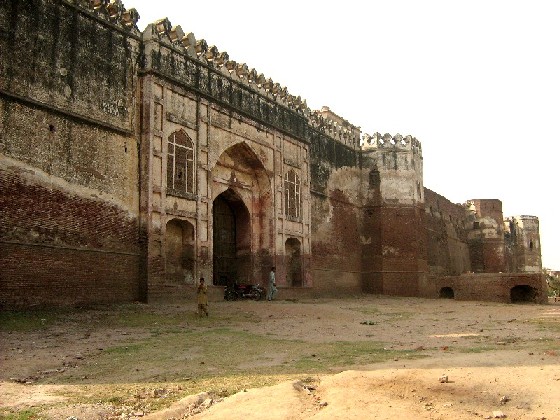
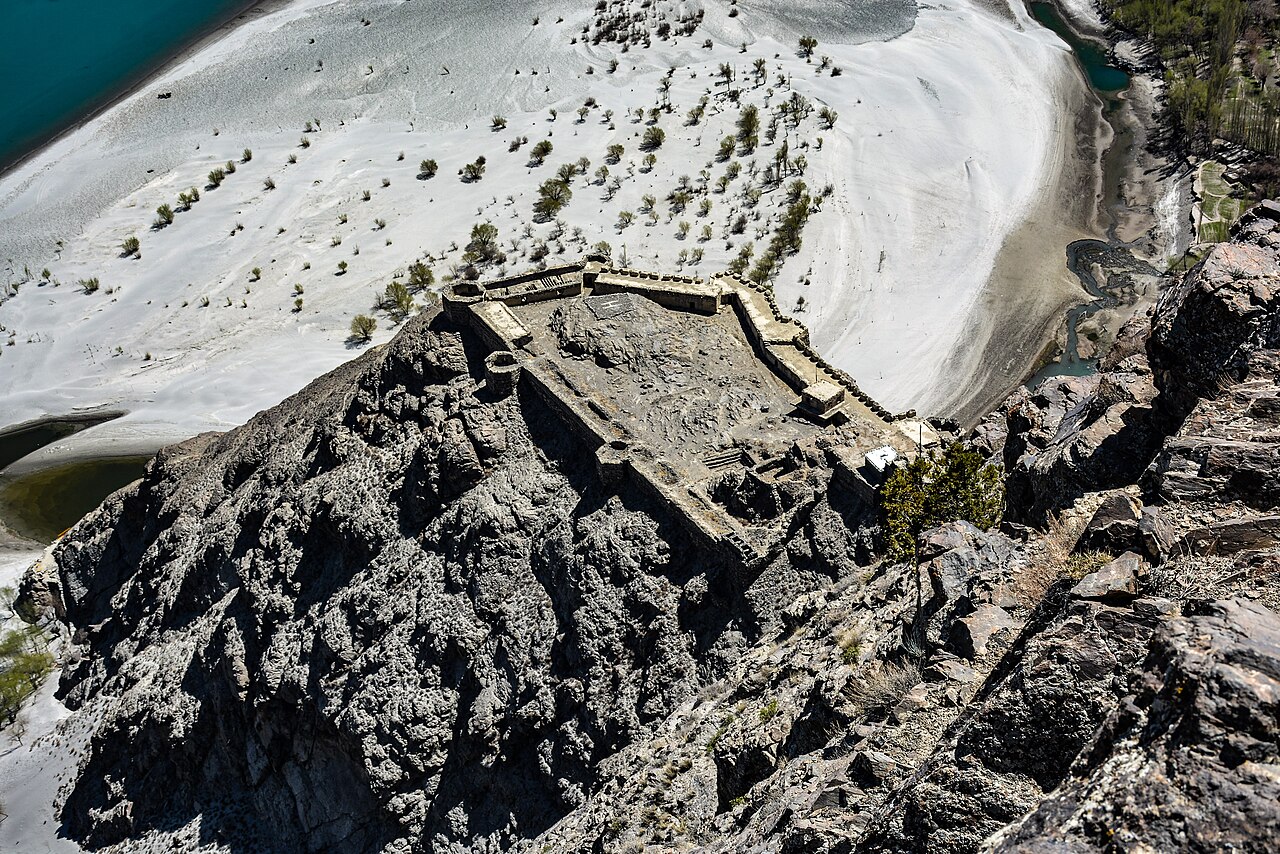
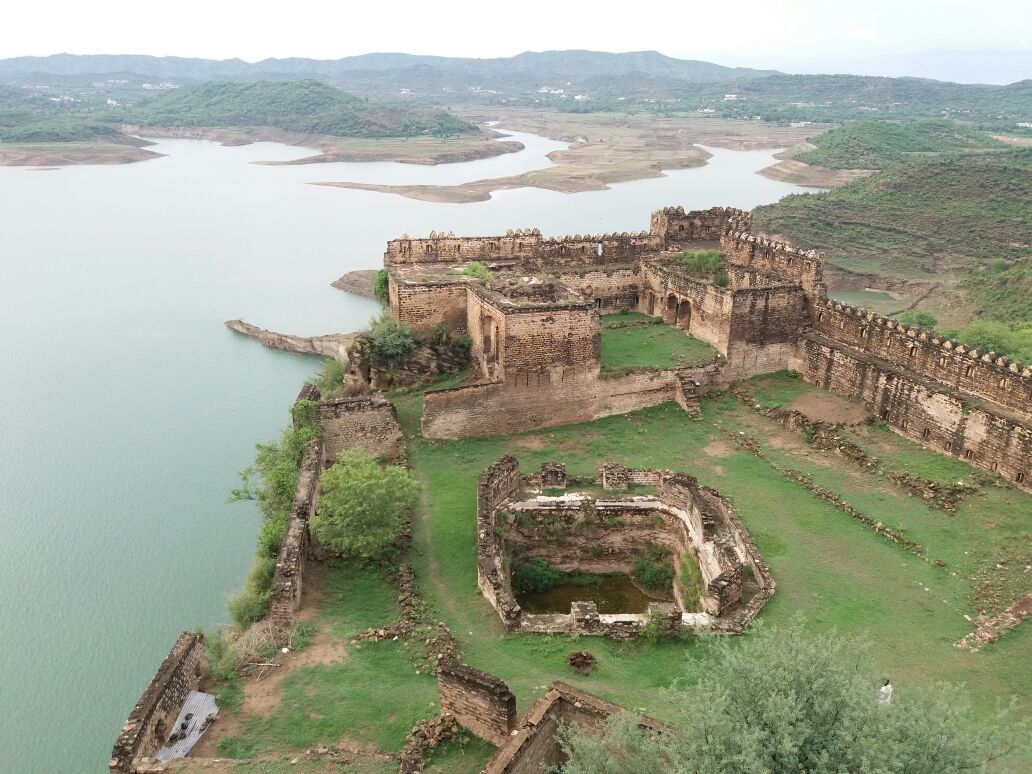
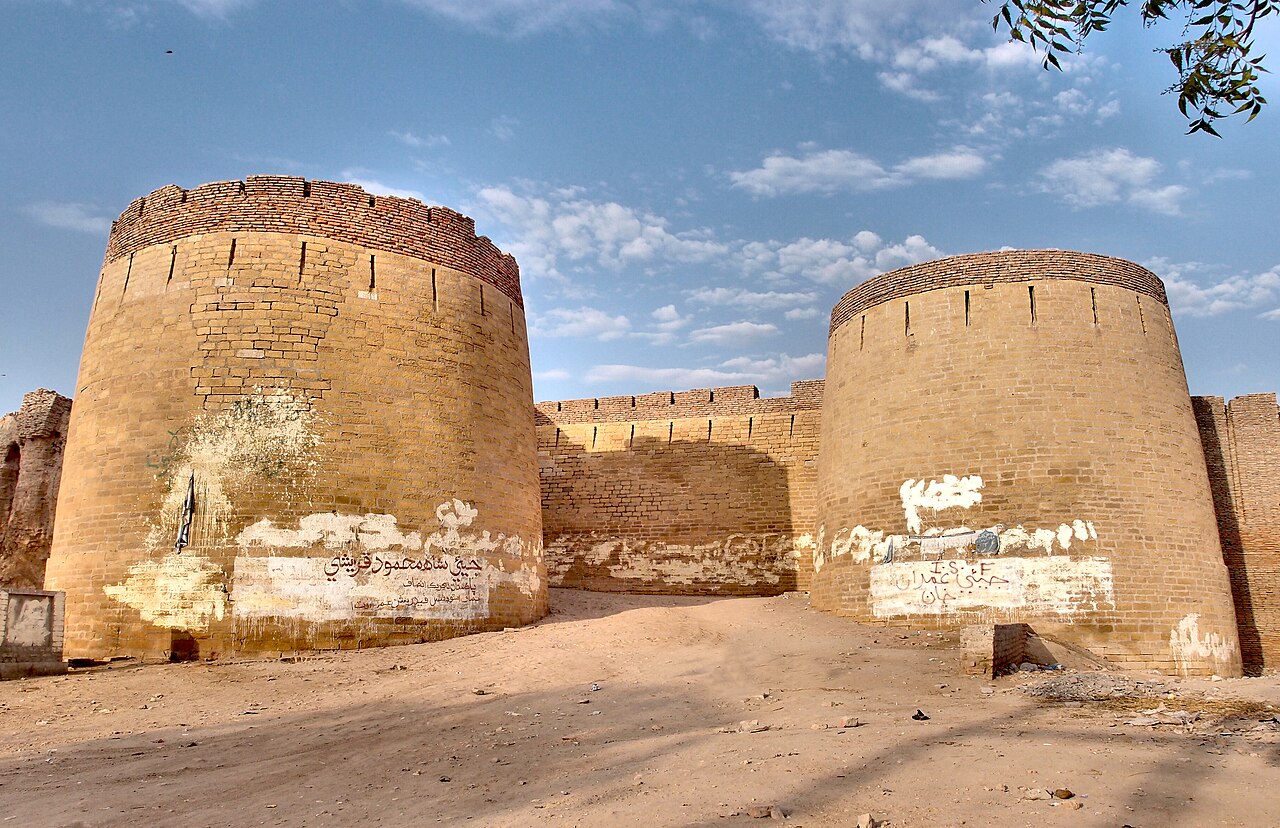
Pakistan's rich history is deeply intertwined with its impressive heritage of castles and fortifications, reflecting the diverse cultures and empires that have ruled the region over millennia. These structures serve not only as military bastions but also as symbols of political power, architectural innovation, and cultural fusion. From ancient forts guarding strategic trade routes to majestic castles embodying the might of medieval rulers, Pakistan's castle heritage offers a vivid glimpse into its multifaceted past.
The country's location at the crossroads of South Asia, Central Asia, and the Middle East has made it a melting pot of architectural styles and defensive technologies. Forts and castles in Pakistan exemplify this blend, showcasing influences from Islamic, Persian, Central Asian, and indigenous South Asian traditions. These fortifications have endured the test of time, standing as testaments to the resilience and craftsmanship of their builders.
Continue reading below — scroll for the full article.
Castles in Pakistan
Discover 20 magnificent castles across the country
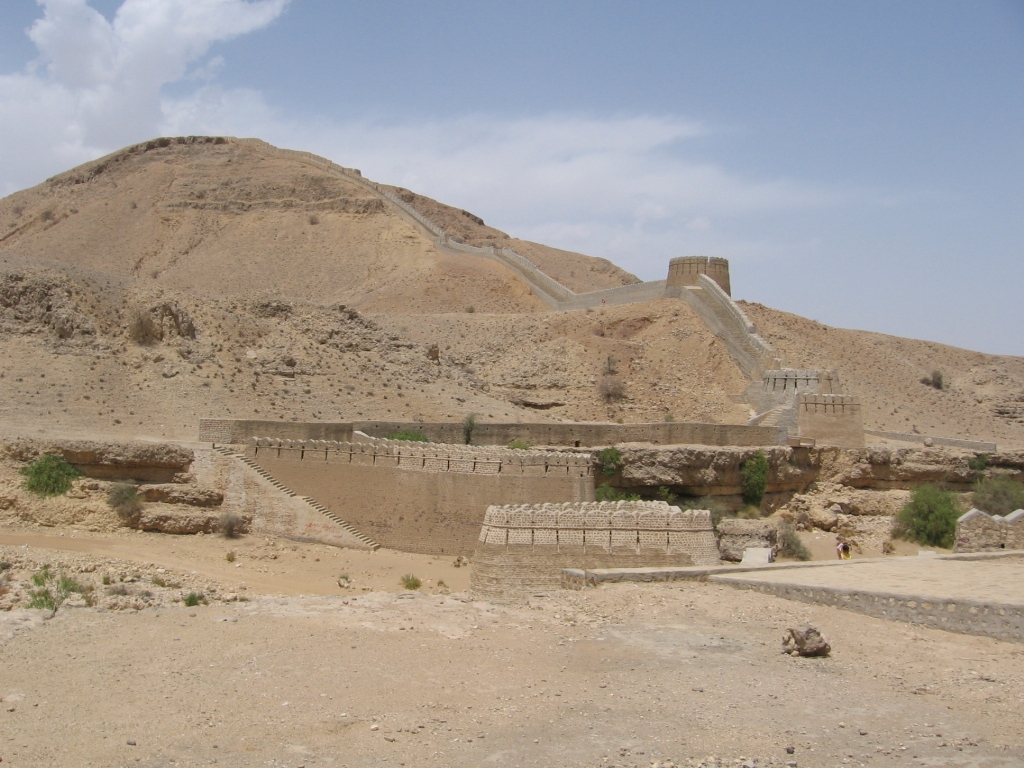
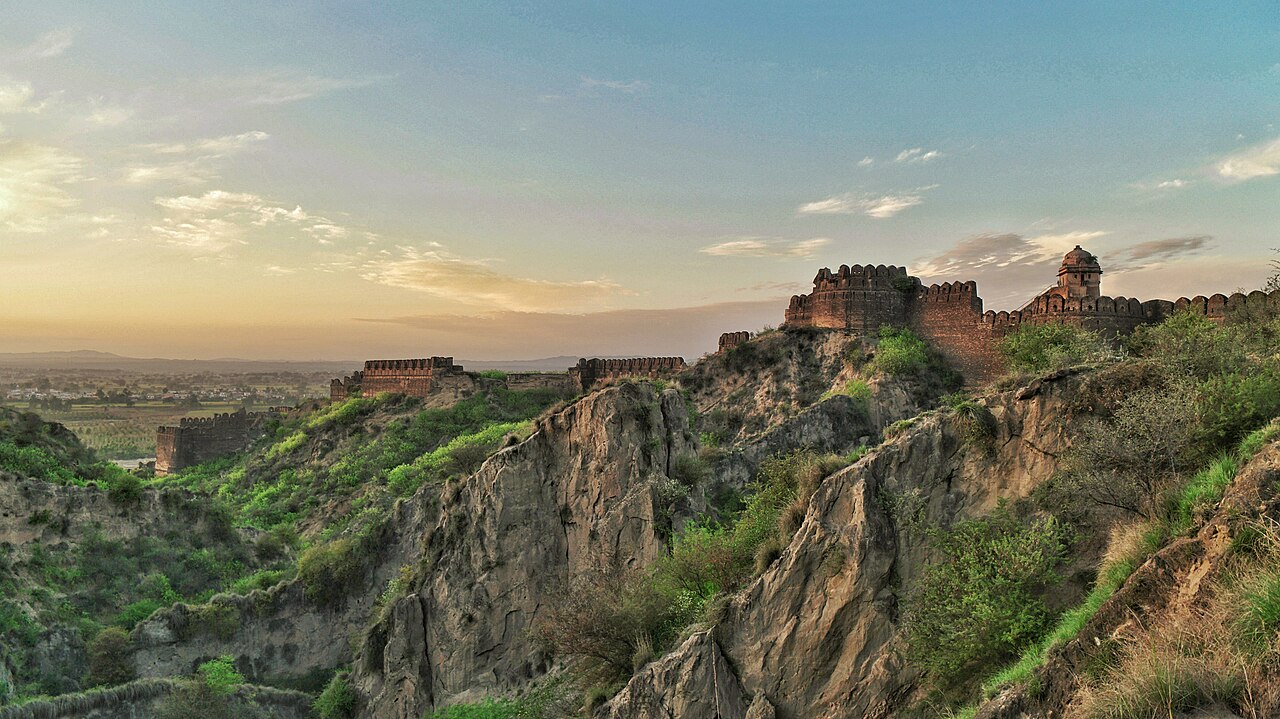
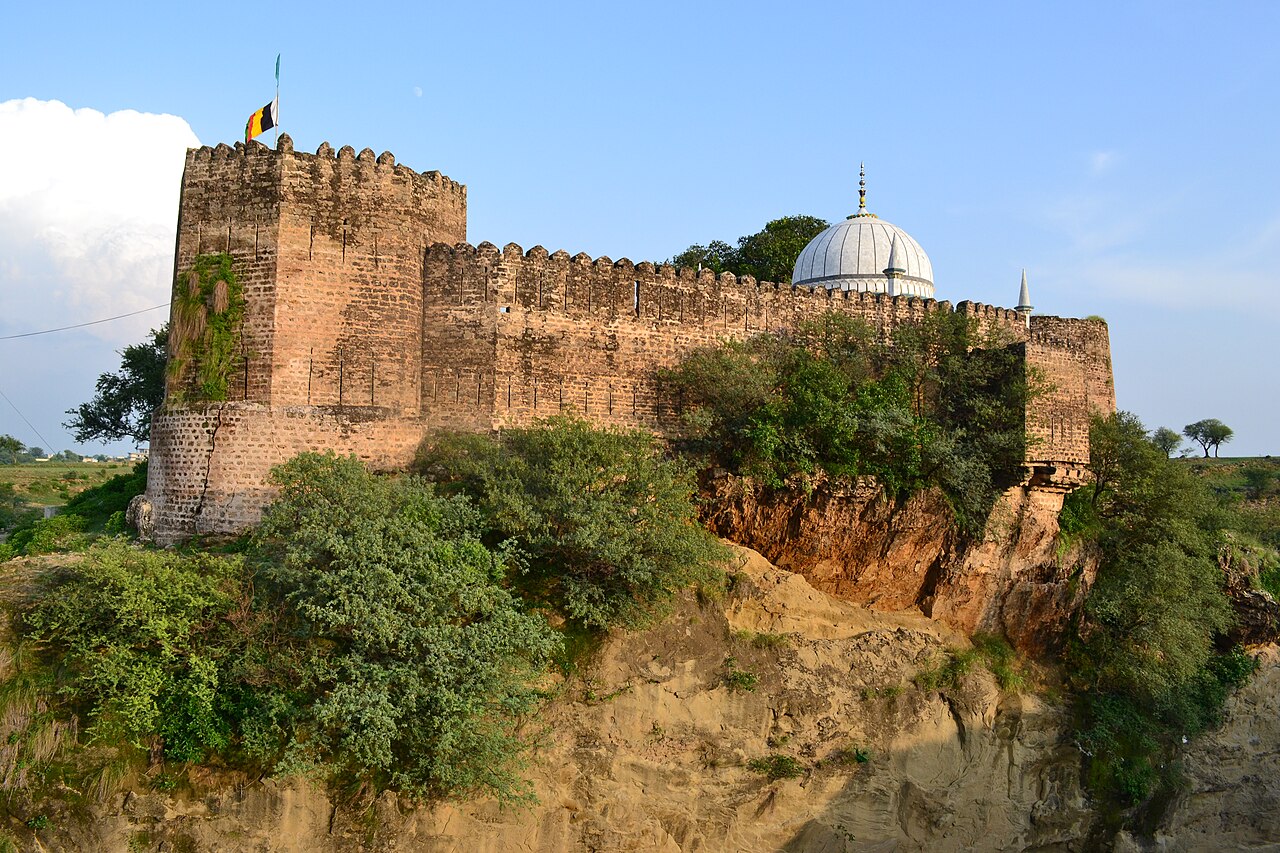
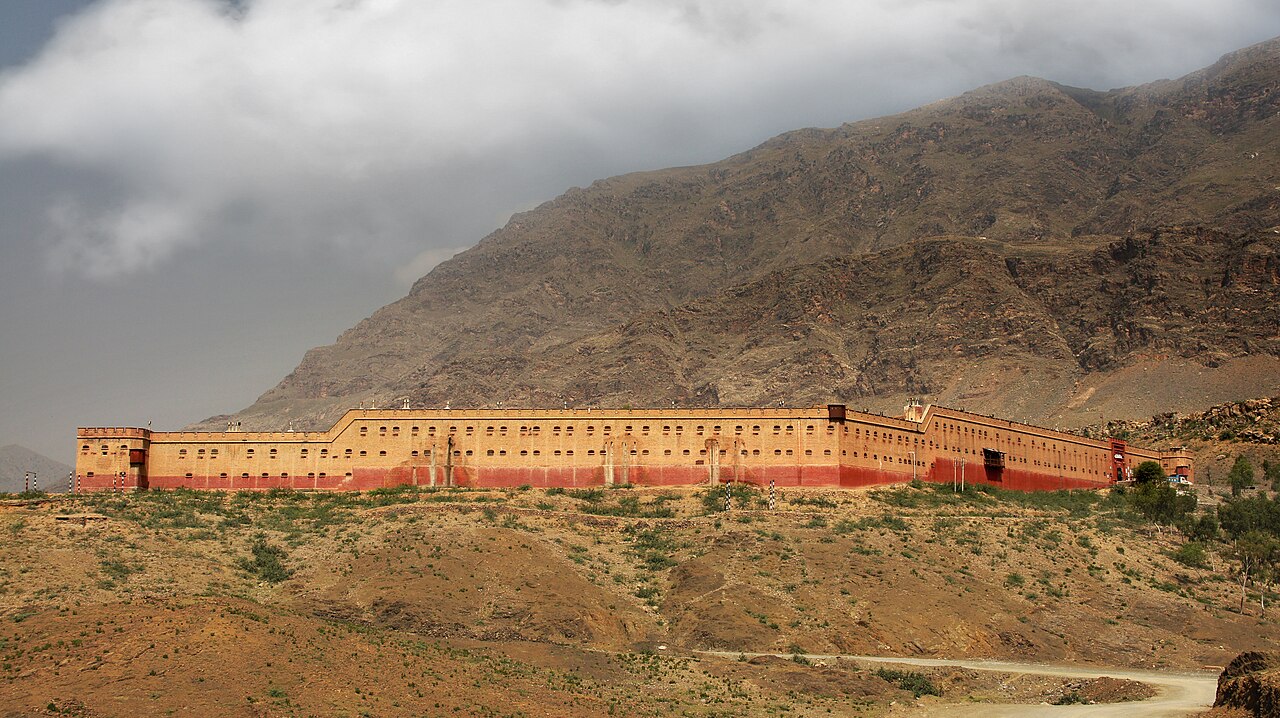
Historical background and medieval period
The medieval period in the region that is now Pakistan saw the rise and fall of several empires and dynasties, each contributing to the development of fortifications and castles. The Ghaznavid Empire in the 10th and 11th centuries laid early foundations for military architecture, followed by the Delhi Sultanate and the Mughal Empire, which brought more elaborate and monumental fort designs.
During the Mughal era, fortifications were not merely defensive structures but also centers of administration and royal residence. The Mughals combined Persian and Indian architectural elements, turning forts into grand complexes with palaces, gardens, and mosques. Earlier, Islamic invaders and local rulers had constructed simpler fortifications primarily for military defense, but these evolved significantly over time.
Types of fortifications in pakistan
Castles and forts
Castles and forts in Pakistan often served dual roles as military strongholds and royal residences. These structures were typically situated on strategic elevations, near rivers, or along trade routes to maximize their defensive advantage. Examples include the iconic Lahore Fort, which showcases a complex of palatial buildings and defensive walls, and the Derawar Fort, a massive desert fortress known for its imposing bastions.
Defensive walls and city fortifications
Several historic cities in Pakistan were surrounded by defensive walls designed to protect inhabitants from invasions and raids. The walled city of Lahore is a prime example, featuring gates such as the iconic Delhi Gate and extensive ramparts. These city fortifications often complemented nearby forts by providing layered defense.
Hill forts and watchtowers
In the mountainous regions of northern Pakistan, hill forts and watchtowers were common. These smaller fortifications allowed local chieftains and rulers to monitor surrounding areas and control mountain passes. Their strategic placement leveraged natural topography for defense and surveillance.
Architectural styles and influences
The architecture of Pakistan's castles and fortifications reflects a fusion of styles shaped by various cultural and political influences. Islamic architecture introduced features such as pointed arches, intricate tile work, and ornamental calligraphy. Persian influences are evident in the use of geometric patterns and garden layouts, particularly in Mughal constructions.
Indigenous South Asian elements, such as robust stone masonry and decorative motifs drawn from Hindu and Buddhist traditions, also appear in many structures. The Rohtas Fort, built by Sher Shah Suri in the 16th century, exemplifies this blend with its massive walls, circular bastions, and intricate gatehouses that combine Afghan military architecture with local craftsmanship.
Regional variations in fortifications
Punjab region
The Punjab region, known for its fertile plains and historic cities, hosts some of Pakistan's most famous fortifications. The Lahore Fort stands out with its extensive palatial complexes and ornate gateways. Forts here often served as centers of administration and reflected the grandeur of the Mughal era.
Sindh and balochistan
In Sindh and Balochistan, forts were frequently built to control trade routes and tribal territories. The Derawar Fort in the Cholistan Desert is a notable example, with its massive square walls and 40 bastions visible from miles away. These forts typically emphasize strong, simple defensive architecture suited to harsh environments.
Khyber pakhtunkhwa and northern areas
The rugged terrain of Khyber Pakhtunkhwa and northern Pakistan features smaller hill forts and watchtowers. These structures were crucial for monitoring mountain passes and tribal boundaries. Their construction often utilized locally available stone and wood, blending functionality with the natural landscape.
Notable periods of castle construction
The most significant period of castle and fort construction in Pakistan coincides with the 16th and 17th centuries, during the rule of the Mughal Empire and regional dynasties like the Sur Empire. Sher Shah Suri’s reign was marked by the construction of strategic forts like Rohtas Fort, designed to consolidate his power and defend against the Mughals.
The Mughal period saw extensive fortification works not only for defense but also as symbols of imperial authority. The Lahore Fort was expanded and embellished during Emperor Akbar and Shah Jahan's reigns, incorporating exquisite architecture and expansive courtyards. Earlier periods, such as the Ghaznavid and Ghori dynasties, laid foundational military architecture but left fewer surviving structures.
Preservation and current state
Many of Pakistan’s castles and forts have suffered from the ravages of time, neglect, and environmental factors. Some, like the Lahore Fort and Rohtas Fort, have been restored and are recognized as UNESCO World Heritage Sites, highlighting their global cultural importance. Preservation efforts focus on stabilizing structures, preventing further decay, and promoting awareness of their historical value.
Other forts, particularly those in remote or politically unstable areas, remain vulnerable to deterioration. Conservation challenges include limited funding, urban encroachment, and lack of comprehensive archaeological research. Nonetheless, government agencies and heritage organizations continue to work toward protecting these invaluable monuments.
Castle tourism and accessibility
Fortifications such as the Lahore Fort and Rohtas Fort attract significant numbers of tourists due to their historical significance and architectural grandeur. These sites are generally accessible to visitors, with guided tours available to explain their history and features. The forts also serve as venues for cultural festivals and events, enhancing their role in contemporary society.
More remote castles, like Derawar Fort, are accessible but require travel across challenging terrain, attracting adventurous tourists and history enthusiasts. Tourism infrastructure around these sites is improving, aiming to balance visitor access with conservation needs.
Cultural significance and heritage
Pakistan's castles and fortifications are not only military relics but deeply embedded in the nation's cultural identity. They symbolize the rich tapestry of historical influences that have shaped the region—from ancient kingdoms to Islamic empires. These structures are sources of pride and serve as tangible links to Pakistan’s diverse past.
Many forts are associated with legendary events and figures, enhancing their cultural resonance. They also provide valuable insights into the social, political, and technological history of South Asia. As heritage sites, these castles foster national unity and promote appreciation for Pakistan’s historical legacy among both locals and the international community.
Castle Locations in Pakistan
Explore all castle locations on an interactive map
Loading castle locations...