Skardu Fort
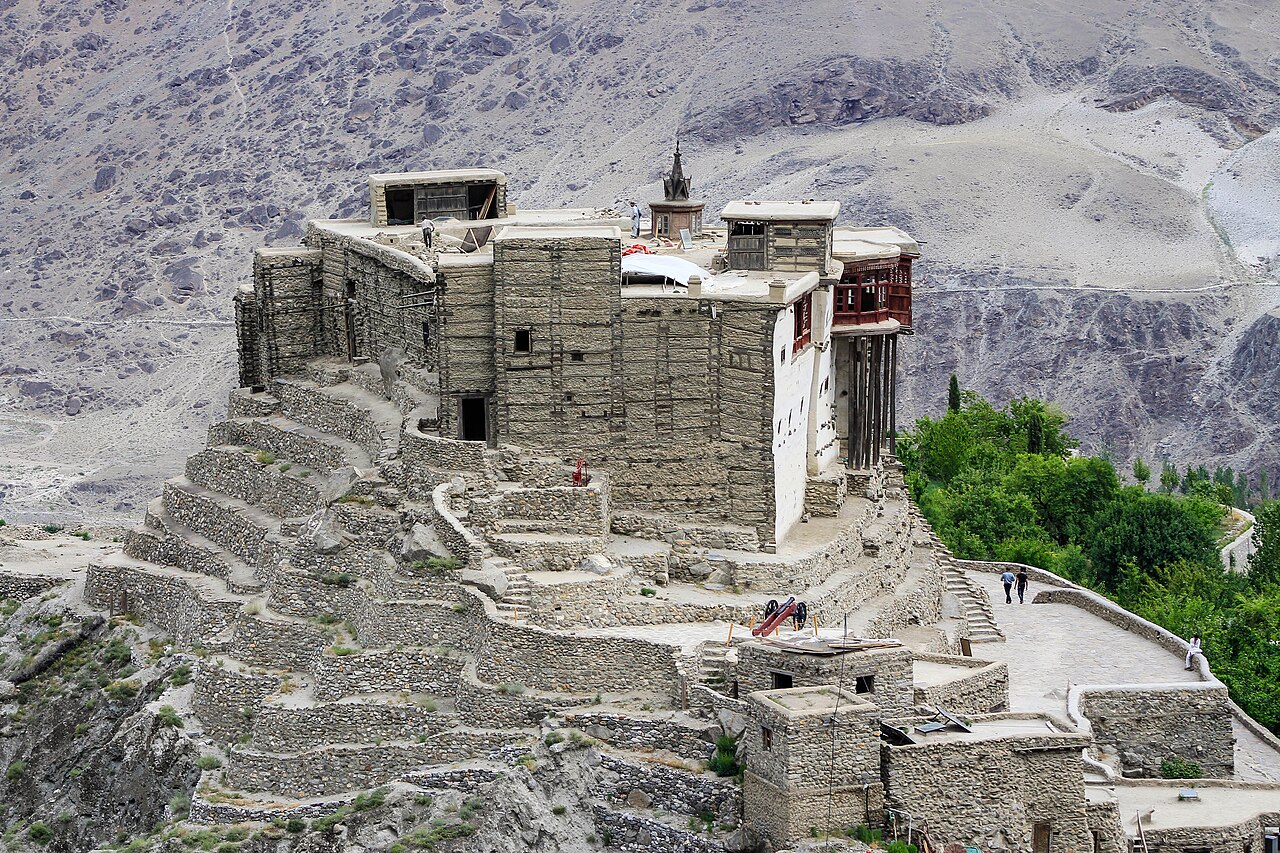
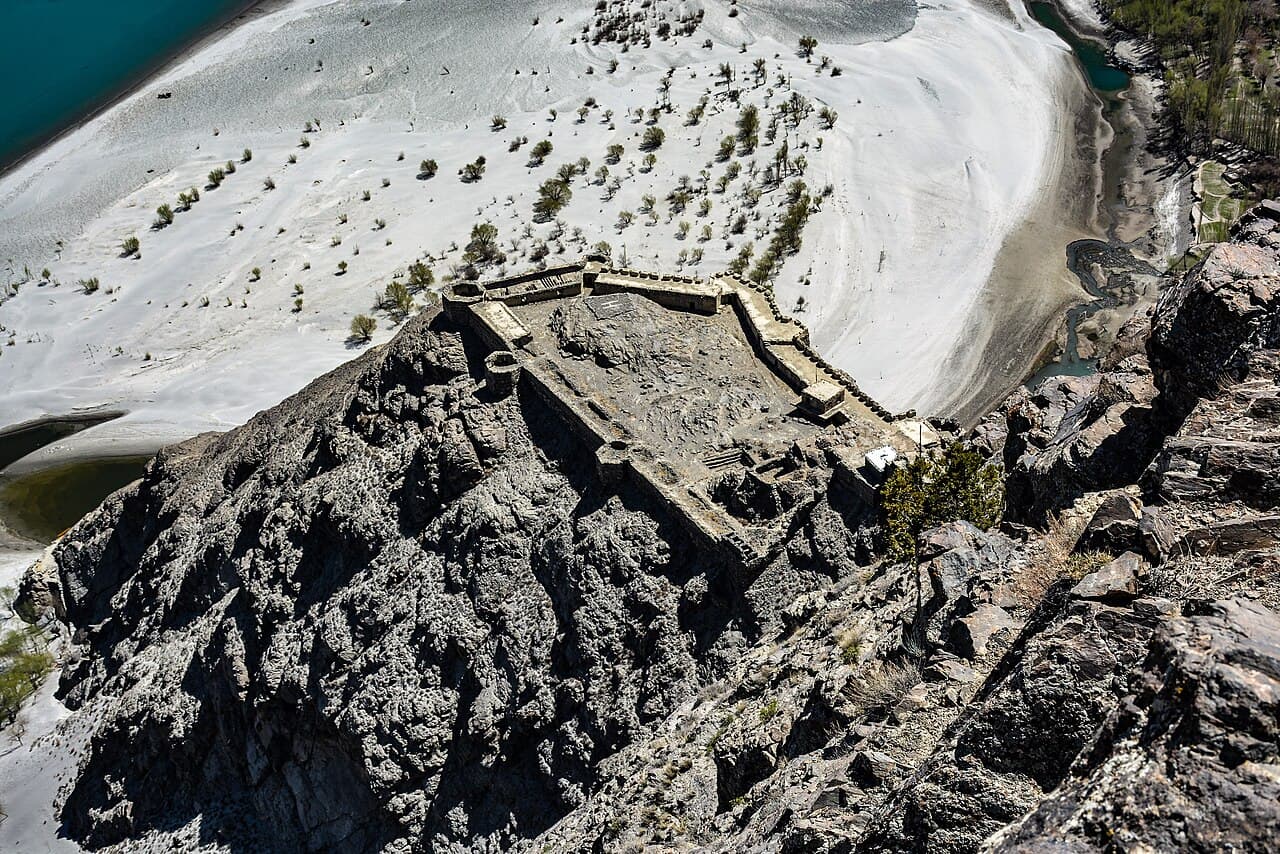
Skardu Fort, also known locally as Kharpocho which translates to "The king of forts," is a prominent 16th-century bastioned fortress located in the Gilgit-Baltistan region of Pakistan. This historic fortification occupies a commanding position above the confluence of the Indus and Shigar rivers, providing a strategic vantage point that was crucial for military defense and regional control.
Historical context and strategic significance
The fort's location at the junction of two major rivers made it a vital military stronghold in the region. Throughout its history, Skardu Fort served as a defensive bastion for the rulers of Baltistan, controlling access to the surrounding valleys and trade routes. Its elevated position on the Rock of Skardu allowed for extensive surveillance over the surrounding terrain, crucial for early warning against invasions or raids.
Constructed in the 16th century, during a period of regional consolidation and conflict, the fort reflects the military architectural trends of its time. While the classification as a bastioned fortress aligns with the inclusion of angled bastions designed to provide defensive artillery coverage, the fort also incorporates elements adapted to the mountainous terrain of Baltistan.
Architectural features and layout
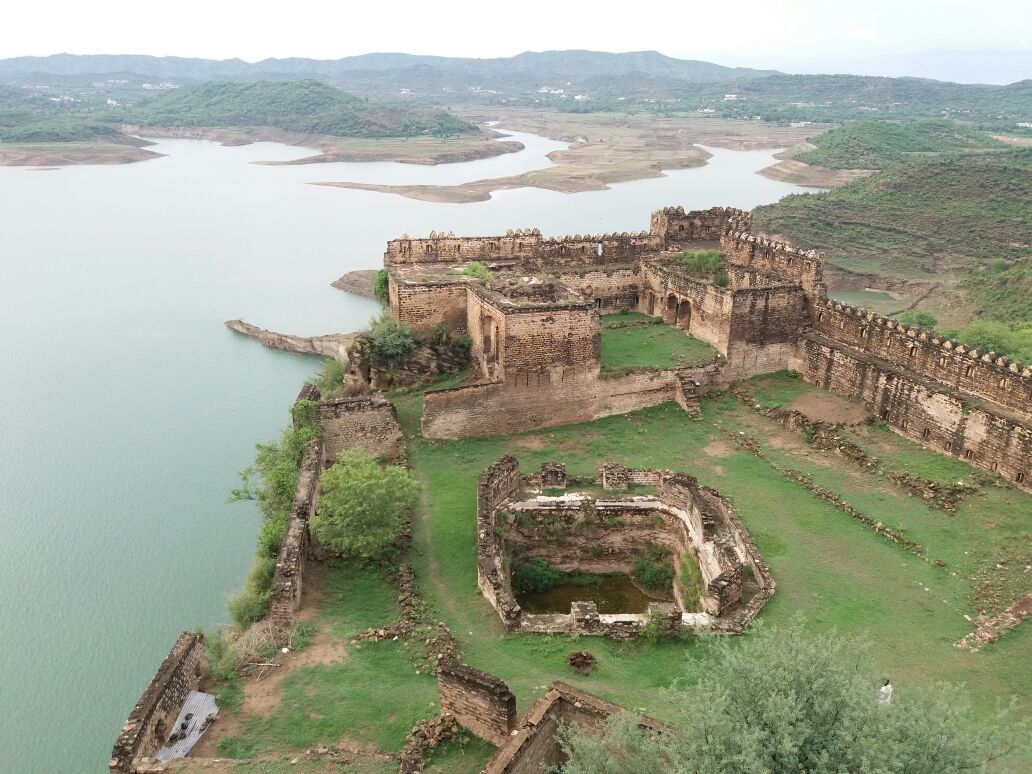
Skardu Fort is characterized by its massive stone walls and sturdy bastions that project outward from the main curtain walls. These bastions were designed to enable defenders to cover adjacent walls with gunfire, a common feature in fortresses built or modified during the Renaissance period when artillery became a dominant factor in military architecture.
The fort's walls are constructed from locally sourced stone, carefully shaped and fitted to withstand both siege weaponry and the harsh climatic conditions of the region. The fortification includes several defensive towers and gateways that controlled access to the interior, which housed the garrison, supplies, and administrative quarters.
Inside the fort, there are remnants of residential quarters and storage areas, reflecting its dual role as a military installation and a seat of local power. The design integrates natural rock formations, using the terrain to enhance defensive capabilities and reduce construction demands.
The bastions and defensive innovations
The bastions of Skardu Fort are notable for their angular shapes, which allowed defenders to cover blind spots along the walls and created overlapping fields of fire. This design was part of the evolution of fortifications in the Renaissance period, responding to the increased use of gunpowder artillery.
While the fort does not exhibit the fully developed concentric castle layout seen in some European examples, its bastioned design represents a significant adaptation of traditional fortress architecture to the local context and military needs.
Role in regional history and cultural importance
Throughout its history, Skardu Fort played a central role in the defense and administration of Baltistan. It was a key site during various regional conflicts, including invasions and power struggles among local rulers. The fort also symbolized the authority and resilience of the ruling dynasty, serving as a seat of power and a refuge during times of unrest.
Today, the fort stands as a cultural landmark and a symbol of Baltistan's historical heritage. Its commanding presence continues to attract visitors interested in the region's history, architecture, and strategic significance.
Preservation and current condition
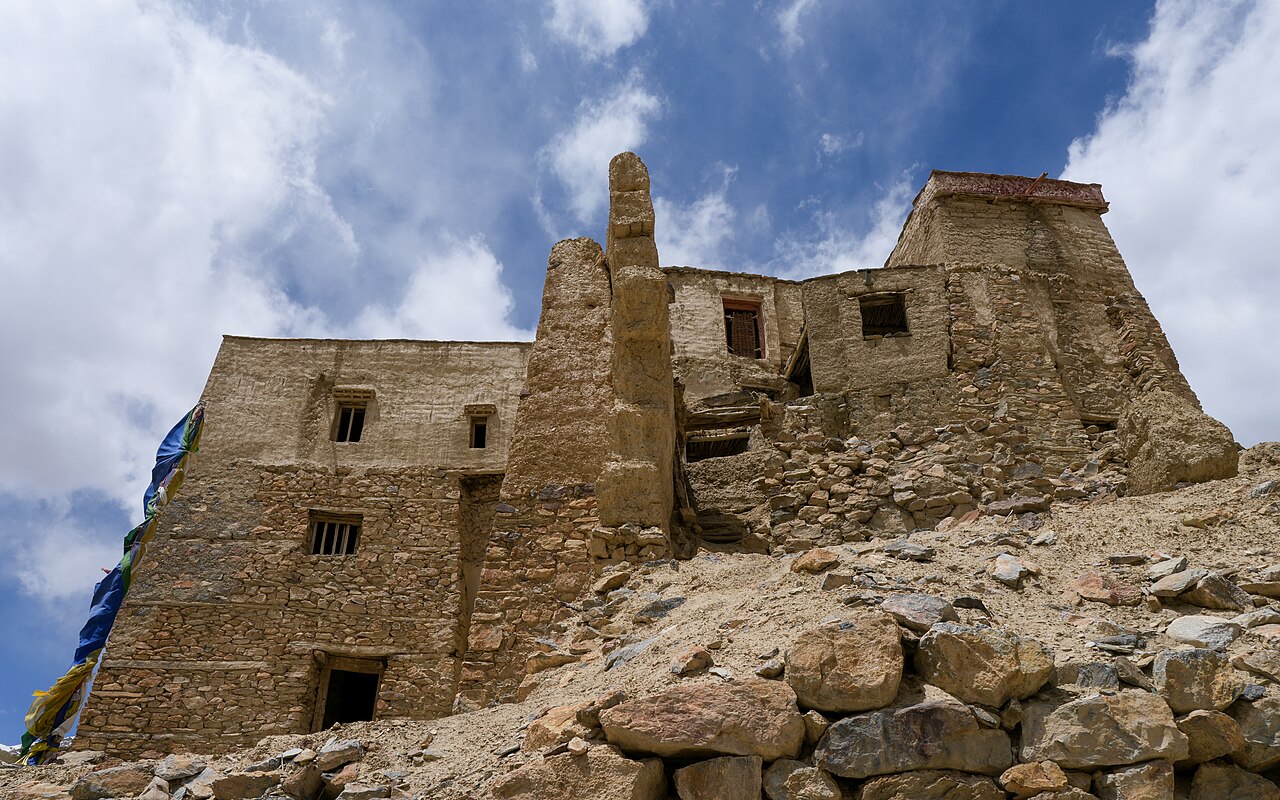
Skardu Fort is currently in a partially preserved state. While some sections of the walls and bastions remain intact, others have suffered from natural erosion and the effects of time. Conservation efforts have been undertaken to stabilize the structure and preserve its historical fabric, but ongoing maintenance is required to protect it from further decay.
The fort is accessible to visitors, offering panoramic views of the surrounding landscape and a tangible connection to the region's past. Interpretive signage and guided tours help contextualize the fort's historical and architectural significance.
Visiting Skardu Fort
Visitors to Skardu Fort can explore its extensive walls, bastions, and internal courtyards. The site provides an opportunity to appreciate the military engineering adapted to the rugged terrain of northern Pakistan. The fort's location near the confluence of the Indus and Shigar rivers adds to its scenic and strategic appeal.
The best time to visit is during the warmer months when the weather is more favorable for outdoor exploration. Local guides are available to provide historical insights and enhance the visitor experience.
Frequently asked questions (FAQ)
- What is the historical significance of Skardu Fort?
- Skardu Fort, also known as Kachhura Fort, is a significant historical site that dates back to the 16th century. It served as a strategic military outpost and played a crucial role in the defense of the region against invasions. Today, it stands as a testament to the rich cultural heritage of the Baltistan region.
- When was Skardu Fort built?
- Skardu Fort was built in the 16th century during the reign of the king of Skardu, Ali Sher Khan Anchan. Its construction reflects the architectural styles of the time and the fort's purpose as a military stronghold. Over the centuries, it has undergone various renovations to preserve its structure and historical integrity.
- How do I get to Skardu Fort?
- To reach Skardu Fort, you can travel to Skardu city either by road or air. The nearest airport is in Skardu, with flights connecting to Islamabad. Once in Skardu, the fort is easily accessible by local transportation or a short hike.
- Can I visit Skardu Fort year-round?
- Yes, Skardu Fort is open for visitors year-round, though the best time to visit is between April and October when the weather is pleasant and conducive for exploring. During winter months, heavy snowfall can make access challenging, so it's advisable to check weather conditions before planning your visit.
- What are the opening hours for Skardu Fort?
- Skardu Fort is typically open from 9:00 AM to 5:00 PM daily. However, it's recommended to check locally for any changes in hours, especially during festive seasons or special events. Guided tours may also have specific timings.
- Is it possible to take guided tours at Skardu Fort?
- Yes, guided tours are available at Skardu Fort, providing visitors with insights into its history and architectural features. Local guides are knowledgeable and can enhance your experience by sharing fascinating stories about the fort and its significance. It's advisable to arrange a tour in advance for a more personalized experience.
- What are the ticket prices for visiting Skardu Fort?
- The ticket prices for Skardu Fort are quite reasonable, with a nominal fee for entry. Discounts may be available for students and groups, but it's best to confirm the latest prices on-site. The small fee contributes to the maintenance and preservation of the fort.
- What nearby attractions can I visit while at Skardu Fort?
- While visiting Skardu Fort, you can explore several nearby attractions, including the beautiful Shangrila Resort and the serene Sheosar Lake. Additionally, the ancient Buddha Rock carvings and the mesmerizing Deosai National Park are also within reach for those looking to experience the natural beauty and cultural history of the region.
- Is Skardu Fort accessible for individuals with disabilities?
- While Skardu Fort offers stunning views and historical significance, it may not be fully accessible for individuals with disabilities. The terrain can be uneven, and there are some steep areas. It's advisable to plan ahead and consult with local authorities for any assistance or alternatives available for those with mobility challenges.
Photo gallery

Information
Loading map...
Visitor reviews
No reviews yet. Been here? Write the first review and help other travelers!
Write the first reviewVisited this castle? Share your experience
Your review helps other travelers and adds first-hand knowledge to our encyclopedia.