Umarkot Fort
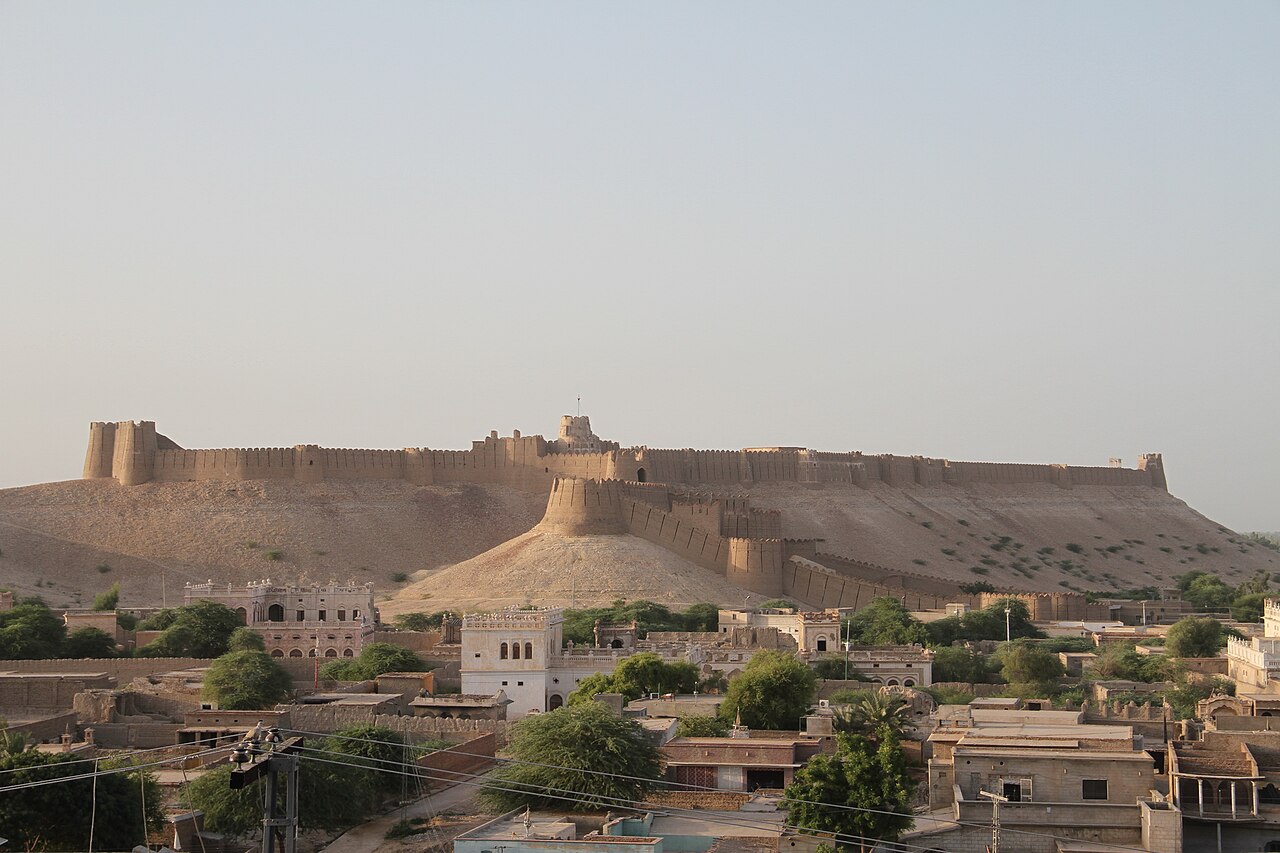
Umarkot Fort, also known as Amarkot Fort, is a significant bastioned fortress located in Umerkot, Sindh, Pakistan. Constructed in the 11th century, this fortress exemplifies the Rajput style of architecture and serves as a prominent historical monument in the region. Its robust defensive features and strategic location highlight its importance during the High Medieval period.
Historical background and significance
The fort was established during the High Medieval era, a time marked by frequent regional conflicts and the need for fortified structures. Umarkot Fort played a crucial role in the defense of the territory controlled by Rajput rulers. It is historically renowned for its association with the birth of the Mughal emperor Jahangir in 1569, who was born inside the fort during his father's exile.
Throughout its history, the fort witnessed various rulers and battles, reflecting the turbulent political landscape of Sindh and the surrounding areas. The fort's endurance through centuries of warfare and changing regimes underscores its strategic and cultural importance.
Architectural features and design
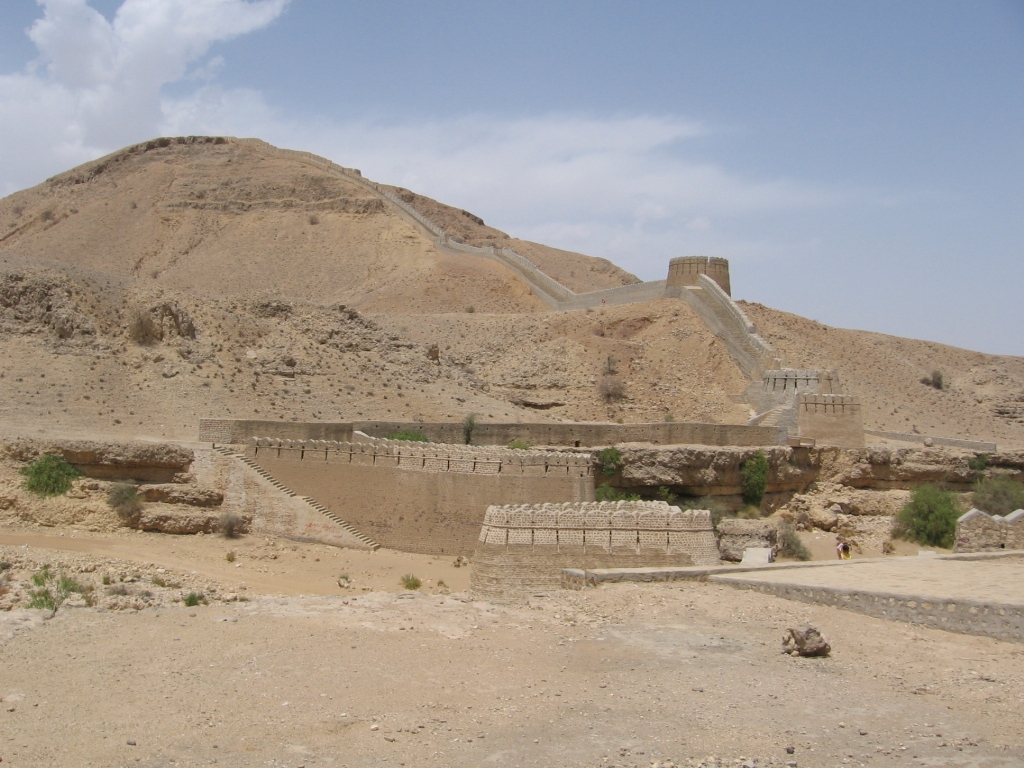
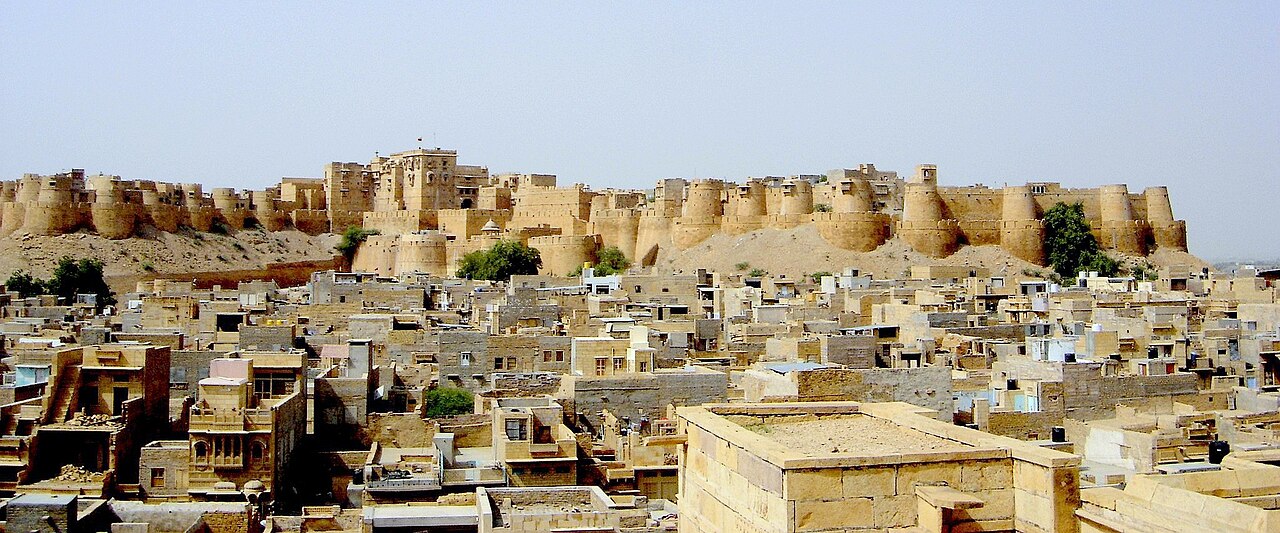
The fort is characterized by its bastioned walls, which were designed to withstand artillery attacks and provide vantage points for defenders. The walls are constructed using local stone and brick, combining strength with the aesthetic elements typical of Rajput military architecture. The fort includes several towers and gatehouses that enhance its defensive capabilities.
Inside the fort, there are remnants of residential quarters, courtyards, and water reservoirs that supported the inhabitants during sieges. The layout reflects a careful balance between military needs and the daily life of the fort's occupants.
Bastions and walls
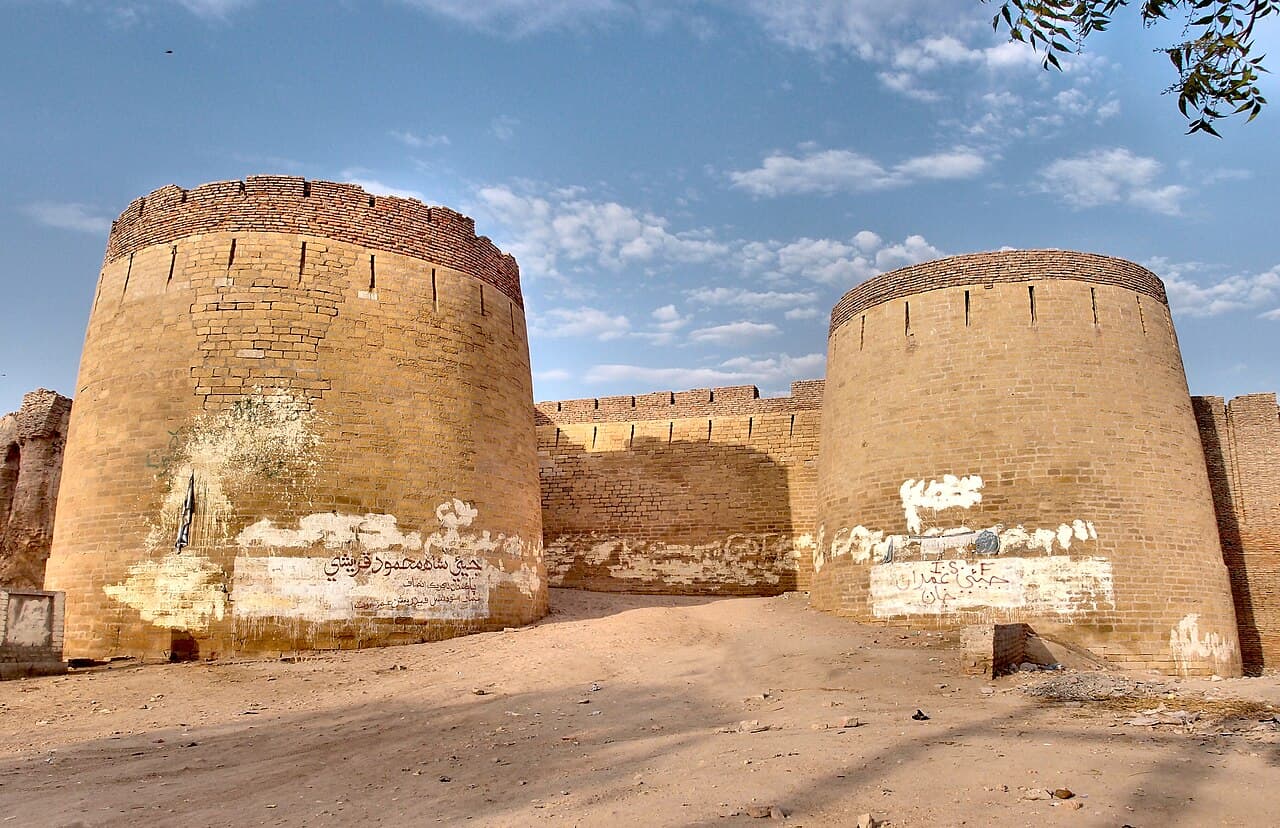
The bastions are prominent features, projecting outward from the main curtain walls to allow defenders to cover adjacent walls with crossfire. These bastions are constructed in a semicircular or polygonal form, typical of fortifications designed to resist cannon fire introduced in the medieval period.
Gateways and entrances
The fort's main entrance is fortified with heavy gates and defensive structures such as machicolations and arrow slits. These features provided layers of protection against invaders attempting to breach the fort.
Strategic location and surroundings
Situated in the town of Umerkot, the fort occupies a critical position in the region, overseeing important trade routes and serving as a military stronghold. Its location in Sindh province allowed control over the surrounding plains and access to water sources essential for sustaining a large garrison.
The fort's proximity to the Thar Desert also influenced its design, necessitating features to conserve water and withstand harsh climatic conditions.
Current condition and preservation
Today, Umarkot Fort is partially preserved, with ongoing efforts to maintain and restore its structure. While some sections have deteriorated due to age and environmental factors, key parts of the fort remain intact, allowing visitors to appreciate its historical and architectural significance.
The fort is managed by local authorities and serves as a cultural heritage site, attracting tourists interested in the history of Sindh and medieval fortifications.
Visiting information and cultural importance
Visitors to Umarkot Fort can explore its extensive walls, bastions, and internal courtyards. The site offers insight into the military architecture of the High Medieval period and the Rajput influence in the region. The fort is also a symbol of the area's rich history, including its connection to the Mughal dynasty.
Guided tours and informational displays help contextualize the fort's role in regional history. The best time to visit is during the cooler months to avoid the intense heat of the Sindh summer.
Frequently asked questions (FAQ)
- What is the historical significance of Umarkot Fort?
- Umarkot Fort, built in the 16th century, served as a strategic stronghold during the Mughal Empire. It is renowned for being the birthplace of Mughal Emperor Akbar and reflects the rich history and architectural prowess of that era.
- When was Umarkot Fort constructed?
- The construction of Umarkot Fort dates back to 1540 under the orders of the Mughal Emperor Humayun. Its impressive structure has withstood the test of time, showcasing the military architecture of the period.
- Can I visit Umarkot Fort year-round?
- Yes, Umarkot Fort is open to visitors throughout the year, although the best time to visit is during the cooler months from October to March. This period offers a more pleasant climate for exploration and sightseeing.
- What are the opening hours for Umarkot Fort?
- Umarkot Fort is typically open from 9 AM to 5 PM daily. However, it's advisable to check for any seasonal changes to opening hours before planning your visit.
- Is it possible to access Umarkot Fort for individuals with mobility challenges?
- While Umarkot Fort is an ancient structure with some uneven terrain, efforts have been made to improve accessibility for visitors with mobility challenges. It is recommended to contact local authorities in advance for specific assistance options.
- What are the ticket prices for Umarkot Fort?
- The entry fee for Umarkot Fort is quite reasonable, typically ranging from 100 to 300 PKR for local visitors, while foreign tourists may pay a slightly higher fee. It's a small price to pay for the rich history and stunning views the fort offers.
- Are there any nearby attractions to visit after Umarkot Fort?
- Yes, visitors to Umarkot Fort can also explore the nearby Umerkot Palace and the historic town of Umerkot itself, which is rich in culture and history. Additionally, the Thar Desert offers unique landscapes and experiences for adventurous travelers.
- How do I get to Umarkot Fort from major cities in Pakistan?
- Umarkot Fort can be reached by road from major cities like Karachi and Hyderabad, with various transport options available including buses and private cars. The journey provides scenic views of the surrounding landscapes, making it an enjoyable trip.
Photo gallery

Information
Loading map...
Visitor reviews
No reviews yet. Been here? Write the first review and help other travelers!
Write the first reviewVisited this castle? Share your experience
Your review helps other travelers and adds first-hand knowledge to our encyclopedia.