Ranikot Fort
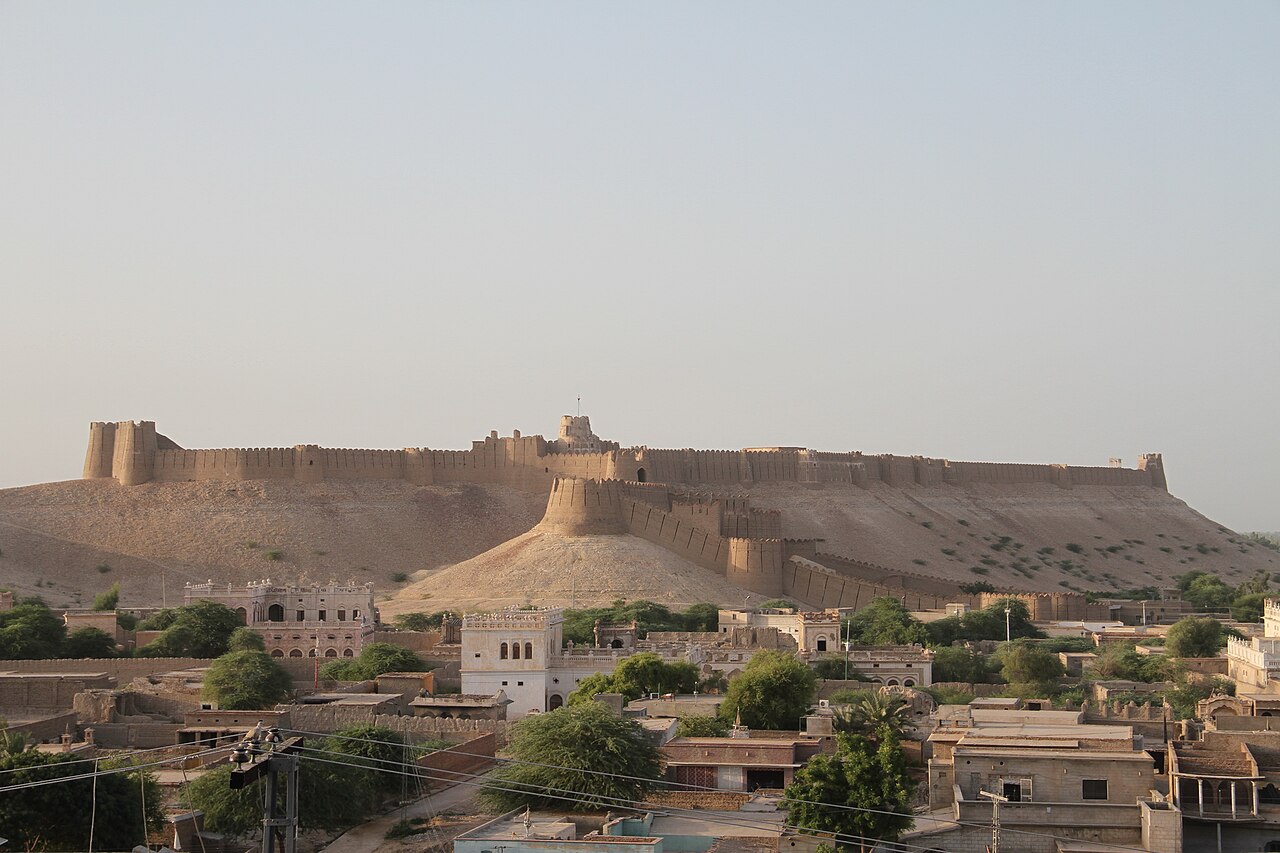
Ranikot Fort, also known as the Great Wall of Sindh, is a monumental bastioned fortress located near Sann in the Jamshoro District of Sindh, Pakistan. This vast fortification is one of the largest forts in the world, with ramparts that extend over 32 kilometers, earning it comparisons to the Great Wall of China. The fort's immense scale and unique design make it a significant architectural and historical landmark in South Asia.
Historical background and construction
The origins of Ranikot Fort trace back to the Gupta period, with estimates placing its construction around the 4th to 5th century AD. While some local traditions suggest an earlier date, possibly as far back as the 5th century BC, archaeological evidence supports the fort's establishment during the early medieval period. The fort was likely built to serve as a defensive stronghold protecting the region from invasions and to control important trade routes passing through Sindh.
Throughout its history, the fort has undergone various phases of repair and modification, reflecting the changing political powers in the region. It was used by different rulers, including local dynasties and possibly the Mughal Empire, each contributing to its maintenance and fortification enhancements.
Architectural features and layout
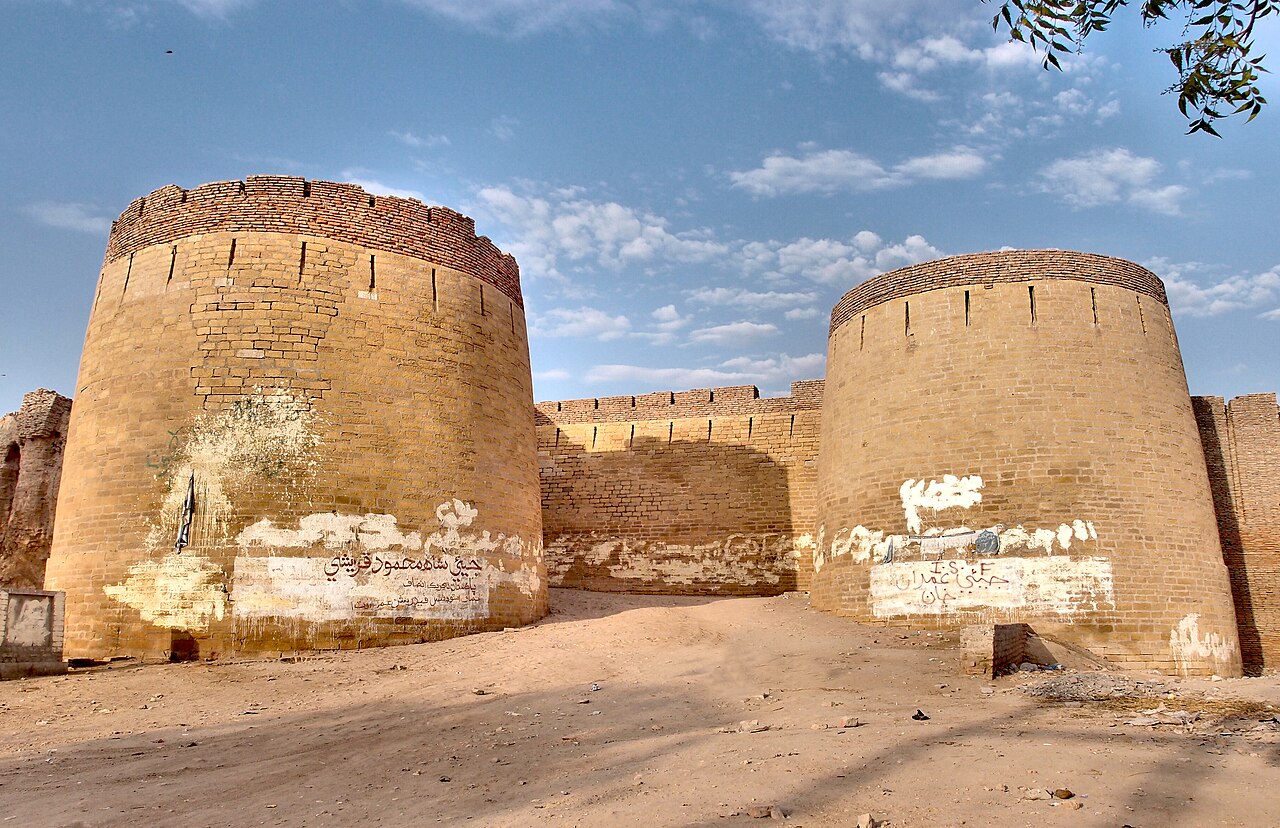
Ranikot Fort is classified as a bastioned fortress, characterized by its massive walls and strategically placed bastions designed for defense. The fort's walls are constructed from stone and mortar, reaching impressive heights and thicknesses that allowed it to withstand sieges and attacks.
The fort's layout is roughly oval, enclosing an area of approximately 26 square kilometers. It features several gates, including the prominent Sann Gate, which serves as the main entrance. The walls incorporate numerous bastions and towers, providing vantage points for surveillance and defense. Inside the fort, there are remnants of smaller forts, watchtowers, and residential structures, indicating it was a self-contained military and administrative center.
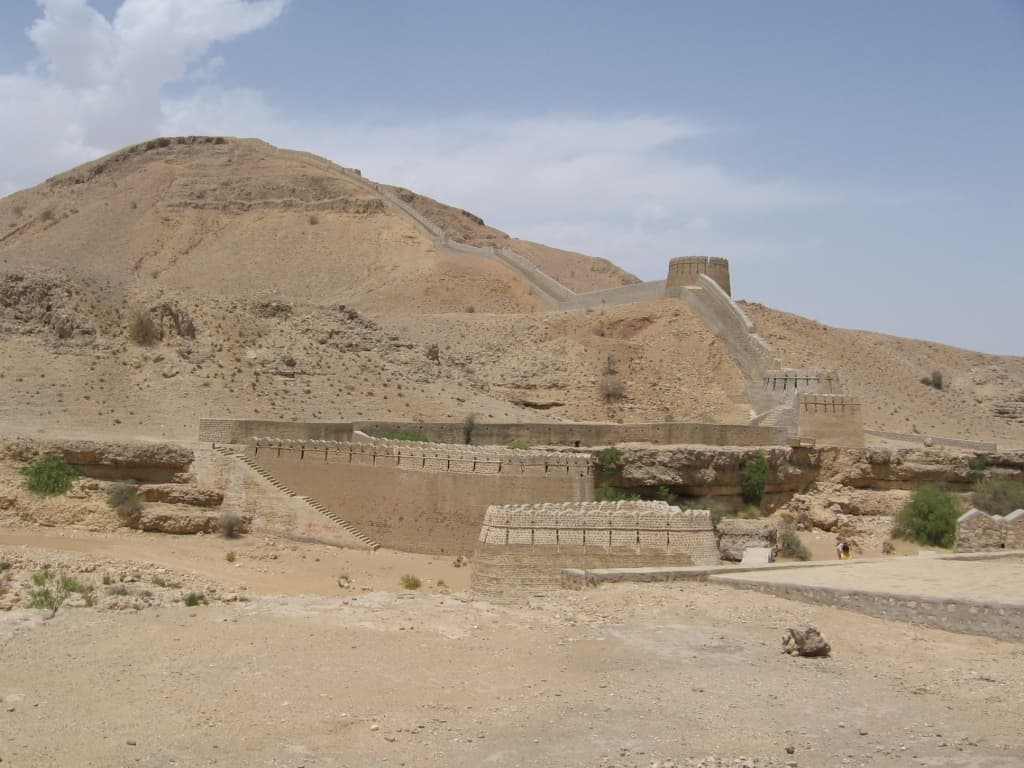
The fort's design integrates natural topography, utilizing hills and rocky outcrops to enhance its defensive capabilities. The surrounding landscape includes rugged terrain and plains, which the fort's walls effectively dominate.
Cultural significance and preservation
Ranikot Fort holds considerable cultural and historical importance as a symbol of Sindh's heritage. It was nominated by the Pakistan National Commission for UNESCO in 1993 and remains on the tentative list for World Heritage Site status. The fort is protected under Pakistan's Antiquities Act of 1975, reflecting its recognized value as a national monument.
Despite its grandeur, the fort has suffered from neglect and environmental wear over the centuries. Conservation efforts have been sporadic, and the site faces challenges such as erosion, vandalism, and lack of systematic restoration. However, its vast scale and unique architecture continue to attract historians, archaeologists, and tourists interested in ancient military architecture.
Visitor experience and accessibility
Visitors to Ranikot Fort can explore its extensive ramparts, gates, and remaining structures, gaining insight into the military engineering of the early medieval period. The fort is accessible from the nearby town of Sann and the city of Jamshoro, with basic facilities available for tourists.
The best time to visit is during the cooler months, as the region experiences intense heat in summer. Guided tours are recommended to fully appreciate the fort's history and architectural features. The remote location and vast area require visitors to plan accordingly for transportation and time.
Architectural comparisons and uniqueness
The fort's massive walls and extensive perimeter are often compared to the Great Wall of China, highlighting its scale and defensive function. Unlike many other forts in the region, Ranikot Fort combines natural landscape features with man-made fortifications in a way that maximizes defensive potential.
This integration of terrain and architecture is a distinctive aspect of the fort, reflecting advanced military planning and construction techniques of its era. The use of bastions and thick walls demonstrates an understanding of siege warfare and the need for prolonged defense.
Frequently asked questions (FAQ)
- How do I get to Ranikot Fort?
- Ranikot Fort is located in the Jamshoro District of Pakistan, approximately 30 kilometers from the city of Hyderabad. The best way to reach the fort is by car, and there are local transport options available from Hyderabad. It is advisable to check local directions and road conditions before traveling.
- What is the historical significance of Ranikot Fort?
- Ranikot Fort is often referred to as the "Great Wall of Sindh" and is believed to date back to the 17th century. The fort holds immense historical importance as it served as a defensive structure during various battles and has a rich history tied to the local rulers of Sindh. Its strategic location and impressive architecture make it a significant landmark in the region.
- When was Ranikot Fort built?
- Ranikot Fort is believed to have been constructed in the 17th century, though some parts may date back even earlier. It was built during the reign of the Talpur dynasty and reflects the military architecture of its time. Over the centuries, it has been expanded and modified, showcasing various architectural styles.
- Can I visit Ranikot Fort year-round?
- Yes, Ranikot Fort is open to visitors year-round, but the best time to visit is between October and March when the weather is cooler and more pleasant. During the summer months, temperatures can soar, making it less comfortable for exploration. It’s advisable to check local weather conditions before planning your trip.
- Why is Ranikot Fort considered an architectural marvel?
- Ranikot Fort is renowned for its massive walls, intricate bastions, and unique design that resembles a series of interconnected forts. The fort encompasses an area of around 26 kilometers, making it one of the largest forts in the world. Its architecture reflects the military ingenuity of the era, with features designed to enhance defense against invasions.
- Is it possible to hike around Ranikot Fort?
- Yes, visitors can hike around Ranikot Fort, as there are various paths and trails that offer breathtaking views of the surrounding landscape. Hiking provides an excellent opportunity to explore the fort’s extensive walls and discover its hidden corners. However, it is recommended to wear comfortable shoes and stay hydrated during your hike.
- What are the ticket prices for visiting Ranikot Fort?
- Entry to Ranikot Fort is typically free; however, there may be charges for parking or guided tours if you choose to hire a local guide. It’s advisable to check for any updates regarding fees before your visit, as policies can change. Supporting local guides can enhance your experience with valuable insights into the fort's history.
- What are the opening hours for Ranikot Fort?
- Ranikot Fort does not have strict opening hours, and visitors can explore the site during daylight hours. It is recommended to plan your visit early in the day to fully enjoy the fort and surrounding scenery. Ensure you leave before sunset, as the fort is best appreciated in daylight.
- Are there any nearby attractions to Ranikot Fort?
- Yes, there are several nearby attractions worth visiting, including the scenic landscapes of the Kirthar National Park and the historic city of Hyderabad. Additionally, you can explore local villages and experience the rich culture of the region. Combining a visit to Ranikot Fort with these nearby sites can enhance your overall experience.
Photo gallery

Public domain
Information
Loading map...
Visitor reviews
No reviews yet. Been here? Write the first review and help other travelers!
Write the first reviewVisited this castle? Share your experience
Your review helps other travelers and adds first-hand knowledge to our encyclopedia.