Sangni Fort
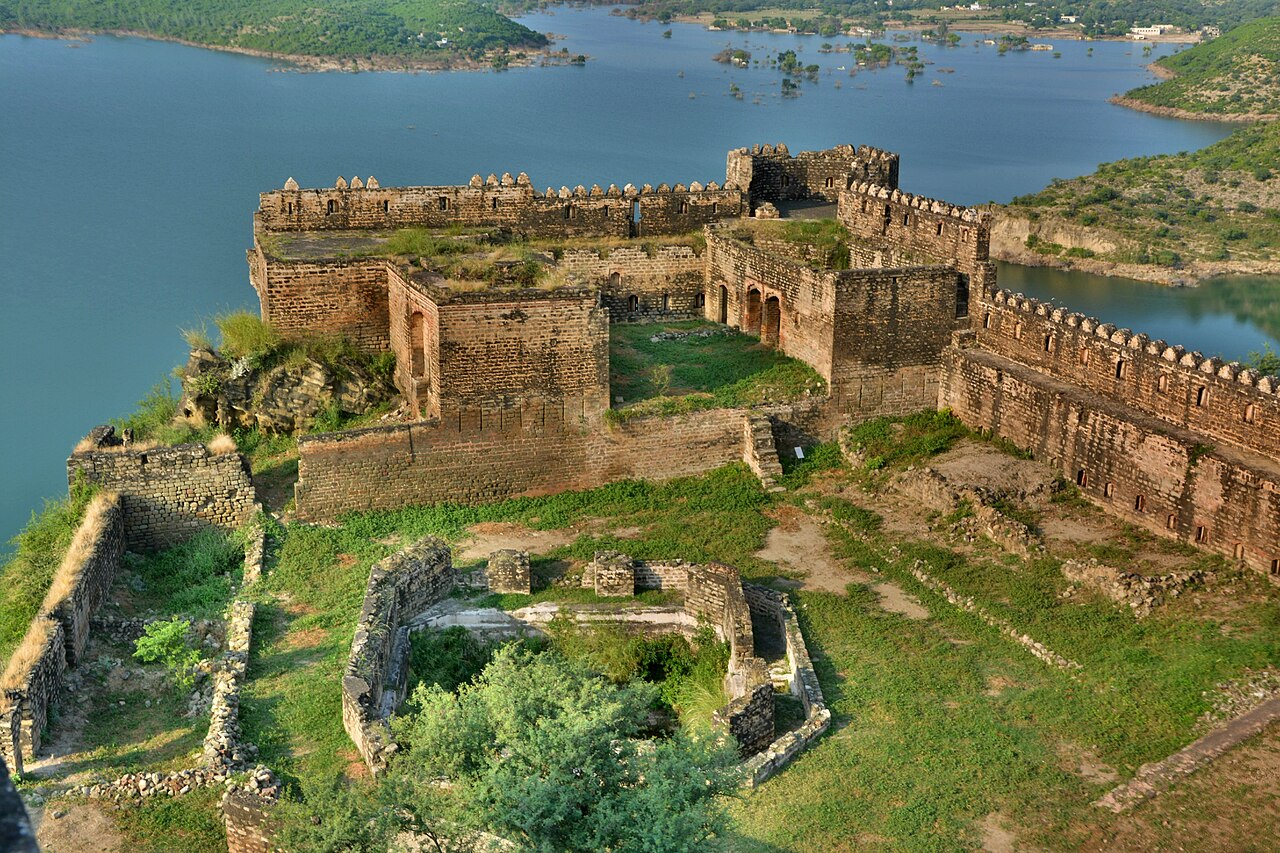
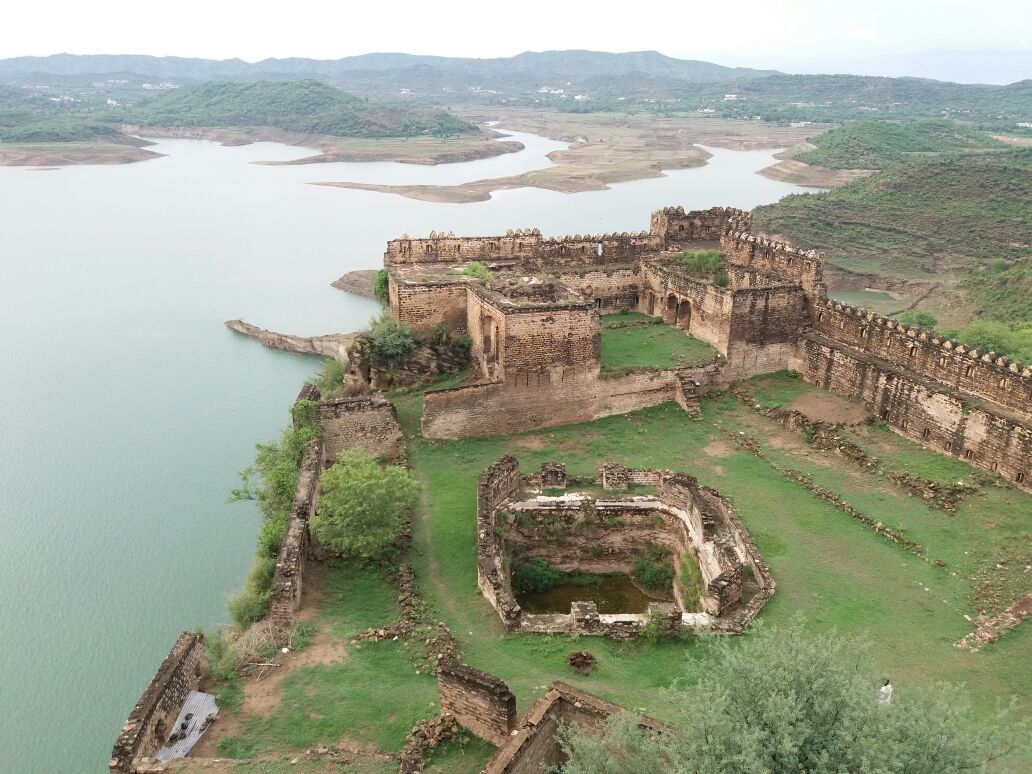
Sangni Fort is a 17th-century Mughal-era bastioned fortress situated near Takal village in the Kallar Syedan Tehsil of Rawalpindi District, Punjab, Pakistan. This fortress was constructed during the early 1600s, a period marked by the consolidation of Mughal power in the region. It served as a strategic military installation designed to control and defend the surrounding territory.
Historical context and significance
Built during the Mughal Empire's expansion in South Asia, Sangni Fort reflects the military architecture and strategic priorities of the time. The 17th century was a period of relative stability under Mughal rule, which allowed for the construction of such fortifications to secure important trade routes and oversee local governance. The fort's location near Takal village was likely chosen for its vantage point and ability to monitor movements in the surrounding plains and hills.
Architectural features and fortifications
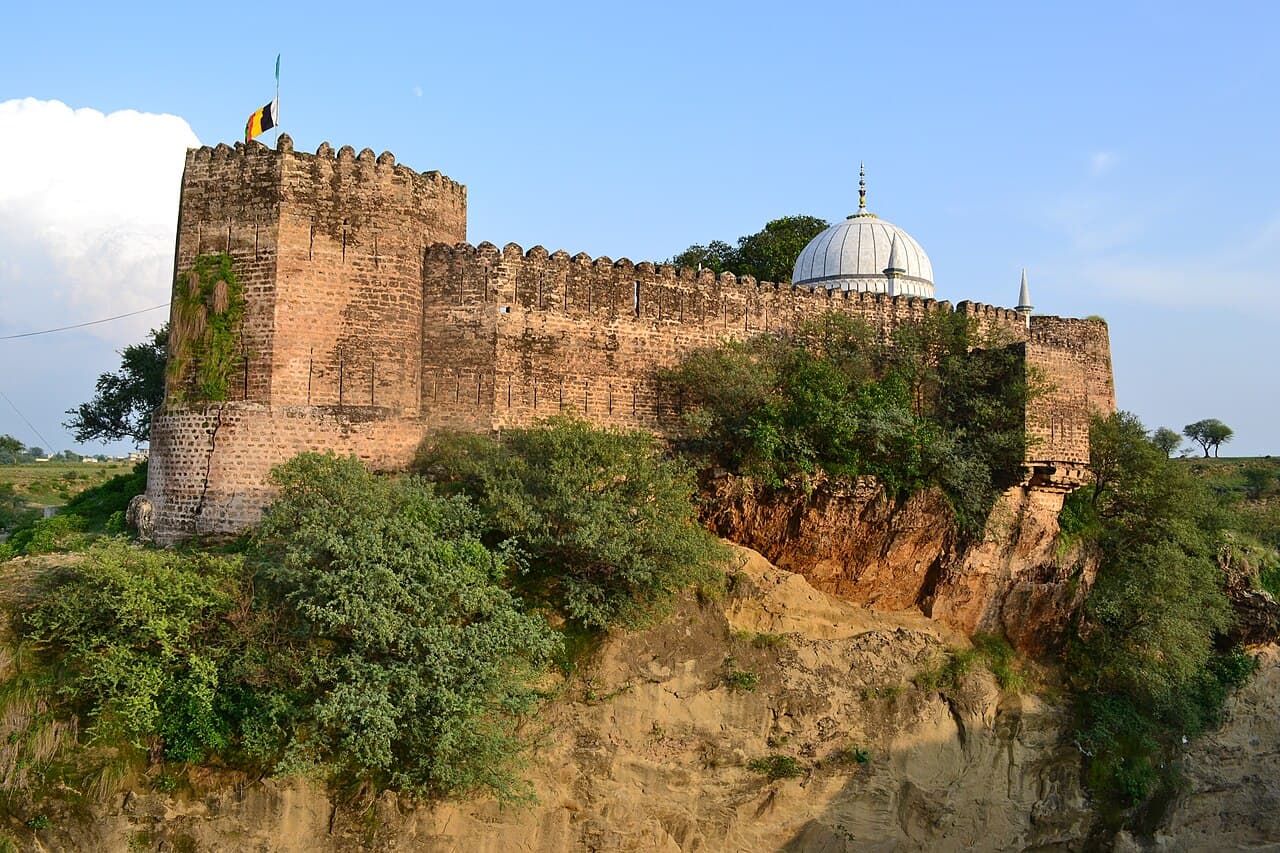
Sangni Fort is classified as a bastioned fortress, a style typical of the Mughal military architecture that incorporated angled bastions for improved defense against artillery attacks. The fort's walls are constructed from locally sourced stone and brick, forming a robust perimeter with several bastions projecting outward. These bastions allowed defenders to cover adjacent walls with crossfire, creating overlapping fields of defense.
The fortress includes a main gate designed for controlled access, with defensive features such as thick wooden doors reinforced with iron studs. Inside, the fort likely contained barracks, storage facilities, and water reservoirs to sustain a garrison during sieges. Although detailed records of the internal layout are limited, the design follows the typical Mughal military principles emphasizing both defense and functionality.
Defensive design elements
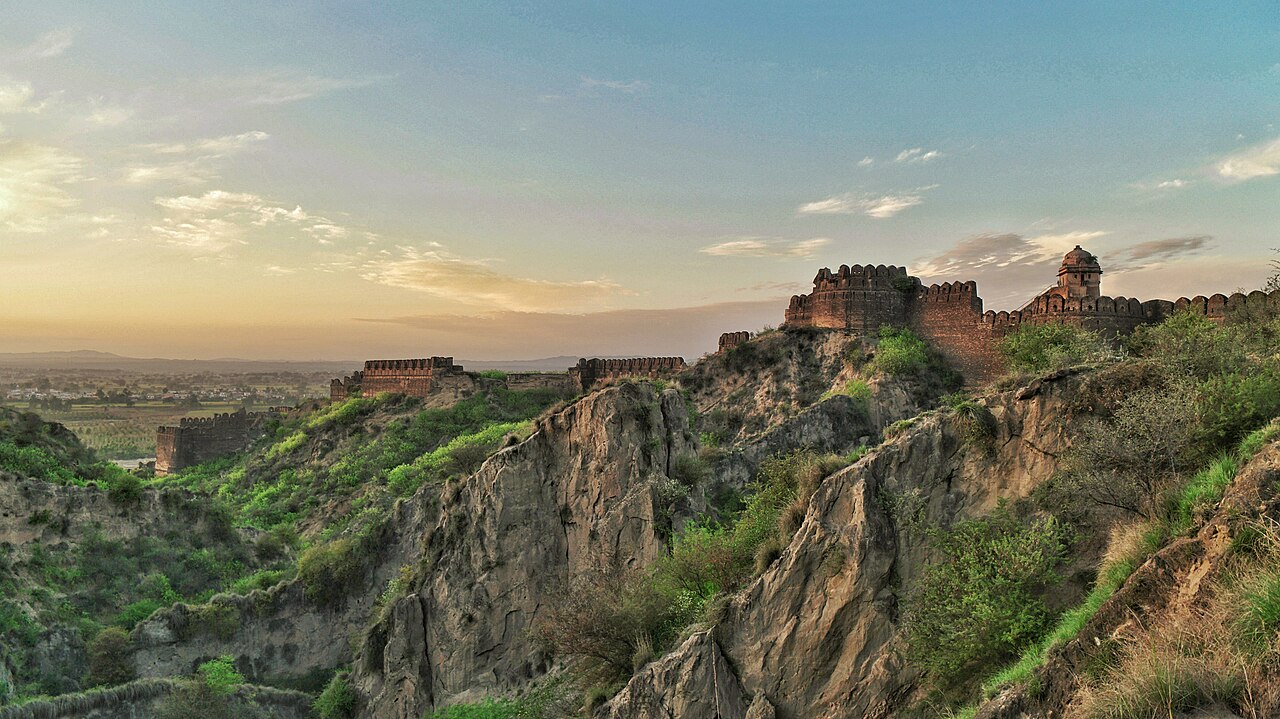
The fort's bastions are positioned to provide comprehensive coverage of the surrounding area, enabling defenders to repel attackers effectively. The walls are relatively thick to withstand cannon fire, reflecting the evolving nature of warfare during the Renaissance period when gunpowder weaponry became prevalent. Additionally, the fort's elevated position near the hills enhances its defensive capabilities by providing a commanding view of the approaches.
Cultural and regional importance
As a military installation, Sangni Fort played a role in maintaining Mughal authority in the Punjab region. It also served as a local administrative center, overseeing the nearby villages and trade routes. The fort stands today as a testament to the Mughal architectural and military ingenuity, offering insights into the defensive strategies employed during the 17th century in South Asia.
Current condition and preservation efforts
The fort remains partially preserved, with many of its walls and bastions still intact, although some sections have deteriorated due to natural weathering and lack of maintenance. Efforts to preserve and study Sangni Fort have been limited but are crucial for protecting this cultural heritage site. Visitors to the area can observe the fortress's imposing walls and bastions, which continue to reflect its original defensive purpose.
Visitor information and accessibility
Sangni Fort is accessible from the nearby Takal village and can be visited by those interested in Mughal military architecture and South Asian history. While there are no formal visitor facilities or guided tours currently available, the site offers a valuable opportunity for historians, archaeologists, and tourists to explore a relatively lesser-known fortress from the Mughal era.
Frequently asked questions (FAQ)
- What is the historical significance of Sangni Fort?
- Sangni Fort was built in the 17th century during the Mughal Empire to secure strategic trade routes and maintain regional control in Punjab, Pakistan.
- How is the architecture of Sangni Fort characterized?
- The fort features bastioned walls typical of Mughal military architecture, designed to withstand artillery and provide overlapping fields of defense.
- Can visitors access Sangni Fort?
- Yes, visitors can access Sangni Fort near Takal village; however, there are no formal visitor facilities or guided tours currently available.
- What is the current condition of Sangni Fort?
- The fort is partially preserved with many walls and bastions intact, though some areas have deteriorated due to weathering and limited maintenance.
- Why was Sangni Fort built near Takal village?
- Its location near Takal village was strategic for monitoring surrounding plains and hills, controlling trade routes, and defending the region during the Mughal period.
Photo gallery

Information
Loading map...
Visitor reviews
No reviews yet. Been here? Write the first review and help other travelers!
Write the first reviewVisited this castle? Share your experience
Your review helps other travelers and adds first-hand knowledge to our encyclopedia.