Sheikhupura Fort
Sheikhupura Fort is a prominent 17th-century Mughal-era bastioned fortress located near the city of Sheikhupura in the Punjab province of Pakistan. Constructed during the reign of the Mughal Emperor Shah Jahan, this fort stands as a significant example of Mughal military architecture and reflects the strategic importance of the region during the early modern period.
Historical background and construction
The fort was built in the early 1600s, specifically under the rule of Emperor Shah Jahan (r. 1628–1658), who is also famous for commissioning the Taj Mahal. Sheikhupura Fort was constructed as a defensive stronghold to protect the empire's interests in the Punjab region, which was a vital frontier area for the Mughals. The fort's location near Sheikhupura allowed control over important trade routes and served as a military garrison to secure the surrounding territory.
The fort's foundation and design reflect the typical Mughal emphasis on combining defensive functionality with aesthetic considerations, a hallmark of Shah Jahan's architectural projects.
Architectural features and design
Sheikhupura Fort is classified as a bastioned fortress, a style characterized by the presence of large, angular bastions projecting from the curtain walls to provide overlapping fields of fire against attackers. This design was common in Mughal military architecture, influenced by both indigenous and Central Asian fortification techniques.
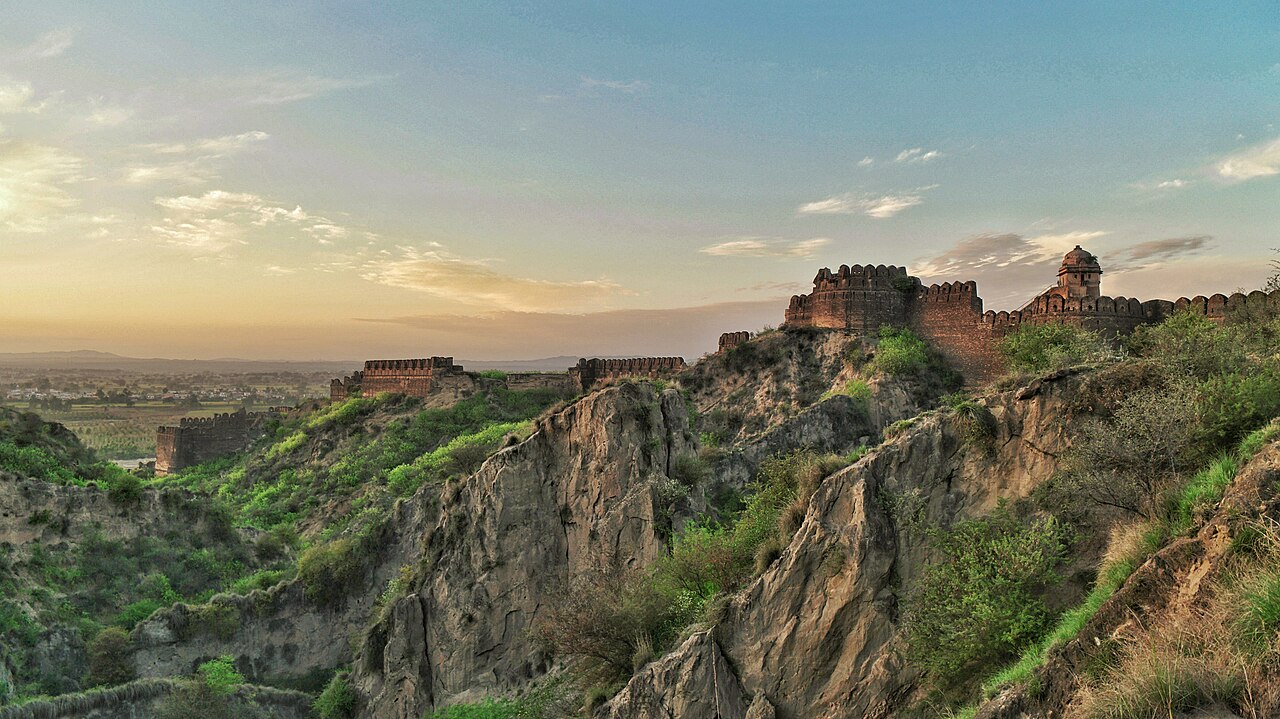
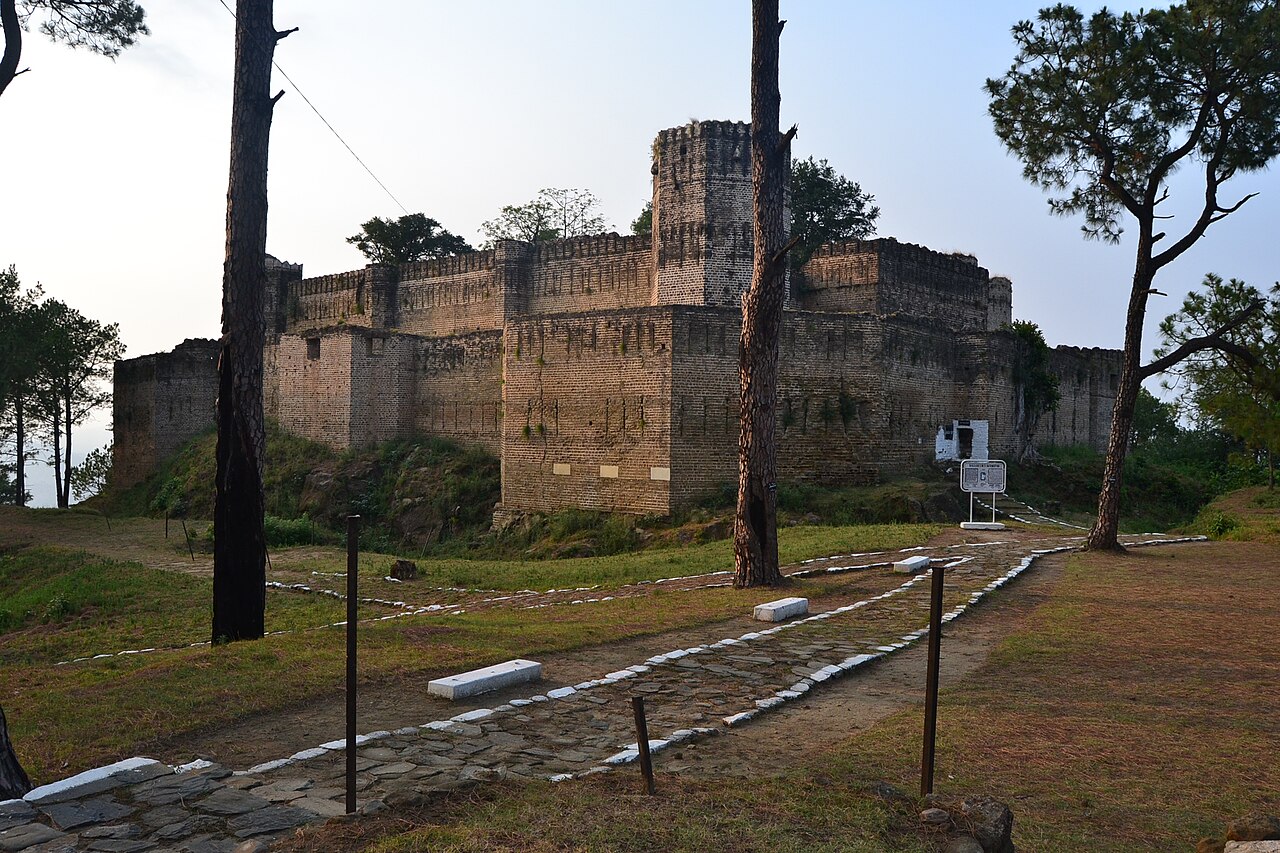
The fort is surrounded by thick, high walls constructed from brick and lime mortar, designed to withstand cannon fire and sieges. The bastions are positioned at the corners and along the walls to maximize defensive coverage. Inside, the fort originally contained residential quarters, administrative buildings, and storage facilities, arranged around a central courtyard.
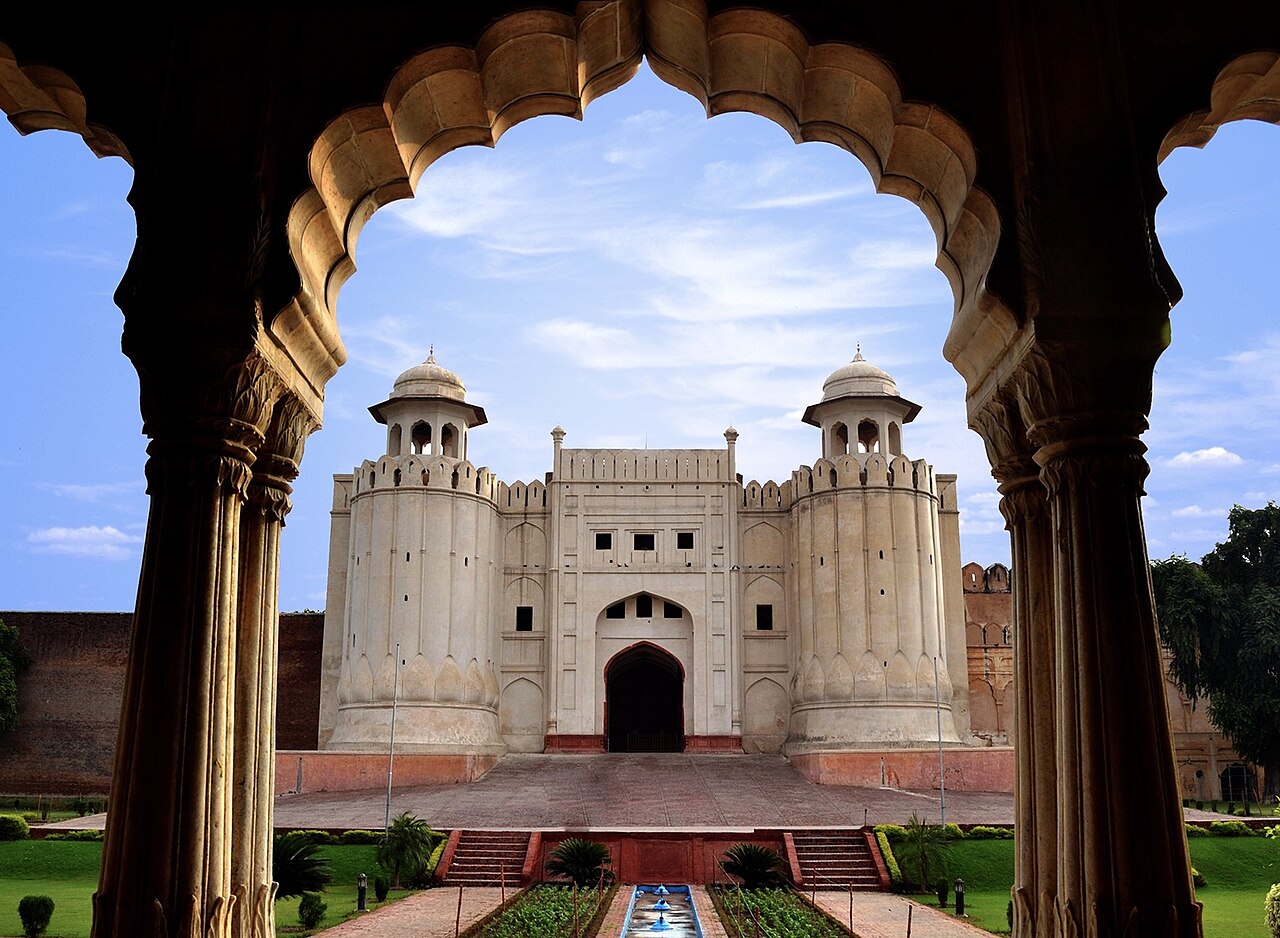
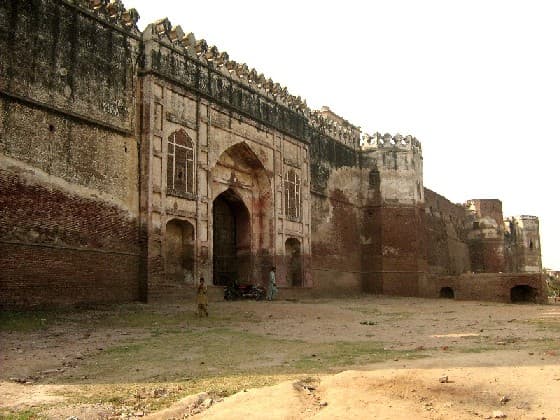
Architectural elements include intricately carved gateways, arched entrances, and ornamental features typical of Mughal style, such as decorative tile work and calligraphy. The fort's layout reflects a balance between military utility and the Mughal aesthetic of grandeur and symmetry.
Strategic importance and historical role
During the Mughal period, Sheikhupura Fort served as a key military outpost to safeguard the empire's northern territories against invasions and rebellions. It also functioned as a residence for Mughal officials and a center for local governance.
Over the centuries, the fort witnessed various conflicts and changes in control, including periods of decline following the weakening of Mughal authority in the region. Despite this, the fort remains an important cultural and historical landmark that illustrates the military and architectural prowess of the Mughal Empire.
Current condition and preservation efforts
Today, Sheikhupura Fort is partially preserved, with significant portions of its walls and bastions still standing. However, the fort has suffered from neglect and environmental damage over the years. Efforts have been made by local authorities and heritage organizations to restore and conserve the structure, aiming to preserve it as a symbol of Pakistan's rich Mughal heritage.
Visitors to the fort can explore its imposing walls, bastions, and gateways, gaining insight into the military architecture of the Mughal era and the historical significance of the Punjab region.
Architectural legacy and cultural significance
Sheikhupura Fort exemplifies the Mughal architectural style that blends robust military engineering with ornamental design. Its bastioned layout influenced subsequent fortifications in the region. The fort is a testament to the strategic vision of Shah Jahan and the artistic achievements of the Mughal Empire during the early modern period.
As a heritage site, Sheikhupura Fort attracts historians, architects, and tourists interested in South Asian history and Mughal architecture. It provides valuable insights into the defensive strategies and lifestyle of the Mughal elite in Punjab.
Frequently asked questions (FAQ)
- What is Sheikhupura Fort?
- Sheikhupura Fort is a historical fort located in Sheikhupura, Pakistan, built in the 16th century by the Mughal Emperor Jahangir. The fort serves as a significant example of Mughal architecture and reflects the grandeur of that era with its impressive walls and intricate designs.
- When was Sheikhupura Fort built?
- Sheikhupura Fort was constructed in 1607 during the reign of Mughal Emperor Jahangir. It was intended to serve as a hunting lodge and a military stronghold, making it a vital part of the region’s history.
- What are the opening hours of Sheikhupura Fort?
- Sheikhupura Fort is open to visitors daily from 8:00 AM to 6:00 PM. It is advisable to visit during the day to fully appreciate the architectural details and the surrounding landscape.
- Can I take photographs inside Sheikhupura Fort?
- Yes, visitors are allowed to take photographs inside Sheikhupura Fort. However, it is recommended to be respectful of the site and avoid using flash photography in sensitive areas.
- Is it possible to hire a guide at Sheikhupura Fort?
- Yes, hiring a local guide at Sheikhupura Fort is possible and highly recommended. A guide can provide valuable insights into the fort's history, architecture, and significance, enhancing your overall experience.
- What is the best time to visit Sheikhupura Fort?
- The best time to visit Sheikhupura Fort is during the cooler months, from October to March, when the weather is pleasant for sightseeing. Visiting during these months allows you to enjoy the fort's beauty without the discomfort of extreme heat.
- Are there any nearby attractions to Sheikhupura Fort?
- Yes, there are several nearby attractions, including the beautiful Hiran Minar and the expansive Sheikhupura Lake. These sites offer additional opportunities for exploration and photography in a picturesque setting.
- What are the ticket prices for Sheikhupura Fort?
- The ticket prices for Sheikhupura Fort are quite affordable, with a nominal fee for entry. This makes it accessible for both local and international visitors looking to explore the historical site.
- How do I get to Sheikhupura Fort?
- Sheikhupura Fort is easily accessible by road, located just a short drive from Lahore. Visitors can use personal vehicles, taxis, or ride-sharing services to reach the fort conveniently.
Photo gallery

Photo by Bhaur (talk)•Public domain
Information
Loading map...
Visitor reviews
No reviews yet. Been here? Write the first review and help other travelers!
Write the first reviewVisited this castle? Share your experience
Your review helps other travelers and adds first-hand knowledge to our encyclopedia.