Throchi Fort — Pakistan castle

Throchi Fort

Throchi Fort in Azad Jammu and Kashmir
Azad Jammu and Kashmir, Pakistan
Late Medieval (14th–15th c.)

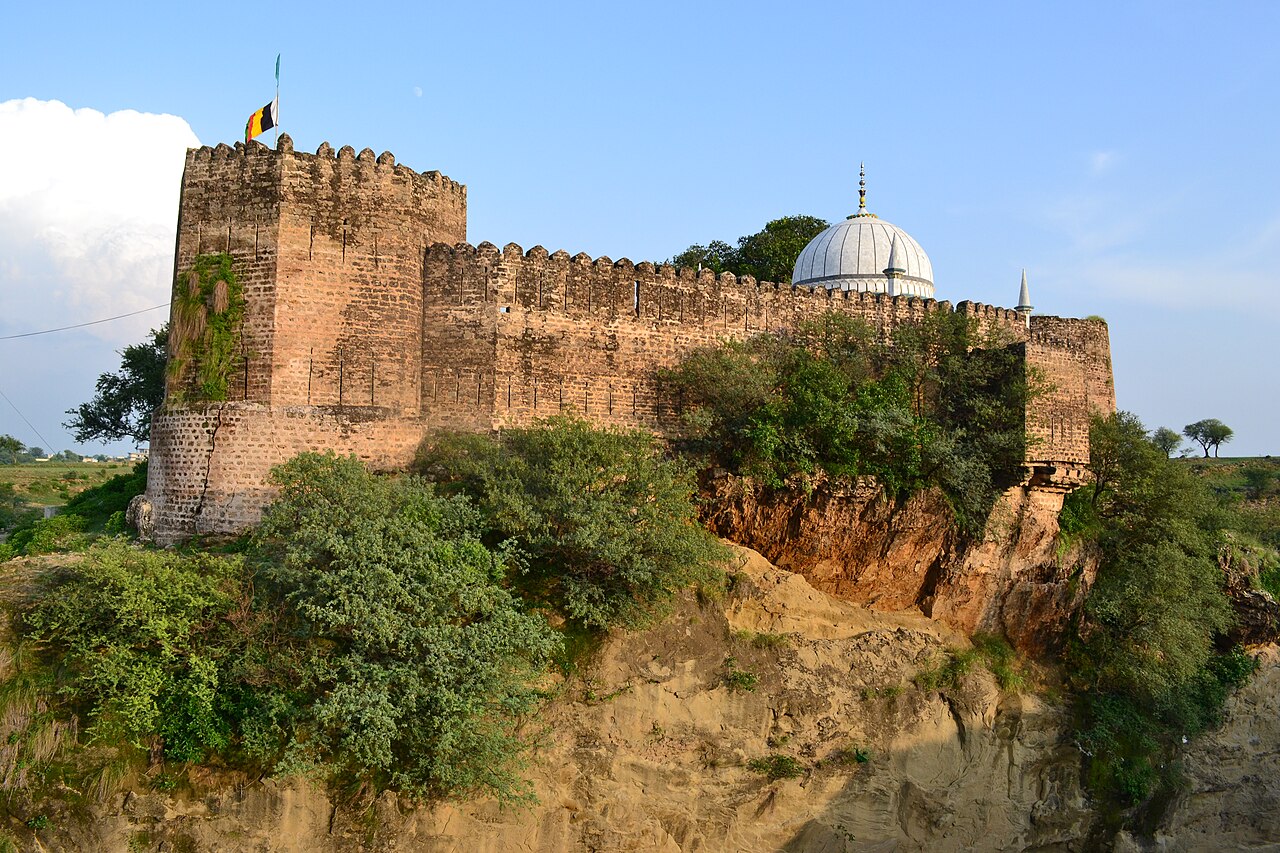
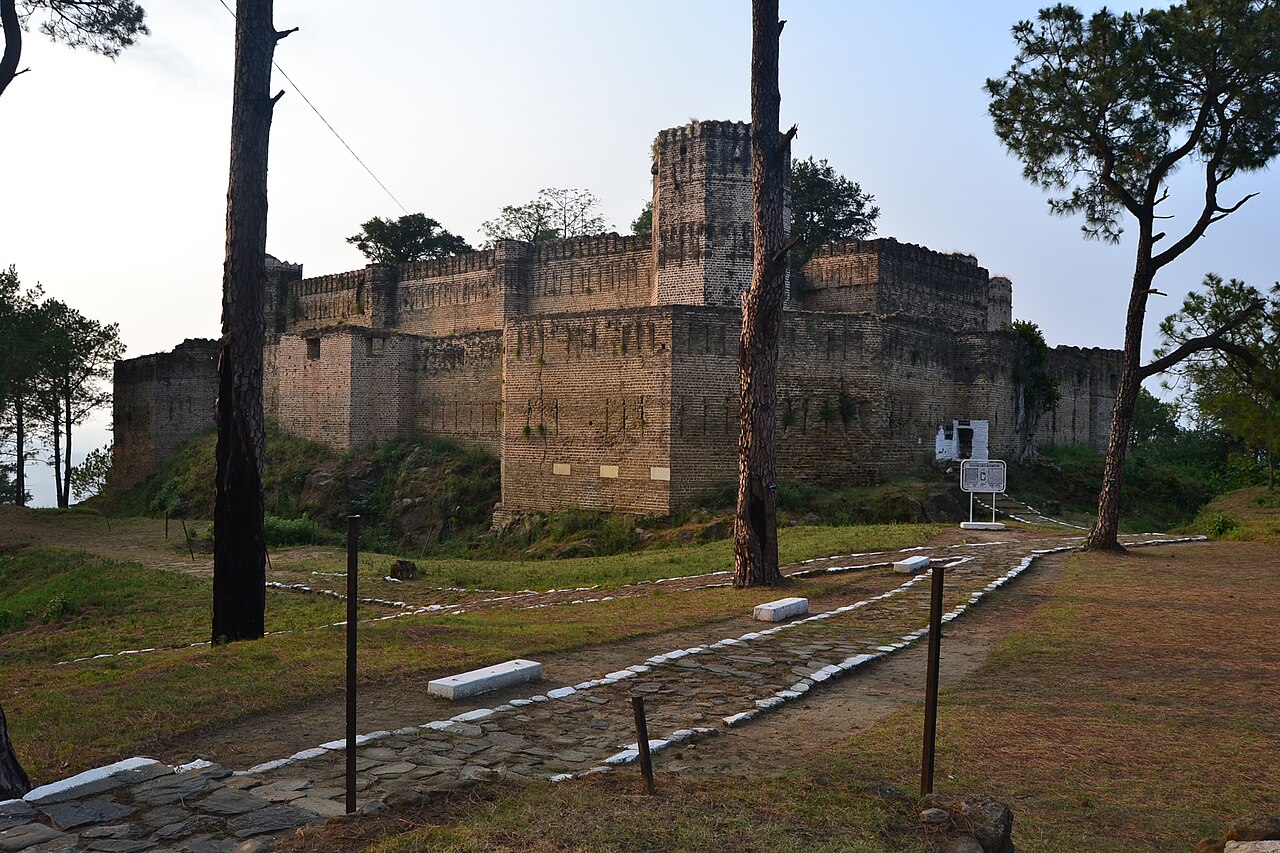
Throchi Fort (Urdu: تھروچی قلعہ) is a significant historical fortress located in Throchi village, within the Choroi Tehsil of Kotli district in Azad Jammu and Kashmir, Pakistan. This 15th-century bastioned fortress is perched on a prominent hilltop approximately 3 kilometres east of Gulpur village, commanding expansive views of the surrounding landscape. Its strategic location was chosen to oversee and control the nearby settlements and routes, reflecting its military importance during the late medieval period.

Historical context and significance

The construction of Throchi Fort in the 15th century places it within the late medieval period, a time characterized by frequent regional conflicts and the need for fortified structures to secure territories. The fort's design as a bastioned fortress indicates an architectural evolution responding to advances in siege warfare, including the use of artillery. This style typically features projecting bastions at the corners of the fortification walls, allowing defenders to cover adjacent walls with defensive fire, enhancing the fort's ability to withstand attacks.

Architectural features and layout

Throchi Fort is distinguished by its elevated position on a hill, which provides natural defensive advantages such as visibility over the surrounding area and difficulty of access for attackers. The fort's walls are reinforced with bastions, which are angular or rounded projections that extend beyond the main curtain walls. These bastions allowed defenders to mount cannons and other artillery, reflecting the military technology of the time.

The fort likely includes traditional elements such as a main gate designed to be defensible, battlements for archers or gunners, and internal courtyards for troop assembly and logistics. The exact internal layout is less documented but would have included living quarters, storage facilities, and possibly a keep or strong central tower serving as a last refuge during sieges.

Strategic location and surrounding geography

Situated near Gulpur village, the fort overlooks a landscape that was historically important for controlling local trade routes and communication lines. Its hilltop position not only provided military advantages but also served as a lookout point to monitor movements in the valley below. The surrounding terrain is rugged and hilly, typical of the region, which would have further complicated any assault on the fort.

Preservation and current status

Today, Throchi Fort remains a notable landmark in the region, though its current condition is not extensively documented. Given its age and historical significance, it likely exists in a state ranging from partially preserved to ruins. Efforts to maintain or restore the fort would help preserve this cultural heritage site and provide valuable insights into the military architecture of the late medieval period in this part of South Asia.

Visiting Throchi Fort

Visitors to the Kotli district interested in history and architecture may find Throchi Fort a compelling destination due to its commanding views and historical importance. The fort's location on a hilltop requires a moderate hike, rewarding visitors with panoramic vistas of the surrounding villages and hills. Exploring the fort offers a tangible connection to the region's past and the strategic military considerations of its builders.

Frequently asked questions (FAQ)

How do I get to Throchi Fort?
Throchi Fort is located near the town of Charsadda in Khyber Pakhtunkhwa, Pakistan. Visitors can reach the fort by taking a taxi or hiring a local guide from nearby cities. Public transportation options may also be available, but it's recommended to arrange for a private vehicle for convenience.
What is the historical significance of Throchi Fort?
Throchi Fort dates back to the 16th century and is an important historical site that showcases the region's rich heritage. It was built during the reign of the Mughal Empire and served as a strategic military outpost. The fort is a testament to the architectural prowess of its time and offers insights into the local history.
When was Throchi Fort constructed?
Throchi Fort was constructed in the late 16th century, during the height of the Mughal Empire in South Asia. Its strategic location made it significant for military defense and control over the surrounding areas. The fort's construction reflects the typical Mughal architectural style of that era.
Can I visit Throchi Fort year-round?
Yes, Throchi Fort is open to visitors throughout the year. However, the best time to visit is during the cooler months from October to March, when the weather is more pleasant for exploring. Be sure to check local conditions before planning your trip.
Why is Throchi Fort popular among tourists?
Throchi Fort attracts tourists due to its unique historical significance and impressive architecture. Visitors enjoy exploring the fort's ruins and learning about its role in the region's history. Additionally, the stunning views of the surrounding landscape make it a picturesque destination.
Is it possible to get a guided tour of Throchi Fort?
Yes, guided tours of Throchi Fort are available and highly recommended for a more in-depth understanding of its history and architecture. Local guides can provide valuable insights and stories that enhance the visitor experience. It’s advisable to arrange for a guide in advance.
What are the ticket prices for visiting Throchi Fort?
The entrance fee to Throchi Fort is quite affordable, making it accessible for most visitors. Tickets are typically sold on-site, and the prices may vary slightly depending on the season. Always check for any additional fees for guided tours or photography.
What are the opening hours for Throchi Fort?
Throchi Fort usually opens its gates to visitors from 9 AM to 5 PM daily. However, it's a good idea to confirm the opening hours before your visit, as they may vary due to local holidays or events. Arriving early allows you to enjoy the site with fewer crowds.
Are there any nearby attractions to Throchi Fort?
Yes, there are several nearby attractions worth visiting, including the ruins of the ancient city of Pushkalavati and the historic town of Charsadda. These sites offer additional insight into the region's rich history and culture. Combining your visit to Throchi Fort with these nearby attractions can make for a fulfilling day trip.

Photo gallery

Throchi Fort
Click to view

Photo by Earth790•CC BY-SA 4.0

1 photo • Click any image to view in full screen

Information

Bastioned Fortress

Loading map...

Visitor reviews

No reviews yet. Been here? Write the first review and help other travelers!

Write the first review

Visited this castle? Share your experience

Your review helps other travelers and adds first-hand knowledge to our encyclopedia.
Write a review

(5/5)

0/2000 characters

Your review will be visible after admin approval

Nearby castles

31.6 km
Ramkot Fort — Pakistan castle

Ramkot Fort

Mirpur, Pakistan

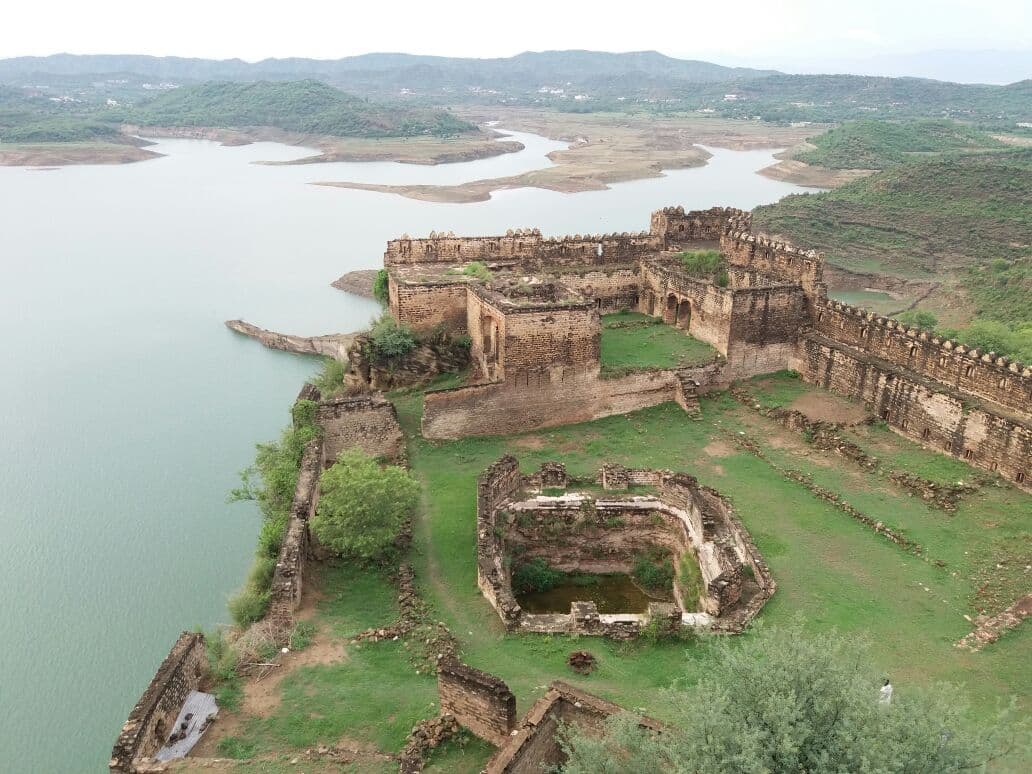
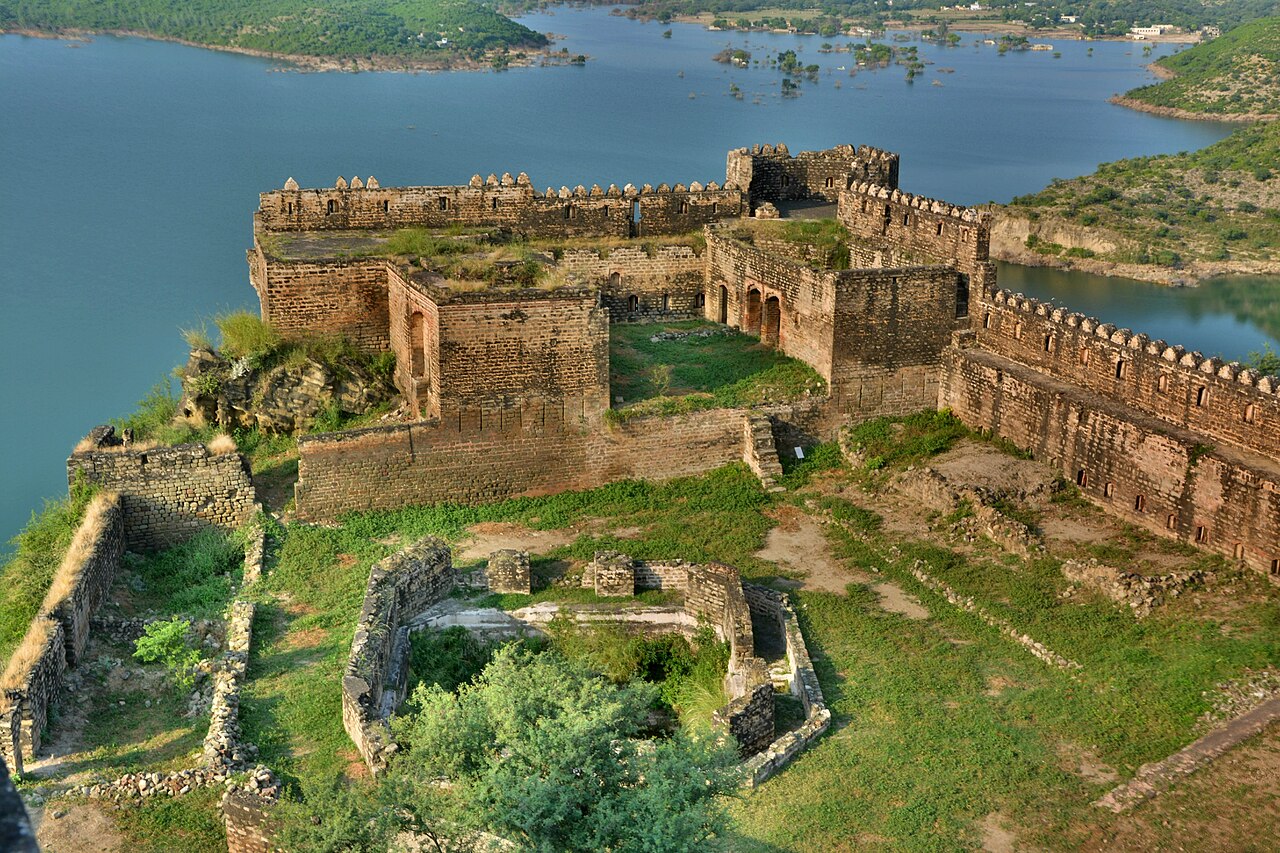
Ramkot Fort (Urdu: قلعہ رام کوٹ, romanized: Qila Ram Kot) is a prominent medieval bastioned fortress located near Mirpur in Azad Kashmir, Pakistan. Perched atop a steep rocky hill, the fort commands a strategic vantage point overlooking the Mangla Dam and the surrounding landscape. This elevated position provided significant defensive advantages, making Ramkot Fort a key military stronghold in the region during its time. Historical background and construction The origins of Ramkot Fort date back to the early medieval period, with construction believed to have begun around the 5th century. The fort's establishment was likely motivated by the need to control vital trade routes and protect the local population from invasions. Its location near the confluence of the Jhelum River and the hilly terrain made it an ideal defensive site. Throughout its history, the fort has witnessed various rulers and dynasties, including local chieftains and regional powers who sought to maintain control over this strategic area. The fort's architecture reflects adaptations made over centuries to improve its defensive capabilities, including the addition of bastions and fortified walls. Architectural features and defensive design The bastioned fortress layout Ramkot Fort is classified as a bastioned fortress, a style characterized by projecting bastions at the corners and along the walls to allow defensive fire in multiple directions. This design was crucial for repelling attackers and minimizing blind spots around the fort's perimeter. Main gate and access routes The fort is accessible via three main routes originating from the towns of Dina, Dadyal, and Mirpur. Visitors must ascend approximately 440 stone stairs carved into the hillside to reach the main gate. The gate itself is built on a sloped rock foundation, enhancing its defensive strength by making direct assaults more difficult. Walls, bastions, and internal structures The fort’s walls are constructed from local stone and exhibit thick, robust masonry designed to withstand sieges and artillery attacks. The bastions protrude outward, allowing defenders to cover the curtain walls with crossfire. Inside the fort, remnants of barracks, , and watchtowers suggest a well-organized military installation. Geographical significance and surroundings Situated in the Mirpur District, Ramkot Fort overlooks the Jhelum River valley and the vast reservoir created by the Mangla Dam. The fort’s hilltop position provided not only military advantages but also control over riverine trade and communication routes in the region. The surrounding terrain is rugged and hilly, which historically limited access and provided natural protection against invading forces. The fort's commanding views allowed early warning of approaching enemies and facilitated communication with nearby settlements. Current condition and accessibility Today, Ramkot Fort is in a partially preserved state, with significant portions of its walls and bastions still standing. While some areas have deteriorated due to natural weathering and lack of extensive restoration, the fort remains an important cultural and historical landmark. Visitors can explore the site via the established stairways, experiencing the fort's defensive architecture firsthand. Its location and structure attract tourists interested in medieval military architecture and the history of Azad Kashmir. Ramkot Fort in cultural heritage The fort holds a place in the local heritage as a symbol of resilience and strategic importance. It represents the military ingenuity of early medieval builders in the region and offers insights into the historical conflicts and governance of Azad Kashmir. Efforts to preserve and promote Ramkot Fort contribute to the understanding of Pakistan's diverse historical landscape and architectural traditions.

Early Medieval (5th–10th c.)
Details
40.1 km
Sangni Fort — Pakistan castle

Sangni Fort

, Pakistan

Sangni Fort is a 17th-century Mughal-era bastioned fortress situated near Takal village in the Kallar Syedan Tehsil of Rawalpindi District, Punjab, Pakistan. This fortress was constructed during the early 1600s, a period marked by the consolidation of Mughal power in the region. It served as a strategic military installation designed to control and defend the surrounding territory. Historical context and significance Built during the Mughal Empire's expansion in South Asia, Sangni Fort reflects the military architecture and strategic priorities of the time. The 17th century was a period of relative stability under Mughal rule, which allowed for the construction of such fortifications to secure important trade routes and oversee local governance. The fort's location near Takal village was likely chosen for its vantage point and ability to monitor movements in the surrounding plains and hills. Architectural features and fortifications Sangni Fort is classified as a bastioned fortress, a style typical of the Mughal military architecture that incorporated angled bastions for improved defense against artillery attacks. The fort's walls are constructed from locally sourced stone and brick, forming a robust perimeter with several bastions projecting outward. These bastions allowed defenders to cover adjacent walls with crossfire, creating overlapping fields of defense. The fortress includes a main gate designed for controlled access, with defensive features such as thick wooden doors reinforced with iron studs. Inside, the fort likely contained barracks, storage facilities, and water reservoirs to sustain a garrison during sieges. Although detailed records of the internal layout are limited, the design follows the typical Mughal military principles emphasizing both defense and functionality. Defensive design elements The fort's bastions are positioned to provide comprehensive coverage of the surrounding area, enabling defenders to repel attackers effectively. The walls are relatively thick to withstand cannon fire, reflecting the evolving nature of warfare during the Renaissance period when gunpowder weaponry became prevalent. Additionally, the fort's elevated position near the hills enhances its defensive capabilities by providing a commanding view of the approaches. Cultural and regional importance As a military installation, Sangni Fort played a role in maintaining Mughal authority in the Punjab region. It also served as a local administrative center, overseeing the nearby villages and trade routes. The fort stands today as a testament to the Mughal architectural and military ingenuity, offering insights into the defensive strategies employed during the 17th century in South Asia. Current condition and preservation efforts The fort remains partially preserved, with many of its walls and bastions still intact, although some sections have deteriorated due to natural weathering and lack of maintenance. Efforts to preserve and study Sangni Fort have been limited but are crucial for protecting this cultural heritage site. Visitors to the area can observe the fortress's imposing walls and bastions, which continue to reflect its original defensive purpose. Visitor information and accessibility Sangni Fort is accessible from the nearby Takal village and can be visited by those interested in Mughal military architecture and South Asian history. While there are no formal visitor facilities or guided tours currently available, the site offers a valuable opportunity for historians, archaeologists, and tourists to explore a relatively lesser-known fortress from the Mughal era.

Renaissance (15th–17th c.)
Details
53 km
Baghsar Fort — Pakistan castle

Baghsar Fort

Bhimber, Pakistan

Baghsar Fort is a historic bastioned fortress located in the Samahni Valley near Bhimber in Pakistan. This ancient fortification holds significant strategic and historical importance due to its proximity to the line of control between Pakistan and India. The fort is situated close to the area known as Baghsar, from which it derives its name. Historical context and construction The fort was constructed during the Mughal period, a time when the Mughal Empire was expanding and consolidating its territories across the Indian subcontinent. The Mughal rulers built Baghsar Fort as a military stronghold to protect their northern frontiers and to control the surrounding valleys and trade routes. Its construction reflects the military architectural practices of the Mughal era, emphasizing defense and strategic advantage. Architectural features and design Baghsar Fort is classified as a bastioned fortress, a style characterized by angular bastions projecting from the curtain walls, allowing defenders to cover adjacent walls with gunfire. The fort's design includes robust stone walls and strategically placed bastions that provided vantage points for surveillance and defense. The fortress layout was intended to withstand sieges and attacks, with thick walls and limited entry points to control access. The location of Baghsar Fort on elevated terrain in the Samahni Valley enhances its defensive capabilities, offering extensive views of the surrounding landscape. This positioning was crucial for early warning against invading forces and controlling movement through the valley. Current condition and accessibility Today, Baghsar Fort remains a significant historical site, although parts of it are currently closed to visitors due to its proximity to the sensitive line of control between Pakistan and India. The fort's condition varies, with some sections well-preserved while others show signs of wear and partial ruin. Preservation efforts are challenged by the geopolitical situation and limited access. Cultural and strategic significance Baghsar Fort represents an important example of Mughal military architecture in the northern region of Pakistan. Its presence highlights the strategic importance of the Samahni Valley historically as a corridor between different regions. The fort also serves as a cultural landmark, reflecting the history and heritage of the Mughal period in this border area. Despite restricted access, Baghsar Fort continues to attract interest from historians, archaeologists, and visitors intrigued by its military design and regional history. It stands as a testament to the enduring legacy of Mughal fortifications in South Asia.

Post-Renaissance (17th–18th c.)
Details