
India
Historical background and medieval period
India's rich heritage of castles and fortifications reflects its diverse history of kingdoms, empires, and regional powers. From ancient times through the medieval period, fortifications were crucial for defense, administration, and asserting dominance over territories. The medieval era, spanning roughly from the 8th to the 18th century, saw a significant evolution in the construction of forts and castles, driven by the rise of powerful dynasties such as the Rajputs, Mughals, and Deccan sultanates.
Medieval Indian fortifications served multiple purposes beyond military defense. They were centers of governance, symbols of royal prestige, and hubs of economic activity. During this period, strategic locations were selected to build forts—often on hilltops or near rivers—to maximize defensive advantages. The historical narratives of many Indian castles are intertwined with tales of valiant battles, architectural ingenuity, and the cultural syncretism that shaped the subcontinent.
Continue reading below — scroll for the full article.
Castles in India
Discover 139 magnificent castles across the country
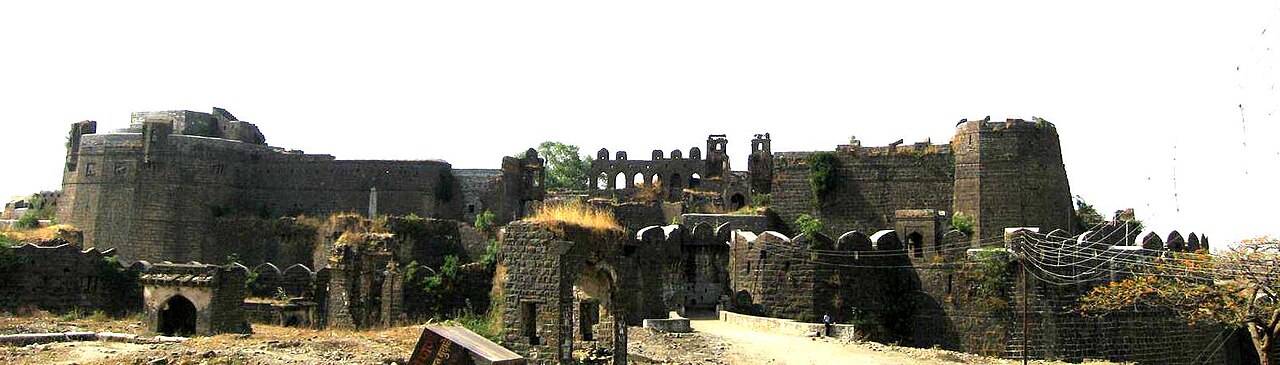
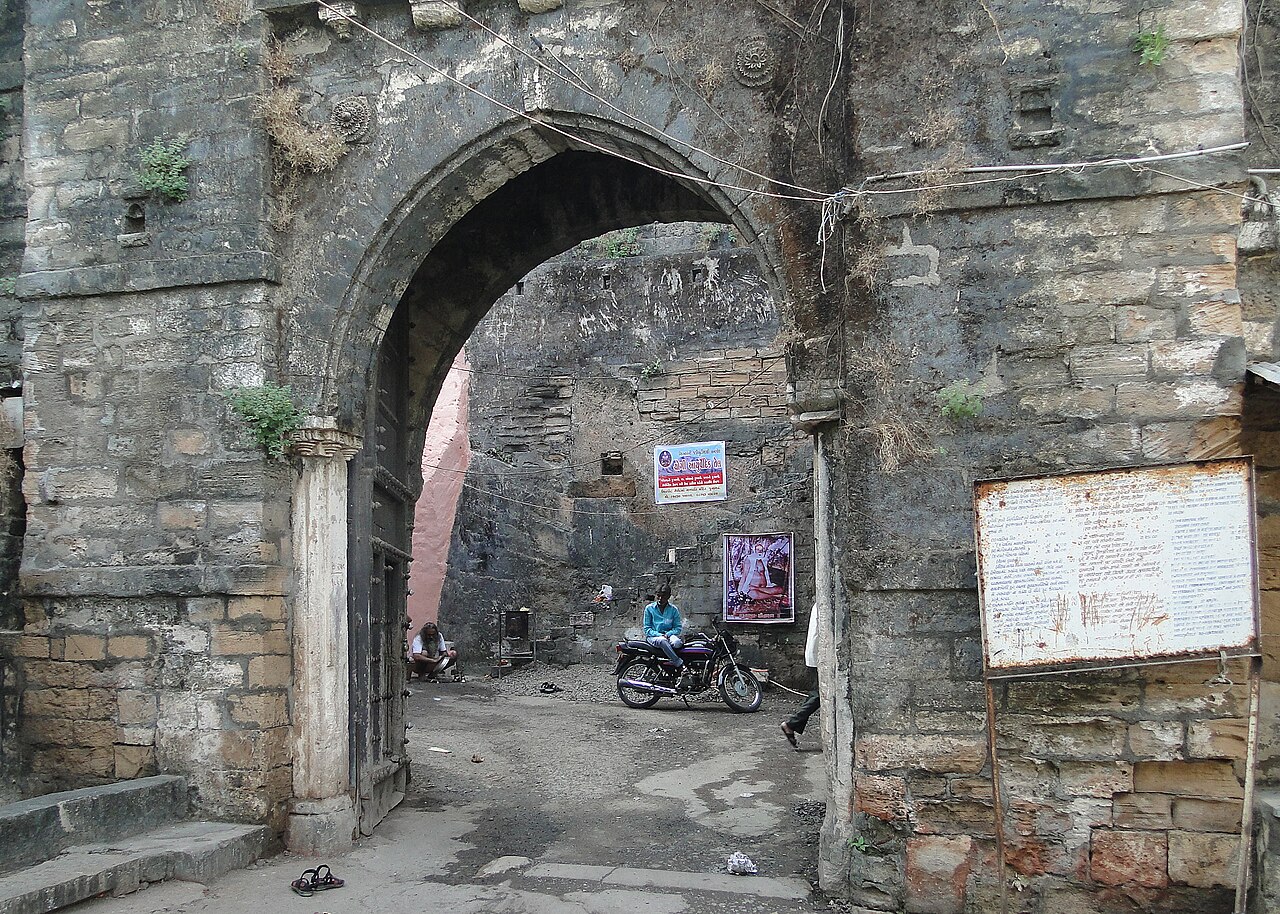
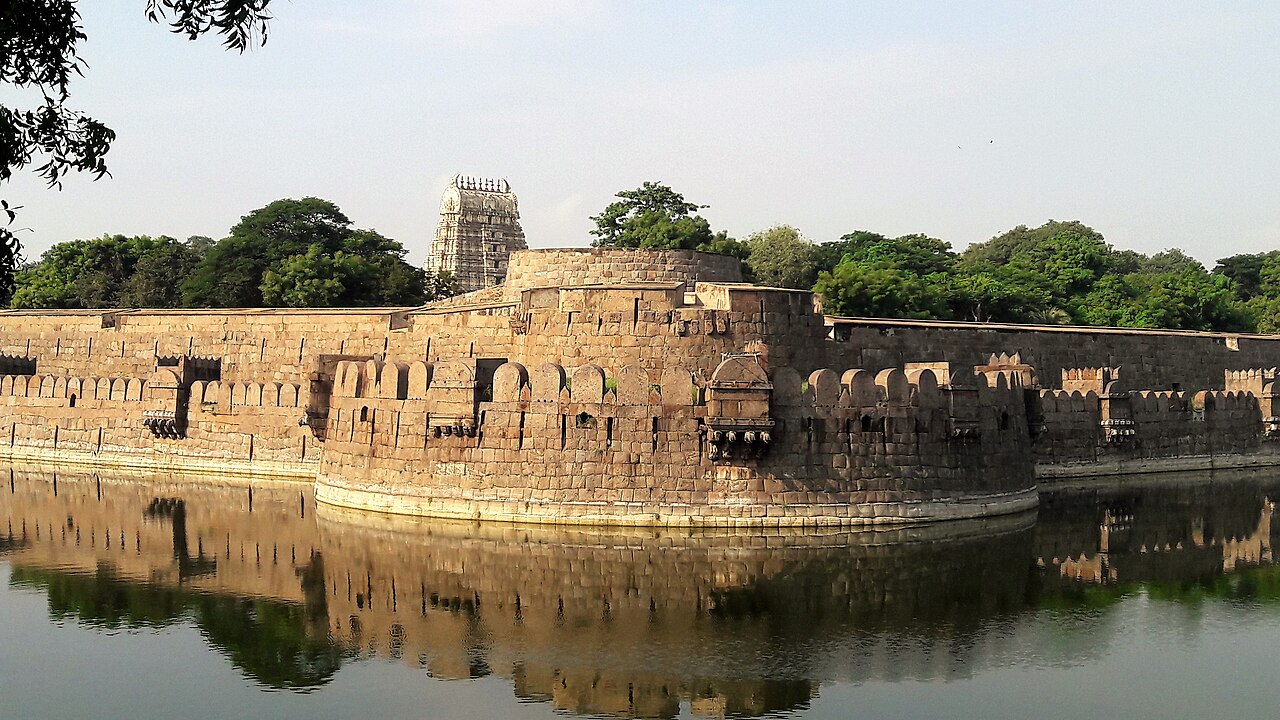
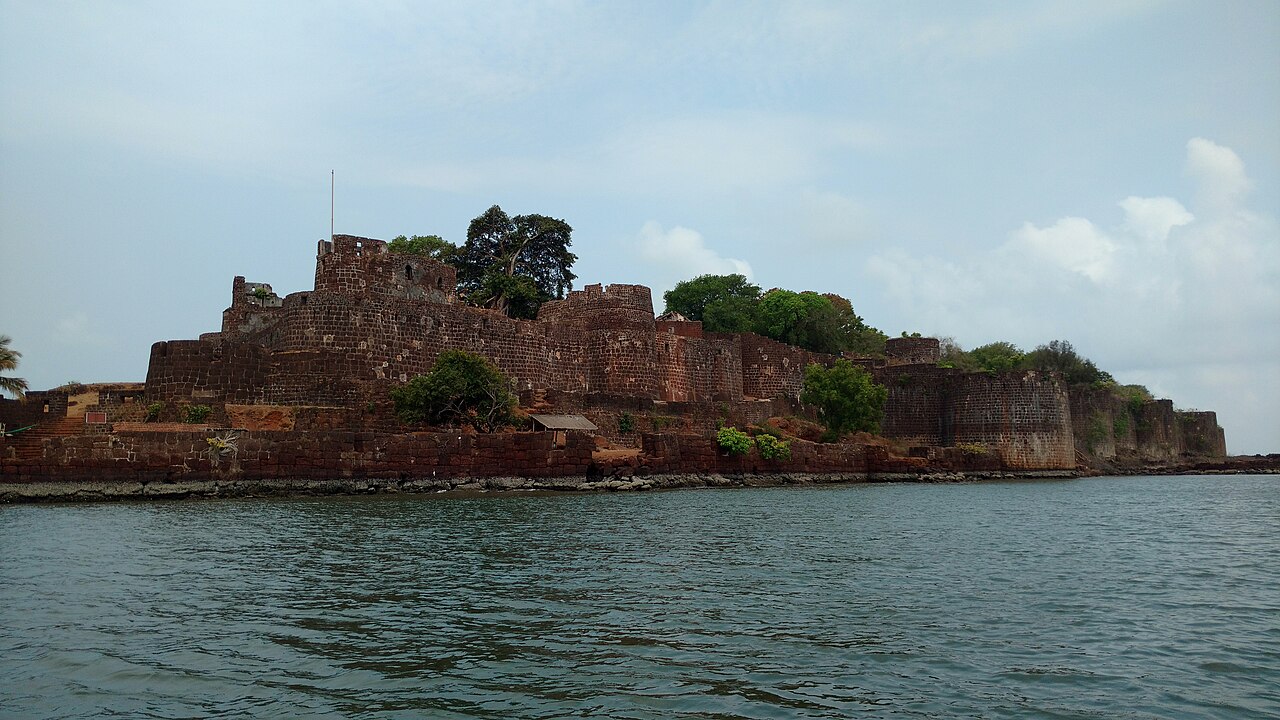
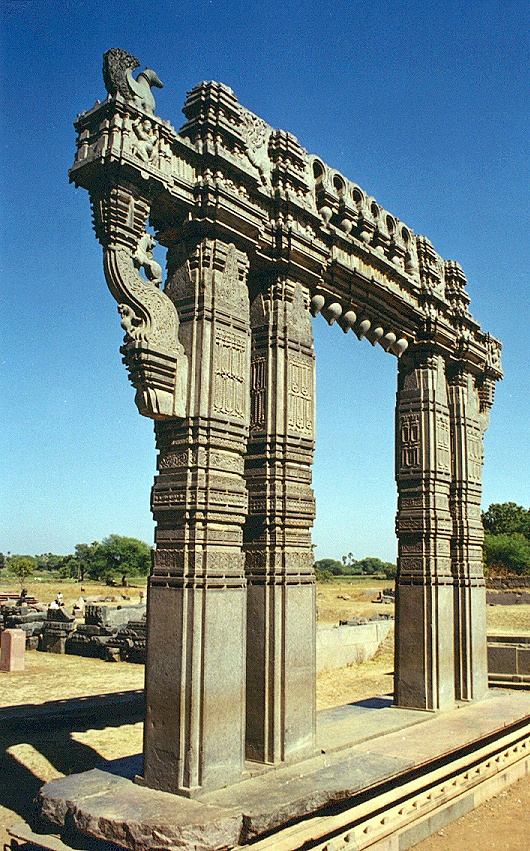
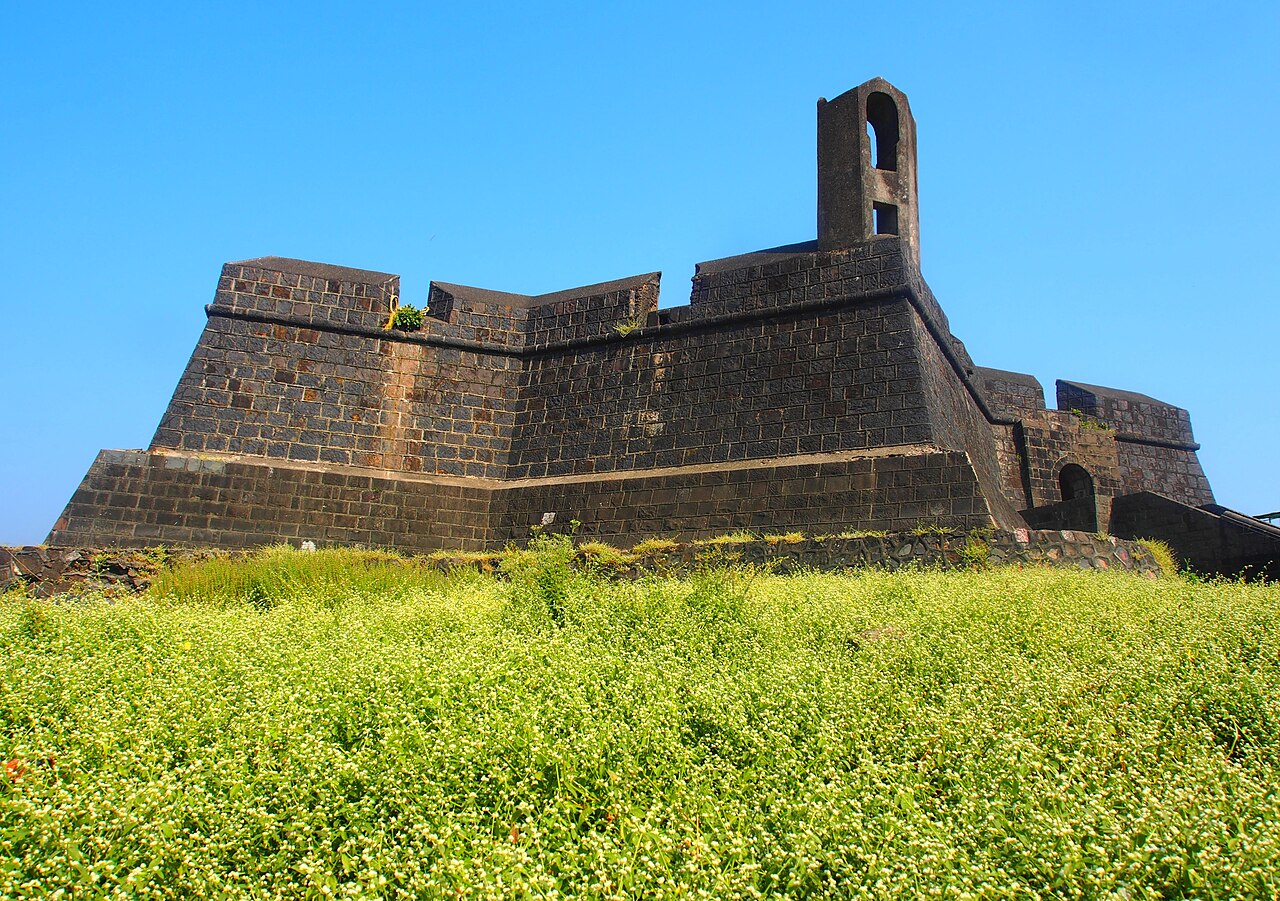
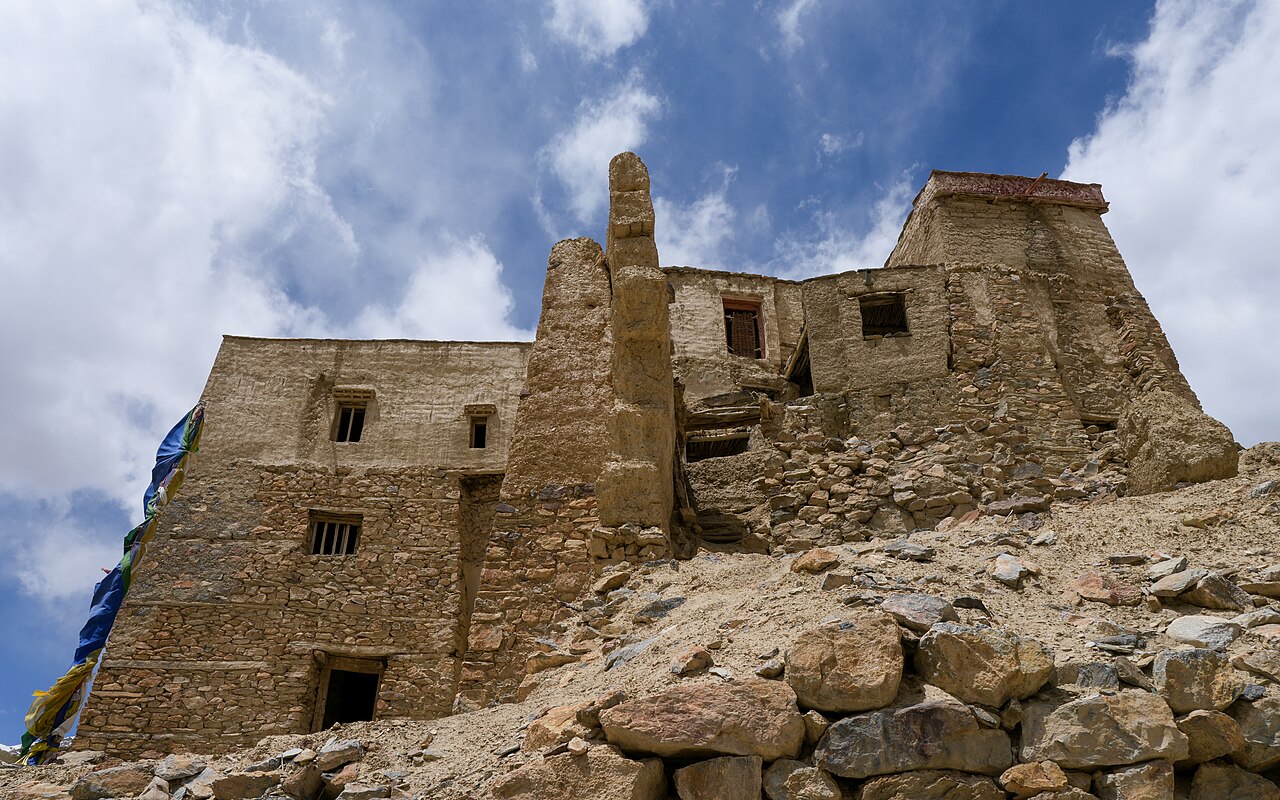
Types of fortifications in India
India's fortifications vary widely, including castles, forts, defensive walls, and fortified cities. The terms "castle" and "fort" are often used interchangeably, but Indian fortifications generally exhibit a broader range of structures adapted to local geography and military needs.
Hill forts
Hill forts were among the most common types, leveraging natural topography for defense. Examples include the formidable Chittorgarh Fort in Rajasthan, which sits atop a hill and showcases extensive ramparts and multiple gates designed to thwart invaders. These forts often had complex water management systems and internal palaces.
Plateau and desert forts
In arid regions, forts like the Jaisalmer Fort were constructed using sandstone to blend with the desert landscape. These forts functioned both as military strongholds and vibrant urban centers, with markets and residential areas inside fortified walls.
Fortified cities and citadels
Some fortifications protected entire cities, such as the Red Fort in Delhi, which served as the Mughal capital's fortified center. These structures combined palatial architecture with military features like high walls, bastions, and moats.
Architectural styles and influences
Indian castle and fort architecture exhibits a blend of indigenous and external influences, reflecting the subcontinent’s dynamic history. Key architectural elements include thick defensive walls, bastions, battlements, and intricately carved gateways.
Rajput architecture
The Rajput style is characterized by massive stone walls, ornate balconies, and intricate latticework. The Amber Fort
Mughal architecture
Mughal fortifications integrated Persian and Timurid architectural elements, emphasizing grand gateways, symmetrical layouts, and ornamental gardens. The Red Fort in Delhi is a prime example, showcasing red sandstone walls, elegant pavilions, and water features within its defenses.
Deccan and southern styles
In southern India, forts like Golconda demonstrate the use of innovative acoustic systems and water reservoirs. These forts often have rounded bastions and a mix of Hindu and Islamic architectural details, reflecting the region's cultural diversity.
Regional variations in castle heritage
India’s vast geography and cultural diversity have produced distinct regional variations in fort construction and design. Each region adapted fortifications to its climate, terrain, and local building materials.
Rajasthan and the northwest
Rajasthan is renowned for its desert forts, built primarily from sandstone with high battlements and multiple gates. The forts of Chittorgarh, Jaisalmer, and Kumbhalgarh exemplify the martial culture of Rajputana, emphasizing strong defense and imposing silhouettes against the arid landscape.
Northern plains
The Gangetic plains feature forts with extensive use of brick and stone, often incorporating Mughal aesthetics. The Red Fort and Agra Fort reflect the grandeur and strategic importance of northern India during the Mughal era, with elaborate palaces and fortified walls.
Deccan plateau
The Deccan region’s forts, such as Golconda and Bidar, combine military ingenuity with Islamic architectural influences. These forts often include massive gateways, water cisterns, and layered defenses adapted to the plateau's rugged terrain.
Southern india
Southern forts, including those built by the Vijayanagara Empire, are characterized by massive stone walls, intricate sculptures, and extensive fortifications surrounding large urban centers. The fortifications in this region display a blend of religious and military architecture.
Notable periods of castle construction
Several key historical periods influenced the proliferation and style of castle construction in India. Early medieval periods saw the rise of regional kingdoms, each developing their defensive architectures to suit local threats and ambitions.
Early and classical medieval period
During the early medieval centuries, forts were primarily built by Rajput clans and other regional powers to protect their territories. This era laid the foundations for many hill forts and citadels used in later periods.
Mughal period
The Mughal era was notable for integrating Persian and Central Asian influences into Indian fort architecture. The construction of the Red Fort and Agra Fort during the 16th and 17th centuries marked a peak in the sophistication of fort design, combining defensive strength with imperial grandeur.
Deccan sultanates and later empires
The Deccan Sultanates and later Maratha rulers contributed significantly to fort architecture by enhancing existing structures and building new forts with innovations in artillery defenses. Forts like Raigad became centers of Maratha power, showcasing adaptations to changing warfare technologies.
Preservation and current state of india’s fortifications
Many of India’s historic castles and forts have survived centuries of conflict and environmental wear. However, preservation challenges remain due to urbanization, weathering, and insufficient conservation efforts in some areas.
Key monuments like the Red Fort, Amber Fort, and Jaisalmer Fort are protected by government agencies and are recognized as UNESCO World Heritage sites or national monuments. Restoration work has focused on structural stabilization, cleaning, and visitor management to maintain these sites for future generations.
Despite these efforts, numerous lesser-known forts face neglect, with crumbling walls and overgrown surroundings. Increased awareness and community involvement are critical for better preservation of India’s extensive fort heritage.
Castle tourism and accessibility in India
India’s forts remain popular tourist destinations, attracting millions annually. Many castles have been adapted for tourism, featuring guided tours, light and sound shows, and cultural performances to showcase their history and architecture.
Forts like the Amber Fort near Jaipur and the Red Fort in Delhi are easily accessible and provide rich educational experiences. The Jaisalmer Fort is unique as a living fort, with residents inhabiting its precincts, offering visitors a glimpse of continuing cultural traditions within a historical setting.
Improved infrastructure, including roads, signage, and visitor facilities, has enhanced accessibility. However, some remote hill forts require trekking or off-road travel, appealing to adventure tourists and heritage enthusiasts seeking less commercialized experiences.
Cultural significance and heritage
India’s castles and fortifications are much more than military relics; they are cultural symbols embodying the stories, values, and identities of past societies. These structures continue to inspire literature, art, and folklore, reinforcing regional pride and historical awareness.
Forts have played roles in festivals, rituals, and community gatherings, linking contemporary life with historical legacy. Their walls recount tales of heroism, romance, and resilience, contributing to India’s intangible cultural heritage.
Preserving and promoting these sites fosters a deeper appreciation of India’s diverse heritage and educates future generations about the complexities of its past civilizations.
Castle Locations in India
Explore all castle locations on an interactive map
Loading castle locations...