Uparkot Fort
Uparkot Fort is an ancient fortress situated on the eastern side of Junagadh in the western Indian state of Gujarat. This bastioned fortress is renowned for its remarkable antiquity, strategic location, and a blend of architectural styles reflecting various historical periods. The fort is considered one of the oldest forts in India, with origins tracing back to the Chaulukya (Solanki) dynasty and earlier, possibly dating to the 6th century BCE.
Historical significance and origins
The Uparkot Fort holds a significant place in Indian history due to its continuous occupation and importance as a defensive stronghold. It was originally built by the Mauryan emperor Chandragupta Maurya or even earlier, according to some historical sources, but the fortifications visible today largely stem from later renovations and expansions during the Chaulukya period around the 10th century CE. The fort played a crucial role in controlling the trade routes and served as a military bastion protecting the region from various invasions.
Architectural features and layout
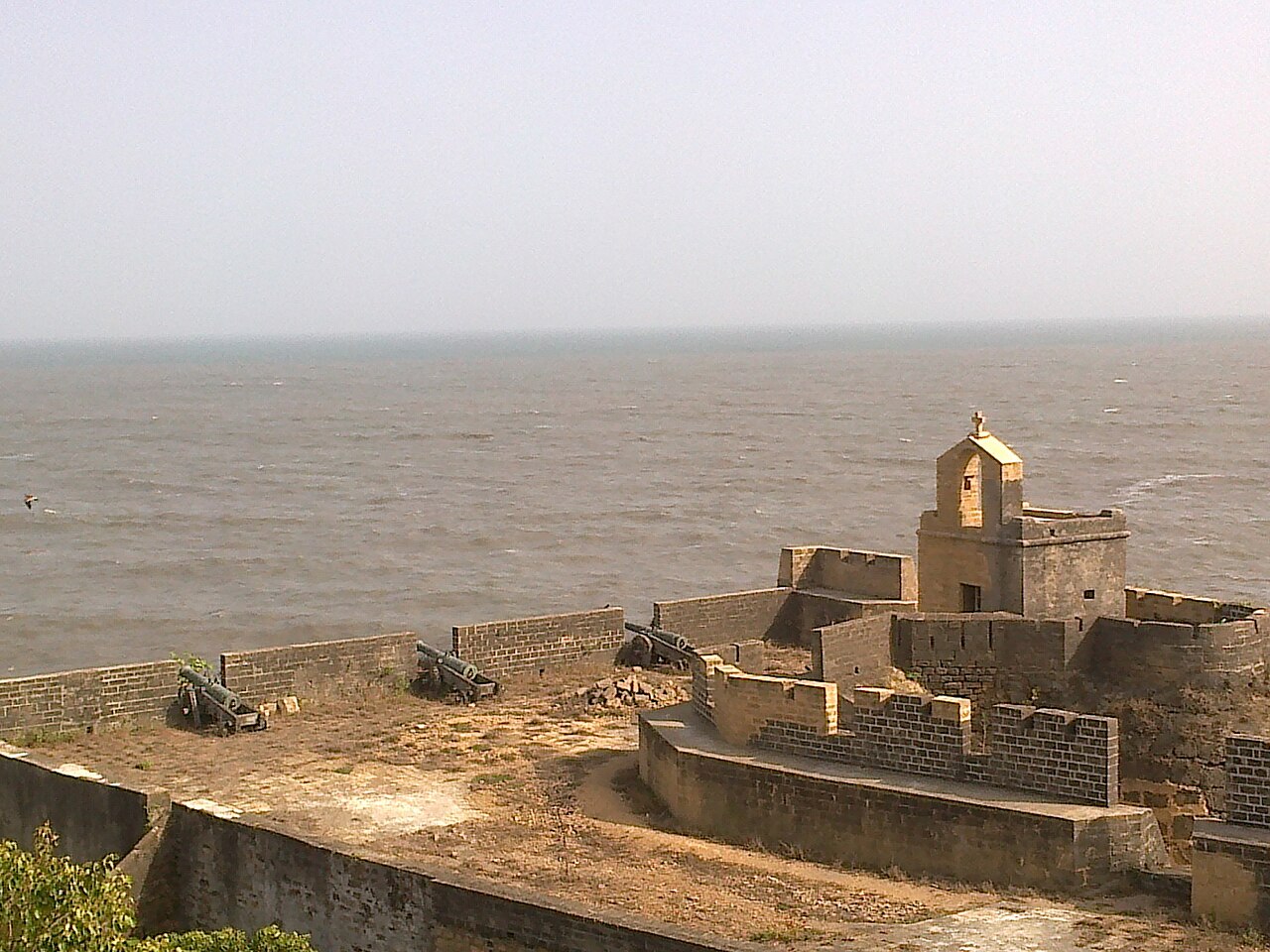
The fort is an exemplary bastioned fortress featuring massive stone walls with multiple bastions designed for defense against siege warfare. The walls enclose an extensive area that includes several gates, courtyards, and water reservoirs. The fortifications incorporate ramparts and watchtowers that allow for surveillance of the surrounding landscape.
Gates and entrances
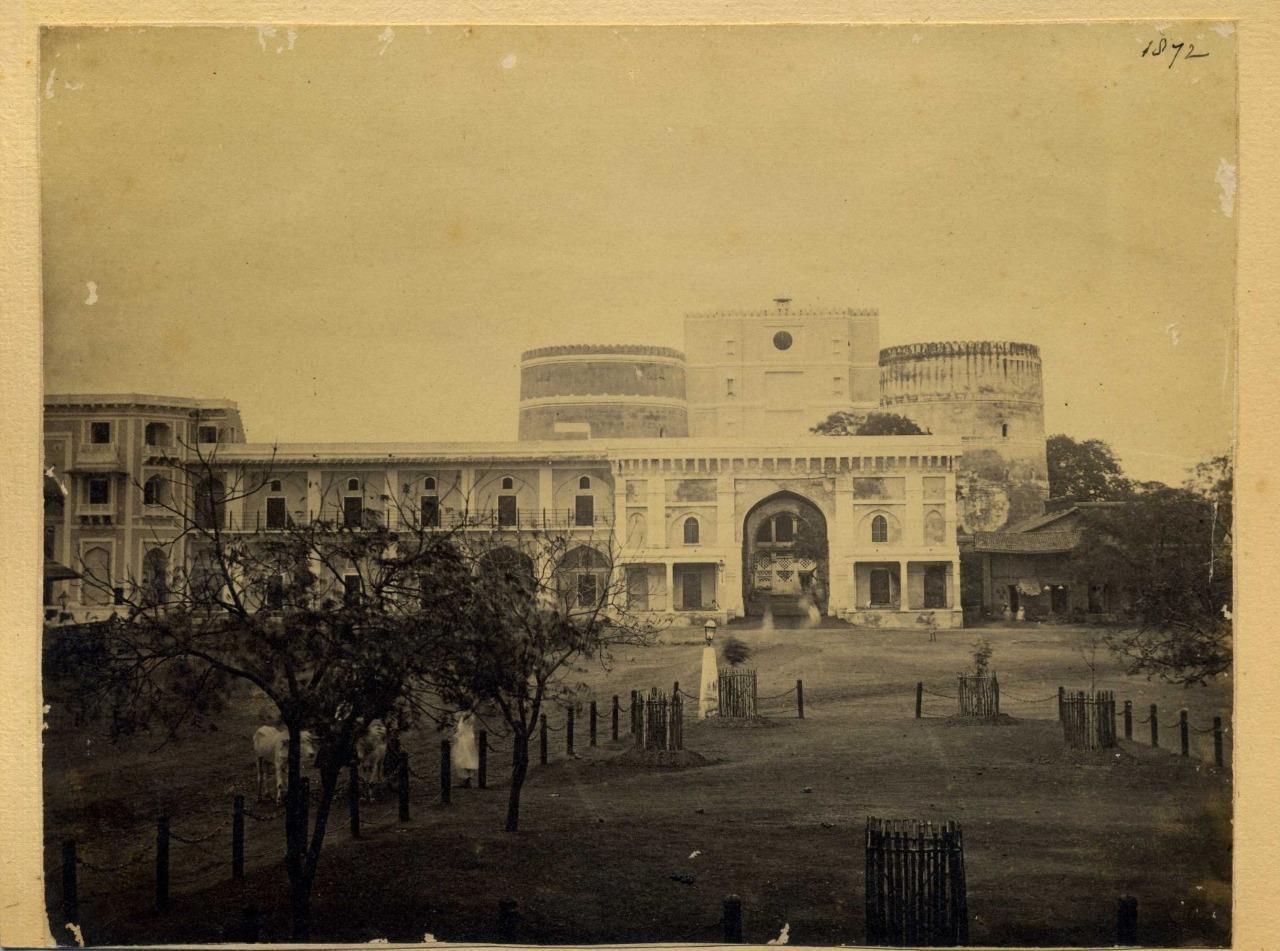
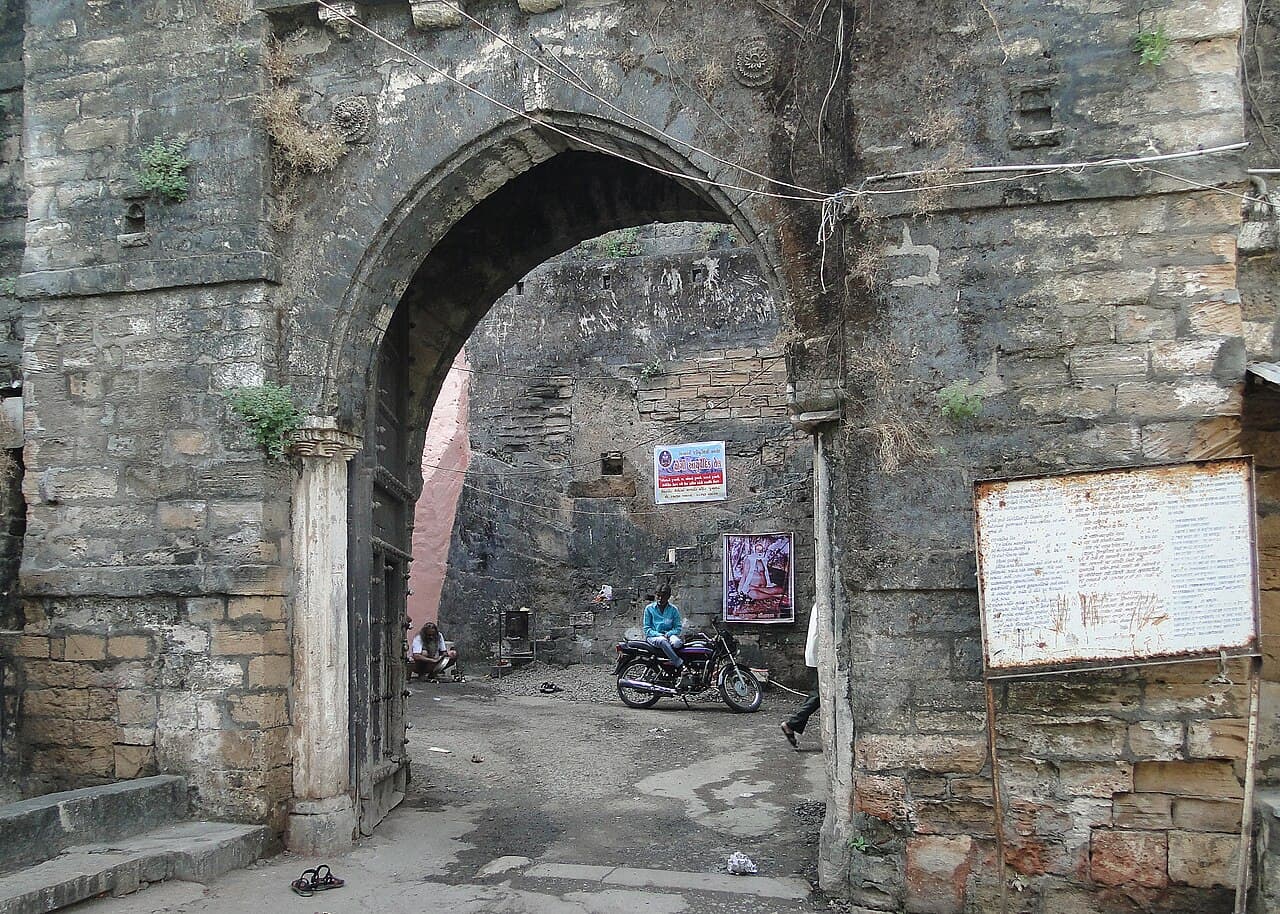
Uparkot Fort has three main gates, each strategically positioned and fortified. The Adalaj Gate is the most prominent, known for its intricate carvings and robust construction. The gates are designed to funnel attackers into narrow passages, enhancing the defenders' advantage.
Water management system
A notable feature of Uparkot Fort is its sophisticated ancient water management system. The fort contains deep wells and stepwells, which ensured a reliable water supply even during prolonged sieges. These structures demonstrate advanced engineering techniques of ancient India.
Cultural and heritage importance
Uparkot Fort is not only a military structure but also a cultural landmark. It reflects the architectural ingenuity and historical depth of the region. The fort is associated with various legends and local folklore, adding to its mystique and cultural resonance.
Preservation and current condition
The fort today is well preserved and accessible to visitors. It remains a popular tourist attraction in Gujarat, offering insights into ancient Indian fortification techniques and regional history. Conservation efforts have helped maintain the structural integrity of the walls, gates, and other architectural elements.
Visiting Uparkot Fort
Visitors to Uparkot Fort can explore its vast precincts, including the imposing bastions, intricately carved gates, and the ancient water systems. The fort's location near Junagadh makes it easily accessible, and it is often included in heritage tours of Gujarat.
Frequently asked questions
- When was Uparkot Fort built? The fort dates back to at least the 6th century BCE, with major renovations during the 10th century CE under the Chaulukya dynasty.
- What type of fort is Uparkot? It is a bastioned fortress featuring massive stone walls and defensive bastions.
- Is Uparkot Fort open to visitors? Yes, the fort is open to the public and is a popular tourist destination in Gujarat.
- What are the key architectural features of Uparkot Fort? The fort is known for its bastions, fortified gates, water reservoirs, and ancient stepwells.
- How is the fort preserved today? Uparkot Fort is well preserved with ongoing conservation efforts to maintain its historical structures.
- Where is Uparkot Fort located? It is located on the east side of Junagadh, Gujarat, India.
Frequently asked questions (FAQ)
- What is Uparkot Fort?
- Uparkot Fort is a historic fort located in Junagadh, India, known for its impressive architecture and rich history. Built in the 10th century, it served as a stronghold for various dynasties and features stunning structures, including palaces, temples, and intricate water cisterns.
- When was Uparkot Fort built?
- Uparkot Fort was constructed in the 10th century during the rule of the Chudasama dynasty. Over the centuries, it has undergone various renovations and expansions, reflecting the architectural styles of different periods.
- Can I visit Uparkot Fort?
- Yes, Uparkot Fort is open to visitors and welcomes tourists year-round. You can explore its majestic architecture, enjoy panoramic views of Junagadh, and learn about its historical significance during your visit.
- What are the opening hours of Uparkot Fort?
- Uparkot Fort is usually open from 9 AM to 6 PM daily. It's advisable to check local listings or official websites for any changes in hours or special events before planning your visit.
- Is Uparkot Fort accessible for people with disabilities?
- While Uparkot Fort offers stunning views and historical insights, its rugged terrain and steep pathways may pose challenges for individuals with mobility issues. It's best to contact the fort's management for assistance and to inquire about specific accessibility options.
- What is the best time to visit Uparkot Fort?
- The ideal time to visit Uparkot Fort is during the winter months, from November to February, when the weather is pleasant and suitable for outdoor exploration. Visiting during this time allows you to comfortably enjoy the fort and its surroundings.
- Are there any nearby attractions to Uparkot Fort?
- Yes, nearby attractions include the Junagadh Archaeological Museum, Baba Pyare Temple, and the ancient ruins of Khambhalida Caves. These sites complement your visit to Uparkot Fort and provide a deeper understanding of the region's history.
- What are the ticket prices for Uparkot Fort?
- As of now, the ticket price for Uparkot Fort is modest, making it affordable for most visitors. Check the local tourism office or the fort's official website for any updates on ticket prices and group discounts.
Photo gallery

Information
Loading map...
Visitor reviews
No reviews yet. Been here? Write the first review and help other travelers!
Write the first reviewVisited this castle? Share your experience
Your review helps other travelers and adds first-hand knowledge to our encyclopedia.