Udgir Fort
Udgir Fort is a significant bastioned fortress located in the city of Udgir, within the Latur district of Maharashtra, India. Dating back to the twelfth century CE, the fort predates the Bahamani Sultanate, marking it as an important medieval military structure in the region. It is named after the revered Hindu saint Udaygiri Rishi, whose legacy is intertwined with the fort's cultural heritage.
The fort is historically renowned for the Battle of Udgir in 1760, a pivotal conflict in which the Marathas, led by the commander Sadashivrao Bhau, defeated the forces of the Nizam of Hyderabad. This victory led to the signing of the Treaty of Udgir, which significantly influenced the power dynamics in the Deccan region during the 18th century. The fort functioned as a strategic military base for the Marathas to exert pressure on the Nizam's territories.
Architectural features and fortifications
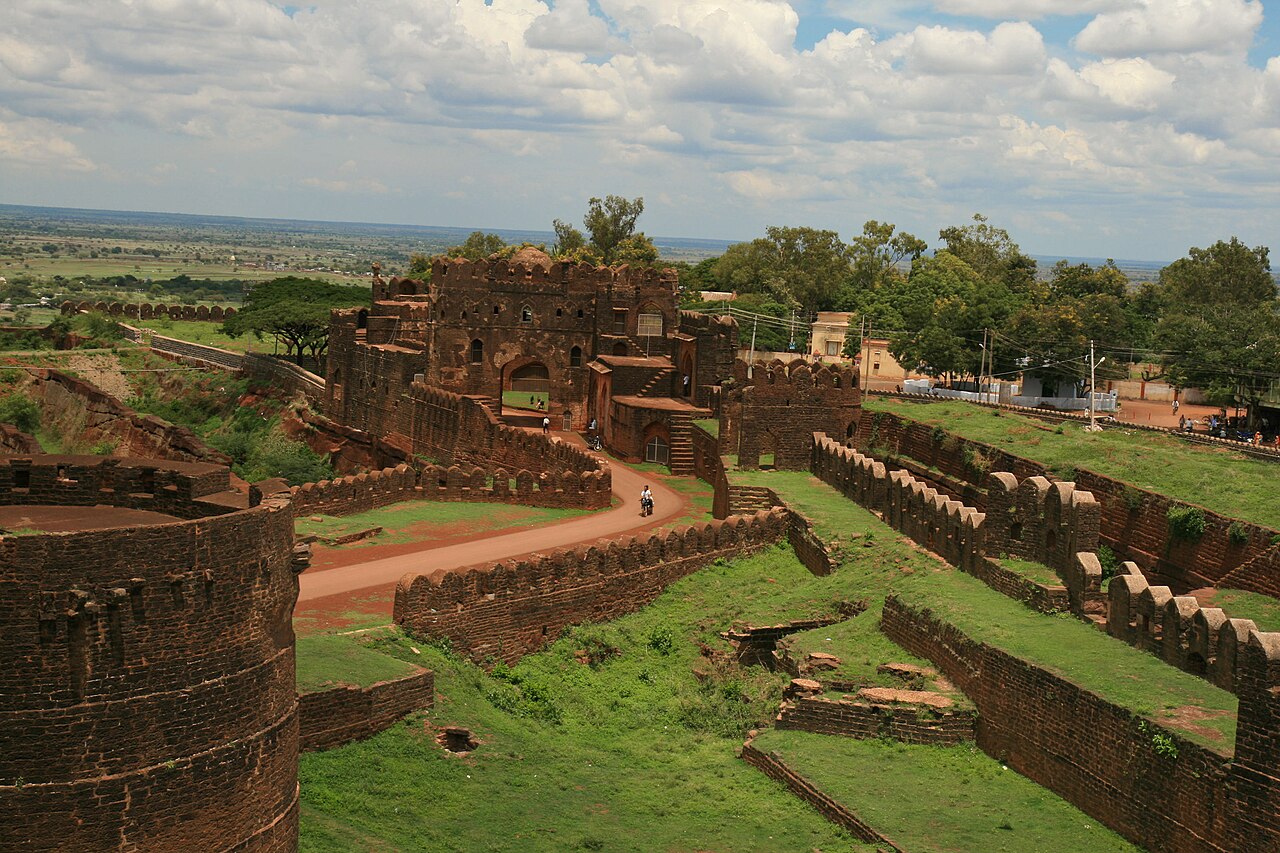
The fort's defenses include a 40-foot-deep trench encircling the perimeter, designed to deter enemy advances. The fort complex contains several palatial structures and the Samadhi of Udaygir Maharaj, which is notably situated approximately 60 feet below ground level. This subterranean chamber adds to the fort's unique architectural character.
Scattered across the surrounding hills are remnants of military observation posts and rest houses constructed from an unusual white clay material, though these have largely fallen into disrepair. Local lore and some historical accounts suggest the existence of a deep tunnel connecting Udgir Fort with the forts of Bhalki and Bidar, which would have been an important strategic feature for movement and communication during sieges.
Historical context and military significance
Throughout its history, Udgir Fort was a contested site, reflecting the turbulent political landscape of the Deccan. The fort remained under Maratha control until 1818, after which it passed to the Nizam following the British colonial expansion in the region. The fort's military importance is underscored by its role in regional conflicts and as a base for Maratha operations against rival powers.
In 2022, during a volunteer-led cleaning initiative, archaeologists and historians uncovered five cannons and numerous unused cannonballs within the fort precincts. These artifacts are estimated to date back to the 14th or 15th century, providing tangible links to the fort's medieval military past and enhancing its archaeological value.
Cultural heritage and inscriptions
Udgir Fort also houses rare Arabic and Persian inscriptions, which offer insights into the cultural and administrative influences that shaped the region during various periods of rule. These inscriptions contribute to the fort's significance as a site of historical and epigraphical interest.
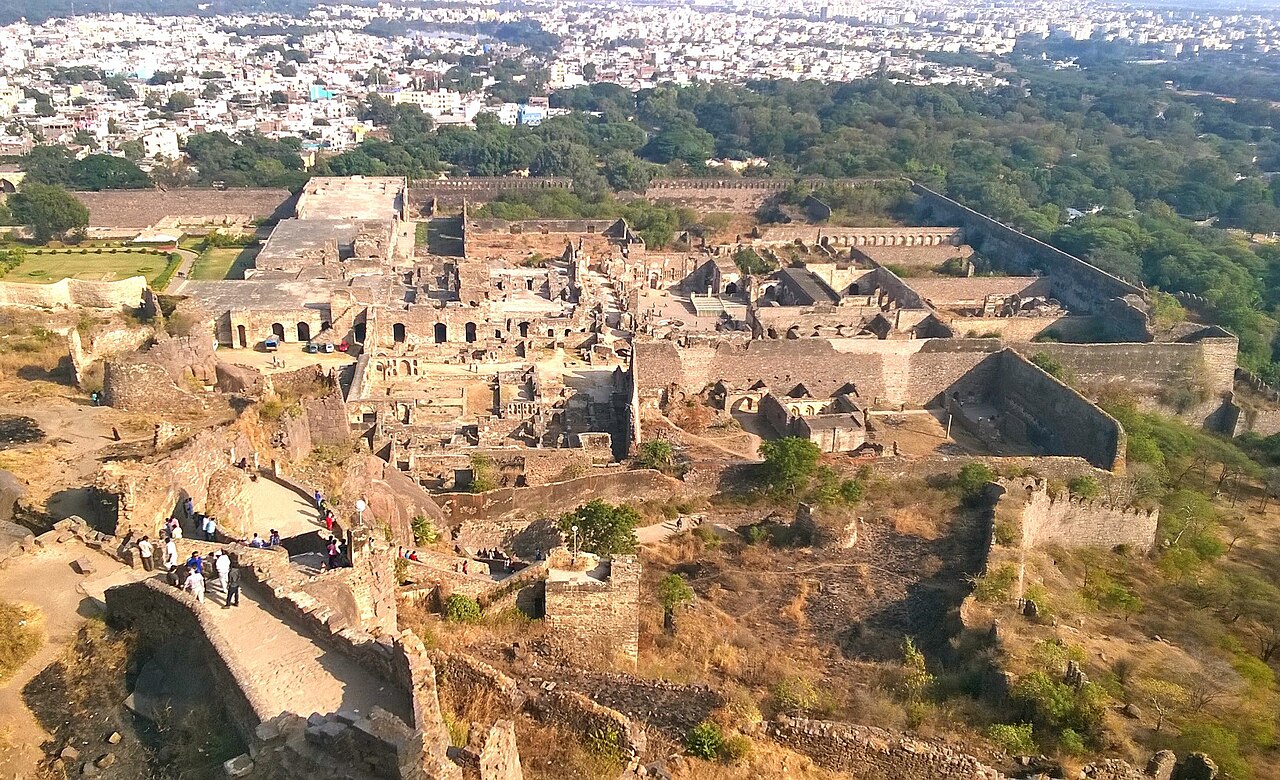
Today, the fort stands as a partially preserved monument reflecting centuries of military architecture and regional history. Despite the deterioration of some ancillary structures, Udgir Fort remains a valuable heritage site, attracting historians, archaeologists, and visitors interested in the rich martial and cultural history of Maharashtra and the Deccan.
Frequently asked questions (FAQ)
- What is the historical significance of Udgir Fort?
- Udgir Fort, built in the 18th century, played a crucial role in the historical conflicts between the Marathas and the Nizams of Hyderabad. Its strategic location made it a key military stronghold, and it is an important testament to the architectural and cultural heritage of the region.
- When is the best time to visit Udgir Fort?
- The best time to visit Udgir Fort is during the winter months, from November to February, when the weather is cooler and more pleasant for exploring the fort's expansive grounds. Monsoon season can make the visit challenging due to heavy rains, while summer can be quite hot.
- Can I access Udgir Fort with public transportation?
- Yes, Udgir Fort is accessible by public transportation, including buses and rickshaws that operate within the city. Local transport options can easily take you to the fort, making it convenient for visitors without personal vehicles.
- What are the opening hours for Udgir Fort?
- Udgir Fort is open to visitors from 9 AM to 6 PM daily. It is advisable to plan your visit during these hours to fully explore the fort and its surroundings.
- Is there an entrance fee for Udgir Fort?
- There is no entrance fee to visit Udgir Fort, making it an affordable destination for tourists and locals alike. However, donations for the upkeep of the fort are welcomed and appreciated.
- What can I expect to see in terms of architecture at Udgir Fort?
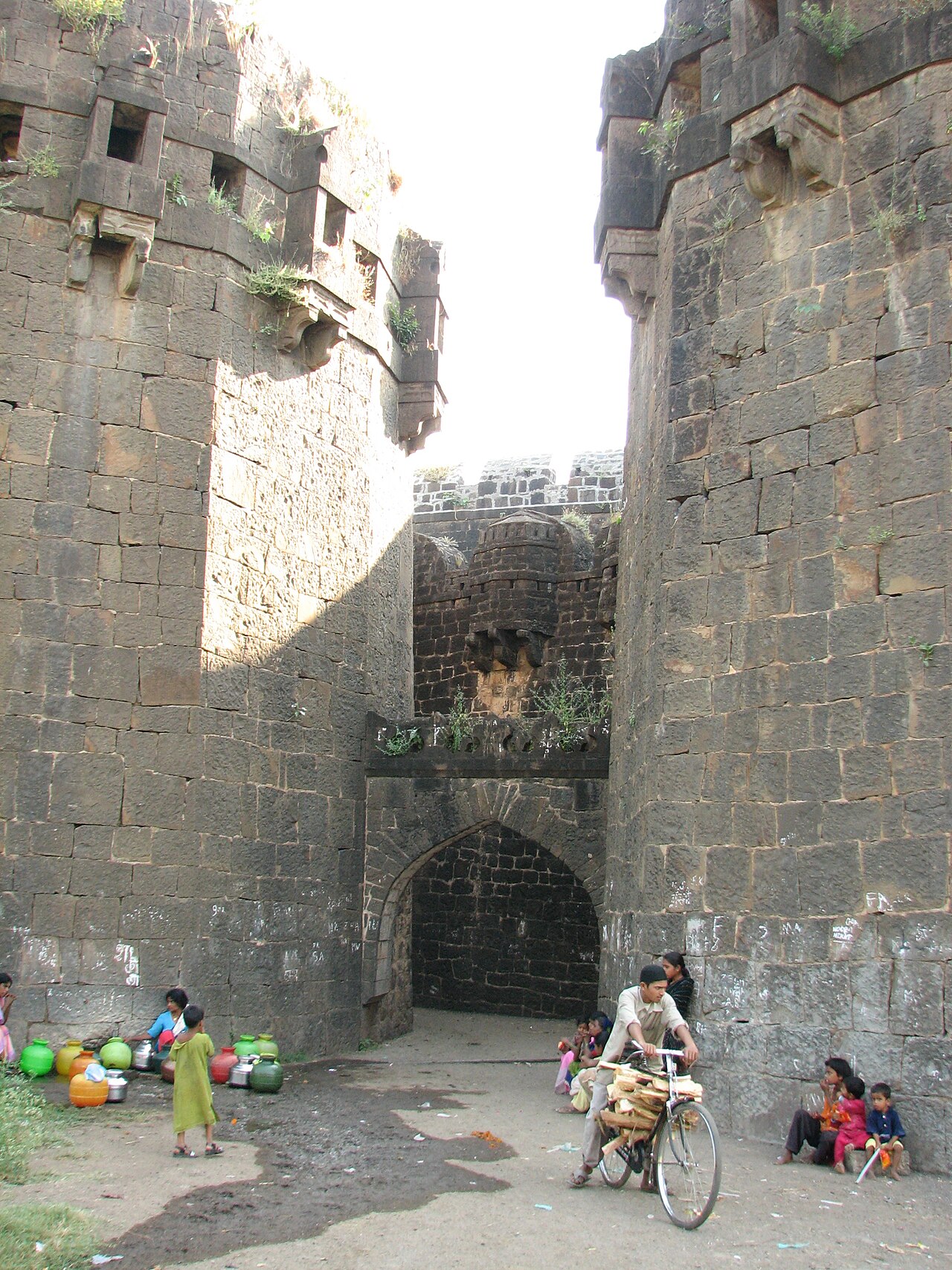
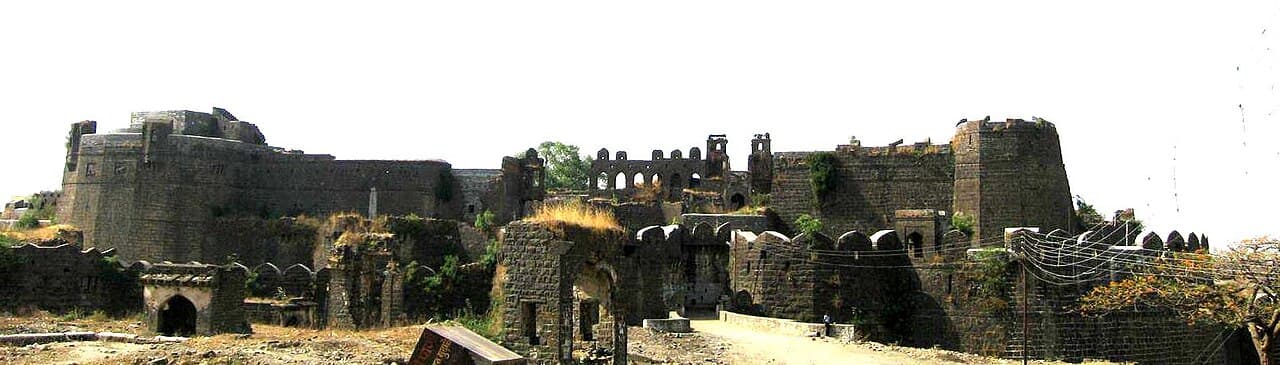
- Udgir Fort showcases a blend of Maratha and Islamic architectural styles, featuring imposing walls, bastions, and intricate carvings. Visitors can explore the remnants of ancient structures and enjoy panoramic views of the surrounding landscape from the fort.
- Are there any nearby attractions to Udgir Fort?
- Yes, nearby attractions include the historic Ganapati Temple and the scenic Udgir Lake, both of which provide additional opportunities for sightseeing and relaxation. Exploring these sites can enhance your visit to the fort.
Photo gallery

Photo by Creator:Sachin B Parsewar Template:Author: Sachin B Parsewar•Public domain
Information
Loading map...
Visitor reviews
No reviews yet. Been here? Write the first review and help other travelers!
Write the first reviewVisited this castle? Share your experience
Your review helps other travelers and adds first-hand knowledge to our encyclopedia.