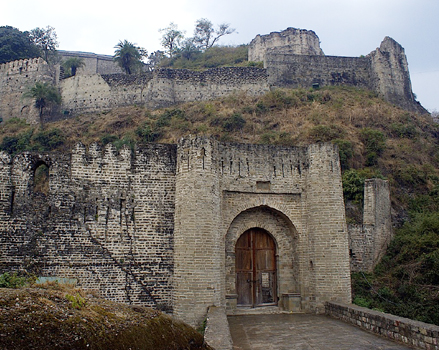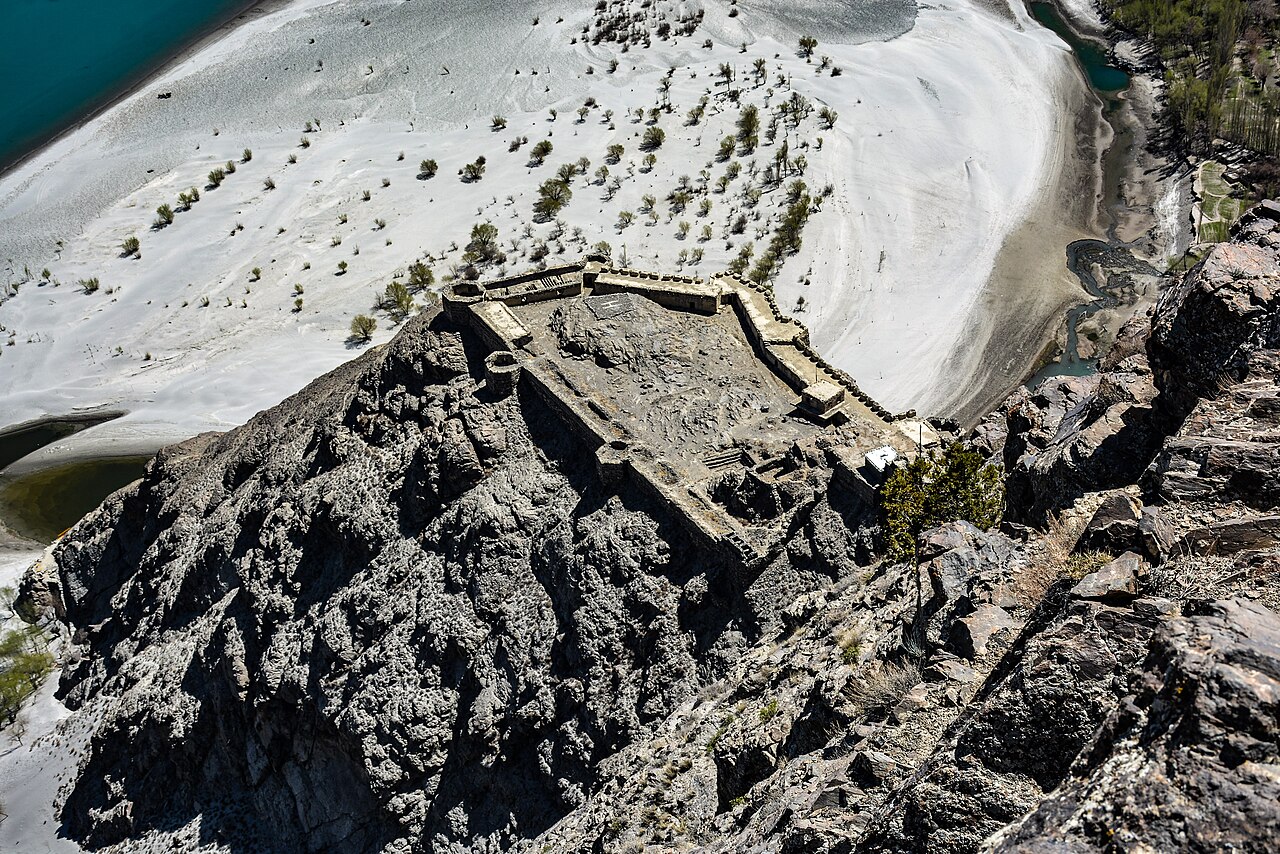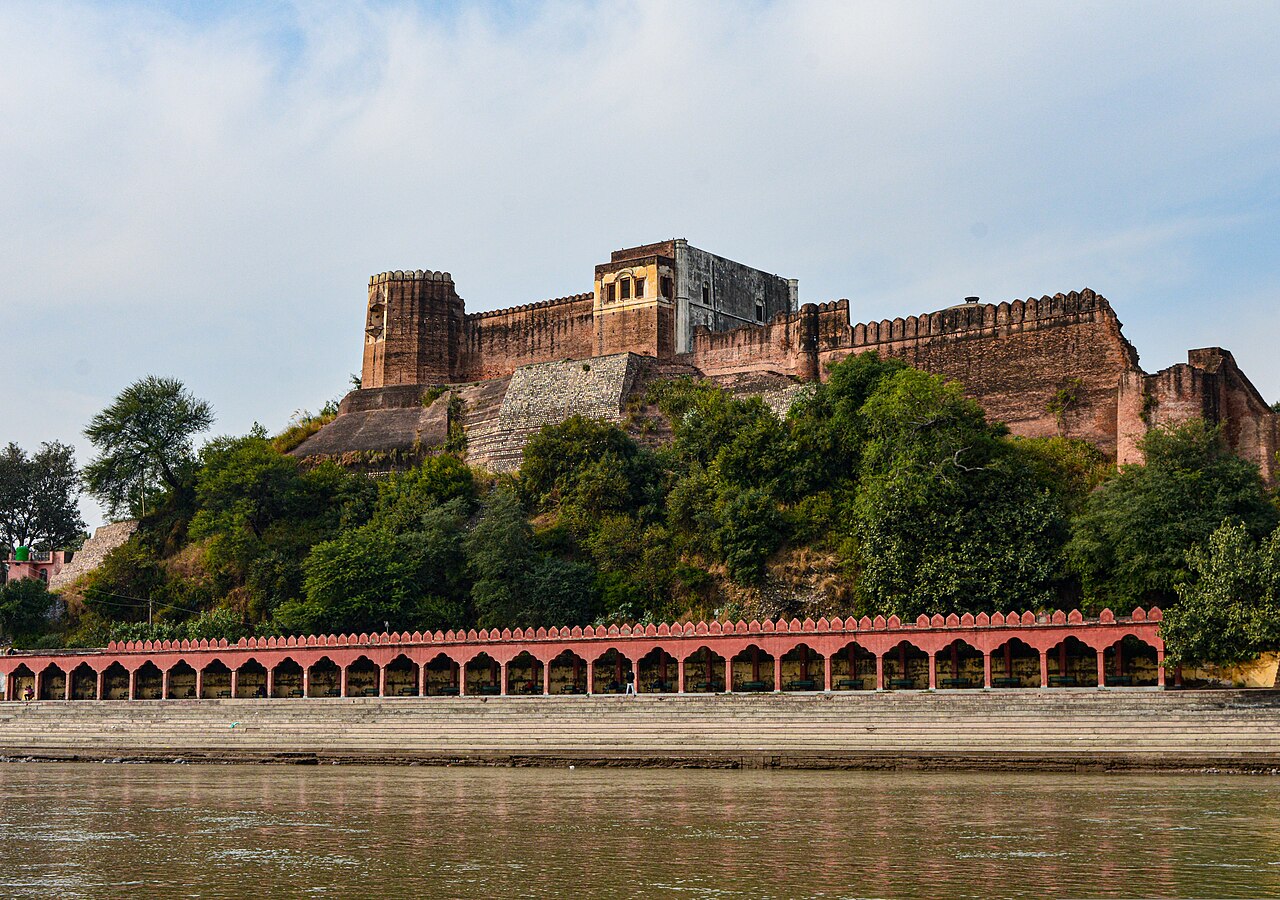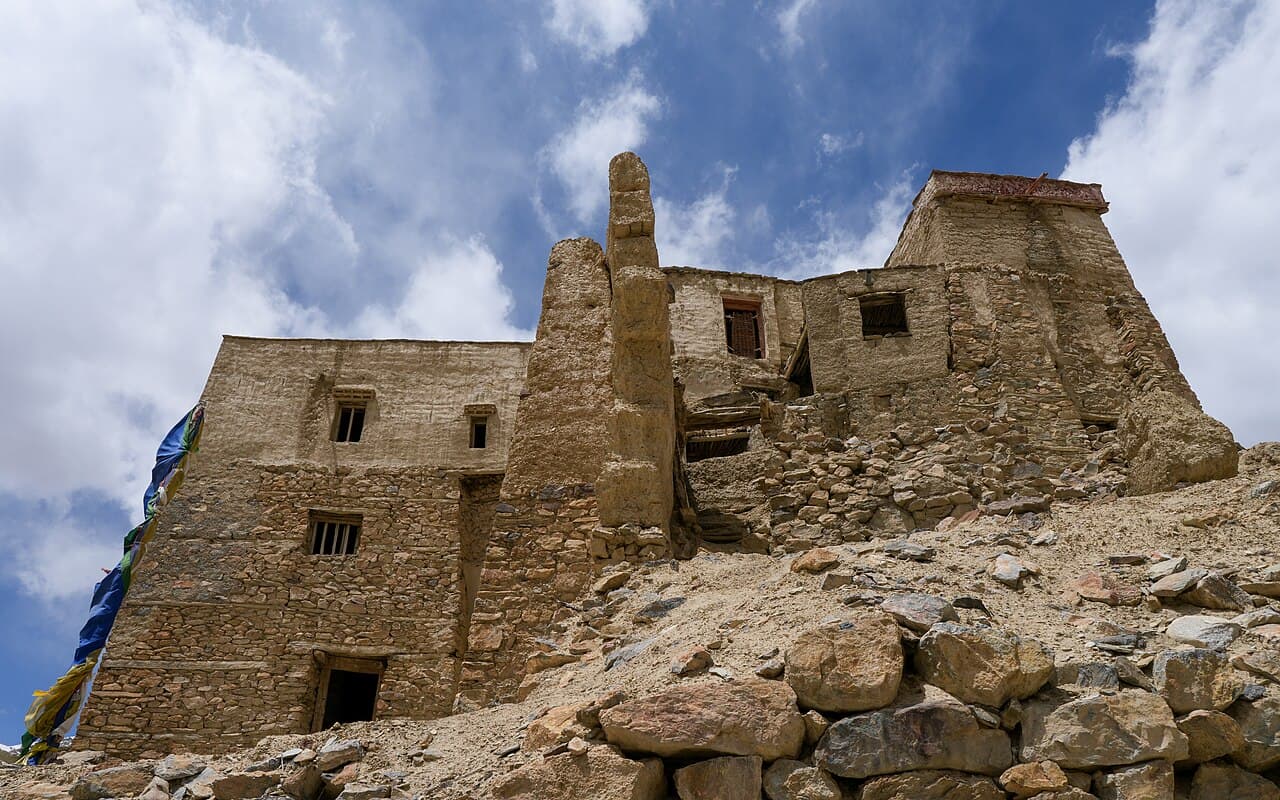
Zangla Khar, often referred to as Zangla Palace, is a significant historic site located in the remote region of Ladakh, northern India. Despite common confusion, it is not a monastery but rather the remains of a once-important palace complex that served as the seat of power for the former Zangla Kingdom. Today, the site stands as archaeological ruins, offering valuable insight into the cultural and political history of the Zanskar area.
The name "Zangla Monastery" has been mistakenly applied to Zangla Khar due to early misinterpretations by scholars such as Tivadar Duka and Ervin Baktay. Baktay, an Indologist who visited the site in 1928, described the palace as a monastery, likely influenced by the presence of a shrine and resident monks or nuns. However, the current village of Zangla contains no monastery, only a nunnery, distinguishing the palace ruins from religious establishments.
Historical context and significance
Zangla Khar was the royal residence of the rulers of the Zangla Kingdom, a small but strategically located kingdom in the Zanskar region. The palace's location in Ladakh placed it at a crossroads of cultural and trade routes connecting Tibet, Kashmir, and the Indian plains. This position made the palace an important center of political authority and cultural exchange during its time.
The site is also historically notable for its association with Sándor Kőrösi Csoma, a Hungarian philologist and orientalist. In 1823, Csoma lived at Zangla Palace while compiling the first Tibetan-English dictionary, a pioneering work that greatly contributed to Tibetan studies and linguistics. The dictionary was published the following year, in 1824, marking a significant scholarly achievement linked directly to the palace.
Architectural features and current condition
As an archaeological ruin, Zangla Khar today consists mainly of the remains of its walls and foundational structures. The palace originally featured typical Himalayan fortress elements such as thick stone walls, defensive battlements, and a central courtyard. The structure was designed to serve both as a royal residence and a defensive stronghold against regional threats.
The ruins provide valuable architectural evidence of traditional Ladakhi construction techniques, including the use of local stone and wood. Although much of the palace has deteriorated over time, the surviving elements reflect the blend of Tibetan and Himalayan influences characteristic of the region's historic architecture.
Related religious sites nearby
While Zangla Khar itself is not a monastery, the nearby Tsazar Monastery, located about 6 kilometers south of Zangla village, remains an active Buddhist religious site. Tsazar Monastery houses a small community of lamas and is renowned for its notable wall paintings, which attract visitors interested in Buddhist art and culture.
The proximity of Tsazar Monastery to the palace ruins highlights the intertwined nature of religious and secular life in the region. The monastery continues to serve as a spiritual center, contrasting with the secular and political history embodied by the palace ruins of Zangla Khar.
Visiting zangla khar today
Zangla Khar is accessible to visitors interested in Himalayan history and archaeology. The site offers a glimpse into the medieval political structures of Ladakh and the cultural milieu of the Zanskar region. Visitors should be prepared for basic conditions as the ruins are not extensively developed for tourism, and the surrounding area is remote.
Exploring the ruins alongside a visit to Tsazar Monastery provides a comprehensive understanding of the area's historical and religious significance. The site appeals particularly to those interested in Tibetan culture, Himalayan architecture, and the legacy of Alexander Csoma de Kőrös's scholarly work.
Frequently asked questions (FAQ)
- What is Zangla Khar and why is it significant?
- Zangla Khar is the historic palace ruins of the former Zangla Kingdom in Ladakh, India, notable for its association with Tibetan culture and Alexander Csoma de Kőrös's Tibetan-English dictionary work.
- Is Zangla Khar a monastery?
- No, Zangla Khar is a palace ruin often mistakenly called a monastery due to early scholarly errors. The current village has a nunnery but no monastery.
- Can visitors access Zangla Khar?
- Yes, the ruins are accessible to visitors interested in Himalayan history and archaeology, though facilities are basic due to the site's remote location.
- What nearby religious sites are related to Zangla Khar?
- Tsazar Monastery, located about 6 kilometers south of Zangla village, is an active Buddhist monastery known for its wall paintings and small lama community.
- Who was Alexander Csoma de Kőrös and what is his connection to Zangla Khar?
- Alexander Csoma de Kőrös was a Hungarian philologist who lived at Zangla Palace in 1823 while compiling the first Tibetan-English dictionary, published in 1824.
Photo gallery

Photo by This Photo was taken by Timothy A. Gonsalves. Feel free to use my photos, but please mention me as the author. I would much appreciate if you send me an email [email protected] or write on my talk page, for my information. Please contact me before commercial use. Please do not upload an edited image here without consulting me. I would like to make corrections only at my own source to ensure that the changes improve the image and are preserved.Otherwise you may upload an edited image with a new name. Please use one of the templates derivative or extract.•CC BY-SA 4.0
Information
Loading map...
Visitor reviews
No reviews yet. Been here? Write the first review and help other travelers!
Write the first reviewVisited this castle? Share your experience
Your review helps other travelers and adds first-hand knowledge to our encyclopedia.