Worli Fort
Worli Fort is a historic 17th-century bastioned fortress located on Worli Hill in Mumbai, India. Constructed by the British East India Company around 1675, the fort played a crucial role in monitoring and defending the waters of Mahim Bay during a period when Mumbai was composed of seven separate islands. Contrary to common misconceptions attributing its construction to the Portuguese, the fort was established to serve as a strategic lookout for enemy ships approaching the area.
The fort's location on Worli Hill provided a commanding vantage point over the surrounding sea and land routes, enabling early warnings against naval threats. Its design reflects typical bastioned fortress features of the period, including thick defensive walls and bastions intended to mount cannons, which were essential for coastal defense in the Renaissance era.
Historical context and strategic importance
During the late 17th century, the region that is now Mumbai was a fragmented archipelago of seven islands. The British, having acquired the islands from the Portuguese as part of the dowry of Catherine of Braganza in 1661, sought to fortify their new possession against rival colonial powers and local threats. Worli Fort was part of a network of fortifications designed to secure the harbor and protect the growing British settlement.
The fort was primarily used as a lookout post to monitor enemy ship movements and to provide early warnings to the British authorities in Bombay (now Mumbai). Its position overlooking Mahim Bay was critical for controlling access to the harbor and safeguarding the maritime trade routes that were vital to the British East India Company's commercial interests.
Architectural features and design
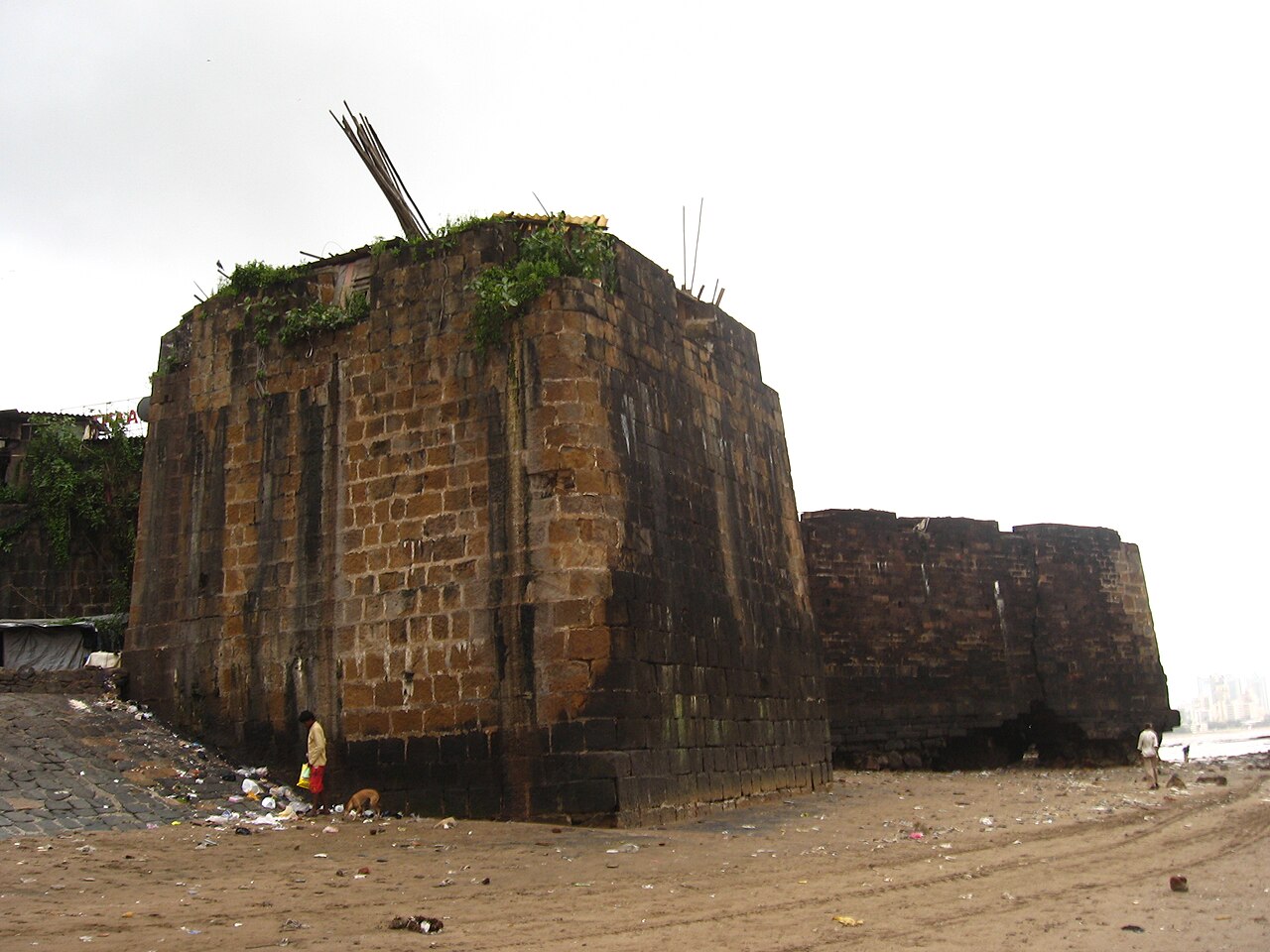
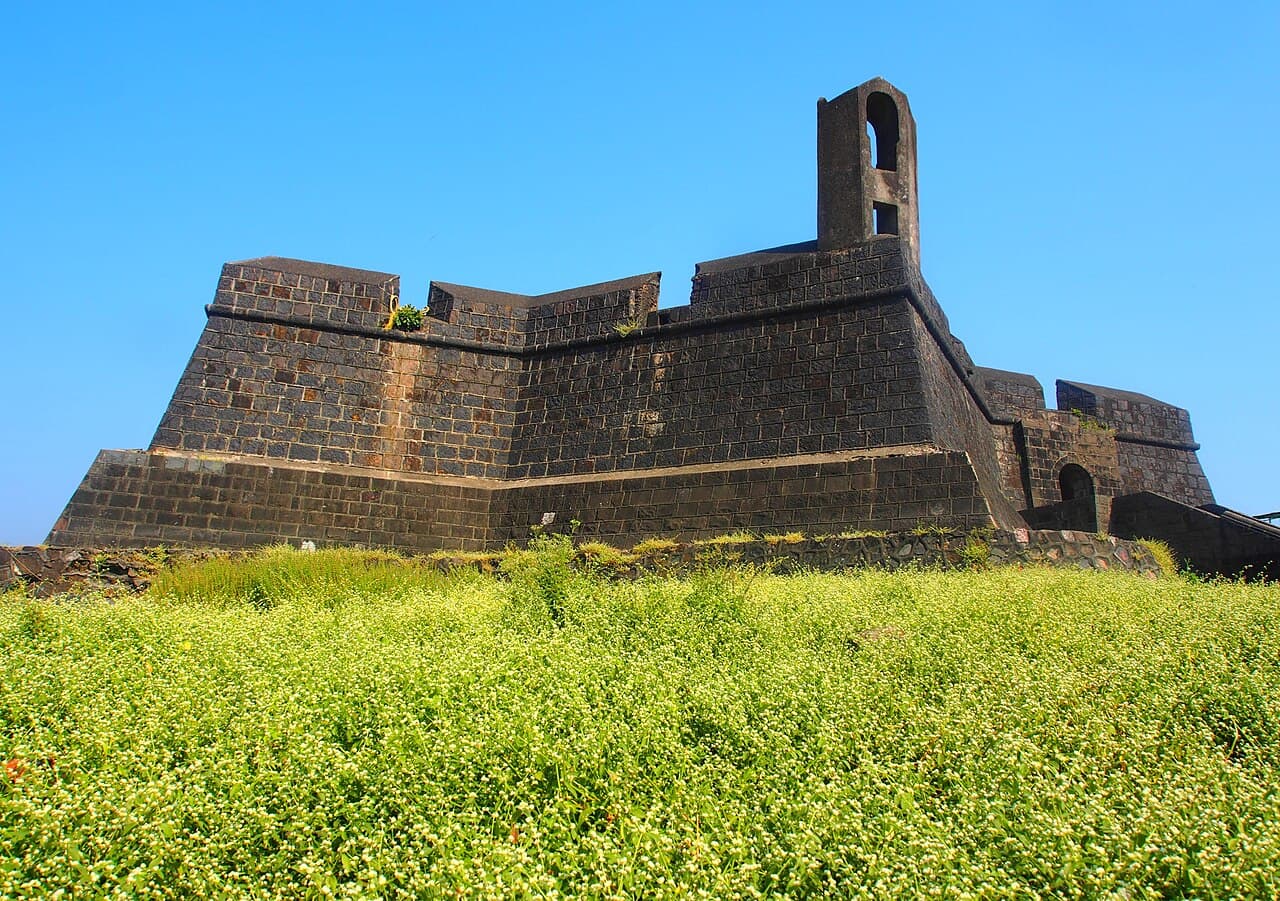
The fort exhibits characteristics typical of a bastioned fortress, a style that evolved to meet the demands of artillery warfare. The thick stone walls and bastions were designed to withstand cannon fire and to allow defenders to mount their own artillery pieces for effective coastal defense.
Although the fort is relatively small compared to other contemporary fortifications, its robust construction and strategic placement made it an effective military installation. The walls enclose a compact area with limited internal structures, primarily serving as a lookout and defensive position rather than a large garrison.
Defensive structures
The fort's bastions provided platforms for cannons that could cover the approaches from the sea. The walls are built from local stone, and the fort's elevated position enhanced its defensive capabilities by providing clear lines of sight over the bay and surrounding areas.
Access and layout
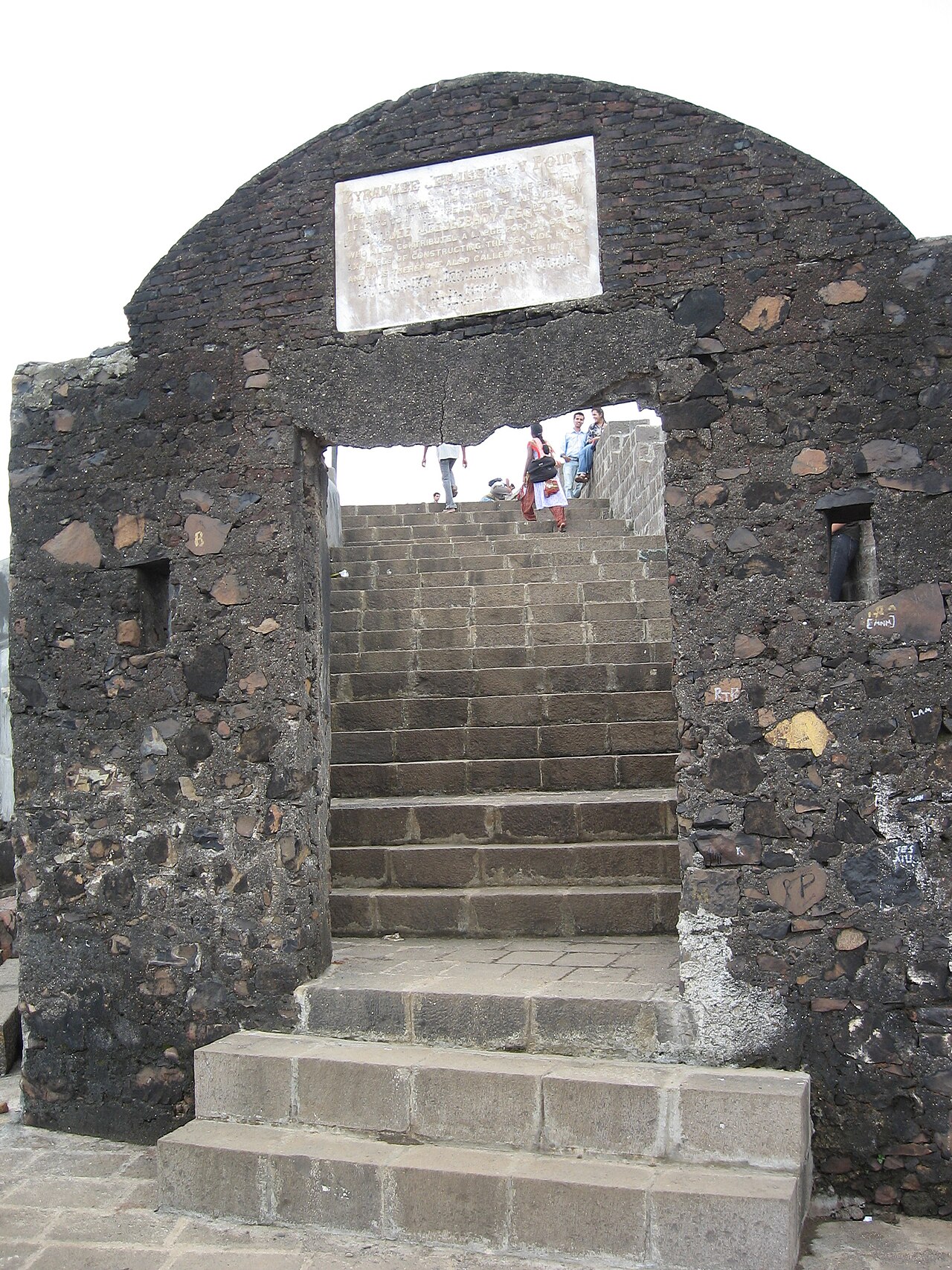
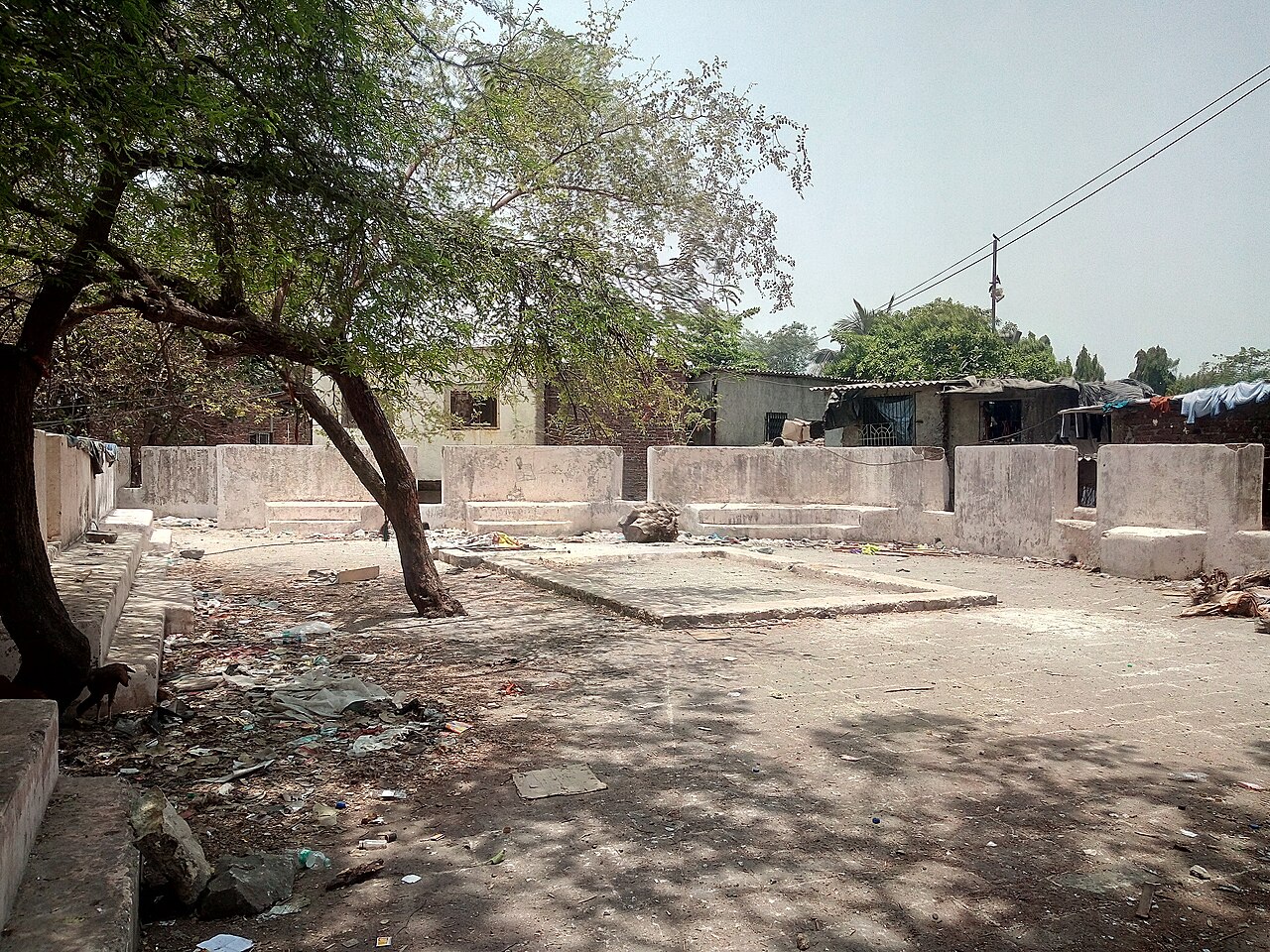
Access to the fort is gained via a narrow pathway winding up Worli Hill. The interior contains remnants of small buildings that may have served as quarters or storage for ammunition and supplies. The overall layout is simple, reflecting its primary function as a lookout rather than a fully developed military base.
Worli and its cultural heritage
The area surrounding Worli Fort is home to one of Mumbai's oldest fishing communities, which has persisted for centuries despite the city's rapid urbanization. The village near the fort maintains traditional fishing practices, contributing to the cultural fabric of the region.
In addition to its historical and military significance, the Worli Hill area is notable for its geological features and fossil discoveries. The hill's sedimentary rock formations have attracted interest from geologists and paleontologists, adding a scientific dimension to the site's importance.
Current condition and visitor information
Today, Worli Fort stands as a well-preserved monument open to the public. Visitors can explore the fort's walls and enjoy panoramic views of Mahim Bay and the surrounding cityscape. The site offers a glimpse into Mumbai's colonial past and its maritime defense history.
The fort is accessible by foot from the surrounding neighborhoods, and its elevated position makes it a popular spot for photography and sightseeing. While the internal structures are mostly ruins, the fort's walls and bastions remain intact, providing a tangible connection to the city's 17th-century military architecture.
Frequently asked questions (FAQ)
- How do I get to Worli Fort in Mumbai?
- Worli Fort is accessible by foot via a pathway from the Worli neighborhood in Mumbai. It is located on Worli Hill and can be reached by local transport to Worli followed by a short walk uphill.
- What is the historical significance of Worli Fort?
- Worli Fort was built by the British in the 17th century to monitor and defend Mahim Bay. It served as a lookout for enemy ships during the early colonial period when Mumbai was a group of seven islands.
- Can visitors explore the interior of Worli Fort?
- Visitors can walk along the fort's walls and explore the ruins inside. While the internal buildings are mostly in ruins, the fort's bastions and defensive walls are well-preserved and accessible.
- When is the best time to visit Worli Fort?
- The best time to visit Worli Fort is during the cooler months from October to March, when the weather in Mumbai is more pleasant for outdoor activities and sightseeing.
- Is there an entry fee to visit Worli Fort?
- There is no entry fee to visit Worli Fort. It is open to the public and free to explore throughout the year.
Photo gallery

Information
Loading map...
Visitor reviews
No reviews yet. Been here? Write the first review and help other travelers!
Write the first reviewVisited this castle? Share your experience
Your review helps other travelers and adds first-hand knowledge to our encyclopedia.