
Chile
Castle heritage in chile: an overview
Chile’s castle heritage and historical fortifications represent a unique chapter in the country’s architectural and cultural history. Unlike the classic European medieval castles, Chile’s fortifications are primarily connected to its colonial past, indigenous interactions, and strategic military needs. The landscape of Chile, with its long coastline and mountainous terrain, influenced the style and function of these defensive structures.
The evolution of fortifications in Chile reflects the varied challenges faced by colonial powers, especially the Spanish Empire, and later the Republic of Chile. From coastal forts designed to repel pirates and foreign navies to inland fortresses securing territories from indigenous uprisings, these structures embody centuries of conflict, adaptation, and heritage preservation.
Continue reading below — scroll for the full article.
Best castles to visit in Chile
Our editors' picks and the castles visitors save most, ranked. See all 15 castles
- 1
- 2
- 3
- 4
- 5
- 6
Historical background and colonial period fortifications
Chile’s fortifications largely developed during the Spanish colonial period, beginning in the 16th century. The arrival of Spanish conquistadors introduced European military architecture to the region, adapted to local conditions and threats. Unlike the medieval castles of Europe, most Chilean fortifications were built for practical defense rather than noble residence.
The Mapuche resistance during the Arauco War was a significant factor in shaping fortification strategies. Spanish settlers constructed forts along the frontier to secure control over contested territories. These forts, often built from wood and stone, were focal points of military and administrative power in the region.
The role of forts in colonial defense
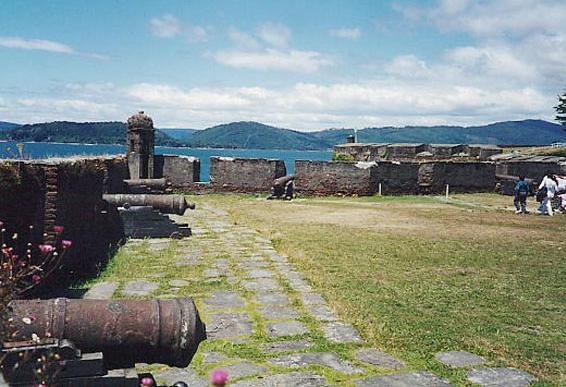
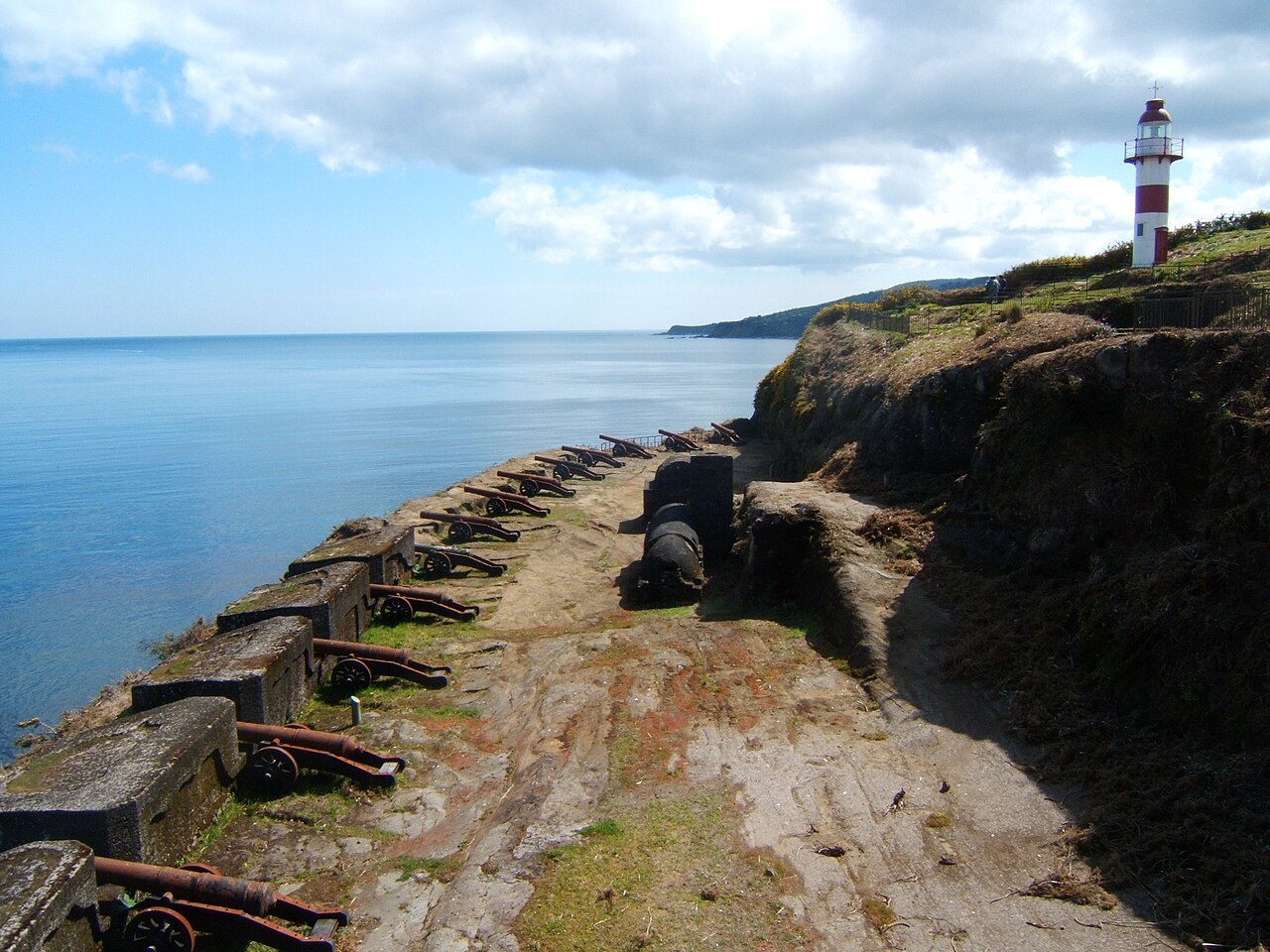
Coastal forts played an essential role in protecting Chile from external threats such as pirates and rival European powers. Fortifications like the Fort of Corral near Valdivia were part of a network safeguarding important ports and trade routes. These structures combined bastions, thick walls, and artillery placements to defend against naval attacks.
Inland, forts served to control indigenous populations and secure the expanding colonial frontier. The use of fortresses was a tactical response to the guerrilla warfare tactics employed by indigenous groups, requiring flexible and resilient defensive designs.
Types of fortifications in chile
Chile’s fortifications encompass a variety of structures, reflecting its diverse geography and historical needs. These include:
- Coastal forts: Designed to protect harbors and naval facilities from seaborne threats.
- Military fortresses: Larger complexes serving as regional command centers and bases for troops.
- Watchtowers and defensive walls: Smaller installations providing early warning and perimeter defense.
- Urban fortifications: Walls and bastions protecting key cities, although less common than in Europe.
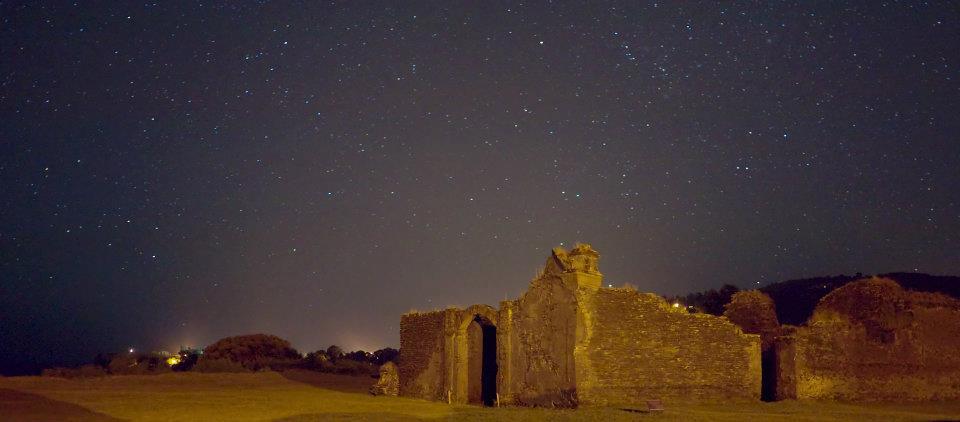
The Castillo de San Pedro de la Roca is an example of a coastal fortress system that showcases strategic placement and multi-level defense. Although more renowned in nearby regions, Chile’s coastal forts share architectural principles designed for artillery defense and surveillance.
Architectural styles and influences
The architecture of Chilean fortifications is deeply influenced by Spanish Renaissance military designs, which emphasized bastioned fortresses suited to withstand cannon fire. This style, known as the “star fort” or trace italienne, was adapted to local materials and conditions.
Many forts feature thick stone walls, angular bastions, and low, sprawling layouts to minimize blind spots and maximize defensive coverage. The use of adobe and wood alongside stone reflects the availability of resources and the need for rapid construction in frontier zones.
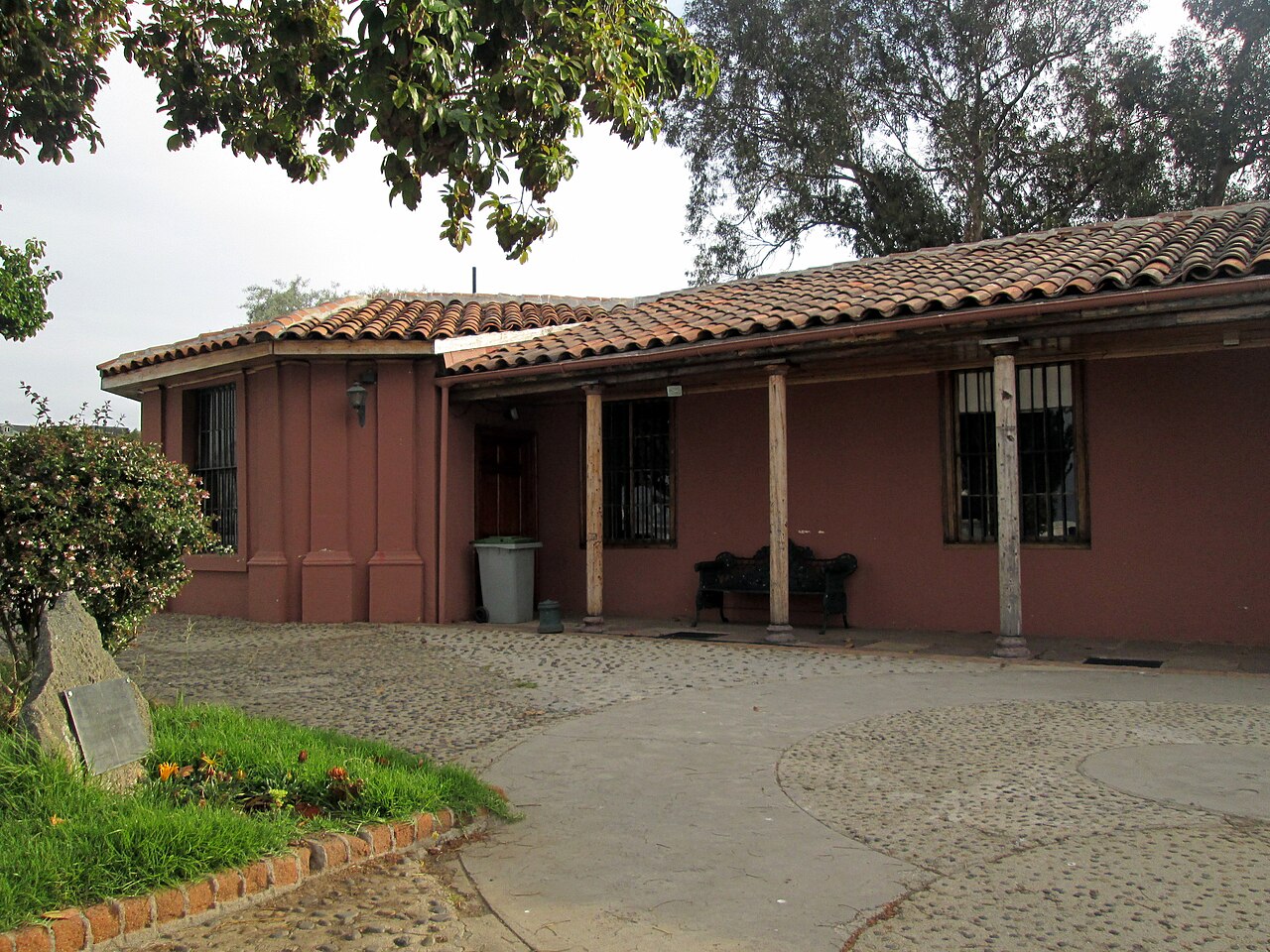
The Morandé 80 building, while not a traditional castle, reflects how European architectural influences permeated Chile’s military and civic structures, blending classical forms with local adaptation. This demonstrates the broader cultural impact of fortification architecture beyond purely military purposes.
Regional variations in fortification design
Chile’s diverse geography from the arid north to the lush south influenced the design and materials of its fortifications. Coastal forts in central and southern Chile often used stone and brick to withstand harsh weather and naval bombardment. In contrast, northern forts sometimes incorporated adobe and mud bricks due to the dry climate.
In the south, where dense forests and rivers complicated construction, fortifications like the Fort of Niebla were strategically placed to control river access and serve as defensive hubs in sparsely populated areas. These regional adaptations highlight the pragmatic approach to fortification in different environments.
Preservation and current state of chile’s fortifications
Many of Chile’s colonial fortifications have been preserved as historical monuments and are protected by national heritage laws. Restoration efforts have focused on maintaining structural integrity while allowing public access to these culturally significant sites.
Fortresses such as the Castillo de San José de Maipo have undergone careful preservation to showcase their historical importance and architectural features. However, some smaller or more remote forts face challenges due to environmental degradation and limited funding.
Castle tourism and accessibility
Chile’s fortifications attract tourists interested in history, architecture, and scenic landscapes. Many forts are accessible to the public and offer guided tours, museums, and educational programs. Coastal forts near Valdivia and Corral are popular destinations, providing insights into colonial military life and Chile’s maritime heritage.
These sites contribute to local economies and promote cultural tourism, encouraging visitors to explore Chile’s unique blend of indigenous and colonial history through its fortifications. Efforts to improve accessibility and interpretive services continue to enhance the visitor experience.
Cultural significance and heritage
Chile’s fortifications are more than military relics; they are symbols of the country’s complex history involving colonial conquest, indigenous resistance, and nation-building. These structures embody stories of conflict, adaptation, and survival.
The preservation and study of Chile’s castle heritage contribute to national identity and historical awareness. They provide tangible links to the past, fostering appreciation for the architectural ingenuity and cultural significance of these fortifications in Chile’s historical narrative.
Castles in Chile
Discover 15 magnificent castles across the country

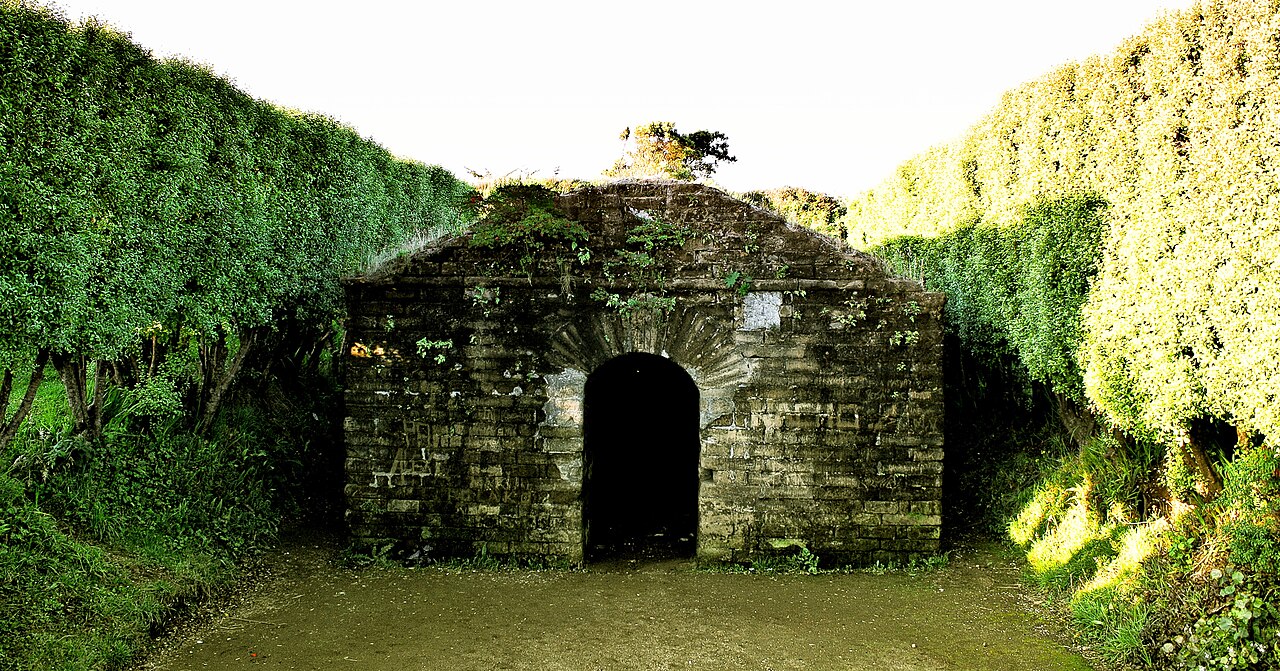
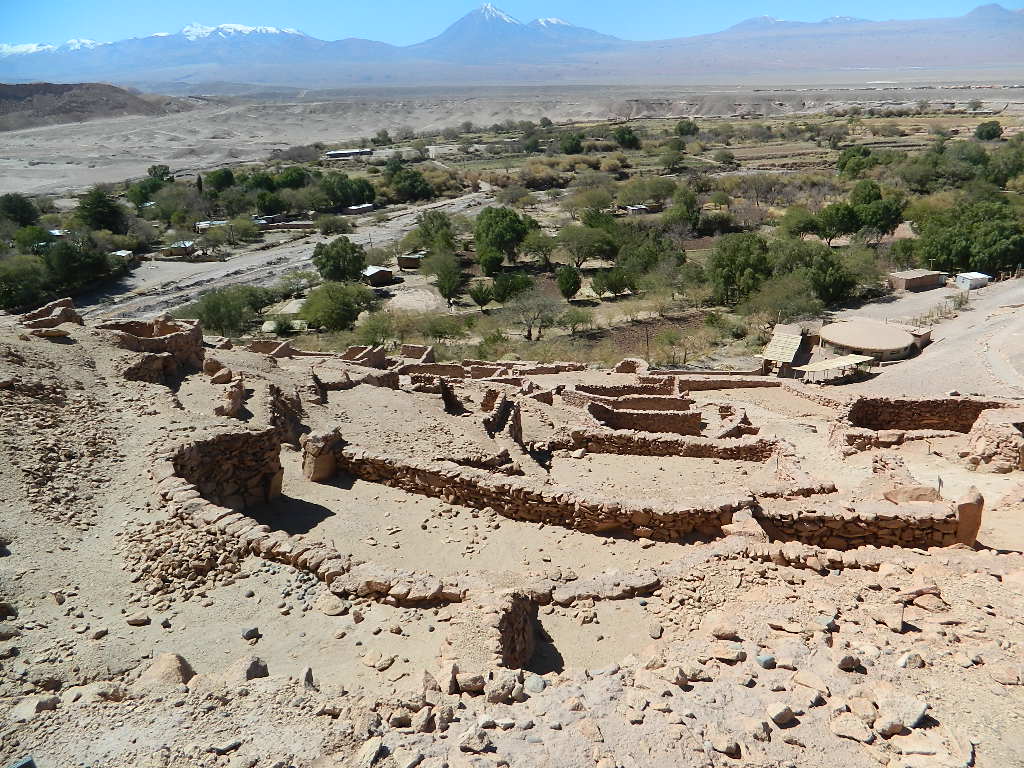
Castle Locations in Chile
Explore all castle locations on an interactive map
Loading castle locations...