Fuerte Reina Luisa — Chile castle

Fuerte Reina Luisa

Fuerte reina luisa: historic hill castle in chile
Post-Renaissance (17th–18th c.)
Partially Preserved

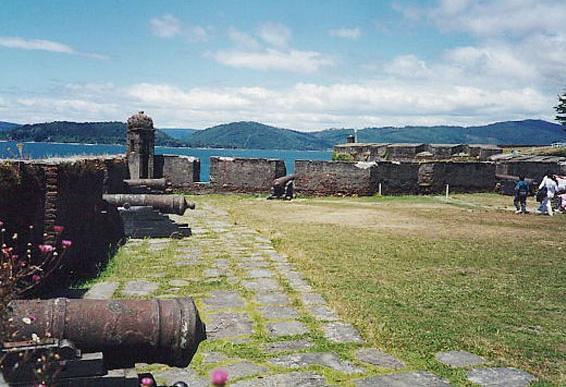
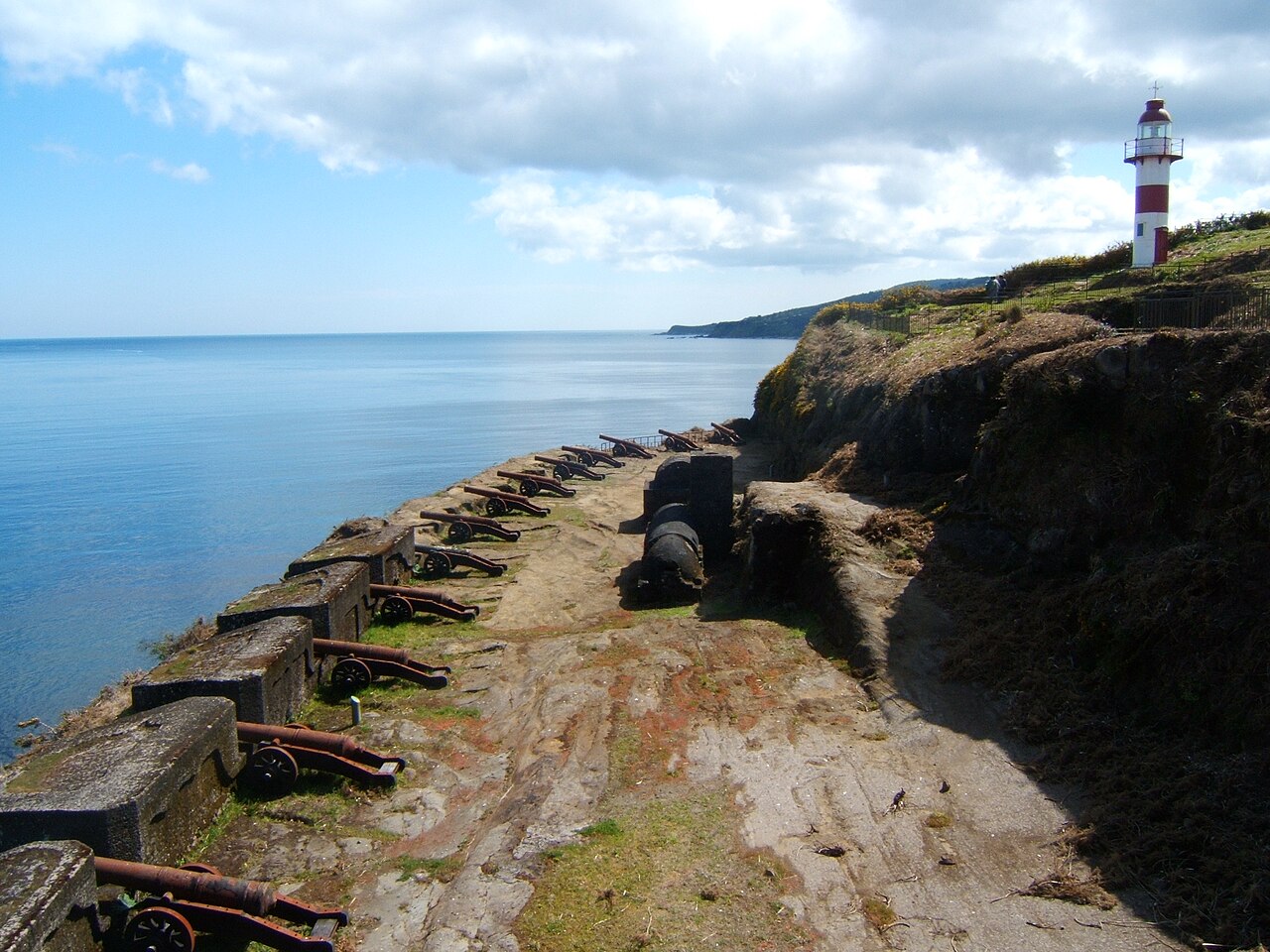
Fuerte Reina Luisa is a prominent 18th-century hill castle located in Chile, constructed during the post-Renaissance period. This fortress was built as part of the Spanish colonial military efforts to secure and control strategic locations in the region. Its position on elevated terrain allowed for extensive surveillance and defense against potential attacks.

Historical background and strategic importance

The castle was established in the 18th century during a time when Spanish colonial authorities sought to strengthen their hold over Chile. The fortress served as a military outpost designed to protect important routes and settlements from indigenous uprisings and foreign incursions. Its construction reflects the broader geopolitical tensions of the era, particularly the need to defend colonial territories in South America.

Architectural features and design

Fuerte Reina Luisa exemplifies characteristics typical of hill castles built in the post-Renaissance period. The fortress is strategically positioned on a hill, providing commanding views of the surrounding landscape. This elevated location was crucial for early warning and defense.

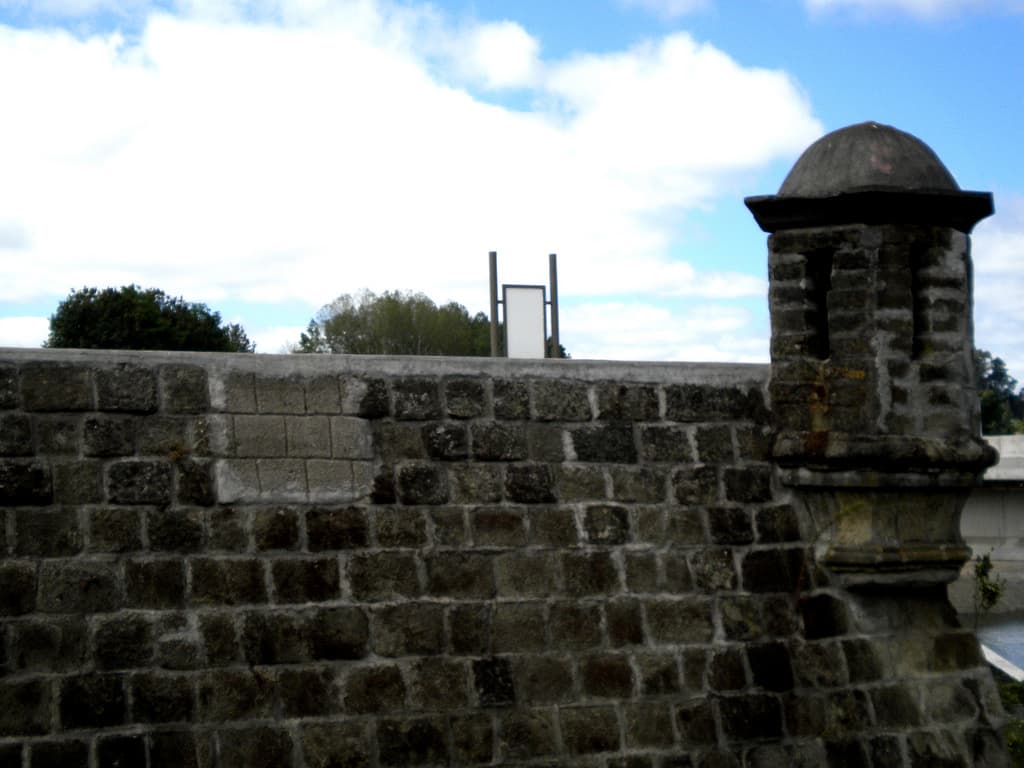
The fortification likely includes robust stone walls and bastions designed to withstand artillery fire, a common feature in military architecture of the time. Defensive elements such as ramparts, gun embrasures, and possibly a moat or ditch would have been integrated to enhance protection. The layout would have been planned to optimize defense while accommodating the garrison and necessary supplies.

Construction materials and techniques

The castle's construction would have utilized locally sourced stone and mortar, typical of colonial military buildings in Chile. The use of durable materials ensured the fortress's longevity despite harsh weather and potential attacks. The masonry techniques reflect the engineering knowledge of the period, combining functionality with resilience.

Role in regional defense and colonial conflicts

Throughout its active use, Fuerte Reina Luisa played a key role in regional defense. It functioned as a deterrent against indigenous resistance and as a base for Spanish military operations. The fortress's presence helped maintain Spanish control over contested territories and secure vital communication and trade routes.

While specific battles or sieges involving the castle are not well documented, its strategic location and fortifications suggest it was an important asset in the colonial military network.

Current condition and preservation

The castle today remains a significant historical site, with parts of its structure still visible. The condition of Fuerte Reina Luisa can be described as partially preserved, with some sections of walls and defensive works intact. Preservation efforts focus on stabilizing the ruins and preventing further deterioration, allowing visitors to appreciate the site's historical and architectural value.

Visiting information and cultural significance

Visitors to Fuerte Reina Luisa can explore the remains of this colonial fortress and gain insight into Chile's military history. The site offers panoramic views from its hilltop position, providing a tangible connection to the past.

The castle is an important cultural landmark, representing the colonial era's military architecture and the complex history of Spanish presence in South America.

Frequently asked questions (FAQ)

How do I get to Fuerte Reina Luisa?
Fuerte Reina Luisa is located in Chile, and can be accessed via public transportation or by car. The nearest major city is Valparaíso, which offers various travel options including buses and taxis. Visitors should plan their route ahead of time for the best experience.
What is the historical significance of Fuerte Reina Luisa?
Fuerte Reina Luisa was built in the 19th century as a coastal defense fortification and played a crucial role during various military conflicts. It symbolizes Chile's efforts to protect its coastal territories from foreign threats. The fort’s historical relevance offers visitors a glimpse into the region's past and military history.
When was Fuerte Reina Luisa constructed?
Construction of Fuerte Reina Luisa began in the 1850s and was completed in 1866. The fort was designed to strengthen Chile's defenses during a time of regional tensions. Its architecture reflects the military styles of the period and contributes to its historical importance.
Can I take a guided tour of the castle?
Yes, guided tours of Fuerte Reina Luisa are available for visitors who want to learn more about its history and architecture. These tours are typically led by knowledgeable guides who provide insights and answer questions. It’s recommended to check the schedule in advance, as tours may vary.
Why is Fuerte Reina Luisa an important architectural site?
Fuerte Reina Luisa showcases a blend of military architectural styles from the 19th century, reflecting the strategic design needed for coastal fortifications. Its robust structure and scenic views of the coastline make it a significant example of military architecture in Chile. The fort's preservation allows visitors to appreciate its historical and cultural value.
Is it possible to visit Fuerte Reina Luisa year-round?
Yes, Fuerte Reina Luisa is open to visitors year-round, although specific opening hours may vary by season. It's advisable to check ahead for any seasonal changes or special events that might affect access. Planning your visit during weekdays can help avoid larger crowds.
What are the ticket prices for visiting Fuerte Reina Luisa?
Ticket prices for Fuerte Reina Luisa are generally very affordable, making it accessible for all visitors. Discounts may be available for students, seniors, or groups. It's best to check the official website or visitor center for the most current pricing information.
What is the best time to visit Fuerte Reina Luisa?
The best time to visit Fuerte Reina Luisa is during the spring and fall months when the weather is mild and pleasant for outdoor exploration. Summer can be quite busy with tourists, while winter may present cooler temperatures and rain. Early mornings are ideal for avoiding crowds and enjoying the scenic views.
Are there any nearby attractions to Fuerte Reina Luisa?
Yes, there are several attractions near Fuerte Reina Luisa, including beautiful beaches and scenic hiking trails along the coastline. Additionally, the vibrant city of Valparaíso, known for its colorful architecture and cultural heritage, is just a short drive away. Exploring these nearby sites can enhance your visit to the fort.

Photo gallery

Fuerte Reina Luisa
Click to view

Photo by Cynthya Silva Cabrera•CC BY 2.0

1 photo • Click any image to view in full screen

Information

Hill Castle

Loading map...

Visitor reviews

No reviews yet. Been here? Write the first review and help other travelers!

Write the first review

Visited this castle? Share your experience

Your review helps other travelers and adds first-hand knowledge to our encyclopedia.
Write a review

(5/5)

0/2000 characters

Your review will be visible after admin approval

Nearby castles

79 km
Castillo San Pedro de Alcántara — Chile castle

Castillo San Pedro de Alcántara

, Chile

Castillo San Pedro de Alcántara is a notable example of a hill castle located in Chile, distinguished by its strategic placement and historical significance. Although specific details about its exact city location are not well-documented, the castle's name and architectural features suggest a colonial-era origin, likely linked to Spanish influence in South America. Historical context and significance The castle's name, San Pedro de Alcántara, references a prominent Spanish saint, indicating its cultural and religious importance during the colonial period. This connection suggests the castle was constructed as part of Spain's efforts to consolidate control over its territories in Chile, serving both defensive and administrative functions. Built on a hill, the castle's location provided a commanding view of the surrounding landscape, a common strategic feature in fortifications designed to monitor and control movement through the area. This elevated position would have been crucial for early warning against attacks and for asserting dominance over nearby settlements. Architectural features and style As a hill castle, Castillo San Pedro de Alcántara likely incorporates typical features such as thick defensive walls, battlements, and possibly a central keep or donjon. These elements were essential for withstanding sieges and providing shelter to its occupants. The architectural style of the castle probably reflects a blend of colonial Spanish military architecture with local adaptations. This style often includes robust stone construction, simple yet effective defensive structures, and integration with the natural terrain to enhance protection. Defensive structures The castle's walls would have been constructed to resist artillery and small arms fire, with bastions or towers positioned to cover all approaches. The entrance was likely fortified with gates and possibly a drawbridge or portcullis to control access. Interior layout Inside, the castle would have contained living quarters, storage rooms, and possibly a chapel, reflecting its dual role as a military and administrative center. Courtyards and open spaces within the walls would facilitate troop movements and daily activities. Role in regional history While specific historical events linked to Castillo San Pedro de Alcántara are not extensively recorded, hill castles in Chile commonly played key roles in colonial defense against indigenous uprisings and foreign incursions. They often served as bases for Spanish forces and centers for local governance. The castle's presence underscores the strategic importance of its location during the colonial period, contributing to the broader network of fortifications that helped maintain Spanish control in the region. Current condition and preservation The current state of Castillo San Pedro de Alcántara is not well-documented, but many similar colonial-era castles in Chile exist as ruins or partially preserved sites. Preservation efforts, if any, would focus on stabilizing remaining structures and promoting the site's historical value. Visiting information Due to limited public information, details about visiting hours, ticket prices, and accessibility are not readily available. Visitors interested in colonial military architecture and Chilean history may find the site of interest if accessible.

Early Medieval (5th–10th c.)
Details
79.9 km
Castillo San Sebastián de la Cruz — Chile castle

Castillo San Sebastián de la Cruz

, Chile

Castillo San Sebastián de la Cruz is a notable 17th-century Renaissance hill castle located in Chile, constructed primarily as a strategic coastal defense fortress. Its position on elevated terrain provided commanding views over the surrounding landscape and sea approaches, making it a critical military installation during its time.Historical context and strategic importanceBuilt in the 17th century, during a period marked by European colonial expansion and frequent maritime conflicts, Castillo San Sebastián de la Cruz was designed to protect Chile's coastline from naval threats. The castle served as a defensive bastion against pirate raids and potential invasions, reflecting the military architecture trends of the Renaissance period in South America.Its construction coincided with the Spanish Empire's efforts to consolidate control over its American territories, and the castle formed part of a broader network of fortifications along the Pacific coast. This network was essential for safeguarding trade routes and colonial settlements from foreign powers and privateers.Architectural features and designThe castle exemplifies Renaissance military architecture adapted to the local geography. Its hill castle classification indicates it was built on elevated ground, taking advantage of natural topography for defense. The fortification likely includes thick stone walls, battlements, and artillery platforms suitable for cannon placement, which were typical of the era's advancements in fortress design.The layout would have incorporated defensive elements such as a fortified gate, watchtowers, and possibly a moat or dry ditch to hinder attackers. The use of angled bastions or star-shaped projections might be present, reflecting Renaissance innovations aimed at deflecting cannon fire and improving defensive coverage.Construction materials and techniquesThe castle was probably constructed using locally sourced stone and mortar, materials favored for their durability against artillery bombardment and harsh coastal weather. The masonry work would have been robust, with walls thick enough to absorb cannon impacts and protect the garrison inside.Role and evolution over timeThroughout its operational life, Castillo San Sebastián de la Cruz played a key role in regional defense. Its strategic location allowed it to monitor and control maritime traffic, contributing to the security of nearby settlements and trade activities.Over the centuries, the castle may have undergone modifications to adapt to changing military technologies and threats. However, the core Renaissance design principles likely remained evident, preserving its historical architectural character.Preservation and current statusToday, Castillo San Sebastián de la Cruz stands as a significant heritage site reflecting Chile's colonial past and military history. While specific details on its current condition are limited, hill castles from this period often face challenges such as weathering and structural degradation.Efforts to preserve such fortifications typically focus on stabilizing masonry, preventing further decay, and facilitating public access for educational and cultural purposes. The castle remains an important symbol of the region's historical defense systems and colonial architecture.Visiting information and cultural significanceVisitors to the castle can appreciate its commanding views and architectural features that illustrate 17th-century Renaissance military engineering. The site offers insights into the colonial era's defensive strategies and the broader geopolitical context of the Pacific coast during that time.As a cultural landmark, the castle contributes to Chile's historical narrative and serves as a point of interest for tourists, historians, and architecture enthusiasts alike.

Renaissance (15th–17th c.)
Details
81.3 km
Castle of the Pure and Clean Conception of Monfort de Lemus — Chile castle

Castle of the Pure and Clean Conception of Monfort de Lemus

, Chile

The Castle of the Pure and Clean Conception of Monfort de Lemus is a notable example of a Renaissance hill castle located in Chile, dating back to the 17th century. This fortress exemplifies the architectural and military strategies employed during the Renaissance period in South America, reflecting European influences adapted to the local geography and needs. Historical background and significance Constructed in the 17th century, the castle was strategically positioned on a hill to oversee and control the surrounding territory. The choice of location provided natural defensive advantages, a common feature for hill castles of the period. The castle's name, Pure and Clean Conception, suggests a religious or symbolic dedication, which was typical for castles built during the Renaissance, often serving both military and administrative functions. During this era, the Spanish colonial influence was strong in Chile, and such castles were crucial for asserting control over the region and protecting settler communities from indigenous uprisings and rival colonial powers. The castle likely played a role in local defense and governance, although specific historical events tied to it require further detailed research. Architectural features and style The castle's design follows Renaissance architectural principles, characterized by symmetry, proportion, and the use of classical elements. While detailed architectural plans are scarce, typical features of Renaissance hill castles include robust stone walls, bastions or angled towers for improved defense, and a central keep or donjon. The elevated position of the castle allowed for extensive views of the surrounding landscape, enhancing its defensive capabilities. The construction materials would have primarily consisted of locally sourced stone and mortar, ensuring durability against both military attacks and the natural elements. Defensive structures The castle likely included battlements and curtain walls designed to withstand sieges. The presence of a gatehouse would have controlled access, possibly fortified with a drawbridge or portcullis. Defensive towers positioned at strategic points would have allowed defenders to monitor and repel attackers effectively. Interior layout Inside, the castle would have contained residential quarters, storerooms, and possibly a chapel, reflecting its dual role as a fortress and administrative center. The living spaces were generally arranged around a central courtyard, facilitating movement and communication within the castle walls. Current condition and preservation The current state of the Castle of the Pure and Clean Conception of Monfort de Lemus is not widely documented, but as a historic structure from the 17th century, it may range from partially preserved to ruins. Preservation efforts, if any, would focus on stabilizing remaining structures and protecting the site from further degradation. Given its historical and architectural value, the castle represents an important cultural heritage site in Chile, offering insights into colonial military architecture and the region's history during the Renaissance period. Visiting information and tourism potential Details about public access, visiting hours, and ticket prices are not readily available, suggesting the site may be off the typical tourist trail or under private ownership. However, castles like this often attract historians, architects, and tourists interested in colonial history and military architecture. Visitors to the region may find the castle an intriguing destination for exploring Chile's colonial past, especially when combined with other historical sites in the area.

Renaissance (15th–17th c.)
Details