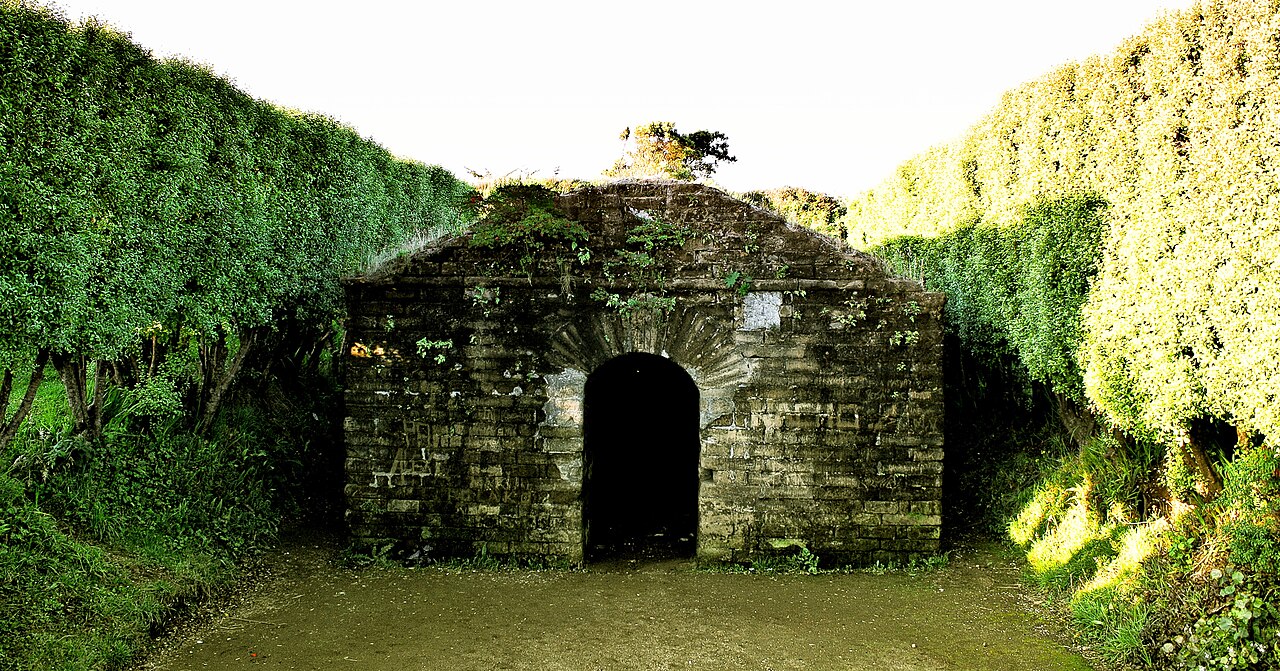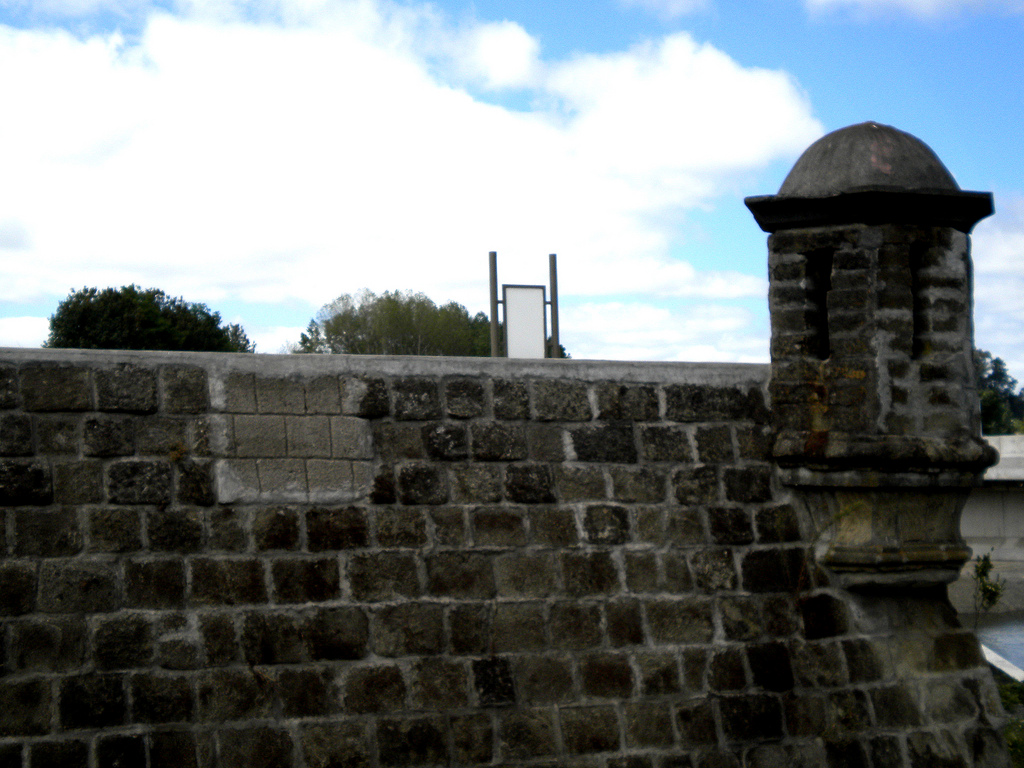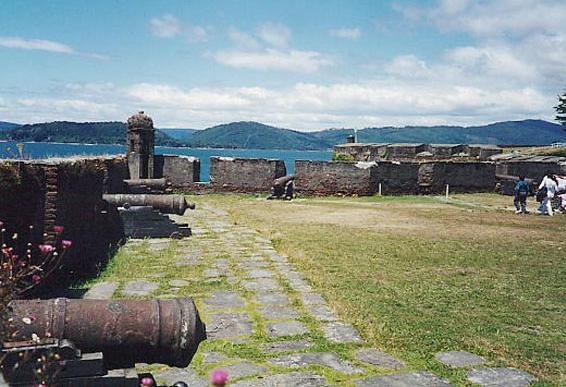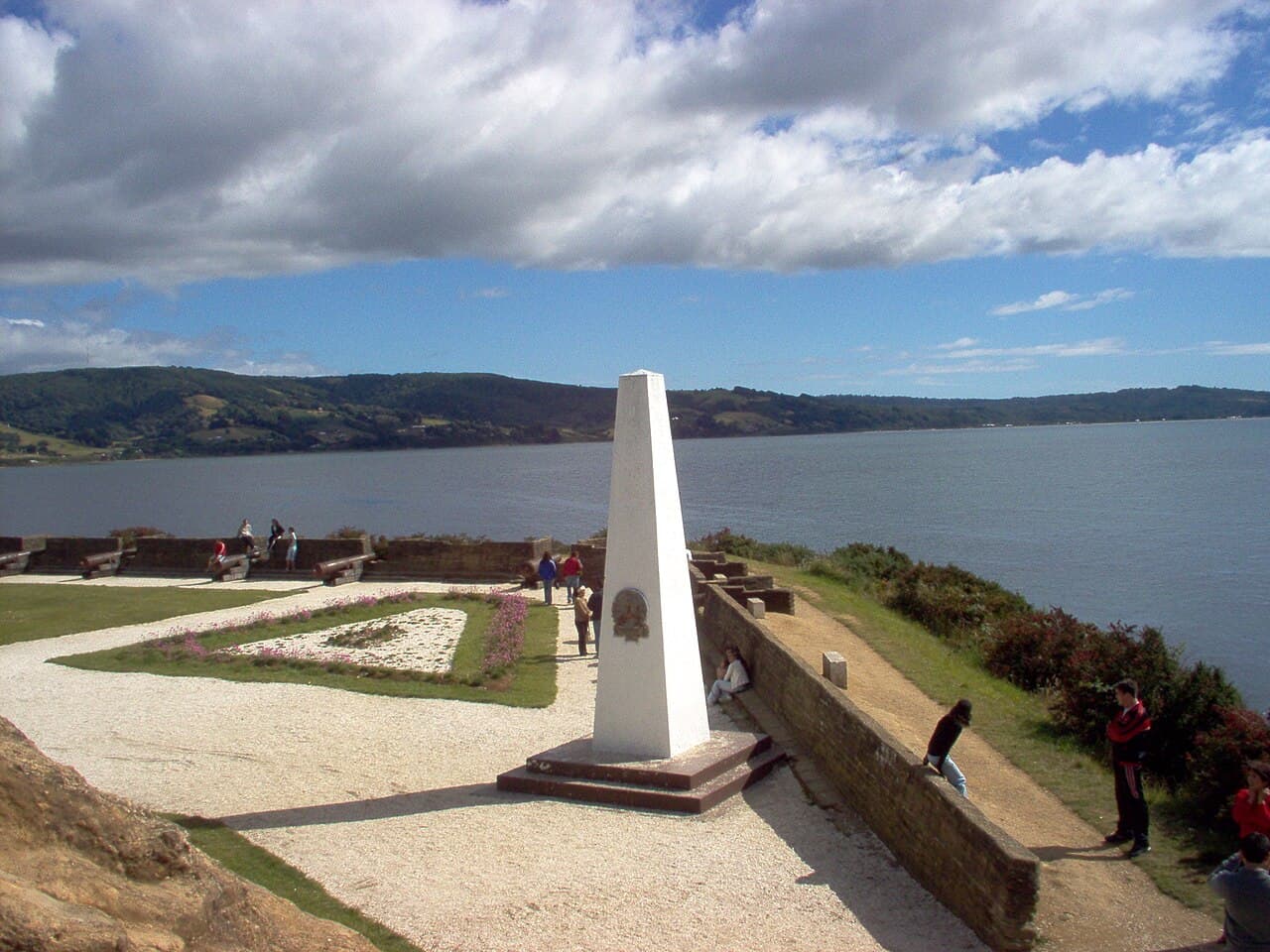
Fuerte San Antonio is a notable example of a bastioned fortress located in Chile. This type of fortress is characterized by angular bastions projecting from the main walls, designed to provide overlapping fields of fire and improved defense against artillery. Such fortresses were a common feature of colonial military architecture, especially in strategic coastal or frontier locations where protection against naval attacks and indigenous uprisings was essential.
Historical context and strategic importance
Constructed during the period when Spain sought to fortify its American territories, Fuerte San Antonio played a significant role in the defense system along the Chilean coast. The fortress was part of a network of fortifications aimed at securing vital maritime routes and protecting settlements from pirate raids and foreign invasions. Although the exact date of construction is not definitively recorded, bastioned fortresses of this kind were typically built from the 16th to 18th centuries, aligning with the era of Spanish colonial expansion.
The location of Fuerte San Antonio was chosen for its tactical advantage, often situated on elevated ground or near important waterways to maximize visibility and control. This positioning allowed the garrison to monitor approaching ships and coordinate defensive actions effectively.
Architectural features and design
The fortress exemplifies the bastioned fortress design, which evolved from the Italian trace fortification system. Its layout includes angular bastions at the corners, designed to eliminate blind spots and enable defenders to cover adjacent walls with cannon and musket fire. The walls were typically thick and sloped to better absorb and deflect artillery fire.
Within the fortress, one would expect to find a central courtyard surrounded by barracks, powder magazines, and command buildings. The entrance was often heavily fortified with gates and drawbridges, enhancing the security of the complex. Defensive ditches or moats may have been present to hinder enemy approach.
Construction materials and techniques
Local stone and brick were commonly used in the construction of such fortresses, combined with lime mortar. The builders employed techniques to ensure durability against both natural erosion and military assault. The walls' thickness and the bastions’ angular design reflect knowledge of contemporary military engineering principles.
Role in regional history
Fuerte San Antonio contributed to the Spanish colonial defense system in Chile, protecting the region from external threats and maintaining control over important maritime routes. While specific battles or sieges involving the fortress are not well documented, its presence was a deterrent to potential attackers.
Over time, as military technology and political circumstances changed, the fortress may have been partially abandoned or repurposed. Such changes were common as coastal defenses evolved with the advent of new artillery and naval capabilities.
Current condition and heritage status
The current state of Fuerte San Antonio is not extensively documented, but bastioned fortresses in Chile often survive as ruins or partially preserved structures. These sites are valuable for understanding colonial military architecture and are sometimes protected as cultural heritage landmarks.
Visitors to such sites can observe the fortress layout, remnants of walls and bastions, and the strategic location that once made the fortress a key defensive position.
Visiting information and accessibility
Information on public access, visiting hours, and entrance fees for Fuerte San Antonio is limited. Prospective visitors should check local tourism resources or heritage organizations for the latest details. The site may offer opportunities for historical tours and educational programs highlighting colonial military history.
Frequently asked questions (FAQ)
- What is the historical significance of Fuerte San Antonio?
- Fuerte San Antonio is a historic fortification built in the 18th century to protect the coastal city of Punta Arenas from potential invasions. It played a crucial role during various conflicts in the region and serves as a testament to Chile's colonial military architecture.
- When was Fuerte San Antonio constructed?
- Construction of Fuerte San Antonio began in 1764 and was completed in 1775. The fort was strategically built to provide defense for the Strait of Magellan and has since become an important symbol of Chile's maritime history.
- Is it possible to visit Fuerte San Antonio?
- Yes, Fuerte San Antonio is open to the public, allowing visitors to explore its historical grounds and learn about its rich history. Guided tours are available, providing deeper insights into the fort's significance and architecture.
- What are the opening hours for Fuerte San Antonio?
- Fuerte San Antonio typically opens to visitors from 9 AM to 5 PM, but these hours may vary during holidays or special events. It is advisable to check the official website or contact local tourism information for the latest updates.
- Can I take photographs inside Fuerte San Antonio?
- Yes, photography is encouraged within Fuerte San Antonio, allowing visitors to capture the stunning architecture and breathtaking views of the surrounding area. However, please be respectful of any signage regarding restricted areas.
- What is the best time to visit Fuerte San Antonio?
- The best time to visit Fuerte San Antonio is during the summer months, from December to February, when the weather is milder and ideal for outdoor activities. This period also coincides with increased tourist activity, offering a lively atmosphere.
- Are there any nearby attractions to Fuerte San Antonio?
- Yes, visitors can explore several nearby attractions, including the historic city center of Punta Arenas and the beautiful landscapes of the surrounding national parks. Additionally, the Magellan Strait offers opportunities for boat tours and wildlife watching.
- What are the ticket prices for Fuerte San Antonio?
- Admission to Fuerte San Antonio is generally free, making it an accessible destination for all visitors. However, special guided tours may have a fee, which provides additional insights into the fort's history and significance.
- How do I get to Fuerte San Antonio?
- Fuerte San Antonio is located in Punta Arenas and can be easily reached by foot from the city center. Public transportation options are also available, including taxis and local buses, making it convenient for visitors to access the site.
Photo gallery

Information
Loading map...
Visitor reviews
No reviews yet. Been here? Write the first review and help other travelers!
Write the first reviewVisited this castle? Share your experience
Your review helps other travelers and adds first-hand knowledge to our encyclopedia.