Fuerte de San Carlos, Ancud
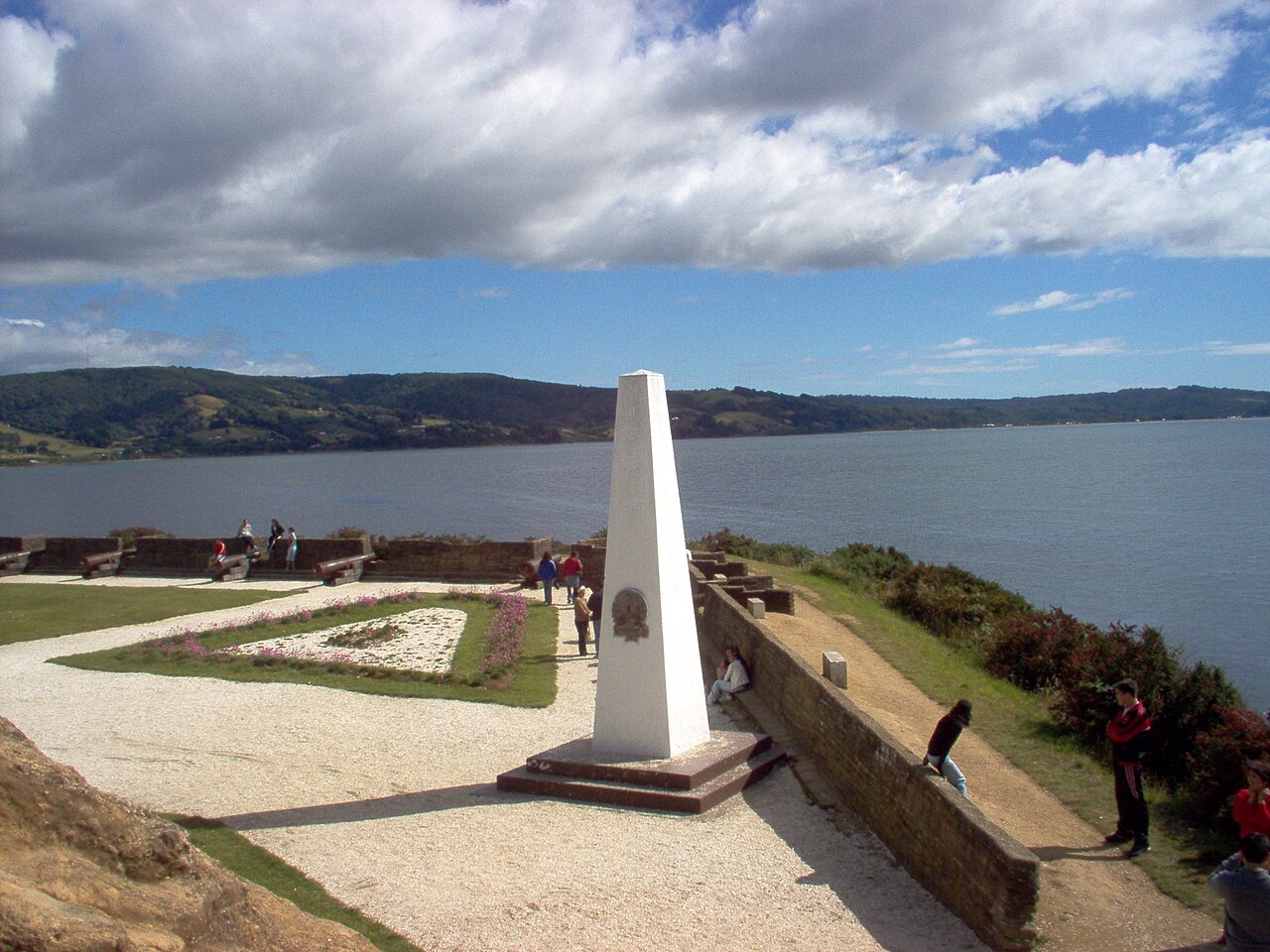
Fuerte de San Carlos is a historic hill castle located in Ancud, Chile. It was constructed during the 18th century as part of Spain's colonial defense system in the southern Pacific coast of South America. The fortress was built to protect the strategic Chiloé Archipelago from foreign naval threats and pirate attacks, reflecting the military concerns of the period.
Historical context and significance
The construction of Fuerte de San Carlos began in the mid-1700s, under Spanish colonial rule, as part of a broader effort to fortify key points along the coast of Chile. Ancud was chosen due to its strategic location on the northern shore of Chiloé Island, controlling access to the archipelago and the important maritime routes in the region. The fort played a significant role in the defense against foreign incursions, especially during periods of conflict such as the Spanish-British wars and local indigenous uprisings.
The fortress is linked to the broader history of the Chiloé Archipelago, which was one of the last strongholds of Spanish control in Chile. Its military architecture and strategic placement illustrate the importance of coastal defense in the colonial era.
Architectural features and layout
Fuerte de San Carlos is classified as a hill castle due to its elevated position overlooking the surrounding landscape and sea routes. The fortress was designed with typical colonial military architecture of the 18th century, featuring thick stone walls, bastions, and a commanding view of the bay.
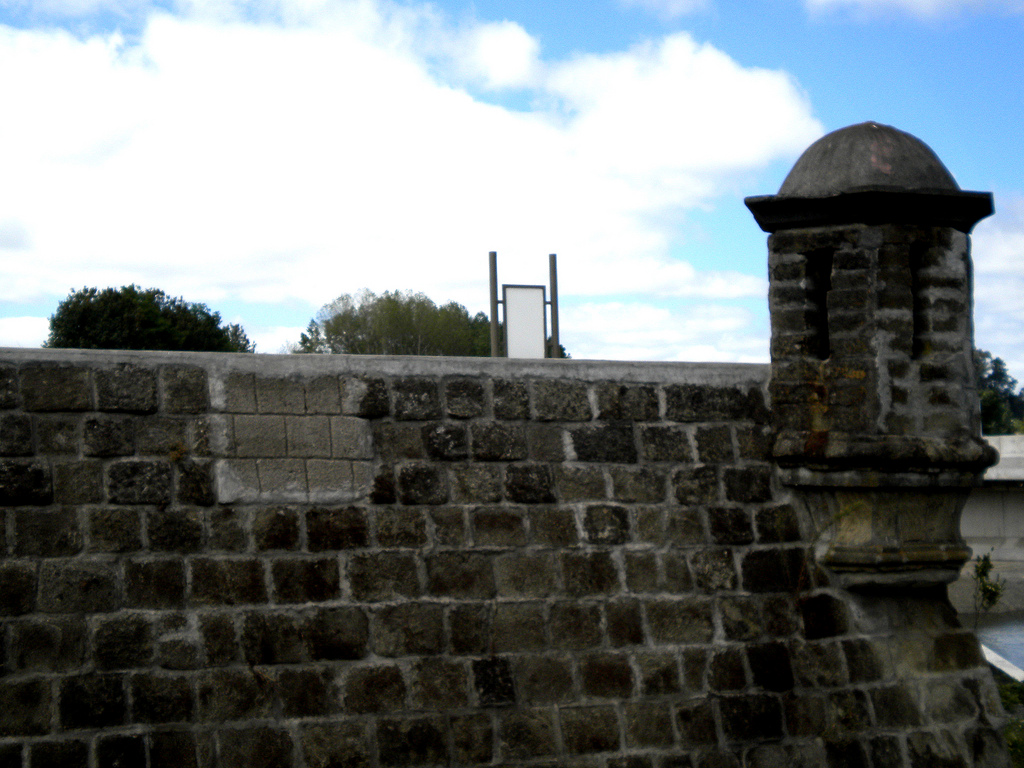
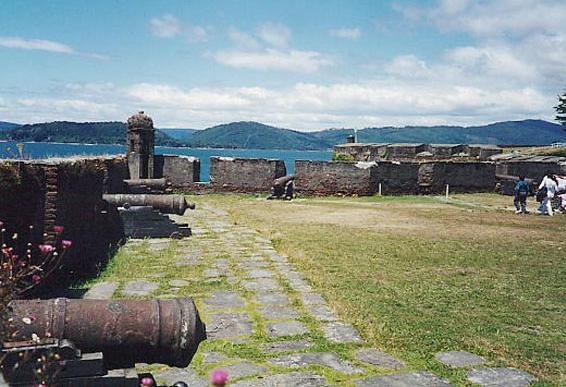
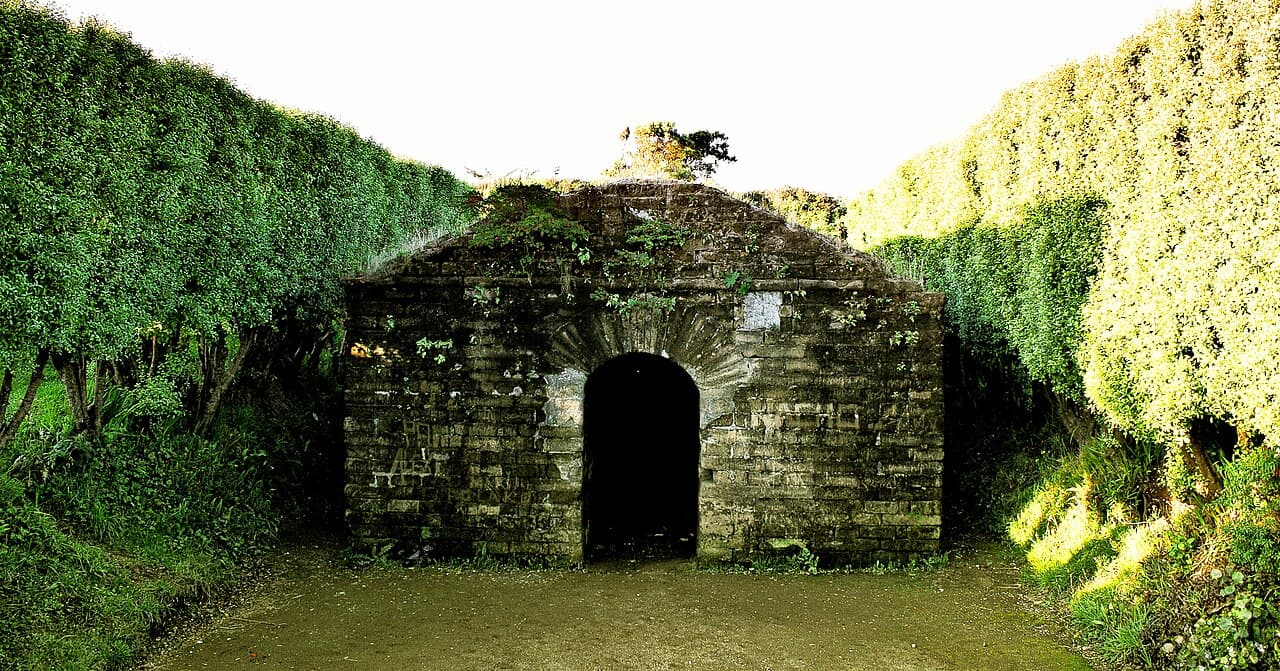
The layout includes a main defensive wall with bastions at the corners, designed to provide overlapping fields of fire against attackers. The walls are constructed from local stone and mortar, built to withstand cannon fire and sieges. Inside the fortress, there were barracks, storage rooms, and artillery placements. The elevated position allowed defenders to monitor approaching ships and coordinate defense effectively.
Defensive structures
The fort's bastions were equipped with cannon emplacements, allowing for a broad range of fire to cover the maritime approaches. The entrance was fortified with a gatehouse and defensive walls to control access. The design reflects European military engineering principles adapted to the local geography and available materials.
Role in regional history
Throughout its active use, Fuerte de San Carlos served as a key military installation in the defense of the Chiloé Archipelago. It was involved in several military engagements and served as a deterrent against foreign naval powers. The fort also played a role during Chile's independence movements, although its primary function was coastal defense.
After the decline of Spanish colonial power in the 19th century, the fortress gradually lost its military importance. It remains a significant cultural and historical monument, reflecting the colonial military heritage of southern Chile.
Preservation and current status
Today, Fuerte de San Carlos is recognized as a historical site. While parts of the fortress have deteriorated over time, significant portions of the walls and bastions remain partially preserved. Efforts have been made to maintain and restore sections of the fort to preserve its historical and architectural value.
The site is accessible to visitors interested in Chilean colonial history and military architecture. Its location offers panoramic views of Ancud and the surrounding bay, enhancing its appeal as a cultural landmark.
Visiting information and cultural importance
Visitors to Fuerte de San Carlos can explore the remains of the fortress and learn about its role in the defense of the Chiloé Archipelago. The site provides insight into 18th-century military engineering and colonial history. It is an important heritage site for the local community and Chilean history enthusiasts.
Frequently asked questions (FAQ)
- What is the historical significance of Fuerte de San Carlos?
- Fuerte de San Carlos, built in the 18th century, played a crucial role in defending the city of Ancud and the southern Chilean coast from foreign invasions. It is one of the few remaining military structures from the colonial period and symbolizes the strategic military importance of the region during the Spanish colonial era.
- When was Fuerte de San Carlos constructed?
- Fuerte de San Carlos was constructed in 1770, under the direction of the Spanish crown, to protect the southern territories of Chile. The fortification has endured various historical events, making it an important site for understanding Chile's colonial past.
- What are the opening hours for Fuerte de San Carlos?
- Fuerte de San Carlos is open to visitors daily from 9 AM to 6 PM. It's advisable to check for any seasonal changes in hours or special holiday closures before planning your visit.
- Can I enter Fuerte de San Carlos for free?
- Yes, entrance to Fuerte de San Carlos is free for all visitors, allowing everyone the opportunity to explore this historical site. However, guided tours may incur a small fee, which can enhance your understanding of the fort's history.
- Is Fuerte de San Carlos accessible for visitors with disabilities?
- Yes, Fuerte de San Carlos has made efforts to ensure accessibility for all visitors. There are pathways suitable for wheelchair access, although some areas may be challenging due to the fort's historic structure.
- What is the best time to visit Fuerte de San Carlos?
- The best time to visit Fuerte de San Carlos is during the summer months, from December to February, when the weather is typically warm and suitable for outdoor activities. Visiting during this period also allows you to enjoy local festivals and events in Ancud.
- Are there nearby attractions to Fuerte de San Carlos?
- Yes, there are several nearby attractions, including the picturesque Ancud Cathedral and the beautiful beaches along the coastline. The local market and artisan shops in Ancud also provide a taste of the region's culture and crafts.
- How do I get to Fuerte de San Carlos?
- Fuerte de San Carlos is easily accessible by car, public transport, or on foot from the center of Ancud. There are local buses that run frequently, and the fort is well-signposted, making it convenient for visitors.
- What architectural style is Fuerte de San Carlos?
- Fuerte de San Carlos is designed in the traditional military architecture style of the 18th century, featuring thick stone walls and bastions. Its strategic layout reflects the needs for defense during its time, with vantage points for guarding against potential threats.
Photo gallery

Information
Loading map...
Visitor reviews
No reviews yet. Been here? Write the first review and help other travelers!
Write the first reviewVisited this castle? Share your experience
Your review helps other travelers and adds first-hand knowledge to our encyclopedia.