Fuerte Bulnes
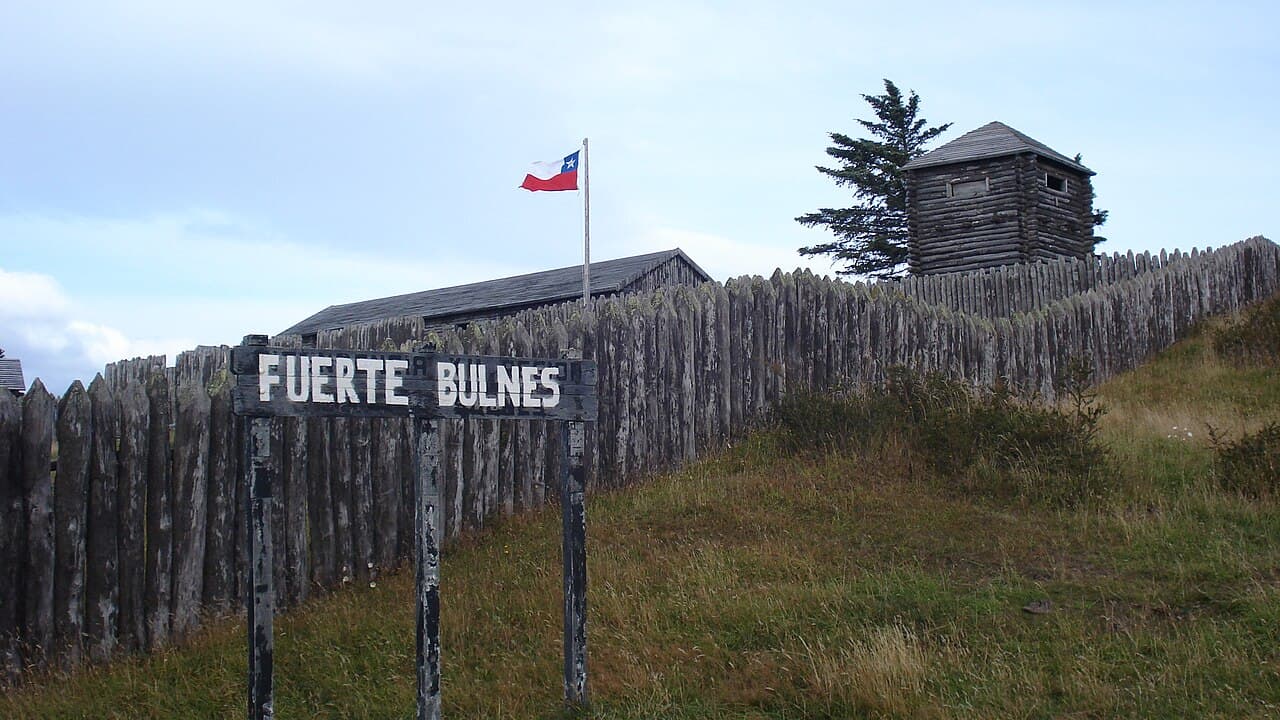
Fuerte Bulnes is a significant 19th-century bastioned fortress located on a rocky hill at Punta Santa Ana, near the Strait of Magellan in southern Chile. Founded in 1843 under the directive of President Manuel Bulnes Prieto, the fort was part of a strategic effort to establish Chilean sovereignty over the crucial maritime passage and to promote colonization in the southernmost regions of the country.
Founding and strategic importance
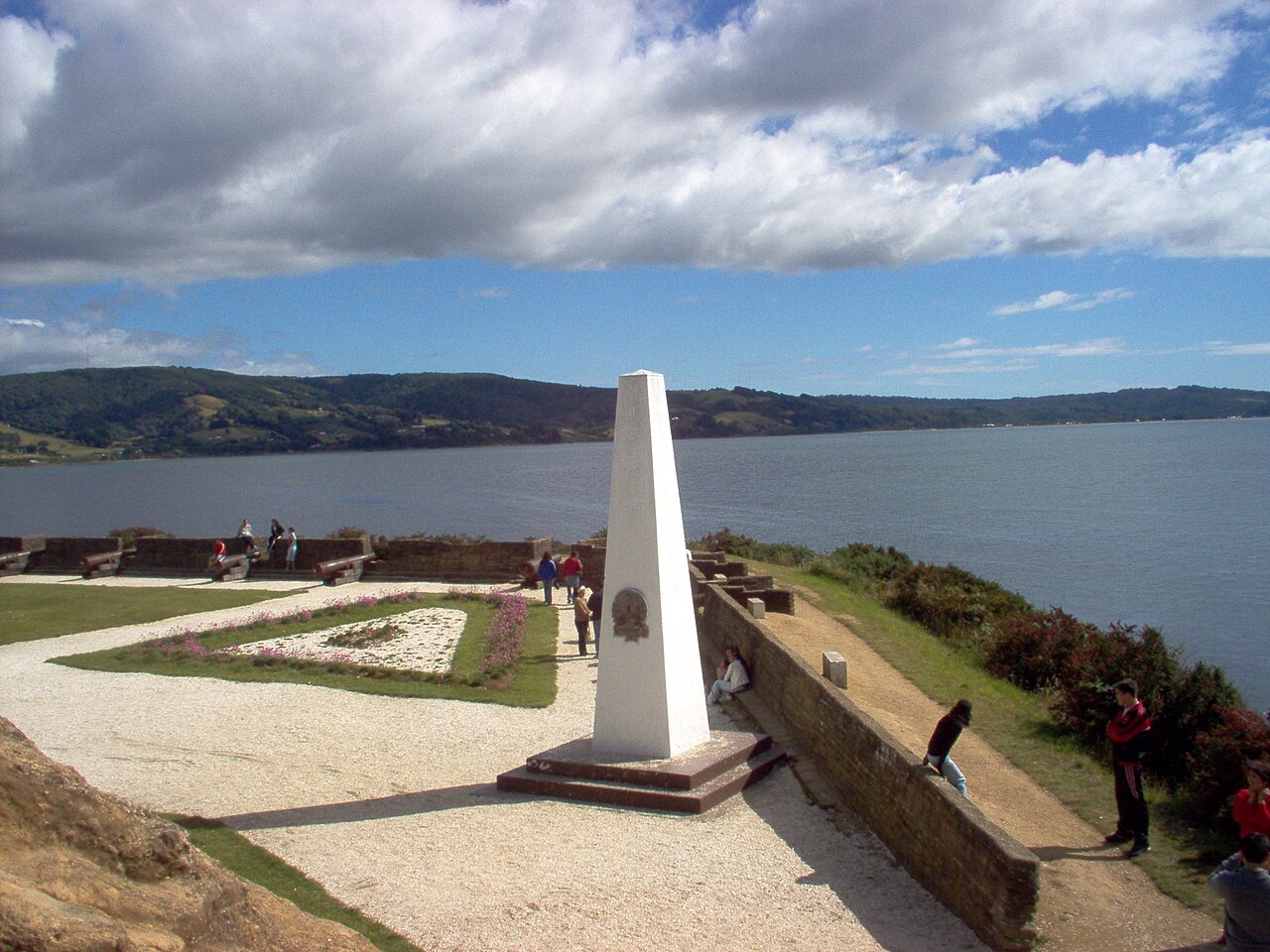
The fort was established at a site approximately 62 kilometers south of what would become Punta Arenas, near the historic site of Puerto del Hambre. It was conceived as a military outpost to assert Chilean control over the Strait of Magellan, a vital navigation route connecting the Atlantic and Pacific Oceans before the construction of the Panama Canal. The location was chosen for its commanding view and defensible terrain, featuring rocky hills ideal for fortification.
The initiative was part of President Bulnes's broader colonization policies aimed at securing Chile's southern territories against competing claims by other nations. To facilitate the project, the governor of Chiloé, Domingo Espiñeira Riesco, commissioned the construction of a schooner named Ancud, which sailed from Ancud to Punta Santa Ana in 1843 under the command of John Williams Wilson, a British-born officer in the Chilean Navy. Williams was responsible for directing the fort's construction upon arrival.
Architectural features and construction
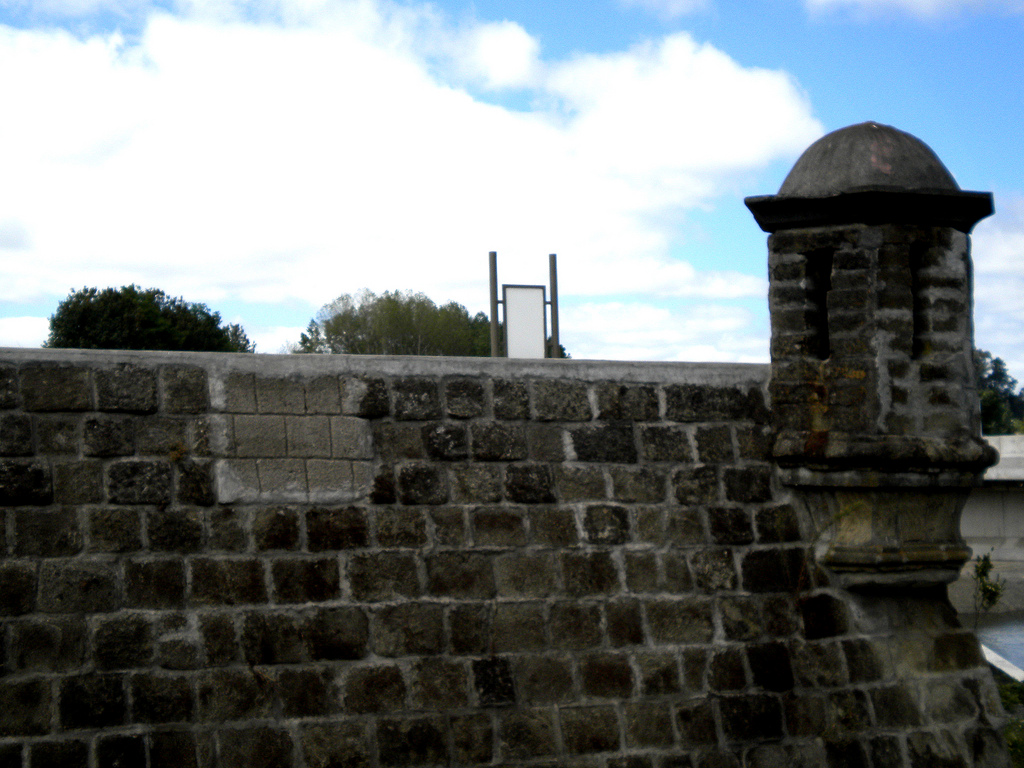
Fuerte Bulnes was built primarily using locally available materials, including logs and earth mixed with grass to form sturdy bricks, a practical choice given the remote location and harsh climate. The fort's design incorporated bastioned defensive elements typical of 19th-century military architecture, allowing for overlapping fields of fire and enhanced protection against potential attacks.
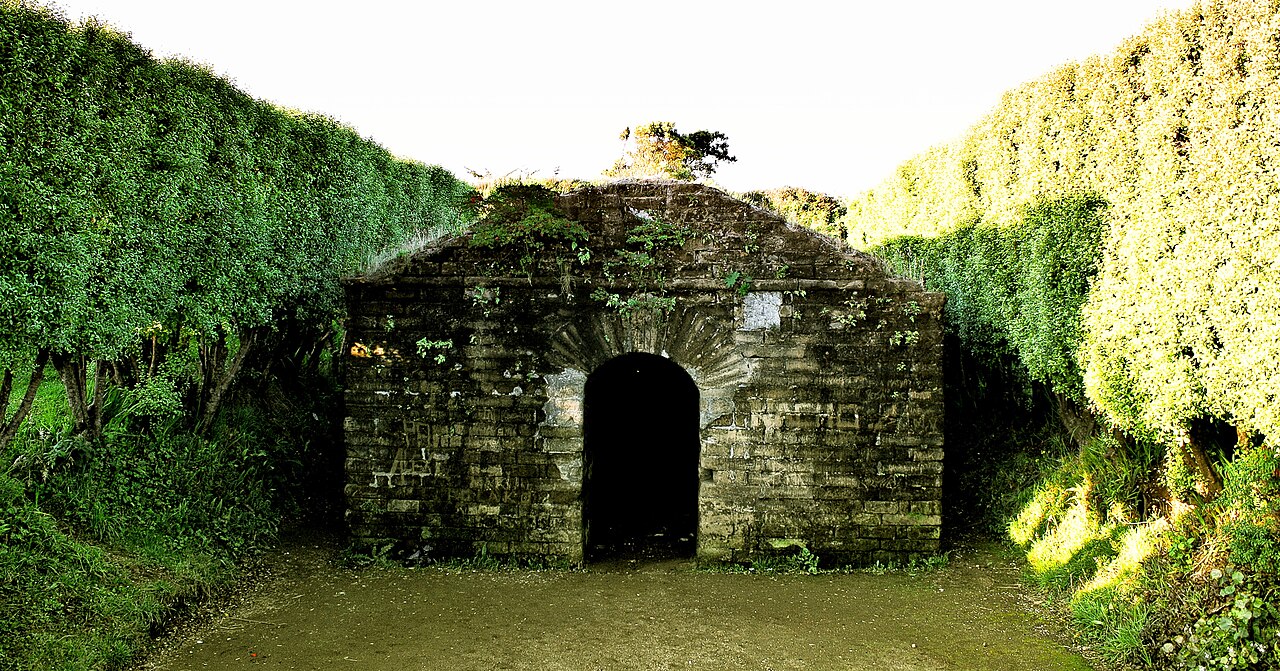
The fort complex included essential structures such as a church, chaplain's quarters, a jail, a powder magazine, a post office, and stables, reflecting its dual role as both a military installation and a nascent settlement. Despite these efforts, the severe weather conditions and isolation hindered the growth of a stable civilian population.
Decline and abandonment
After six years, the difficulties in sustaining a community at Fuerte Bulnes led to the founding of Punta Arenas in 1848, located in the more hospitable Sandy Point area. As settlers and military personnel relocated to this new settlement, the fort was abandoned. The military forces, under the supervision of Lieutenant Cambiazo, deliberately destroyed the fort by burning it to prevent its use by rival powers or unauthorized occupants.
Restoration and modern significance
Between 1941 and 1943, the Chilean government undertook a reconstruction of Fuerte Bulnes as a historic monument, aiming to preserve its legacy and educate the public about its role in Chilean history. The restoration faithfully recreated the original buildings, including the church, chaplain's quarters, jail, powder magazine, post office, and stables, providing visitors with a tangible connection to the mid-19th-century frontier life.
In 1968, Fuerte Bulnes was officially declared a national monument, recognizing its cultural and historical importance. Today, the site is managed by a private company and serves as a tourist attraction, offering insights into Chile's efforts to consolidate its southern territories and control the strategic Strait of Magellan.
Location and accessibility
Fuerte Bulnes is situated in the Magallanes and Chilean Antarctica Region, near the city of Punta Arenas. Visitors can reach the site by road, traveling approximately 62 kilometers south from Punta Arenas. The fort's remote location and exposed setting provide a vivid sense of the challenges faced by early settlers and soldiers in this harsh environment.
Historical context and legacy
The establishment of Fuerte Bulnes reflects the geopolitical tensions of the 19th century, when control over the Strait of Magellan was contested by various powers due to its strategic maritime value. The fort's creation was a clear assertion of Chilean sovereignty and a key component of the country's southern colonization strategy.
Although the fort itself was short-lived as a functional military post, its reconstruction and preservation have ensured its place in Chile's national heritage. It stands as a symbol of the determination to establish a presence in one of the most remote and challenging regions of the Americas.
Frequently asked questions (FAQ)
- How do I get to Fuerte Bulnes from Punta Arenas?
- Fuerte Bulnes is located about 62 kilometers south of Punta Arenas. Visitors can reach the fort by car or guided tour, traveling along the main road towards Punta Santa Ana.
- What is the historical significance of Fuerte Bulnes?
- Fuerte Bulnes was established in 1843 to secure Chilean sovereignty over the strategic Strait of Magellan and to promote colonization in southern Chile.
- Can I visit the reconstructed buildings at Fuerte Bulnes?
- Yes, the fort was reconstructed between 1941 and 1943 and includes buildings such as the church, chaplain's quarters, jail, powder magazine, post office, and stables, all open to visitors.
- When was Fuerte Bulnes declared a national monument?
- Fuerte Bulnes was declared a national monument in 1968, recognizing its cultural and historical importance to Chile.
- Why was Fuerte Bulnes abandoned?
- The fort was abandoned after six years due to harsh weather and difficulty sustaining a stable population, leading settlers to relocate to Punta Arenas in 1848.
Photo gallery

Information
Current owner
Private company
Loading map...
Visitor reviews
No reviews yet. Been here? Write the first review and help other travelers!
Write the first reviewVisited this castle? Share your experience
Your review helps other travelers and adds first-hand knowledge to our encyclopedia.