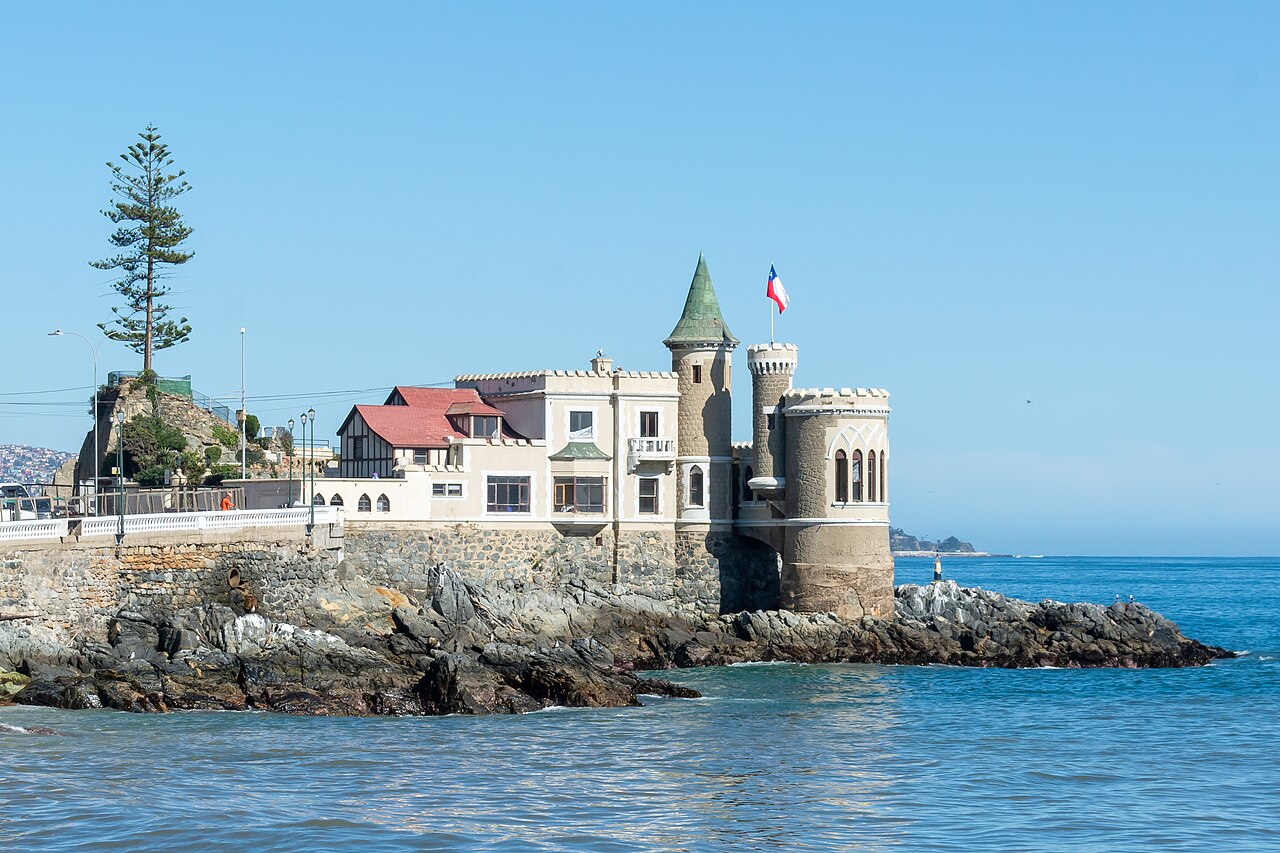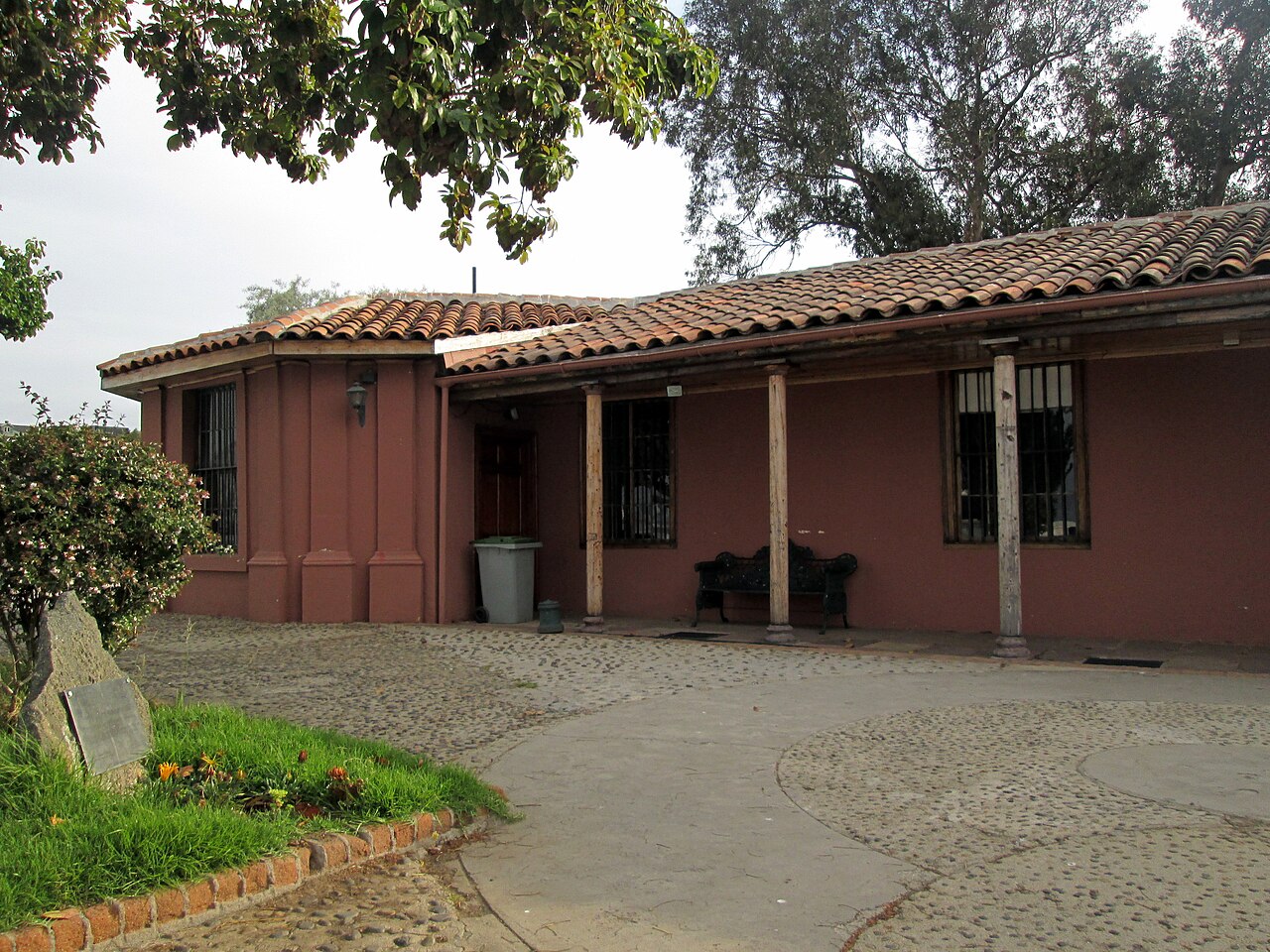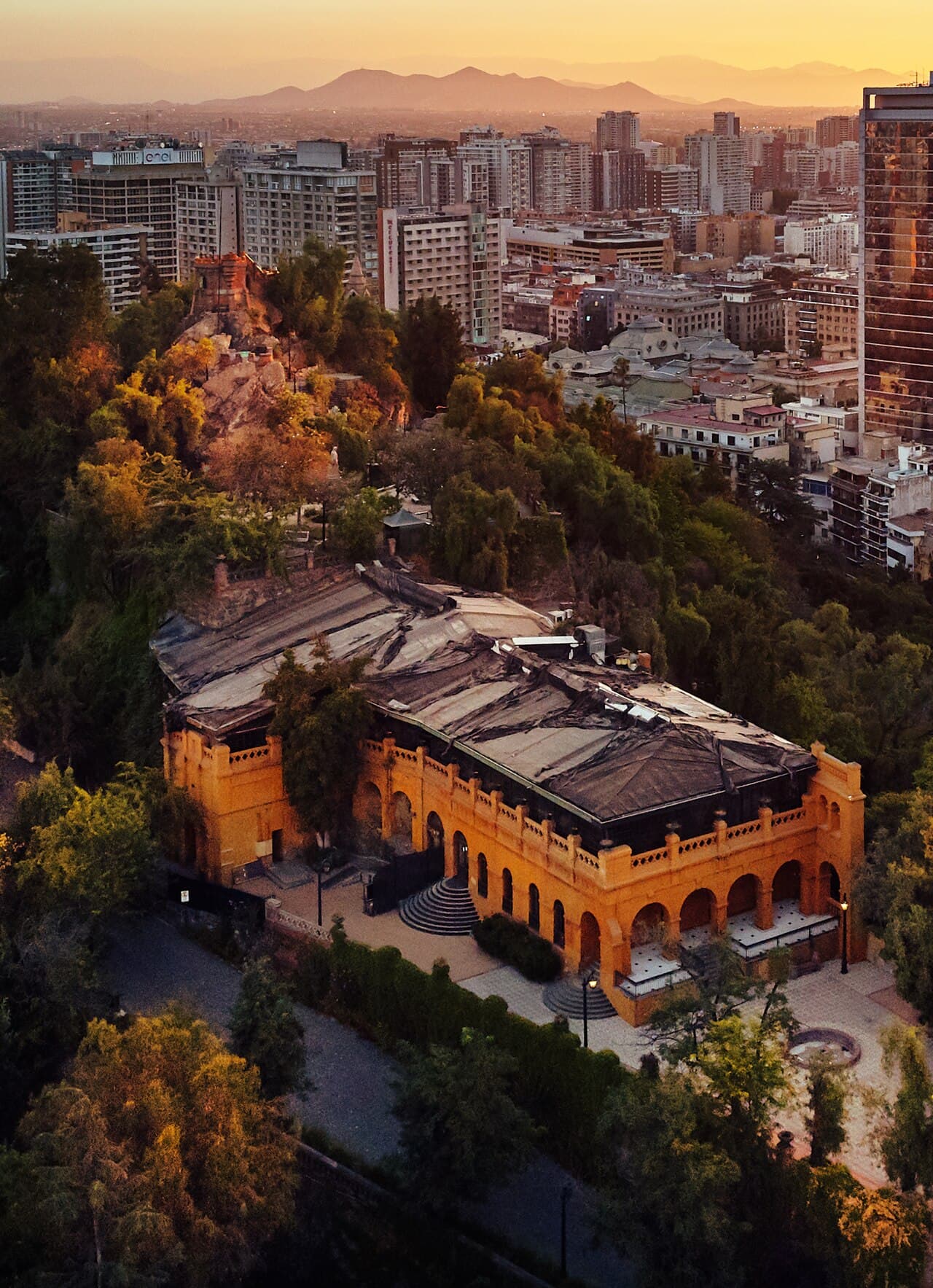
Castillo Hidalgo — Chile castle

Castillo Hidalgo

Castillo Hidalgo, historic hilltop fortress in Valparaíso, Chile
Valparaíso, Chile
Post-Renaissance (17th–18th c.)
Well Preserved

Castillo Hidalgo is a prominent hill castle located in the coastal city of Valparaíso, Chile. Constructed in the 19th century, this fortress was strategically built atop a hill to provide commanding views over the city and the Pacific Ocean, serving as a key element in the defense system of Valparaíso, an important port city.

Historical context and strategic importance

The construction of Castillo Hidalgo began in the mid-1800s, during a period when Chile was strengthening its coastal defenses in response to international naval threats and regional conflicts. The castle was part of a broader network of fortifications designed to protect Valparaíso, which was one of the most significant maritime hubs on the west coast of South America.

Its elevated position on a hill allowed for extensive surveillance of approaching ships and provided a strategic advantage in repelling potential attacks. The castle played a role in safeguarding Chile's sovereignty and maritime interests during a time of growing global naval power.

Architectural features and design

Castillo Hidalgo exemplifies military architecture typical of the 19th century, combining functional design with the natural topography of the hill. The fortress features robust stone walls and bastions that were constructed to withstand artillery fire and provide defensive firing positions.

The layout includes a series of ramparts and gun emplacements oriented towards the sea, allowing defenders to cover multiple angles of approach. The castle's design reflects the transition from traditional medieval fortresses to more modern bastioned fortifications influenced by advances in artillery technology.

Construction materials and techniques

The castle was primarily built using locally sourced stone and mortar, chosen for durability and resistance to the harsh coastal climate. The builders employed masonry techniques that ensured the walls could absorb and deflect cannonball impacts.

The castle's role through history

While Castillo Hidalgo never experienced major battles, it served as a deterrent against naval incursions and as a symbol of Chilean military strength. Over time, its military role diminished with advances in naval warfare and changes in geopolitical threats.

In the 20th century, the fortress was repurposed for various uses, including as a cultural site and public park. Today, it stands as a well-preserved historical monument and tourist attraction, offering visitors panoramic views of Valparaíso and the Pacific Ocean.

Visitor experience and cultural significance

The castle is accessible to the public and features walking paths around the ramparts, informational plaques detailing its history, and scenic viewpoints. Its location on a hill makes it a popular spot for photography and sightseeing.

Castillo Hidalgo is recognized as a cultural heritage site, reflecting Chile's military history and architectural evolution. It contributes to the identity of Valparaíso, a city known for its rich maritime heritage and vibrant urban landscape.

Preservation and current condition

The fortress is well preserved, with ongoing maintenance efforts to protect its structural integrity against weathering. Restoration projects have focused on stabilizing the walls and preserving original features to maintain its historical authenticity.

Frequently asked questions (FAQ)

How do I get to Castillo Hidalgo?
Castillo Hidalgo is located in Valparaíso, Chile, and can be easily accessed by public transportation or taxi. The nearest metro station is a short walk away, and parking is available nearby for those traveling by car.
What is the historical significance of Castillo Hidalgo?
Built in the 19th century, Castillo Hidalgo was designed as a fortress to defend the port of Valparaíso. It symbolizes Chile's military architecture and has witnessed significant events in the country's history, making it a vital part of Chilean heritage.
When was Castillo Hidalgo constructed?
Construction of Castillo Hidalgo began in 1880 and was completed in 1886. The castle was designed by the French architect Claude François de la Croix, reflecting the military needs of the time.
Can I take guided tours of Castillo Hidalgo?
Yes, guided tours are available at Castillo Hidalgo, offering visitors an in-depth look at its history and architecture. These tours are typically conducted in both Spanish and English, ensuring a comprehensive experience for all guests.
Why is Castillo Hidalgo a popular tourist attraction?
Castillo Hidalgo is popular due to its stunning architecture, panoramic views of Valparaíso, and rich historical background. Visitors are drawn to its picturesque setting and the opportunity to explore a significant piece of Chilean history.
Is it possible to host events at Castillo Hidalgo?
Yes, Castillo Hidalgo can be rented for private events such as weddings, corporate gatherings, and cultural celebrations. The castle's unique ambiance and historical charm make it an ideal location for memorable occasions.
What are the opening hours for Castillo Hidalgo?
Castillo Hidalgo is open to visitors from 10 AM to 6 PM daily, with the last entry at 5 PM. It is advisable to check for any holiday schedule changes or special events that might affect these hours.
What are the ticket prices for visiting Castillo Hidalgo?
Tickets to Castillo Hidalgo are reasonably priced, with discounts available for students and seniors. Children under a certain age may enter for free, making it an affordable outing for families.
What is the best time to visit Castillo Hidalgo?
The best time to visit Castillo Hidalgo is during the spring and fall months when the weather is mild and pleasant. Additionally, visiting during weekdays can help avoid the crowds typically seen on weekends.
Are there any nearby attractions to see while visiting Castillo Hidalgo?
Yes, nearby attractions include the picturesque Cerro Concepción and the vibrant street art in Valparaíso. Visitors can also explore local markets, museums, and enjoy the coastal views that the city offers.

Photo gallery

Castillo Hidalgo
Click to view

Photo by Deensel•CC BY 2.0

1 photo • Click any image to view in full screen

Information

Hill Castle

Loading map...

Visitor reviews

No reviews yet. Been here? Write the first review and help other travelers!

Write the first review

Visited this castle? Share your experience

Your review helps other travelers and adds first-hand knowledge to our encyclopedia.
Write a review

(5/5)

0/2000 characters

Your review will be visible after admin approval

Nearby castles

97.3 km
Brunet Castle — Chile castle

Brunet Castle

Viña del Mar, Chile

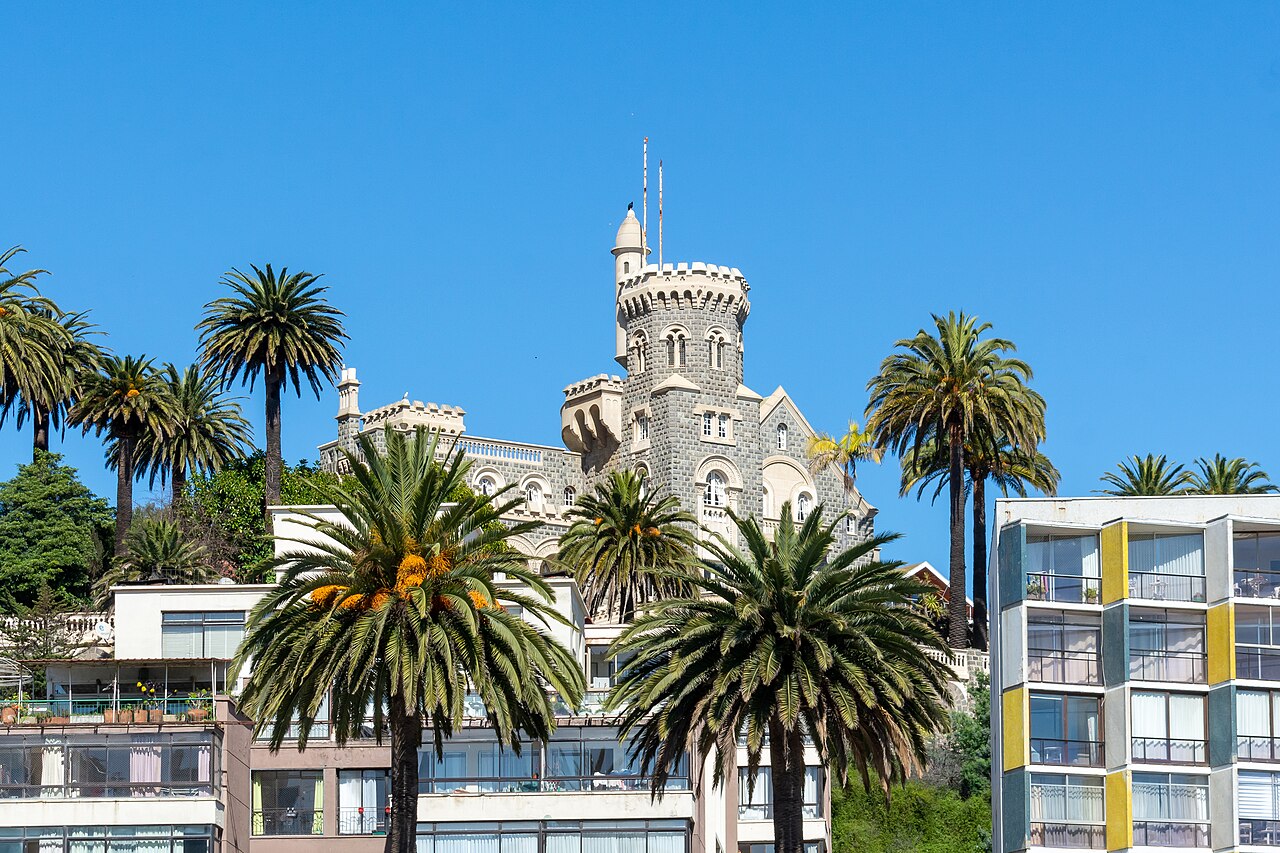
Brunet Castle, also referred to as Yarur Palace, is a prominent historic castle located in Viña del Mar, Chile. This hill castle is a distinctive landmark in the region, reflecting the architectural tastes and cultural influences of its era. Though it is often called a castle, it functions more as a grand residence or palace, showcasing the eclectic styles favored by wealthy families in the early 20th century. Historical background and significance The castle was originally constructed in the early 20th century, commissioned by the industrialist and textile magnate Juan Yarur Lolas. The Yarur family was influential in Chile's economic development, particularly in the textile industry. The building served as a private residence and symbol of prestige for the Yarur family. Over time, it became known as Brunet Castle, a name that reflects either a later owner or a popular local designation. Architectural features and style Brunet Castle exhibits a mixture of European architectural influences, combining elements reminiscent of French chateaux and English country houses. The structure is set on a hill, which enhances its commanding presence over the surrounding landscape. Its design includes towers, turrets, and ornate stonework that contribute to its castle-like appearance. The castle's facade is characterized by steeply pitched roofs, dormer windows, and intricate detailing around the windows and doors. The use of local materials alongside imported decorative elements reflects a blend of Chilean and European craftsmanship. Inside, the castle features spacious halls, grand staircases, and richly decorated rooms that highlight the wealth and status of its original owners. Interior layout and notable rooms The interior of Brunet Castle includes a large main hall used for receptions, several private chambers, and service areas. Decorative woodwork, stained glass windows, and antique furnishings are notable features. The castle also includes a chapel, a common feature in grand residences of this period, emphasizing the importance of religion and tradition to the family. The castle's role in local culture and tourism Today, Brunet Castle is recognized as an important cultural and architectural landmark in Viña del Mar. It attracts visitors interested in historic architecture and the legacy of Chile's industrial families. The castle occasionally hosts cultural events and exhibitions, contributing to the city's tourism and heritage preservation efforts. Preservation and current condition The castle is generally well preserved, maintaining much of its original character and architectural details. Efforts have been made to restore and maintain the building, ensuring that it remains a visible and accessible part of the region's historical landscape. Its status as a hill castle enhances its visibility and prominence in Viña del Mar.

Post-Renaissance (17th–18th c.)
Details
97.6 km
Wulff Castle — Chile castle

Wulff Castle

Viña del Mar, Chile

Wulff Castle stands as a remarkable architectural landmark in the coastal city of Viña del Mar, within the Valparaiso region of Chile. It is perched dramatically on a rocky promontory overlooking the Pacific Ocean, a location that enhances its striking presence and maritime character. The castle’s origins trace back to the early 20th century, reflecting the ambitions and tastes of its original owner, Gustav Wulff, a German immigrant who established a prosperous career as a merchant in Chile after arriving in 1881. By 1906, Wulff had acquired land in the burgeoning resort community of Viña del Mar and constructed a residence that initially bore the hallmarks of a modest home with influences drawn from German and French architectural traditions. The original structure was primarily built of wood and lacked the grandeur that would later define the castle. However, this early phase laid the foundation for what would become a unique fusion of European styles adapted to the Chilean coastal environment. Transformation into a castle: collaboration with alberto cruz montt During the 1910s, Gustav Wulff embarked on an ambitious project to transform his home into a castle, enlisting the expertise of the noted Chilean architect Alberto Cruz Montt. This collaboration was both long and eccentric, resulting in a distinctive architectural ensemble that combined functionality with romantic historicism. The transformation involved replacing the original wooden construction with sturdy stone masonry, which was better suited to withstand the harsh coastal weather and provided a sense of permanence and strength. The castle’s layout was expanded with additional rooms, and the exterior was richly embellished with characteristic castle features such as parapets, turrets, and crenellations. These elements evoke the image of a grand European manor or fortress, lending the building a fairy-tale quality that contrasts with its seaside setting. The iconic round tower and glass floor bridge One of the most notable architectural features added during this period was the large round tower, constructed on a rocky outcrop adjacent to the main building. This tower is connected to the main house by a distinctive bridge with a glass floor, allowing views directly down to the waves that crash against the rocks below. This innovative design element not only enhances the castle’s dramatic relationship with the ocean but also reflects Wulff’s personal fascination with the sea. Architectural style and influences Wulff Castle’s design is an eclectic blend of German and French architectural influences, adapted to the local context through the use of native stone and materials resistant to the maritime climate. The castle’s romantic and somewhat whimsical style aligns with early 20th-century trends in historicism and revivalist architecture, which sought to evoke the grandeur and nobility of medieval European castles and manors. The use of stone masonry combined with decorative elements such as turrets and crenellations situates the castle within a broader tradition of castle-inspired residences built during this period, which often served as status symbols for wealthy individuals seeking to project cultural refinement and social prestige. Cultural and historical significance Today, Wulff Castle is recognized as an important cultural and architectural landmark in Viña del Mar. Its unique location and distinctive design make it a popular destination for visitors interested in architectural history and coastal heritage. The castle’s history as the home of a successful immigrant merchant also reflects broader themes of immigration, economic development, and cultural exchange in early 20th-century Chile. The castle has been preserved and maintained as a symbol of the city’s historical identity, contributing to Viña del Mar’s reputation as a resort destination with rich cultural attractions. Its dramatic setting on the rocky coastline and its romantic architectural style continue to captivate visitors and locals alike. Visiting wulff castle Wulff Castle is accessible to the public and offers visitors the opportunity to explore its unique architecture and stunning ocean views. The castle’s location on a rocky promontory provides panoramic vistas of the Pacific, making it a favored spot for photography and sightseeing. While the interior spaces reflect the historic character of the building, the castle also hosts cultural events and exhibitions that highlight its heritage and architectural significance. Visitors are encouraged to explore the castle’s distinctive features, including the round tower and the glass floor bridge, which provide a memorable experience of the castle’s integration with its natural surroundings. The site is also part of the broader cultural landscape of Viña del Mar, which includes parks, beaches, and other historic buildings.

Details
102 km
Castillo San José — Chile castle

Castillo San José

, Chile

Castillo San José is a notable historic fortress located in Chile, recognized for its strategic position atop a hill that provided defensive advantages during its period of use. This hill castle exemplifies military architecture adapted to the local terrain, offering commanding views of the surrounding landscape which was essential for monitoring potential threats. Historical background and significance The castle was constructed during the colonial period, reflecting the need for fortified structures in Chile to protect against indigenous uprisings and foreign incursions. While exact dates of its construction are not well-documented, Castillo San José likely dates back to the early colonial era, possibly the 17th or 18th century, when such fortifications were common in the region. The castle played a role in the broader defensive network established by Spanish colonial authorities to secure their territories in South America. Its location on a hill was strategically chosen to maximize visibility and defensibility, a common feature of hill castles designed to control key routes and surrounding areas. Architectural features and design Castillo San José exhibits characteristics typical of colonial military architecture, including thick stone walls designed to withstand artillery fire and attacks. The fortress likely included bastions or angled walls to provide overlapping fields of fire, although detailed architectural plans are scarce. The castle's layout would have included essential defensive elements such as battlements, a gatehouse, and possibly a moat or ditch to impede attackers. Internally, the fortress housed barracks, storage rooms for weapons and supplies, and command quarters. The use of local stone and materials reflects adaptation to the environment and available resources, contributing to the castle's durability over centuries. The design balances functionality with the constraints imposed by the hilltop location. Strategic location and landscape Situated on elevated terrain, Castillo San José commanded extensive views of the surrounding countryside, enabling early detection of approaching forces. This vantage point was crucial for communication and coordination with other nearby fortifications or settlements. The castle's position also allowed control over important travel routes, facilitating the movement of troops and supplies while restricting enemy advances. The natural slope of the hill enhanced the defensive capabilities, making direct assaults difficult. Preservation and current status Today, Castillo San José remains a significant cultural and historical landmark in Chile. The fortress is partially preserved, with some original structures intact, although it has suffered from the effects of time and limited restoration efforts. Efforts to maintain and protect the site aim to preserve its architectural integrity and historical value. The castle attracts visitors interested in Chilean colonial history and military architecture, contributing to local heritage tourism. Visiting information and accessibility While specific visiting hours and ticketing details may vary, the castle is generally accessible to the public. Visitors can explore the remaining structures and enjoy panoramic views from the hilltop. Informational signage and guided tours may be available to enhance the educational experience. The site offers insight into the colonial military strategies employed in Chile and serves as a tangible connection to the region's past conflicts and defenses.

Post-Renaissance (17th–18th c.)
Details