Fort Tucapel
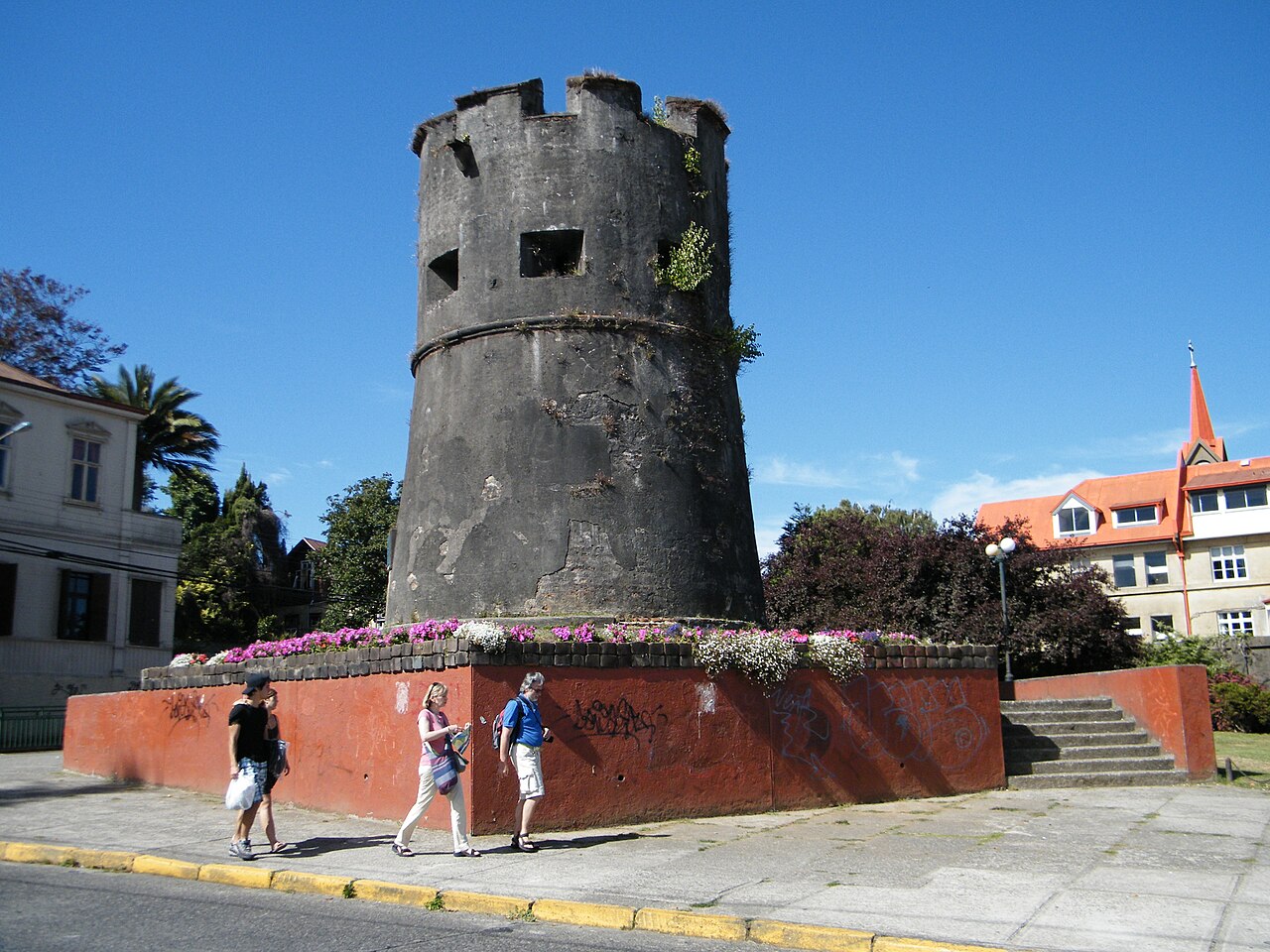
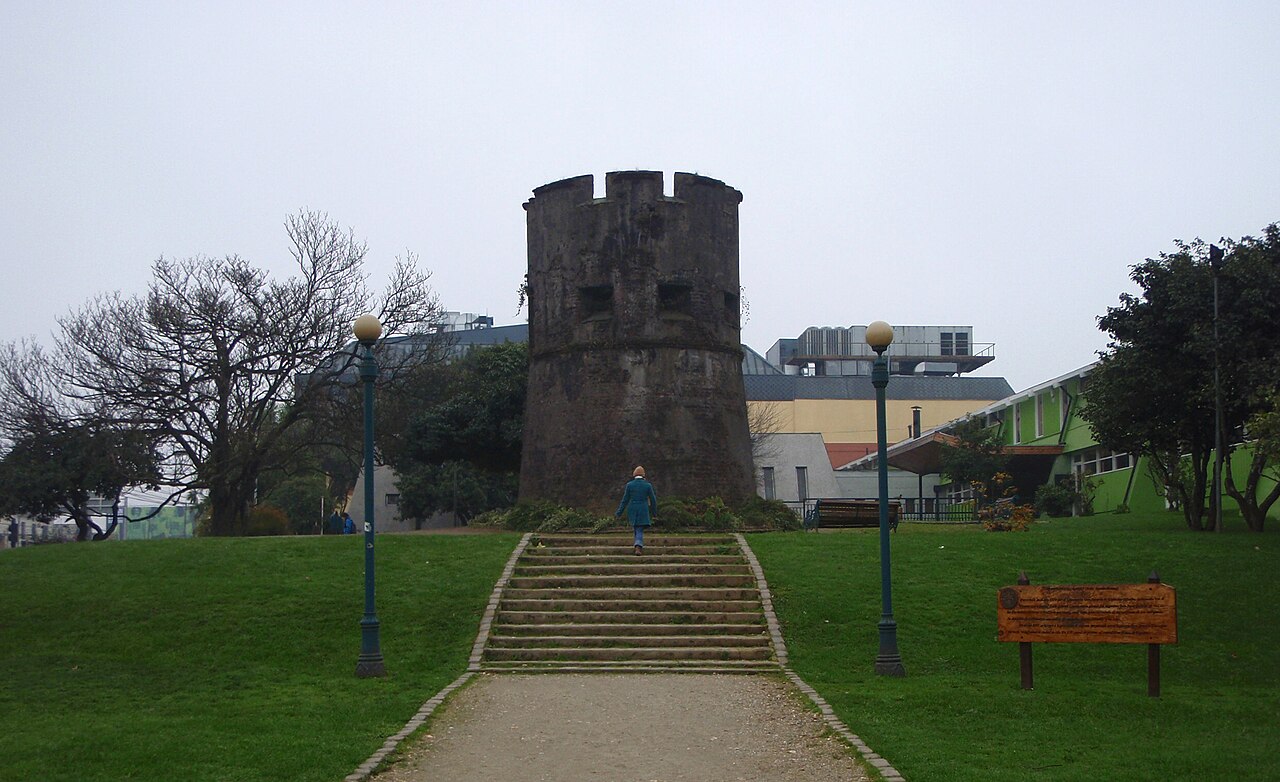
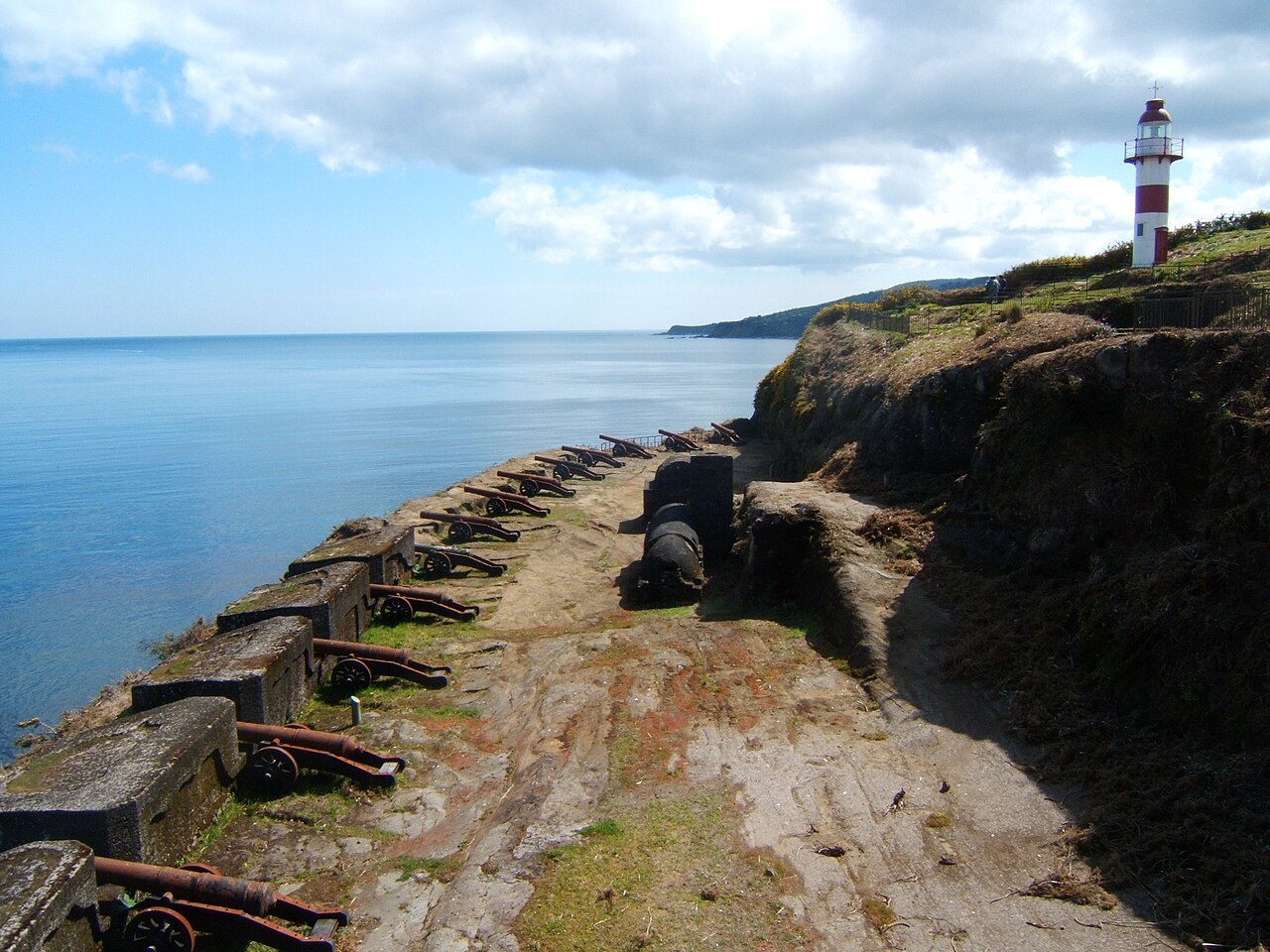
Fort Tucapel is a significant bastioned fortress located in Chile, notable for its role in the colonial era conflicts between Spanish conquistadors and the indigenous Mapuche people. Constructed in the mid-16th century, it served as a strategic military outpost during the Spanish attempts to control southern Chile. The fort's design reflects the bastioned fortress style, characterized by angular bastions that allowed defenders to cover all approaches with overlapping fields of fire, a common feature in military architecture of the period.
Historical context and significance
The establishment of Fort Tucapel dates back to the early phases of Spanish colonization in Chile, around the 1550s. It was built under the orders of Spanish governor Pedro de Valdivia as part of a network of fortifications aimed at securing Spanish control over the region and suppressing resistance from the Mapuche, the indigenous inhabitants of south-central Chile. The fort was strategically positioned to guard key routes and to serve as a base for military campaigns.
The fort is historically notable for the Battle of Tucapel in 1553, where the Mapuche leader Lautaro successfully ambushed and defeated the Spanish forces, resulting in the death of Pedro de Valdivia. This event marked a significant setback for Spanish colonial ambitions and highlighted the resilience and tactical skill of the Mapuche warriors.
Architectural features and design
Fort Tucapel was designed following the principles of bastioned fortification, which emerged in the Renaissance as a response to the development of artillery. The fortress featured angular bastions projecting from the main walls, enabling defenders to fire along the faces of the walls and eliminate blind spots. This design improved the fort's defensive capabilities against both infantry assaults and cannon fire.
The fort's walls were constructed from locally sourced stone and earthworks, providing robust protection. The layout typically included a central courtyard, barracks, storage facilities, and a chapel, common elements in Spanish colonial military architecture. Though specific details of the original structure have been lost or altered over time, archaeological studies and historical records provide insights into its composition and scale.
Role in colonial conflicts and indigenous resistance
Throughout its history, Fort Tucapel was a focal point in the prolonged conflict known as the Arauco War between Spanish colonizers and the Mapuche. The fort changed hands multiple times as control of the region fluctuated. Its presence symbolized Spanish military efforts to dominate the indigenous population and secure territorial claims.
The fort's capture and destruction by Mapuche forces following the Battle of Tucapel underscored the challenges faced by European powers in subjugating native resistance. It also influenced subsequent Spanish military strategies, including the construction of additional forts with improved defenses.
Current status and cultural heritage
Today, the site of Fort Tucapel is recognized for its historical and cultural importance in Chilean history. While much of the original fortress no longer stands intact, the location is an archaeological site that offers valuable insights into early colonial military architecture and indigenous resistance. Preservation efforts focus on protecting the remnants and promoting public awareness of the fort's role in shaping the region's history.
The fort remains a point of interest for historians, archaeologists, and visitors interested in Chile's colonial past and the enduring legacy of the Mapuche people.
Frequently asked questions (FAQ)
- What is the historical significance of Fort Tucapel?
- Fort Tucapel played a key role in the Spanish colonization of Chile and was the site of the 1553 Battle of Tucapel, where the indigenous Mapuche leader Lautaro defeated Spanish forces.
- Can I visit the site of Fort Tucapel today?
- Yes, Fort Tucapel is an archaeological site open to visitors interested in Chilean colonial history and indigenous resistance, though facilities may be limited.
- What architectural style characterizes Fort Tucapel?
- Fort Tucapel features bastioned fortress design, with angular bastions typical of Renaissance military architecture adapted for defense against artillery.
- When was Fort Tucapel built?
- Fort Tucapel was constructed in the 1550s during the early period of Spanish colonization in Chile.
- Why was Fort Tucapel important in the Arauco War?
- The fort served as a strategic military outpost in the prolonged conflict between Spanish colonizers and the Mapuche, symbolizing Spanish efforts to control the region.
Photo gallery

Information
Loading map...
Visitor reviews
No reviews yet. Been here? Write the first review and help other travelers!
Write the first reviewVisited this castle? Share your experience
Your review helps other travelers and adds first-hand knowledge to our encyclopedia.