
Azerbaijan
The historical background and medieval period
Azerbaijan's strategic location at the crossroads of Europe and Asia has made it a vital region for numerous empires and civilizations throughout history. This position contributed significantly to the development of its castle heritage and historical fortifications. From ancient times through the medieval period, the area witnessed the construction of various defensive structures aimed at protecting trade routes, settlements, and ruling elites.
During the medieval period, Azerbaijan was influenced by several regional powers, including the Persians, Arabs, Seljuks, and Mongols. Each of these groups left an imprint on the architectural and military landscape. The rise of local dynasties such as the Shirvanshahs further encouraged the building of robust fortresses to consolidate control over the territory and defend against invasions.
Continue reading below — scroll for the full article.
Castles in Azerbaijan
Discover 31 magnificent castles across the country
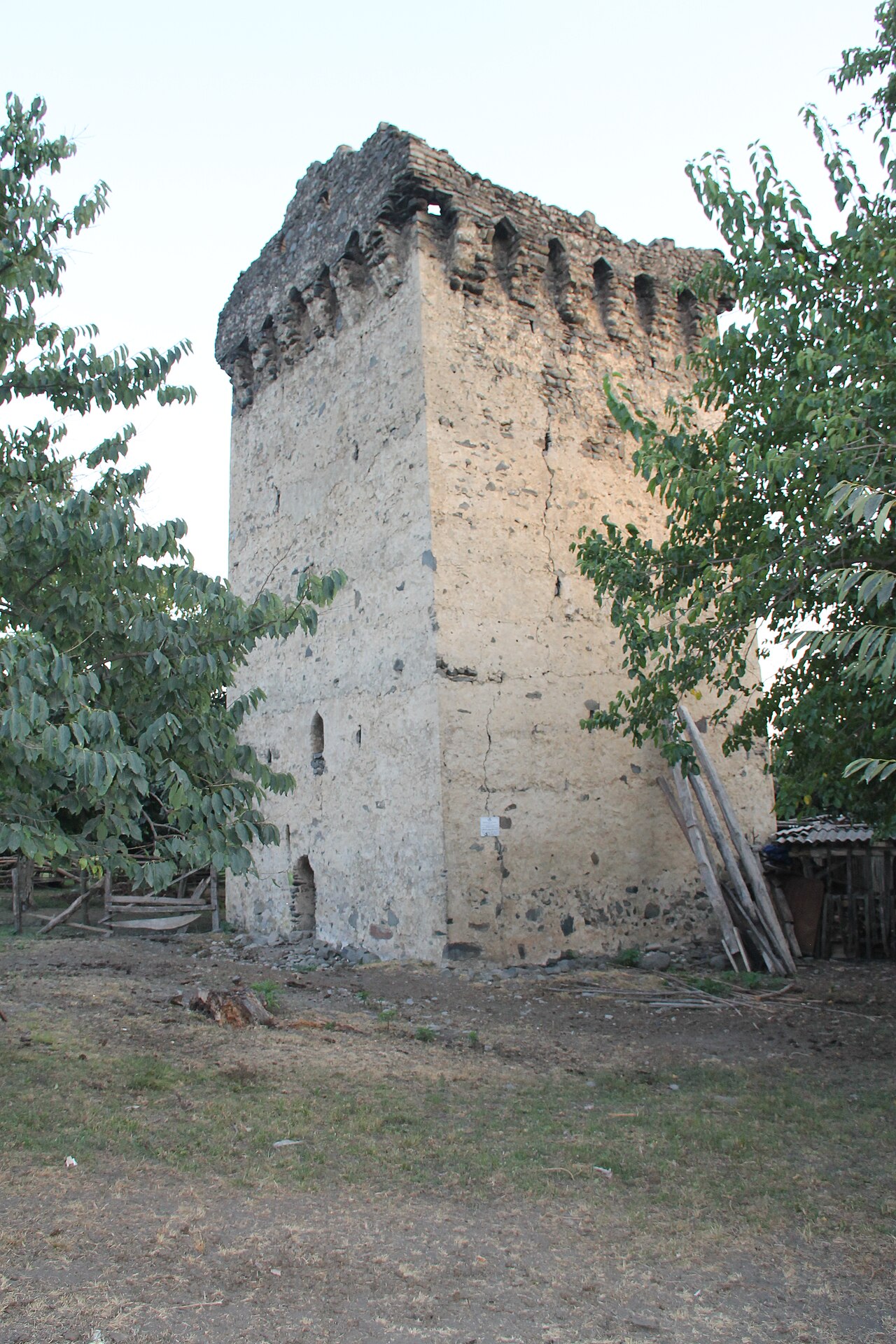
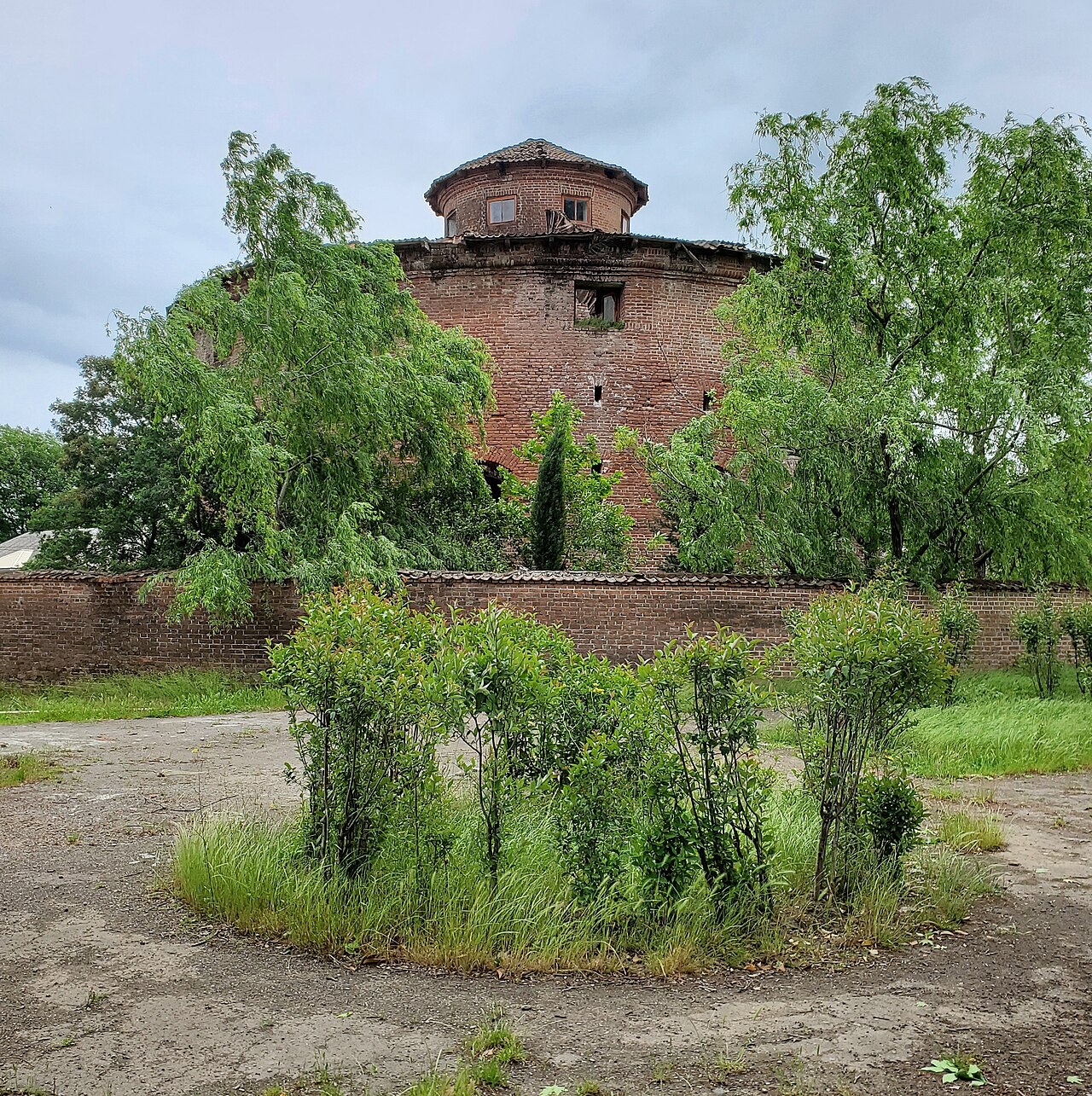
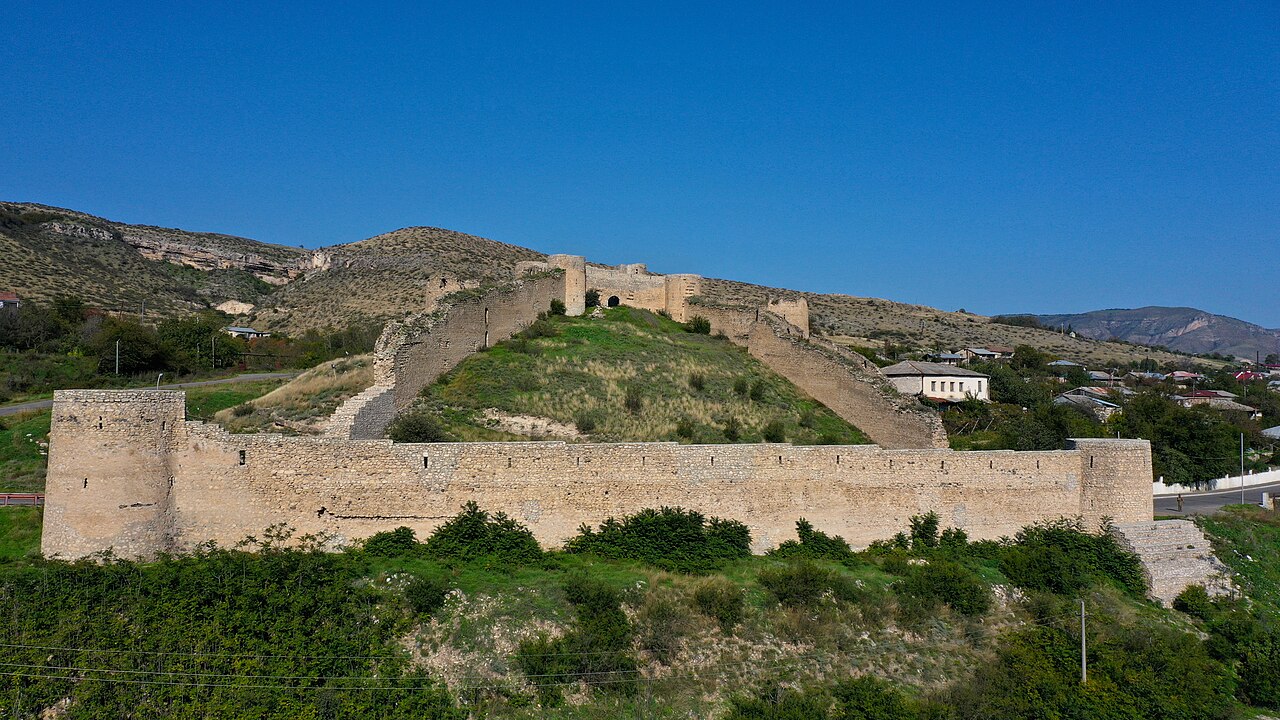
Types of fortifications in azerbaijan
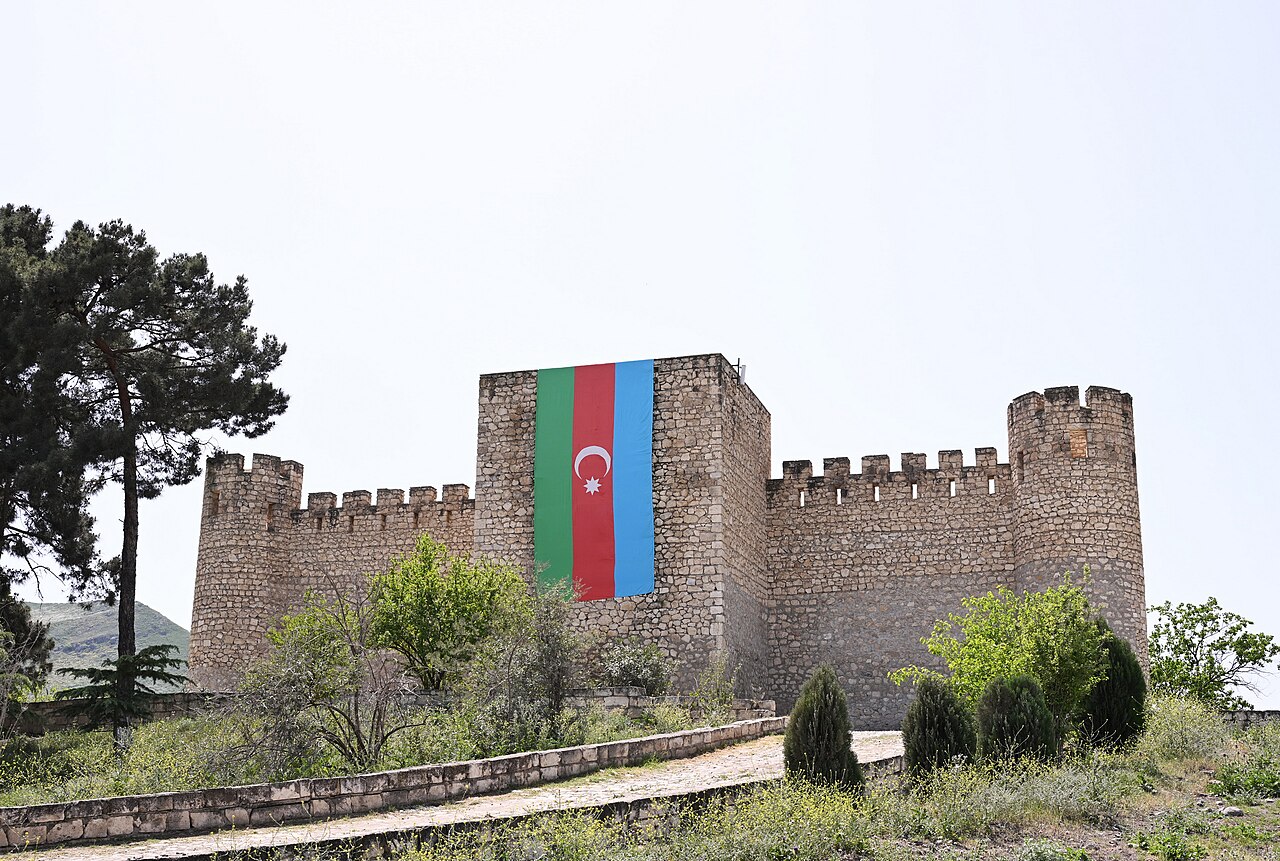
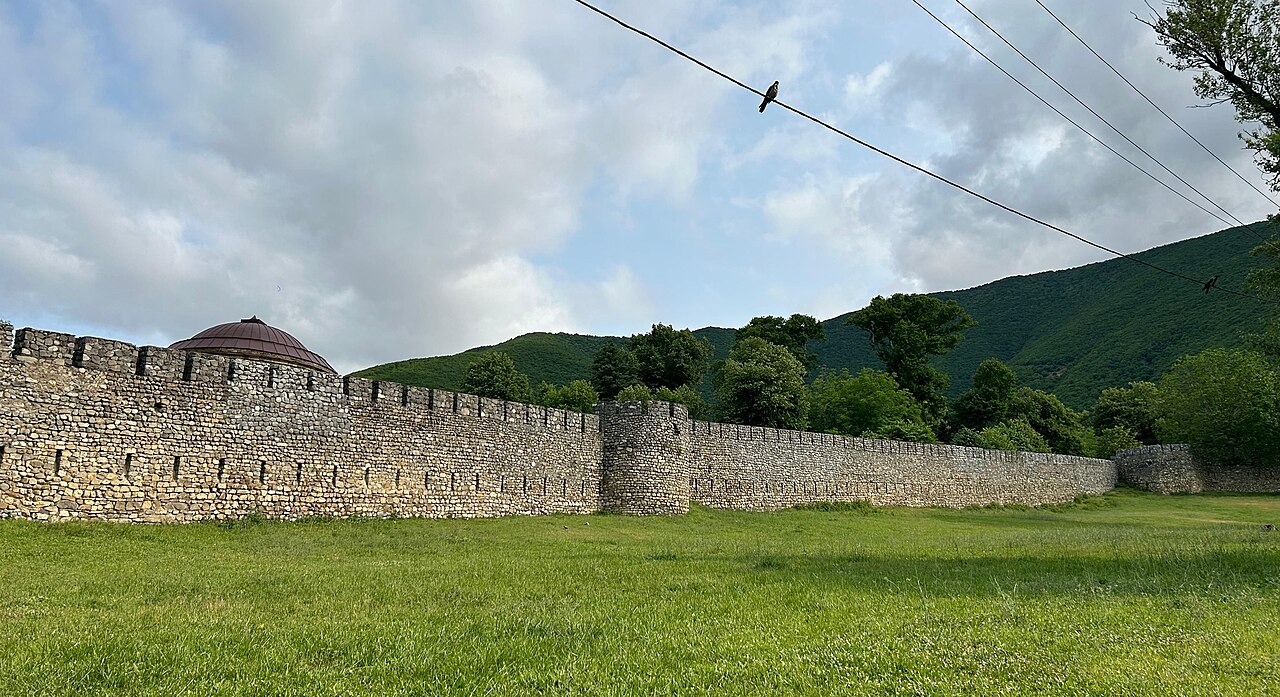
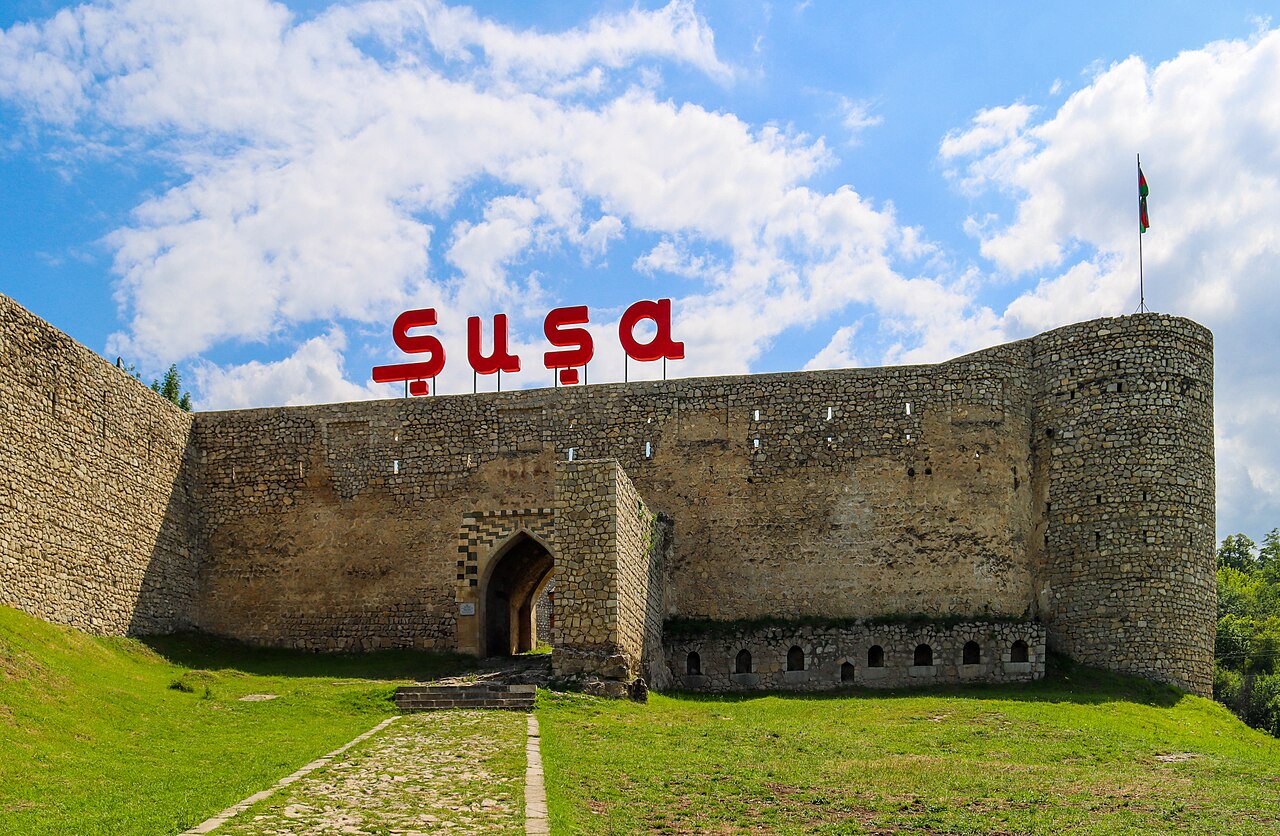
Azerbaijan's fortifications encompass a range of structures that served diverse defensive and administrative functions. These include castles, fortresses, citadels, and extensive defensive walls. Many of these were strategically positioned on hills, rocky outcrops, or near vital trade routes to maximize their defensive advantage.
Castles and citadels
Castles in Azerbaijan often functioned as military strongholds and residences for local rulers. The Palace of the Shirvanshahs in Baku, while primarily a royal complex, includes fortified elements such as thick walls and towers that exemplify the integration of residential and defensive architecture.
Citadels, such as the one in the ancient city of Shamakhi, provided a last refuge during sieges and were typically the most heavily fortified parts of towns. These structures frequently featured multiple layers of walls and watchtowers.
Fortresses and defensive walls
Fortresses like the Ramana fortress near Baku were built to protect the approaches to important cities and regions. These robust fortifications often included curtain walls, battlements, and gateways designed to withstand prolonged attacks.
In some urban centers, defensive walls enclosed entire settlements, with gates controlling access. For example, the old city of Baku, known as Icherisheher, is encircled by fortified walls that date back to medieval times, reflecting the necessity of urban defense in a volatile region.
Architectural styles and influences
The architecture of Azerbaijani castles and fortifications reflects a blend of indigenous techniques and external influences. The region's exposure to Persian, Islamic, and Caucasian architectural traditions shaped the design and construction methods.
Persian and islamic influences
Many Azerbaijani fortifications incorporate elements typical of Persian and Islamic architecture, such as pointed arches, decorative stone carvings, and the use of brick and stone in intricate patterns. The Maiden Tower in Baku exemplifies this, with its cylindrical form and ornamental detailing that combine defensive purpose with aesthetic considerations.
Local building materials and techniques
Builders utilized locally available materials such as limestone, sandstone, and baked bricks. Construction techniques focused on durability and the ability to absorb or deflect attacks, including the use of thick walls and vaulted chambers. Defensive features such as arrow slits, machicolations, and crenellations were adapted to suit local conditions and enemy tactics.
Regional variations in fortification architecture
The diverse geography of Azerbaijan has resulted in regional differences in castle and fortress design, reflecting adaptations to terrain, climate, and strategic needs.
Coastal fortifications
Along the Caspian Sea coast, fortifications like the Ramana fortress were constructed to guard maritime approaches and trade routes. These structures often feature robust walls and towers capable of withstanding naval threats, with positioning that commands views over the sea and surrounding land.
Mountain fortresses
In the mountainous regions of the Greater Caucasus, castles were built on elevated positions to exploit natural defensive advantages. Fortresses such as those near the Guba region are characterized by rugged stone walls integrated into the rocky landscape, serving both as military bastions and refuges for local populations.
Notable periods of castle construction
The most significant phases of castle and fortress construction in Azerbaijan correspond to periods of political consolidation and external threat.
Shirvanshah era (12th to 15th centuries)
During the reign of the Shirvanshah dynasty, extensive building projects were undertaken, including the construction and reinforcement of castles and palatial complexes. The Palace of the Shirvanshahs stands as a testament to this era, combining royal residence with fortified elements.
Seljuk and il-khanid influence (11th to 14th centuries)
The Seljuk period introduced new military architectural features such as more complex gatehouses and defensive towers. The Il-Khanid era continued this trend, focusing on fortifying urban centers and trade routes amid ongoing regional conflicts.
Preservation and current state
Many of Azerbaijan's castles and fortresses have survived in varying conditions. Urban development and natural deterioration pose challenges to preservation, but efforts have been made to protect and restore key sites.
The Maiden Tower and the Palace of the Shirvanshahs are UNESCO World Heritage-listed sites and have undergone conservation to maintain their structural integrity and historical authenticity. Other fortresses, such as Ramana, remain partially ruined but accessible, offering insights into medieval defensive architecture.
Castle tourism and accessibility
Historic castles and fortifications in Azerbaijan attract both domestic and international tourists interested in the country's rich heritage. Sites within Baku, including the Maiden Tower and the Palace of the Shirvanshahs, serve as prominent cultural landmarks and museums with guided tours.
Fortresses located outside urban centers, such as those in the Absheron Peninsula or mountain regions, are accessible by road and often integrated into broader cultural and ecological tourism routes. Visitor infrastructure varies, with some sites having interpretive signage and facilities, while others remain more rugged and less developed.
Cultural significance and heritage
Azerbaijan's castles and fortresses are more than military relics; they are symbols of the nation's historical resilience and cultural identity. These structures reflect the complex interactions of local and foreign influences that shaped Azerbaijan's history.
The historical fortifications are celebrated in Azerbaijani literature, art, and folklore, embodying stories of defense, sovereignty, and architectural ingenuity. Preservation and study of these sites continue to foster national pride and contribute to understanding the region's role in the wider history of the Caucasus and Eurasia.
Castle Locations in Azerbaijan
Explore all castle locations on an interactive map
Loading castle locations...